If you live in Florida, or visit here, you know that the Sunshine State is home to many bugs. Thousands of species of insects, spiders, mites and other creepy-crawly arthropods roam the state — some beneficial to people, some potentially harmful to people, some neither, some both.
You may have a few questions about Florida’s bugs. That’s why we’re here.
UF/IFAS entomology experts want to make sure you get the facts about Florida’s bugs, so we’re providing this FAQ backed by science-based answers.
If you have questions that aren’t addressed in the current version of the FAQ, let us know by writing to sfyl@ifas.ufl.edu. Many of the questions submitted will be featured on the UF/IFAS Facebook and Twitter pages during UF’s annual Bug Week celebration every May. And the online FAQ will continue to grow as new material arrives.
 Bug Word of the Day: Central-Place Forager (4/6/2018) - Email 0 Facebook 1 Twitter 1 Reddit 0 X Linkedin 0 Stumbleupon 0 Central-place foragers are animals that return to the same nest in between foraging trips, collecting their food, or food for their offspring, in an area around that nest. Animals that are not central-place foragers instead roam continuously, foraging and reproducing over a […]
 Bug of the Day: Sweat Bee (4/6/2018) - Email 0 Facebook 1 Twitter 0 Reddit 0 X Linkedin 0 Stumbleupon 0 If you are outside on a hot day working in the gardening, or taking a walk through a park, you might find a shiny bee resting on your sweaty skin. It is probably a sweat bee! Sweat bees are a large, diverse […]
 Bug Word of the Day: Proboscis (4/5/2018) - Email 4 Facebook 3 Twitter 1 Reddit 1 X Linkedin 0 Stumbleupon 0 Elephants, mosquitoes, and butterflies share something in common – they have a proboscis! A proboscis is simply a long appendage coming out of an animal’s head, and is used to describe the nose or snout of a vertebrate, like an elephant, or […]
 Bug of the Day: Bella Moth (4/5/2018) - Email 0 Facebook 1 Twitter 0 Reddit 0 X Linkedin 0 Stumbleupon 0 Not all moths are night creatures. In fact, one of the most colorful moths in Florida, the bella moth Utetheisa ornatrix, is active during the day when we can admire its beauty. The wings of the bella moth are a combination of […]
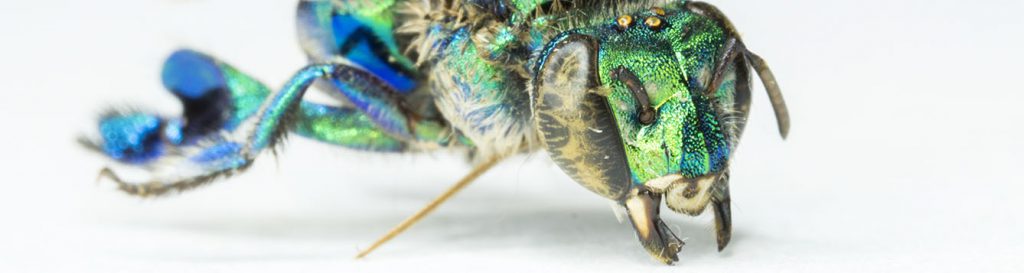 Bug of the Day: Green Orchid Bee (4/4/2018) - Email 15 Facebook 43 Twitter 9 Reddit 3 X Linkedin 0 Stumbleupon 0 The green orchid bee, Euglossa dilemma Friese, is a large, beautiful, metallic green bee named for its unique association with orchids and its distinctive color. While it can be found in the southern half of Florida, it is not native to this […]
 Bug Word of the Day: Scopa (4/4/2018) - Email 2 Facebook 1 Twitter 0 Reddit 0 X Linkedin 0 Stumbleupon 0 A scopa is a part of a bee’s body that is designed to hold and carry pollen. Bees must transport pollen from the flower, where it is collected, to the bee’s nest, where it is deposited to feed the bee’s offspring. In […]
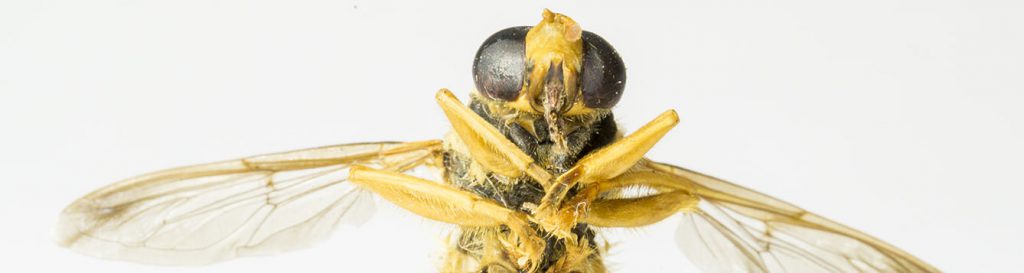 Bug of the Day: Hoverflies (4/3/2018) - Email 0 Facebook 0 Twitter 1 Reddit 0 X Linkedin 0 Stumbleupon 0 Hoverflies, also known as flower flies or syrphid flies, are perhaps the most unrecognized and underappreciated pollinators. They are actually thought by some scientists to be the second most important group of pollinators after bees! This is a large and relatively diverse […]
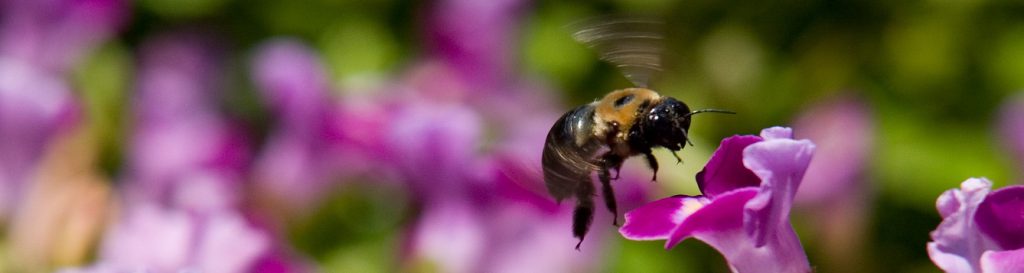 Bug Word of the Day: Flower Constancy (4/3/2018) - Email 2 Facebook 1 Twitter 0 Reddit 1 X Linkedin 0 Stumbleupon 0 Pollinators sometimes play favorites when choosing plants to forage on, a behavior known as flower constancy. This behavior can be seen across many different types of pollinators, but is perhaps best known in honey bees and bumble bees. As pollinators spend their […]
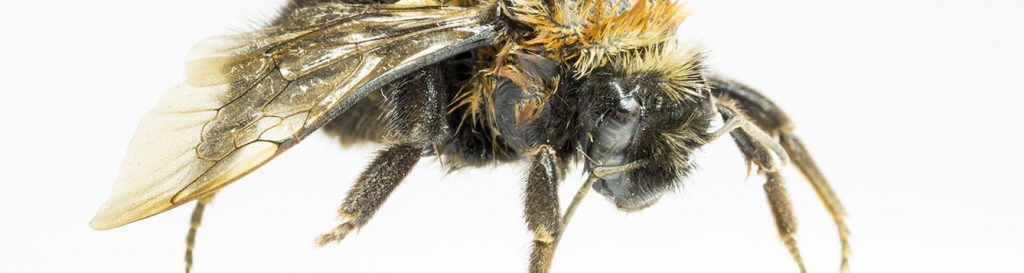 Bug of the Day: The Common Eastern Bumble Bee (4/2/2018) - Email 0 Facebook 1 Twitter 0 Reddit 0 X Linkedin 0 Stumbleupon 0 The common eastern bumble bee, Bombus impatiens, is one of the most frequently found bumble bees across the eastern half of North America. Their native range extends north-south from Ontario to Florida, and east-west from Maine to the Dakotas. In Florida, it […]
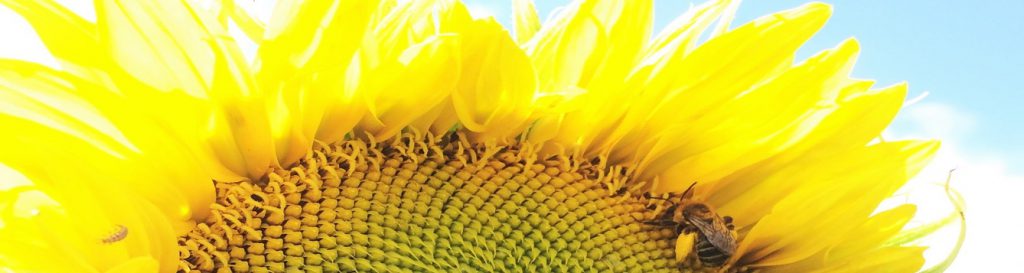 Bug Word of the Day: Mutualism (4/2/2018) - Email 0 Facebook 1 Twitter 0 Reddit 0 X Linkedin 0 Stumbleupon 0 Pollination is one of the best examples of mutualism, a relationship between two different species in which both species benefit. Mutualisms are different from the many other relationships between organisms in which one or both species is harmed, such as competition, predation, […]
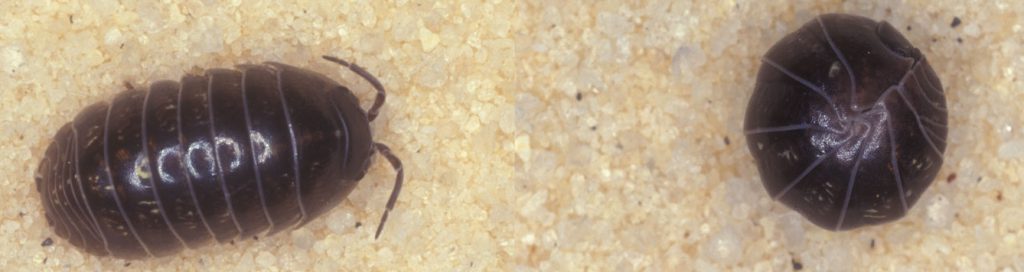 Jeepers creepers what are all these creatures? See our new UF/IFAS Featured Creatures! (5/25/2017) - Email 0 Facebook 0 Twitter 0 Reddit 1 X Linkedin 0 Stumbleupon 0 It is that time of year when it seems that everywhere you look is an insect you have never seen before. To keep you in the know we have pulled together some of the newest Creatures from the University of Florida, Institute […]
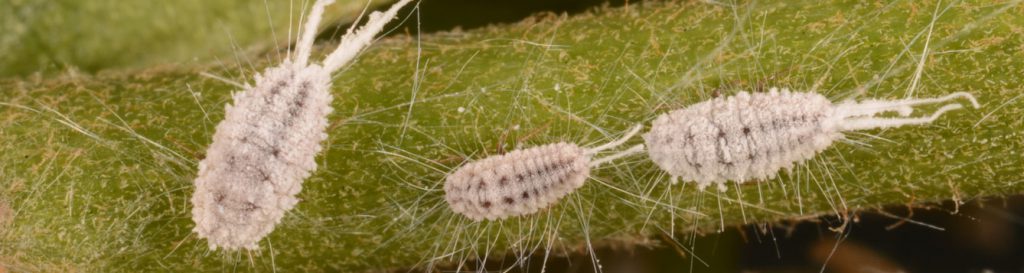 What is this bug? It is time to explore tiny but new UF/IFAS Featured Creatures! (5/23/2017) - Email 0 Facebook 0 Twitter 0 Reddit 0 X Linkedin 0 Stumbleupon 0 Are you seeing fantastic creatures that are the stuff of nightmares (or an entomologists day dreams)? We all have had these moments and can often be surprised by how small some of these so called evil creatures are. We have compiled for […]
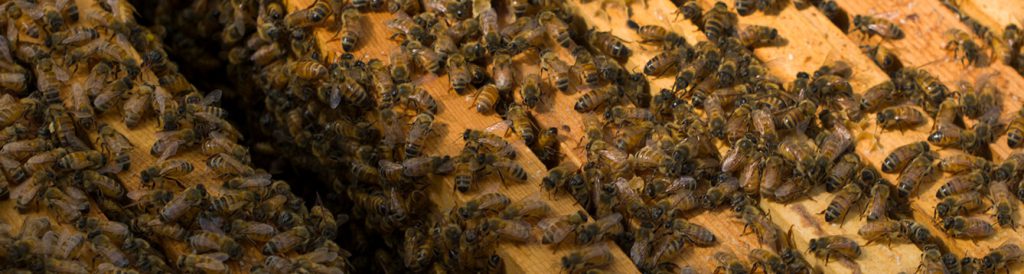 Zika and Florida Beekeepers (9/9/2016) - Email 0 Facebook 0 Twitter 0 Reddit 0 X Linkedin 0 Stumbleupon 0 A letter from the Florida Chief of Apiary Inspection, David Westervelt: The Southeastern United States is in a triple threat situation for mosquito proliferation and control. Listed below are conditions making it favorable for the breeding and spread of viruses in mosquitoes: […]
 Giant wasp making you nervous? (8/26/2016) - Email 7 Facebook 11 Twitter 7 Reddit 1 X Linkedin 0 Stumbleupon 0 This is a guest post by Lauren Webb, a research assistant in the Dale Lab in the UF/IFAS Entomology & Nematology Department. Have you ever seen a wasp nearly the length of a large paperclip? Perhaps on the ground or flying around? […]
 Why do I always find these silver bugs crawling inside of cardboard boxes? (5/27/2016) - Email 2 Facebook 4 Twitter 4 Reddit 2 X Linkedin 0 Stumbleupon 0 The silver critters that you find in boxes are called silverfish (Figure 1). They are a primitive type of insect that lack wings and are ametabolous (meaning they do not go through metamorphosis). Silverfish prefer places that have little airflow, which is […]
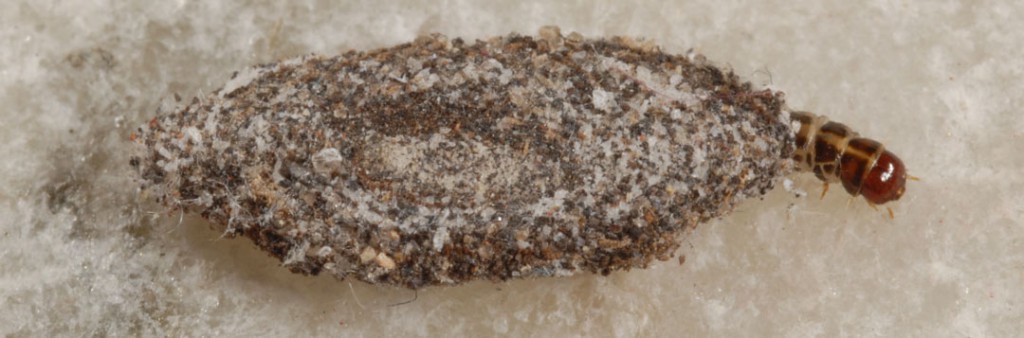 What are these specks of dirt climbing up my walls? (5/26/2016) - Email 3 Facebook 3 Twitter 0 Reddit 4 X Linkedin 0 Stumbleupon 0 If you have ever seen what looks like clumps of dirt ascending your walls, you are actually seeing an insect. The “dirt” is actually a case that surrounds a household casebearer caterpillar (Figure 1), which is the larval stage of a Tineid […]
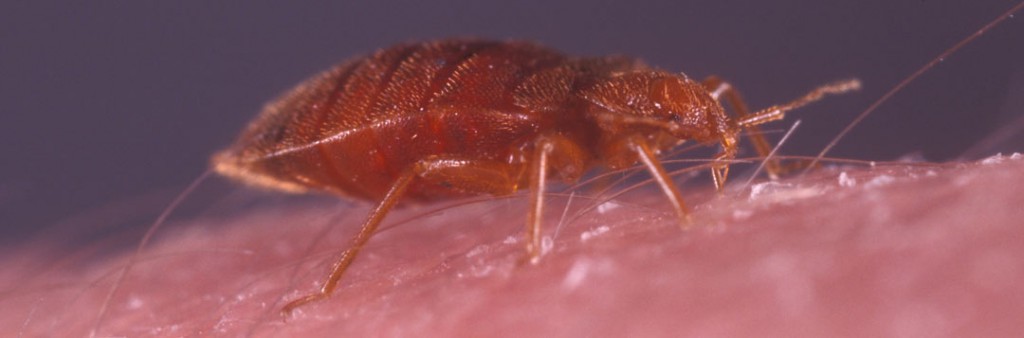 I found some bed bugs in my house. Can I use bleach to kill bed bugs? (5/25/2016) - Email 0 Facebook 1 Twitter 2 Reddit 1 X Linkedin 0 Stumbleupon 0 When you have an infestation of bed bugs (Figure 1), bleach should not be used as a control method. Bleach can be harmful to people if not used carefully, and it will not work effectively to completely eradicate bed bugs from […]
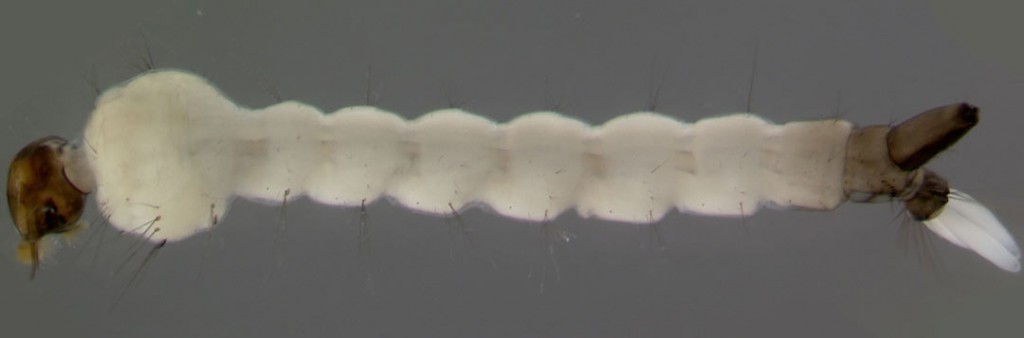 I have things that move in my birdbath. What are they? (5/24/2016) - Email 0 Facebook 0 Twitter 0 Reddit 0 X Linkedin 0 Stumbleupon 0 Those little, squirming things in your birdbath are container-breeding mosquitoes (Figure 1). These mosquitoes are in their larval stage. Adult container-breeding mosquitoes lay eggs wherever water collects, which can be natural structures—like bromeliads—or artificial ones with standing water—like your birdbath. The eggs […]
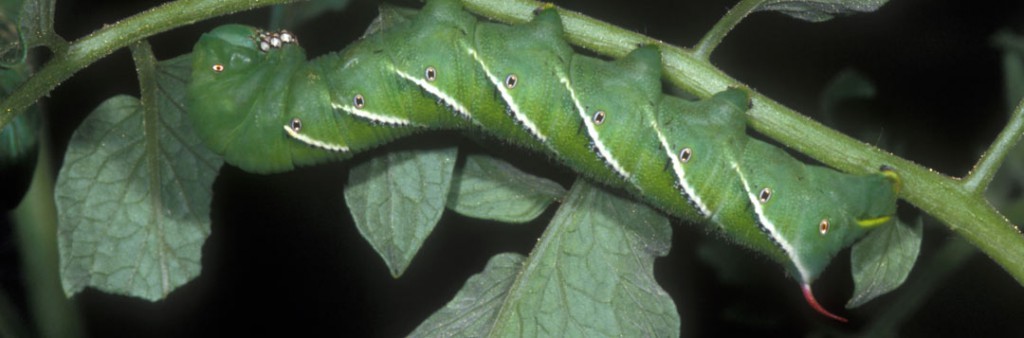 I found worms with a spike for a tail on my tomatoes. What are they? (5/23/2016) - Email 0 Facebook 0 Twitter 0 Reddit 0 X Linkedin 0 Stumbleupon 0 Between April and November, you might notice spike-tailed green worms (Figure 1) feasting on your tomato plants’ leaves and fruit. These voracious creatures ravaging your garden are caterpillars called tobacco or tomato hornworms. The caterpillars are the larval stage of Sphingidae adults—a […]
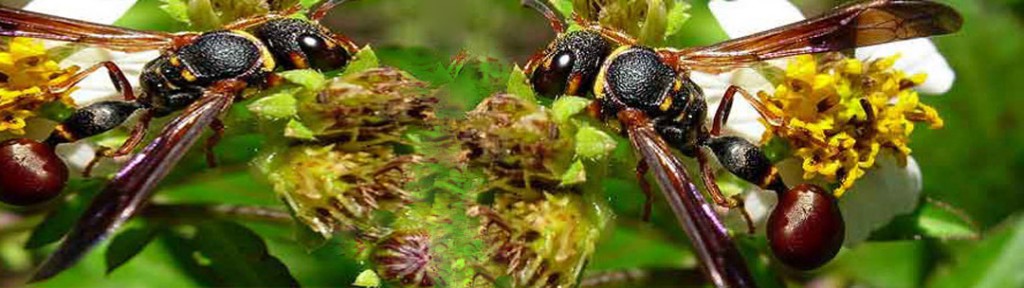 Do wasps have any benefits at all? (4/11/2016) - Email 1 Facebook 2 Twitter 0 Reddit 0 X Linkedin 0 Stumbleupon 0 Actually, yes! They may not make honey like pollinating bees do, but we still need them. Even though you might tend to think of wasps as pesky stinging insects, they do provide ecological benefits. Similar to bees, some species are helpful with […]
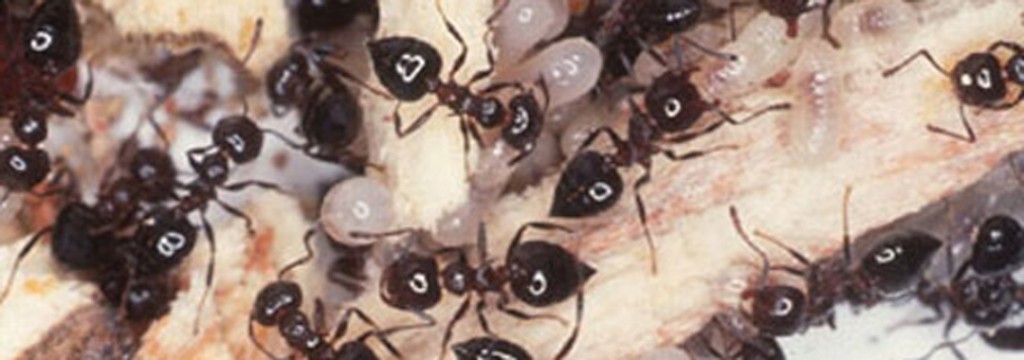 I keep my house clean, so why am I still finding ants? (4/8/2016) - Email 0 Facebook 0 Twitter 0 Reddit 2 X Linkedin 0 Stumbleupon 0 It may feel as though ants, no matter what you seem to do, will never leave your house. There are several reasons why ants continue to find their way inside your home. Doing dishes every day and keeping food properly sealed may […]
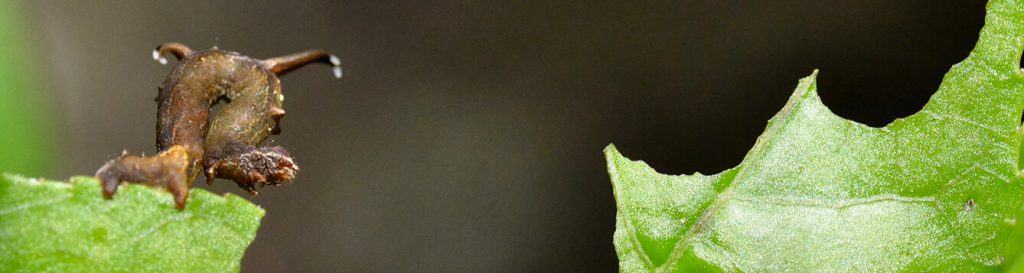 Fresh spring leaves: A delectable treat (3/31/2016) - Email 0 Facebook 0 Twitter 0 Reddit 0 X Linkedin 0 Stumbleupon 0 Throughout early spring, leaf buds on deciduous trees open up into fresh, green leaves. Our recently bare and bland landscapes are green again. We aren’t the only ones who are excited about this, though. Leaf-eating insects are too. Early spring is when […]
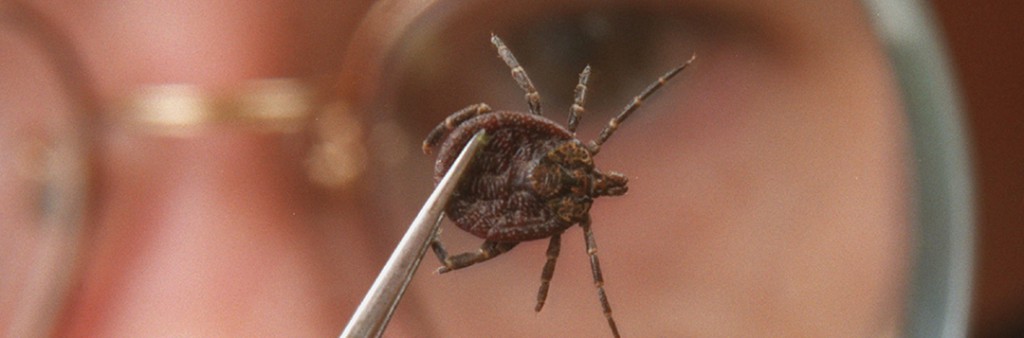 Welcome back! We STILL want to know what’s bugging you! (2/24/2016) - Email 0 Facebook 0 Twitter 0 Reddit 0 X Linkedin 0 Stumbleupon 0 Welcome to the new online habitat, er, home for the University of Florida’s Bug Week! The UF/IFAS Web Team has designed this terrific new website, where you’ll find information about all the Bug Week 2016 activities, along with plenty of educational material. […]
 What are these tents? (12/16/2015) - Email 0 Facebook 0 Twitter 0 Reddit 0 X Linkedin 0 Stumbleupon 0 You may have noticed branches covered in these strange structures (Figure 1) during the spring, typically in March. These are tents constructed by eastern tent caterpillars, the larval stage of a Lasiocampid moth—a hairy and golden-brown colored moth with two white bands […]
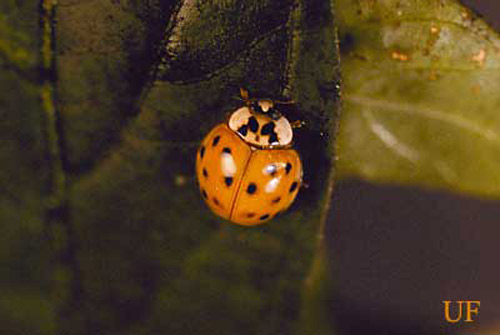 Are ladybugs all ladies? (11/18/2015) - Email 6 Facebook 4 Twitter 7 Reddit 9 X Linkedin 0 Stumbleupon 0 The ladybug (Figure 1), or ladybird, is the common name given to beetles in the Coccinellidae family. This is misleading because not all ladybugs are ladies; they can be either female or male. It is difficult to determine the sex of a […]
 What is this mosquito with white feet? (11/1/2015) - Email 0 Facebook 1 Twitter 1 Reddit 0 X Linkedin 0 Stumbleupon 0 We are pleased to announce a new article on Featured Creatures that will answer that question! Take a sneak peek with this excerpt from the article: Psorophora ferox, (Figure 1) known unofficially as the white-footed woods mosquito (King et al. 1942), is […]
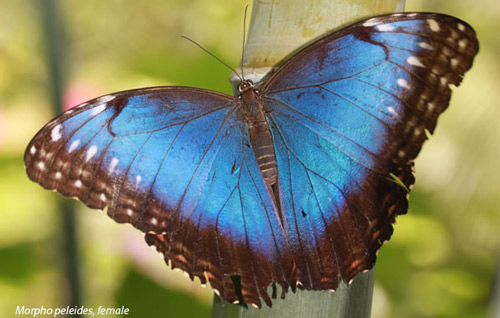 What are the big blue butterflies we see in butterfly exhibits? (10/10/2015) - Email 1 Facebook 0 Twitter 0 Reddit 1 X Linkedin 0 Stumbleupon 0 We have a new article on Featured Creatures that will answer that question! Take a sneak peek with this excerpt from the article: Morpho peleides Kollar, the blue morpho butterfly, also known as the peleides blue morpho or common blue morpho, is […]
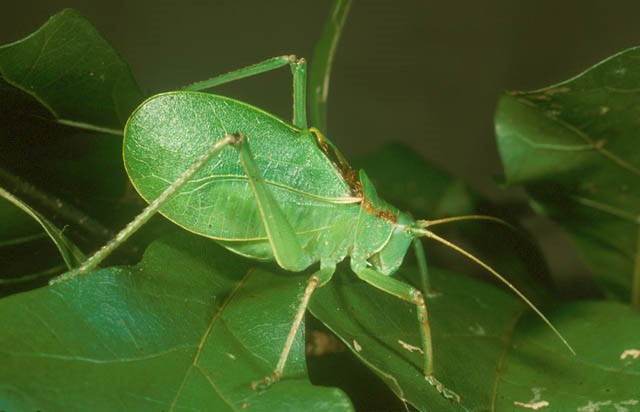 How is this leaf walking? (9/19/2015) - Email 0 Facebook 1 Twitter 2 Reddit 0 X Linkedin 0 Stumbleupon 0 This leaf is not really a leaf at all. You are actually seeing an insect: a katydid (Orthoptera: Tettigoniidae) (Figure 1). On closer inspection, what you may have referred to as a grasshopper is, in fact, related to grasshoppers but is not […]