Florida’s beekeeping industry plays a vital role in supporting both local agriculture and national pollination efforts. The state’s warm, humid climate and extended beekeeping season (the queen never stops laying eggs) present unique challenges for beekeepers, particularly in maintaining colony health and productivity. A significant threat is the wax moth, which can cause considerable damage, especially to weak or poorly maintained colonies and stored equipment.
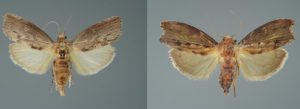
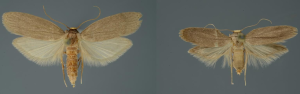
Wax Moths: Description and Damage
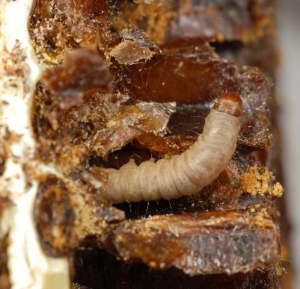
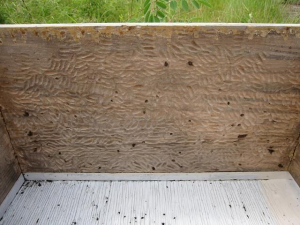
There are 2 types of Wax Moths in Florida: The Greater Wax Moth (Galleria mellonella) and the Lesser Wax Moth (Achroia grisella). Both moths are opportunistic pests that target weakened honey bee colonies and improperly stored hive components. The greater wax moth, in particular, can grow to approximately 0.78 inches in its larval stage and is capable of inflicting serious damage not only to the comb but also to the wooden components of beehives. These larvae thrive in warm, dark conditions and can cause substantial destruction in a short period of time.
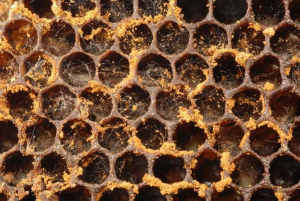
Upon hatching, wax moth larvae aggressively consume beeswax, residual pollen, and other organic matter present within the comb. As they tunnel through the hive, they leave behind frass (excrement) and thick silk webbing, which can negatively affect brood development and render the comb unsuitable for reuse. In severe infestations, larvae may also cause structural damage by boring into hive frames and walls.
Control in Live Colonies
Currently, there are no chemical treatments approved for controlling wax moths within active bee colonies. Fortunately, strong and healthy colonies are typically capable of suppressing wax moth populations naturally. Outbreaks of wax moths are generally associated with weakened colonies. Contributing factors may include starvation due to limited resources, queen failure, pesticide exposure, or disease, any of which can compromise colony health and increase vulnerability to infestation.
For beekeepers in Florida, prevention remains the most effective strategy. Regular hive inspections, maintaining overall colony health, and promptly addressing any signs of decline are essential practices for minimizing the risk of wax moth infestations.
Managing Wax Moths in Stored Equipment
Wax moths are particularly problematic in stored comb and beekeeping equipment, especially older, darker comb that is more attractive to them. In Florida’s warm climate, equipment left in storage can quickly become infested if not properly protected.
Traditionally, wax moth infestations in stored supers have been managed through chemical fumigation. In Florida, the legally approved chemical fumigants for this purpose include aluminum phosphide, methyl bromide, phosphine gas, and magnesium phosphide. However, these products can be costly and often require special training and/or a restricted-use pesticide license. Additionally, there is an ongoing risk that chemical residues could contaminate the wax or honey when pesticides are not used following label instructions. Any pesticide used on stored combs must be specifically labeled for such use.
Non-Chemical Alternatives
Due to the risks and costs associated with chemical treatments, many Florida beekeepers prefer non-chemical control methods. Freezing is among the most effective and safest approaches; placing infested equipment in a freezer for a minimum of 24 to 72 hours effectively eradicates all stages of wax moth infestation. However, caution is advised when handling frozen wax, as it is fragile.
Another preventive strategy involves increasing light exposure and airflow around stored supers. Wax moths tend to avoid well-lit, well-ventilated environments, making storage in covered, open-walled sheds an effective deterrent.
Some storage facilities maintain lower internal temperatures to inhibit wax moth development. While this method is effective, the associated electrical energy costs may be significant.
Conclusion
Wax moths represent a significant threat to Florida’s beekeeping industry, particularly affecting weakened colonies and stored equipment when not adequately managed. Although infestations are uncommon in strong, healthy colonies, vulnerable colonies can quickly succumb to these pests. Ensuring colony vitality through diligent management practices, combined with proper storage protocols, is essential to preventing wax moth infestations. Ultimately, proactive intervention and meticulous equipment care are critical to minimizing damage from wax moths and sustaining the long-term viability of Florida’s beekeeping industry.
For more information about Wax Moths, please read the following “Ask IFAS Publications:”
Lesser Wax Moth Achroia grisella Fabricius (Insecta: Lepidoptera: Pyralidae)
University of Florida is An Equal Opportunity Institution
 3
3