Most people know Florida’s citrus industry is struggling with citrus greening. The threat, however, doesn’t exist in a silo, and residential trees – where the plant disease was first detected in the state – can serve as reservoirs for Asian citrus psyllids, the insects responsible for its spread, if they’re not properly managed.

Recognizing disease prevention is a coordinated effort, the University of Florida’s Institute of Food and Agricultural Sciences (UF/IFAS) is teaching Florida residents how to identify, monitor and manage greening and psyllids.
A recently published study describes one such effort, a series of UF/IFAS citrus care workshops in North Florida. Among workshop participants surveyed afterward, 86% expressed a willingness to manage psyllids and 89% agreed to remove infected trees.
“This is the kind of behavior that can really help mitigate the disease,” said study co-author Xavier Martini, a UF/IFAS associate professor of entomology.
Citrus greening and psyllids are less common in North Florida compared to southern and central parts of the state, and North Florida residents are less familiar with the disease and the insect. But a cold-hardy citrus industry is emerging in the region, so the stakes are high.
“The vast majority of these cold-hardy citrus groves are free of citrus greening and are therefore flourishing,” Martini said. “We want this burgeoning industry to develop and be protected, so we have to be proactive.”
UF/IFAS faculty and staff conducted the workshops in six North Florida counties: Bay, Columbia, Gadsen, Jefferson, Leon and Santa Rosa. Through surveys, participants rated their knowledge about citrus greening before and after the workshops. Overall, 93% reported an increase in knowledge of greening and psyllids monitoring and management afterward.
Interestingly, the workshops confirmed existing UF/IFAS research indicating most residents cannot identify live psyllids, though they usually recognize the insects in macroscopic photographs. Workshop participants’ identification skills improved after using a microscope to examine preserved specimens.
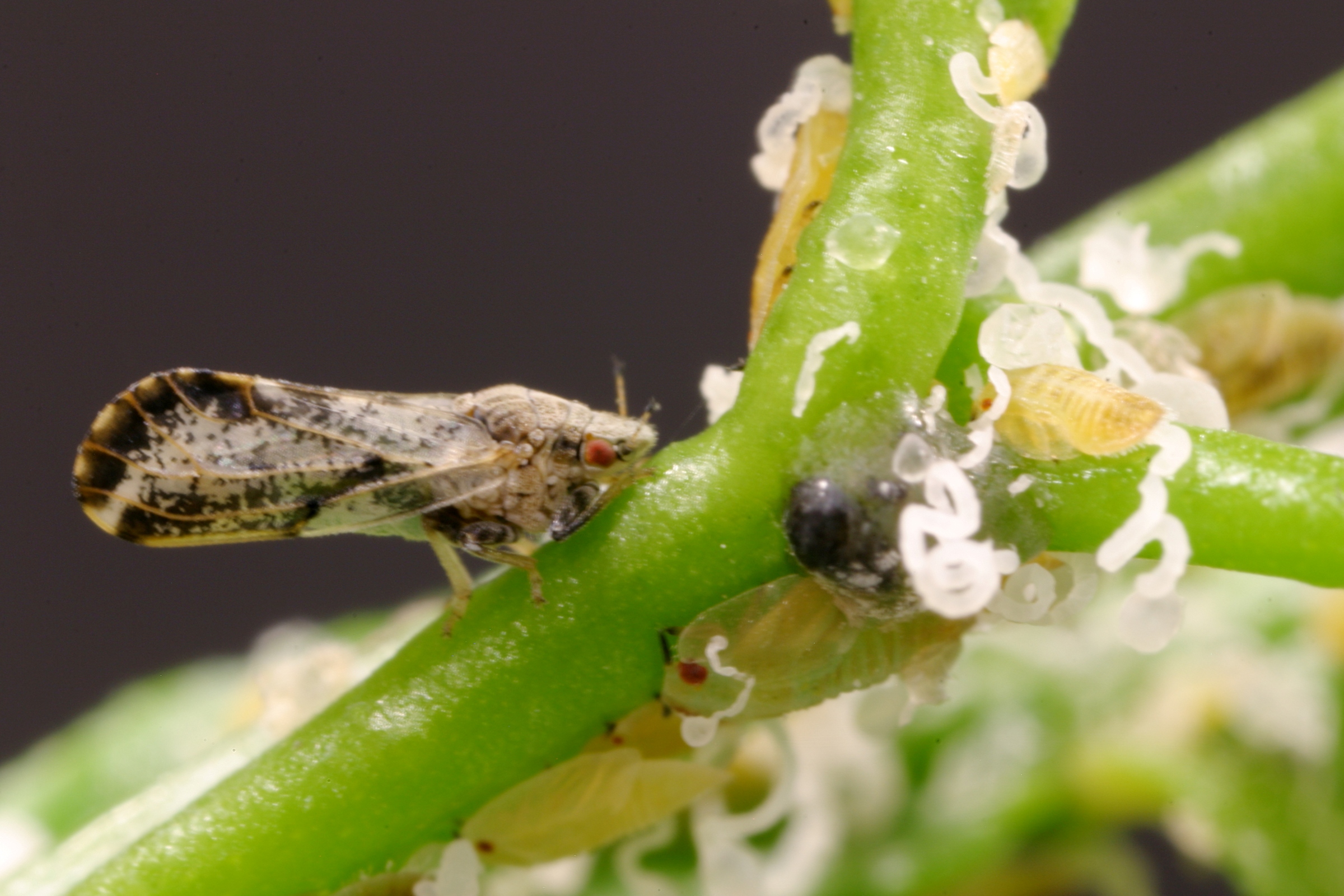
“As entomologists, we tend to prefer high-quality images of insects, but they don’t always reflect what homeowners experience in their garden,” Martini said. “These workshops taught me the importance of including real specimens instead of just pictures.”
Despite expressing a willingness to remove infected trees, workshop participants were less enthusiastic about adopting some common methods to deter psyllids. Only 20%, for example, would cover their citrus trees with protective mesh bags, and only 35% would use UV-reflective mulch, which disturbs some insects.
These survey results reflect cultural and aesthetic tastes, and they are important considerations for anyone designing an integrated pest management plan for homeowners, Martini said.
“We want to be sure to propose tools that work for them,” he said. “The best we can do is continue to share these two methods and explain that they are relatively cheap and require low maintenance.”
###
ABOUT UF/IFAS
The mission of the University of Florida Institute of Food and Agricultural Sciences (UF/IFAS) is to develop knowledge relevant to agricultural, human and natural resources and to make that knowledge available to sustain and enhance the quality of human life. With more than a dozen research facilities, 67 county Extension offices, and award-winning students and faculty in the UF College of Agricultural and Life Sciences, UF/IFAS brings science-based solutions to the state’s agricultural and natural resources industries, and all Florida residents.
 4
4

