Tag: ufifascaip

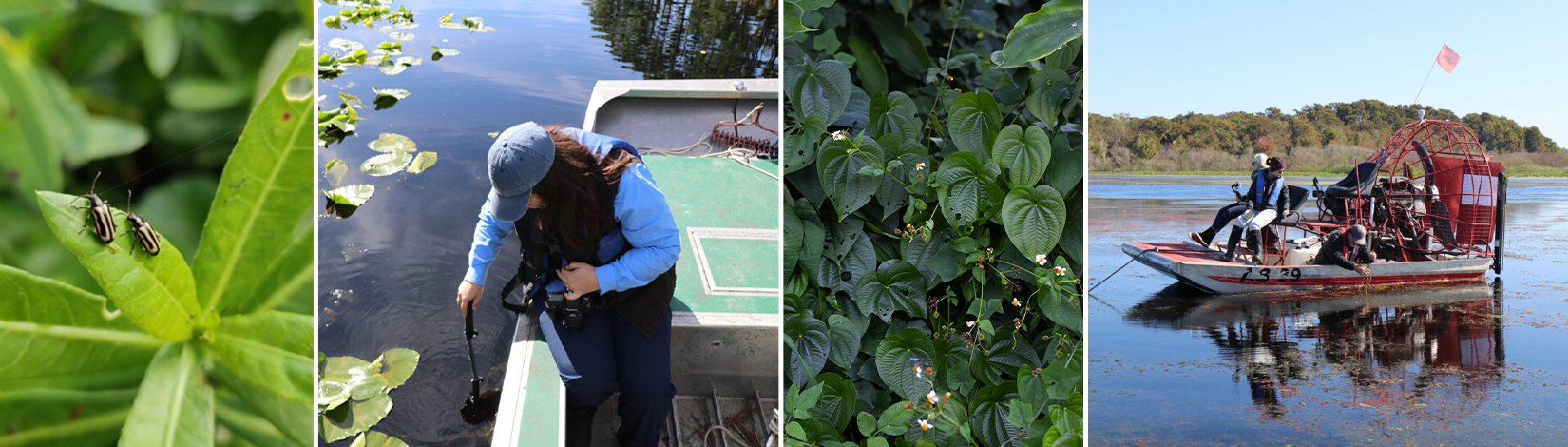
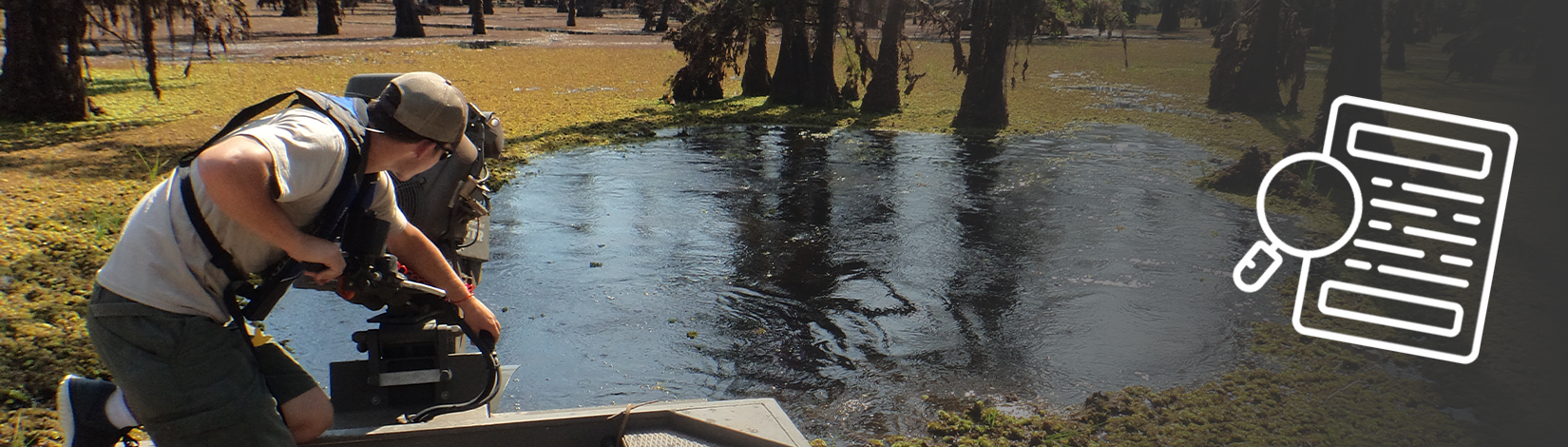
Four images side by side. From left to right: two alligator weed beetles, a woman collecting data on a boat, air potato vine, and an air boat.

Not So Scary Biological Control Agents


March 24, 2026

While you may find some of these creatures spooky, biological control agents are not so scary after all. Biological control agents include insects, fish, or pathogens that target a specific invasive plant and increase the competitive advantage ... READ MORE

Category: Work & Life
Tags: Air Potato, Alligatorweed, Aquatic Plants, Archive, Biological Control, Brazilian Peppertree, CAIP, Halloween, Hydrilla, Melaleuca, Turing Science Into Solutions, Ufifascaip, Water Hyacinth
Out of the Weeds: Regulatory Nonnative and Invasive Plant Lists


August 29, 2024

This blog was written by Anelise Bullard, UF/IFAS CAIP communications intern. Nonnative and invasive plant lists help communicate species that are harmful to agriculture, natural resources, and/or ecosystems. Species are listed in order to ... READ MORE

Category: Conservation, Florida-Friendly Landscaping, Forests, Home Landscapes, Invasive Species, Natural Resources, UF/IFAS, UF/IFAS Extension
Tags: Aquatic Plants, Invasive Plant Management, Invasive Plants, Turning Science Into Solutions, UF/IFAS CAIP, UF/IFAS Extension, Ufifascaip
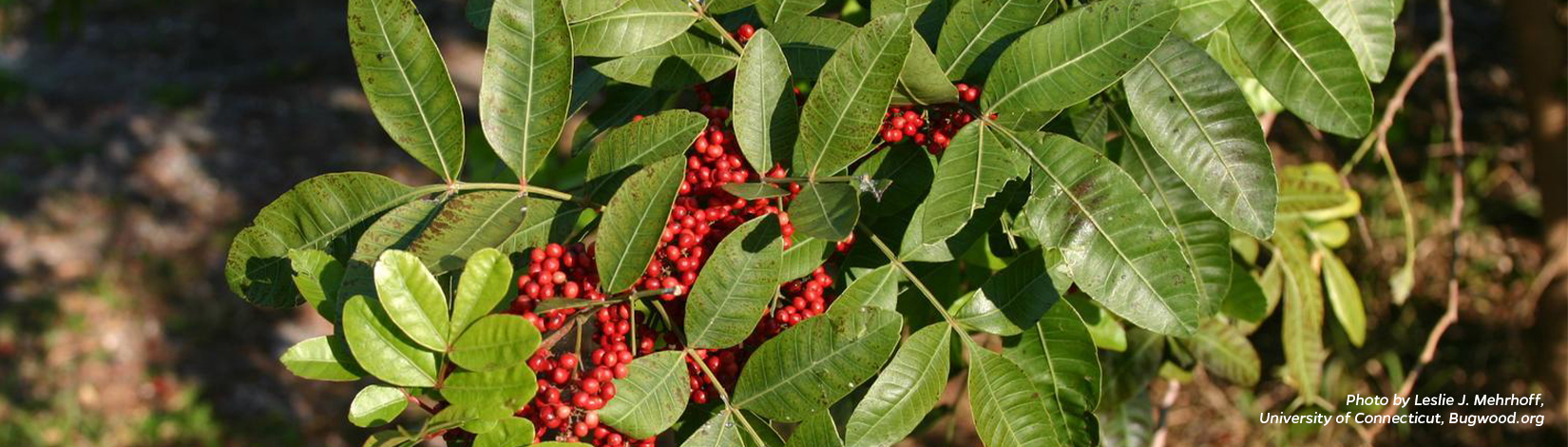
A Brazilian peppertree branch

How Long Until a New Species Becomes Invasive? Let’s Talk About The Lag Phase!


August 11, 2022

In 1898, Brazilian peppertree or Christmas berry (Schinus terebinthifolia) was imported to Florida from South America and sold as an ornamental plant for yards and landscapes. Its glossy leaves and bright red berries made it a gardening hit, ... READ MORE

Category: Florida-Friendly Landscaping, Home Landscapes, Invasive Species, Lawn, Natural Resources, UF/IFAS, Work & Life
Tags: Invasive, Invasive Plant Management, Invasive Plants, Invasive Species, Invasive Species Management, Invasive Species Research, Nonnative, Nonnative Plants, Nonnative Species, UF/IFAS CAIP, Ufifascaip
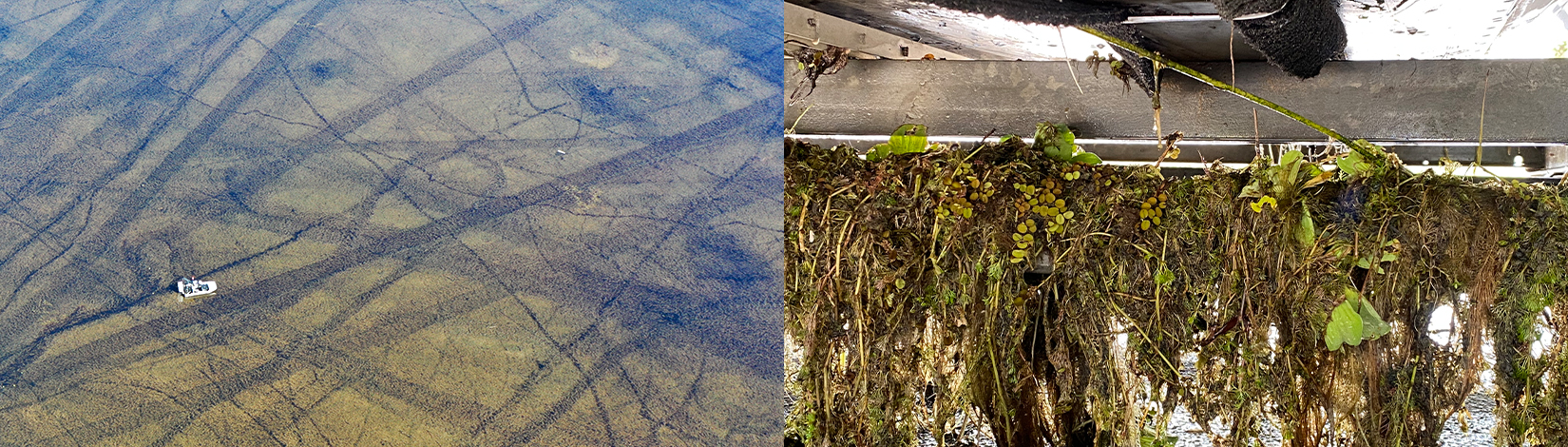
A aerial photo of a boat in a lake, surrounded by hydrilla.

Stop Those Plants! How You Can Prevent the Spread of Invasive, Aquatic Plants


July 26, 2022

Aquatic Plants and How They Spread Two things are a given in Florida: hot, humid weather and lots of boat traffic. Have you ever looked over the side of a boat and seen a thick, dark green mat of plant material underwater the water or touching ... READ MORE

Category: Conservation, Invasive Species, Natural Resources, Recreation, UF/IFAS, UF/IFAS Extension, UF/IFAS Research, Water, Work & Life
Tags: Aquatic Hitchhikers, Aquatic Invasive Plants, Aquatic Plant Management, Aquatic Plants, Center For Aquatic And Invasive Plants, Ufifascaip
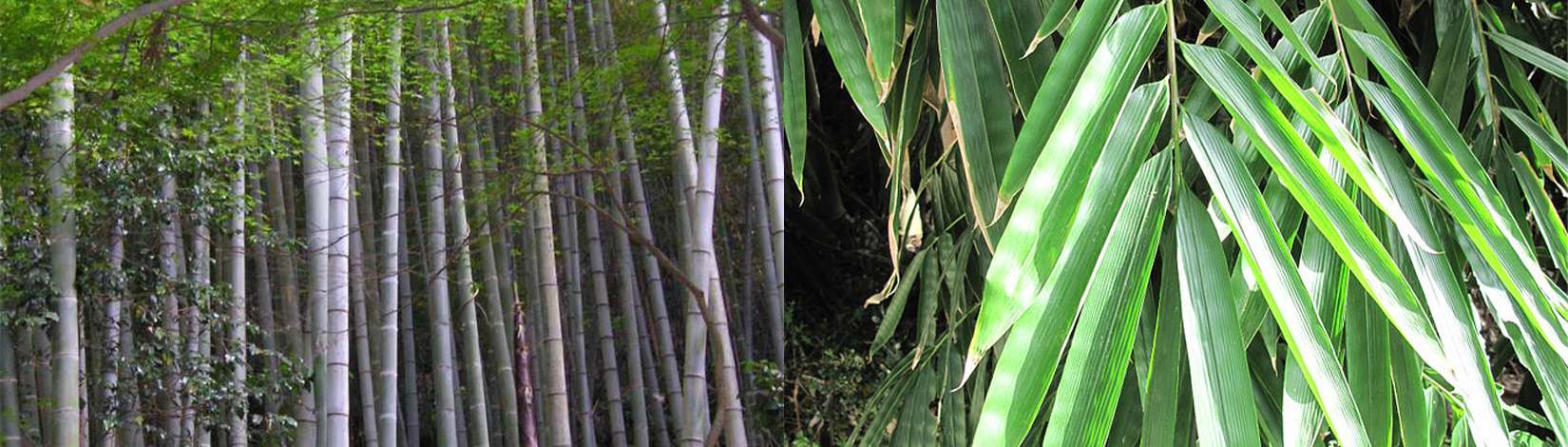
Bamboo trees and leaves

Considering bamboo? Know the risks before you plant


June 8, 2022

By Deah Lieurance, UF/IFAS CAIP affiliate faculty member Recently, interest has resurfaced in the possibility of growing bamboo in Florida as a biomass crop. Bamboo has been called “green gold” and “the world’s most amazing plant,” ... READ MORE

Category: Agribusiness, Agriculture, Crops, Farm Management, Invasive Species, Natural Resources, UF/IFAS, UF/IFAS Extension, UF/IFAS Research
Tags: Bamboo, CAIP, UF/IFAS CAIP, Ufifascaip
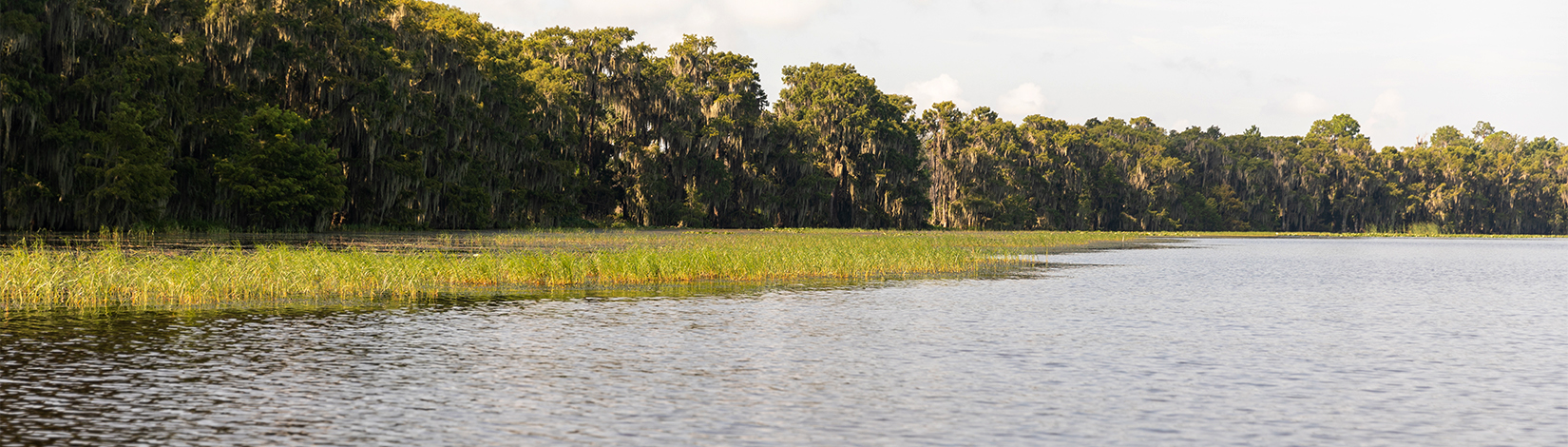
A lake fringe with emergent plants in the water

Aquatic Plant Management from a Fisherman’s Perspective


May 27, 2022

Scientists come from all different backgrounds, often inspired by their personal interests or passions. I am fortunate to be one of those scientists. I research aquatic plant management, which is directly related to my favorite hobby, fishing. I ... READ MORE

Category: Invasive Species, Natural Resources, Recreation, UF/IFAS, UF/IFAS Research, Water, Wildlife
Tags: Aquatic Invasive Plants, CAIP, Center For Aquatic And Invasive Plants, Fishing, Florida Invasives, Invasive Plant Control, Invasive Plant Management, Invasive Plant Research, Invasive Plants, Invasive Species, Invasive Species Research, Lake, Nonnative Plants, Nonnative Species, Plant Management, UF/IFAS CAIP, Ufifascaip

Subscribe For More Great Content

IFAS Blogs Categories