Today’s youth are spending less and less time outdoors connecting with nature. Why does this matter? For both nature lovers and those who may be a little hesitant when it comes to spending time outdoors, there are a variety of mental, physical, and emotional health benefits to spending time in nature! For youth, these benefits support healthy growth and development too. Keep reading to learn about current challenges that our youth are facing, and how time in nature can help.
What is the problem?
Increased Screen and Sedentary Time

Daily screen time for youth between the ages of 8-18 years is averaged at 7.5 hours per day (Foehr et al., 2010). Time spent on screens goes up as youth get older, with teens spending up to 9 hours per day on screens (AACAP, 2023). 47.5% of youth ages 2-5 years spend more than 2 hours per weekday in front of screens, despite American Academy of Child and Adolescent Psychology recommendations that youth at this age spend only 1 hr./weekday on non-educational screen time (AACAP, 2025).
While there has not been enough research to make clear, widespread screentime recommendations across a variety of age groups, some of the impacts of excessive screen time have been studied. Some of these impacts may include the following (AACAP, 2025).
- Sleep disruption
- Reduced physical activity
- Reduced academic performance
- Mood issues
- Exposure to media content that may negatively impact youth mental and emotional wellbeing

Additionally, evidence shows that young children learn better off screens (Pappas, 2022). One study showed that in babies and children up to 3 years, increased screen time is associated with reduced performance on behavioral, cognitive and social development screening tests (Pappas, 2022). Not all screen time is equal, and content matters. For older youth, moderate screentime can contribute to education and social connection.
Physical activity is critical for overall health and reducing risk for chronic disease. As only 28 percent of all youth meet the recommended 60 minutes of daily physical activity (Physical Activity Alliance, 2024), the increase in sedentary time encouraged by excessive screentime can have further health implications.
Youth Mental Health

In addition to the impacts of increased time spent on screens, one in seven youth ages 3-17 are experiencing mental, emotional, developmental, or behavioral conditions (CDC, 2025). The most common are anxiety, behavioral concerns, and depression (CDC, 2025).
Adolescents and young adults are feeling the weight of the world with 40% of high school students reporting persistent feelings of sadness and hopelessness, and young adults around the world sharing that anxiety about environmental crises negatively impacts their daily life (Hickman et al., 2021). It is clear that youth need additional support and positive, healthy tools to cope with stress.
How Can Nature Help?

There is good news- connecting with nature can help! Connecting with nature is not a replacement for treatment and increased access to vital social and mental health services.
However, connecting with nature can offer youth an opportunity for mental restoration, encourages healthy growth and development, and supports positive connections with peers. Here are a variety of benefits youth may experience from connecting with nature.
- Increased physical activity. Youth who spend more time outdoors report higher levels of physical activity (Schaefer et al., 2014). Physical activity is linked to improved cognitive function, better cardiovascular and bone health, healthy weight, and reduced risk for depression, obesity, type 2 diabetes, and high blood pressure (CDC, 2024).
 Healthy development. The natural world provides optimal conditions for youth to challenge themselves physically, develop motor skills, and collaborate with their peers (Himschoot et al., 2020). Additionally, research shows that children who spend more time outdoors have a lower risk of developing myopia (nearsightedness) later in life (Lingham et al., 2021).
- Attention restoration. Natural environments positively engage the senses, offering exposure to healthy, restorative stimuli that calms the nervous system (Himschoot et al., 2020). Children with ADHD have shown improved concentration after a 20-minute walk in a city park (Faber Taylor et al., 2009).
- Stress reduction and emotional regulation. Spending 20-30 minutes in nature has been shown to reduce salivary levels of the stress hormone cortisol (Hunter et al., 2019). In a recent University of Michigan study, 88% of youth surveyed reported wanting to spend more time outside in nature. Benefits identified by youth included feeling calmer and reducing stress and anxiety as reasons why (Zamora et al., 2021). Spending time in nature can act as a protective factor and positive coping mechanism to help youth manage challenging life events and stress.
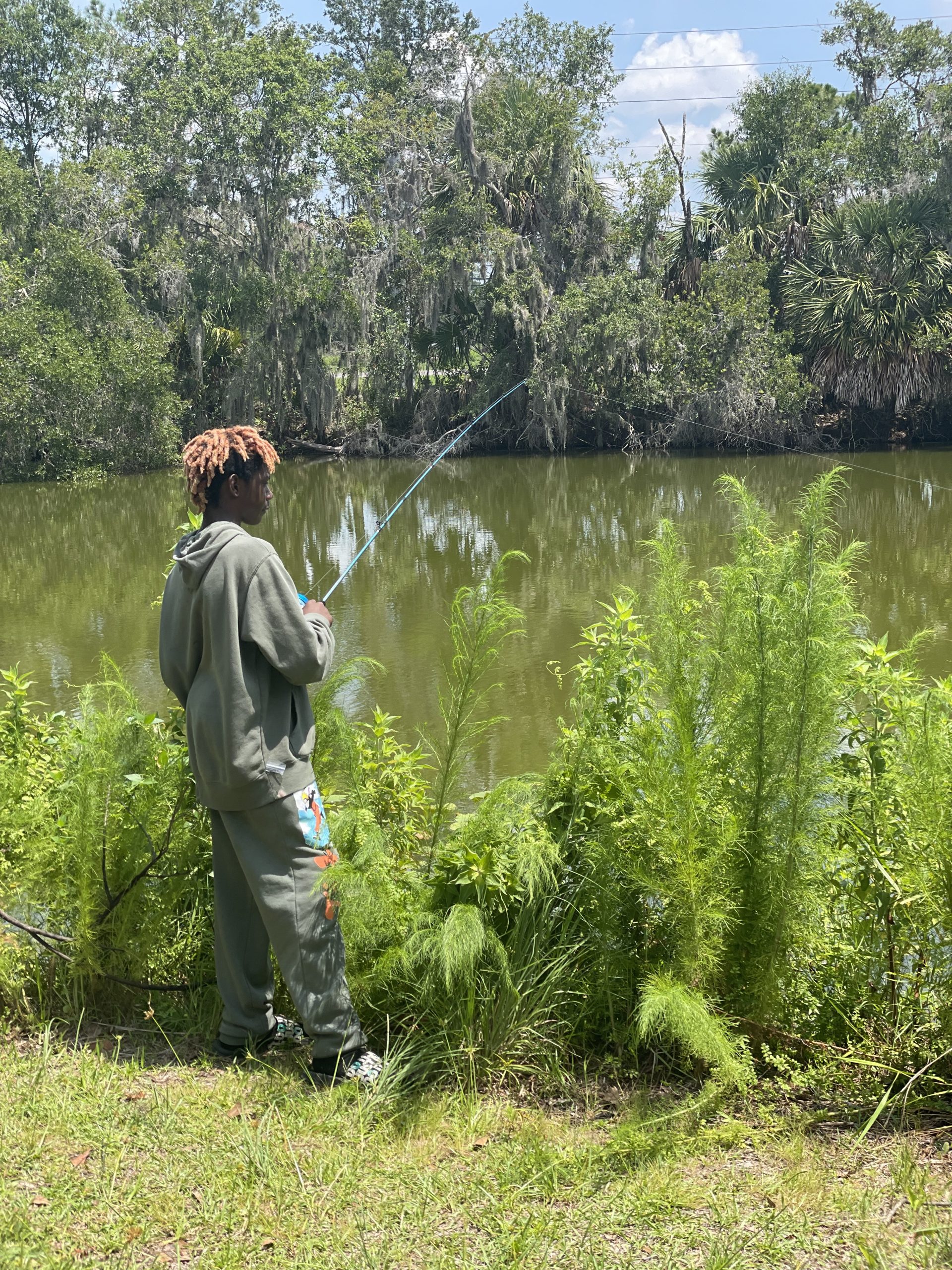
When You Can’t Go Outside
Nature can be found everywhere, from large national and state parks to backyards and street trees. If spending time outdoors is not accessible to you for any reason, you can still incorporate nature into youth’s lives indoors. Try the following tips.
- Include house plants to bring the benefits of viewing greenery and improving air quality indoors.
- Set up windowsill or balcony container gardens. These allow youth to gain gardening skills and get hands-on with nature from home.
- Incorporate landscape images into your home and in children’s rooms.
- Play soothing nature soundtracks for a calming, mindful moment.
- Choose nature for screen time. During screen time, incorporate educational content that teaches children about the natural world.
Get Started!
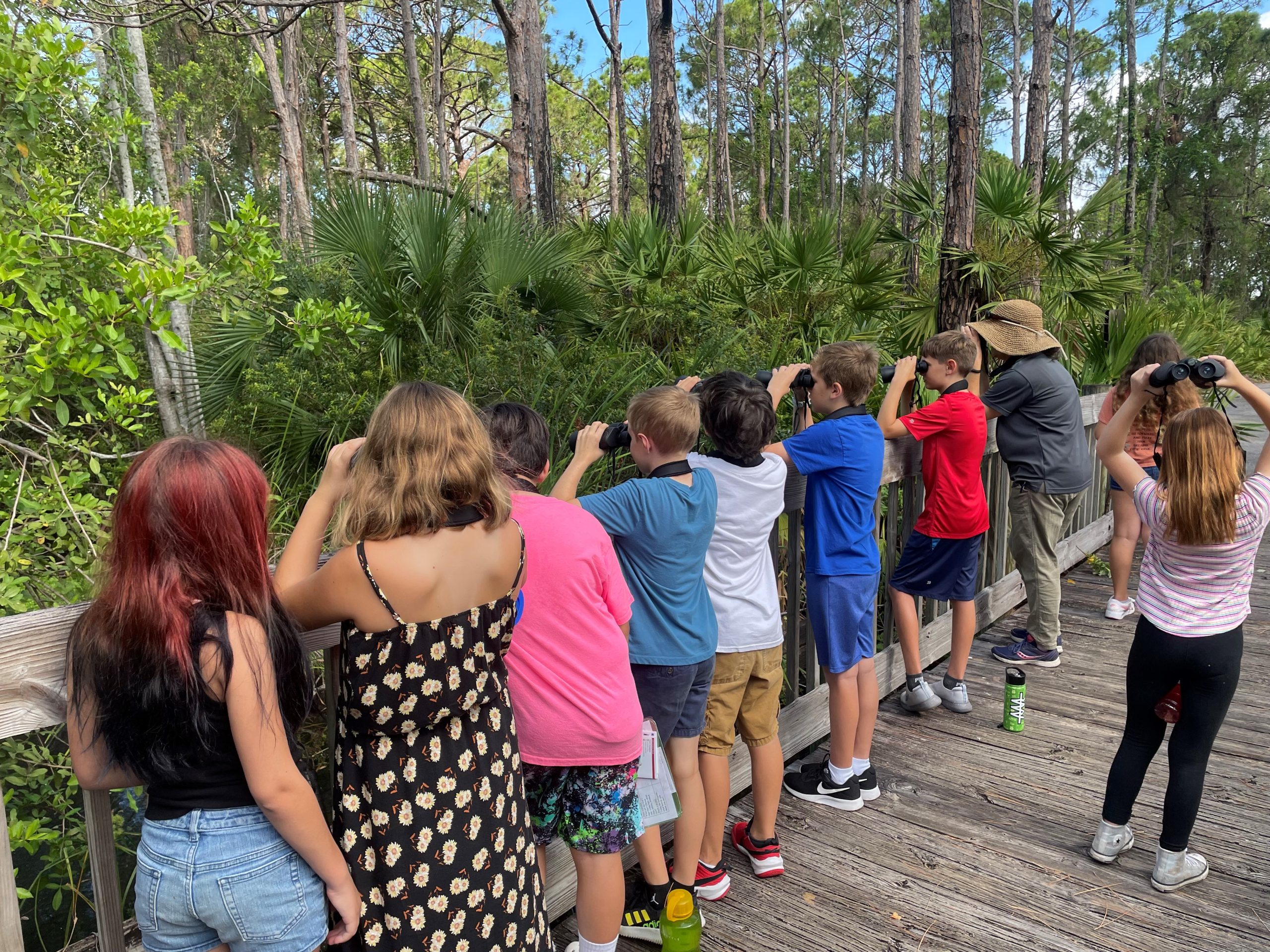 Now that you know just how beneficial spending time in nature is for youth, you may have a couple questions. How much time in nature is enough? What should children do while outside to receive these benefits? Where can my family spend time in nature here in Sarasota County?
To start, try incorporating neighborhood walks or walks at a local park into your family’s routine. Nature-focused arts and crafts, landscape photography, drawing, and painting, and nature journaling are excellent ways to invite youth of all ages to connect with nature creatively. Birdwatching and wildlife tracking can inspire young minds to learn more about the interconnected web of life around them. Free, imaginative, child-led play is an important part of healthy youth development. Create space and time for youth to have free play in nature with their peers.
Want to Learn More?
Read other blogs in the Nature and Health series.
Check out our Nature and Health webpage that provides even more tips and resources!
Learn more about youth and family-oriented opportunities offered by UF/IFAS Extension Sarasota County.
Sources
For a full list of references, visit: https://sfyl.ifas.ufl.edu/sarasota/natural-resources/ecology-and-natural-resources/links-resources-and-citations/.
 0
0