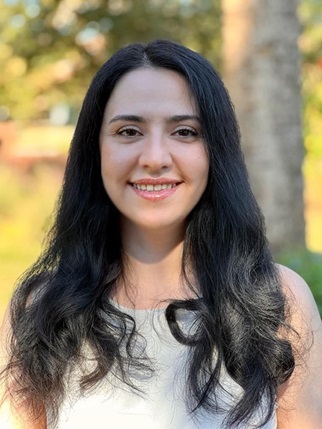
 We are pleased to share another installment of our FSHN Research Journeys series, which follows the research of graduate students in the Food Science and Human Nutrition program at The University of Florida! Today’s guest is Rose Omidvar, a food science PhD candidate exploring the potentials of cell-based seafood. In the first year of her program, Rose studied the process of growing fish filets from fish muscle cells and surveyed consumer acceptability of cell-based seafood. Her project has since adapted to the evolving needs of stakeholders.
In this Research Journeys update, she discusses the changes to her research project, the challenges she encountered while conducting her research, the next steps in her studies, and the top three things she wishes she knew going into her graduate program.
When we last heard from you, you were studying the potential for developing cell-based seafood and the process for this development. What did you discover over the past few years?
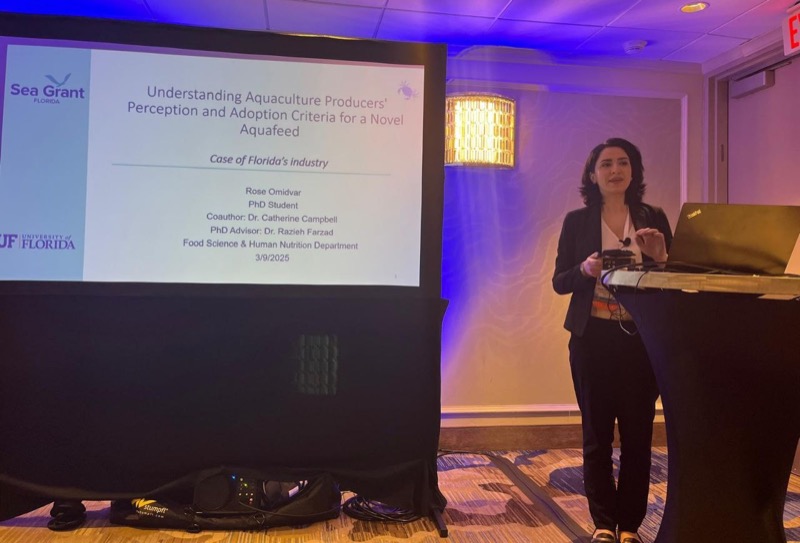
When I began my PhD, the field of cell-based seafood was still at a very early stage. While research on cell-based meat and poultry was becoming more common, there was little available literature on cell-based fish. I realized, alongside the scientific questions, important conversations were happening about how these products might be understood and received by society. That curiosity pushed me to ask bigger questions: How do people perceive this technology? What knowledge gaps exist? And what role can education and outreach play in shaping its future?
Cell-based technology is often described as a solution to global food security, but its success will depend on more than technological progress alone. Social and economic factors are just as critical. With this in mind, together with my advisor, Dr. Razieh Farzad, we developed two studies.
The first examined the knowledge and perspectives of Extension professionals, who serve as a bridge between academic research and the aquaculture industry. The second study focused on aquaculture producers themselves, assessing their perceptions, potential concerns, and the barriers that may limit adoption. Both studies are now under review, and I hope the results will soon provide valuable insights for researchers, educators, and industry stakeholders interested in the future of cell-based seafood.
How has your research project changed from your first semester?
As the research progressed, the direction of my project shifted. I initially focused on developing cell-based fish fillets, but later the emphasis moved toward cell-based fishmeal. The science behind the two is similar, but instead of scaffolding proliferated cells into fillets, the cells are blended with other ingredients to create fishmeal. This transition also aligned with new support from the U.S. Department of Commerce’s National Sea Grant Program, which funds the fishmeal project.
This shift allowed my survey studies to connect directly to the next stages of research, creating a more complete assessment of cell-based products: how they are perceived by the aquaculture community, how they affect fish growth and health, and whether they provide a sustainable alternative to conventional fishmeal. Aquaculture farmers are central to seafood production, so understanding their willingness to adopt such a product became a key focus.
What are the next steps with your research?
Another strand of my research involves conducting a Life Cycle Assessment. Beyond technical feasibility, it is essential to understand how cell-based fishmeal compares to conventional alternatives in terms of sustainability. This part of the project evaluates environmental performance and resource use, providing insights into whether cell-based fishmeal can be a practical and sustainable option for aquaculture.
Going forward, my plan is to integrate these findings with the social and nutritional studies already underway, creating a more comprehensive picture of the role cell-based fishmeal could play in the future of seafood production.

How do you relax and recharge while working on your research project?
Outside of research, I recharge by staying active. Running, swimming, and skating give me the energy to return to my work with focus. I also enjoy spending quality time with my family and friends.
What are the top three things you wish you knew going into your graduate program?
Because I had already been to graduate school before, the process itself was familiar, so there weren’t many surprises going in. However, along the way, I’ve learned some important lessons about balance, discipline, and management. One of the most important lessons is the value of maintaining health. At times, I neglected my well-being, and I quickly saw the negative consequences. Prioritizing healthier habits and emphasizing proper nutrition and exercise has helped me perform better academically while maintaining balance.
I have also learned the importance of organization. Research generates large amounts of data and documents, and without a clear system, information can be lost or hard to access. Having structured naming systems and organized folders has saved me considerable time. Finally, planning ahead has been really important. Graduate programs have detailed handbooks that outline timelines and course offerings, and I came to appreciate how critical it is to study them carefully. Some courses are offered only once every two years, so if you miss them once, you may not be able to take them later.
Is there anything else you would like to add?
Looking back, this PhD has been so much more than an academic pursuit. The support I have received from my advisor, committee members, and department has made a significant difference, and I am grateful for their guidance. While I am still completing this journey, I already know this experience will stay with me forever. UF/FSHN graduate program has already provided lasting professional and personal lessons that extend far beyond the research itself and memories I will always carry.


Looking for more posts exploring graduate research projects in the Food Science and Human Nutrition Department at the University of Florida?
Revisit Rose’s first year in the food science PhD program studying cell-based seafood here. She is pursuing her PhD under the mentorship of Dr. Razieh Farzad.
Dive into the Research Journeys of other graduate students below.
M.S. Food Science
M.S. Nutritional Sciences
Ph.D. Food Science
Ph.D. Nutritional Sciences
 2
2