In zone 9, native plant material is one of the most impactful choices one can make for the environment. Native plants are adapted to our climate and soils,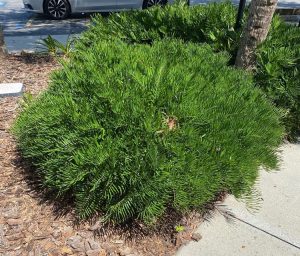 making them more resilient, water-efficient, and less dependent on fertilizers or pesticides. Not only do they reduce maintenance but also support healthy ecosystems.
Natives are critical for wildlife, especially pollinators. Bees, Butterflies, hummingbirds and other beneficial insects rely on native species for nectar, pollen and habitats. For example, milkweed is essential for monarch butterflies and native asters provide late-season food for bees.
By planting natives like blanket flower (Gaillardia pulchella), beautyberry (Callicarpa americana), or coontie (Zamia integrifolia), gardeners create a living corridor for wildlife, helping to restore biodiversity that’s been lost to development and or invasive species.
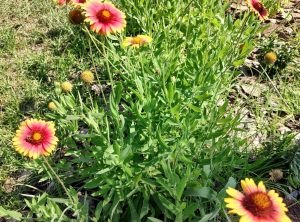 Choosing native plants means creating landscapes that are not only beautiful but also functional and life sustaining. Whether you’re gardening in your backyard, schoolyard, or a park, implementing natives in Zone 9 is a powerful way to make a difference.
* April has been designated as National Native Plant Month through a bipartisan Senate Resolution 157 that was passed on April 5, 2025.
 1
1