Have you ever wanted to experience one of our Sarasota County parks after dark? Consider attending one of our upcoming Nature at Night programs, part of the ex•plore series. What can you expect to see and do at Nature at Night? Keep reading to find out!
Critter Encounters
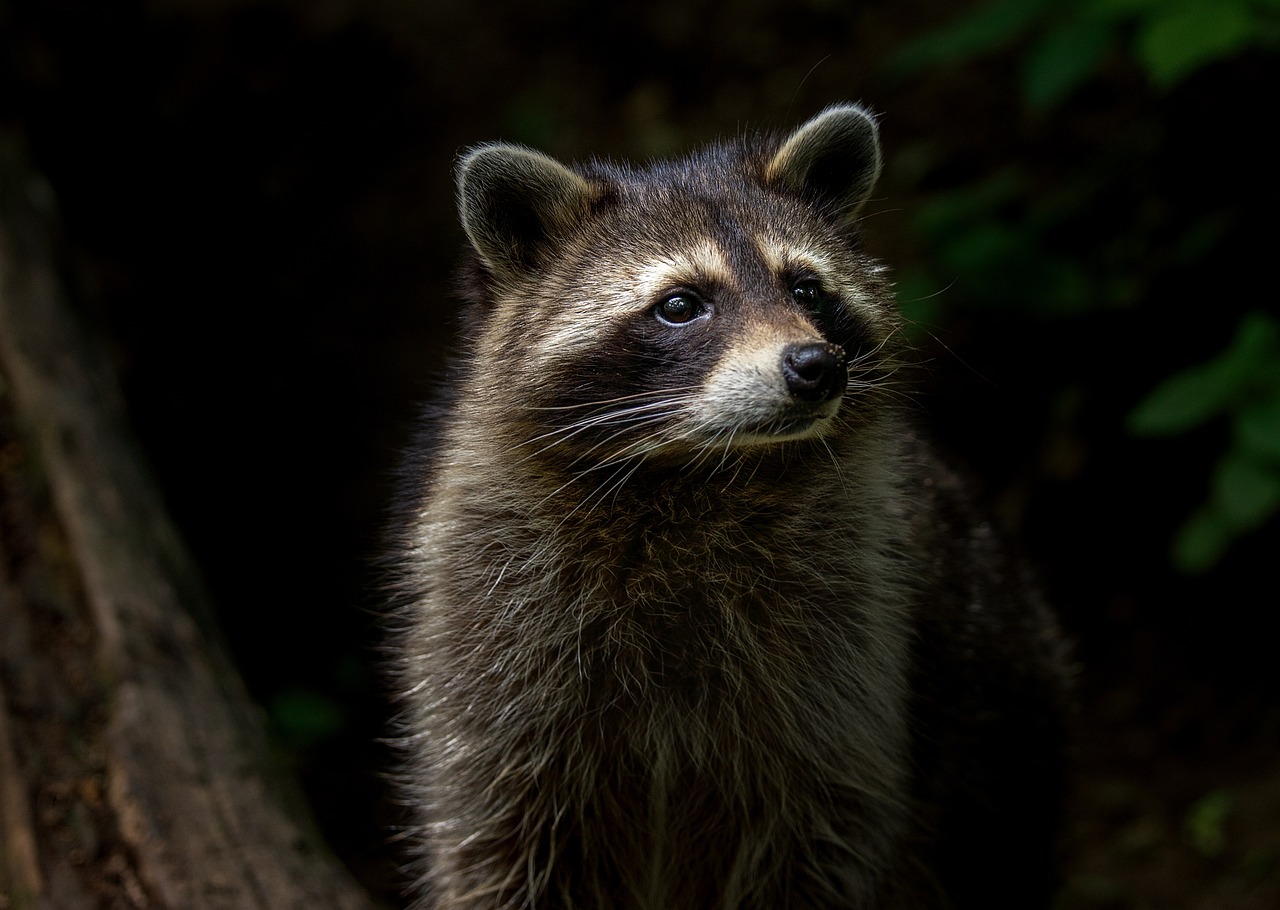
To reduce competition for space and resources, and to avoid the hottest parts of the day, some wildlife species have turned to nocturnality. A variety of nocturnal and crepuscular wildlife, or wildlife that are most active around dawn and dusk, can be found in Sarasota’s wild places! From animal sounds and tracks, to encounters with our local ‘night owls’, join us for Nature at Night to get a glimpse of what the night-life is like here in Sarasota.
As we walk along the trails, we’ll engage a variety of our senses to tune into the often over-looked hustle and bustle of the forest at night.
Sight

Look out for scat and tracks, which tell complex stories of which animals have been in the area, and what they’ve had for dinner! Mammals like coyotes, bobcats, and raccoons love to leave clues behind. Learn how human eyes adapt to darkness, and what kind of lighting is best for wildlife at night.
With our red lights in tow, we’ll check high and low in hopes of spotting fascinating reptiles, and secretive mammals. We may even see one of Florida’s 13 native species of insect-eating bats!
Eyeshine
If we are lucky, we may catch the flash of glowing red eyes in the dark! While this may sound like the stuff of nightmares, the glow emitted from the eyes of some wildlife is an explainable phenomenon called eyeshine. Eyeshine occurs when light reflects off of a special membrane in the eyes of a variety of animals called the tapetum lucidum. This membrane helps improve vision in low-light conditions. Learn what color eyeshine to expect from different animals, and more fascinating facts about the eyes of both humans and animals!
Sound
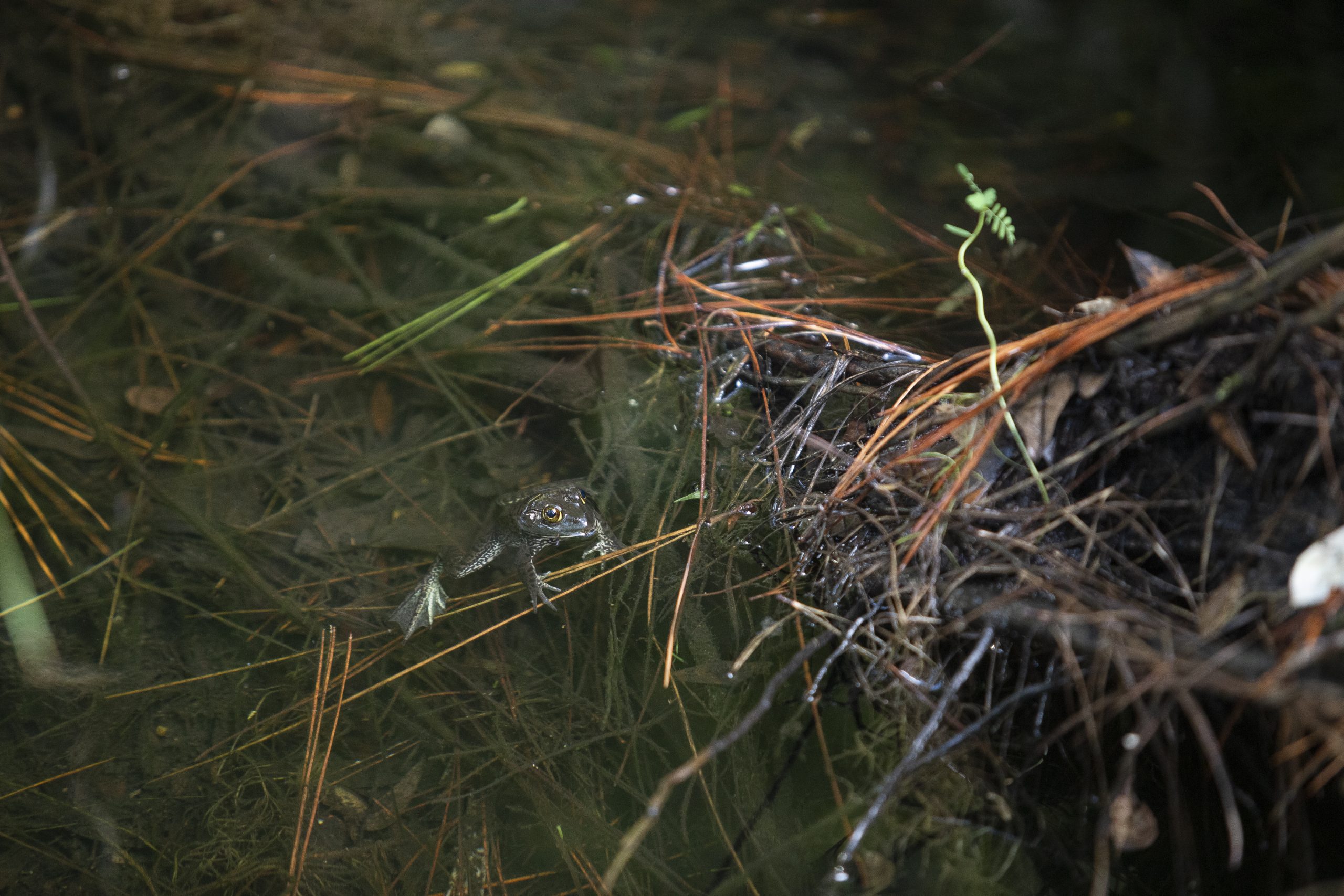
Listen up! Spring and summer night hikes are the perfect time to catch nature’s symphony. With warm rains, singing frogs and bellowing gators fill the air with their calls, hoping to draw in a mate.
At Nature at Night, you’ll also learn how to distinguish between the hoots of our 5 resident owl species, and listen for the calls of other night time avian vocalists, like the unique Chuck-Will’s-Widow.
Bugs
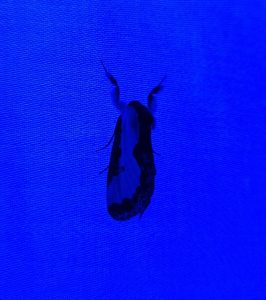
Our Sarasota County parks and natural areas are teeming with arthropod activity after dark. From giant silk moths to green lacewings, there is buggy beauty to behold at every shape and size.
Each Nature at Night program includes an opportunity to observe a variety of insects and other bugs on a light sheet at the end of the walk. Light sheets attract a variety of moths, beetles, lacewings, and flies. Learn about these local species and the pivotal role they each play in the ecosystem.
You’ll also learn more about the deadliest bug on earth…mosquitoes! You will learn about mosquito biology, life cycle, and preferred habitat, as well as their associated disease risk and tips for environmentally-friendly management.
Fluorescence
There’s more than meets the eye when it comes to the color of nature. Under the glow of UV light, you may find eye-catching shades of orange, pink, green, blue, and more. This phenomenon is known as fluorescence and is due to a reaction between the UV and material it touches. These light waves “excite” molecules and cause them to temporarily emit vibrant colors. Many minerals, plants, lichen, mushrooms, invertebrates, and more are known for exhibiting fluorescence under UV light. Learn more about this interesting natural phenomenon in the video below! Then, you can see it with us in person at our Nature at Night programs.
Star-gazing
Away from street lights and homes, there is quite a lot of celestial activity to see out at our local parks and natural areas. Download a night sky or stargazing application on your phone to learn about the constellations and planets visible from your location. Join us at our Nature at Night programs to seek out the stars and learn about some of their stories.
Why turn off your lights for nature?
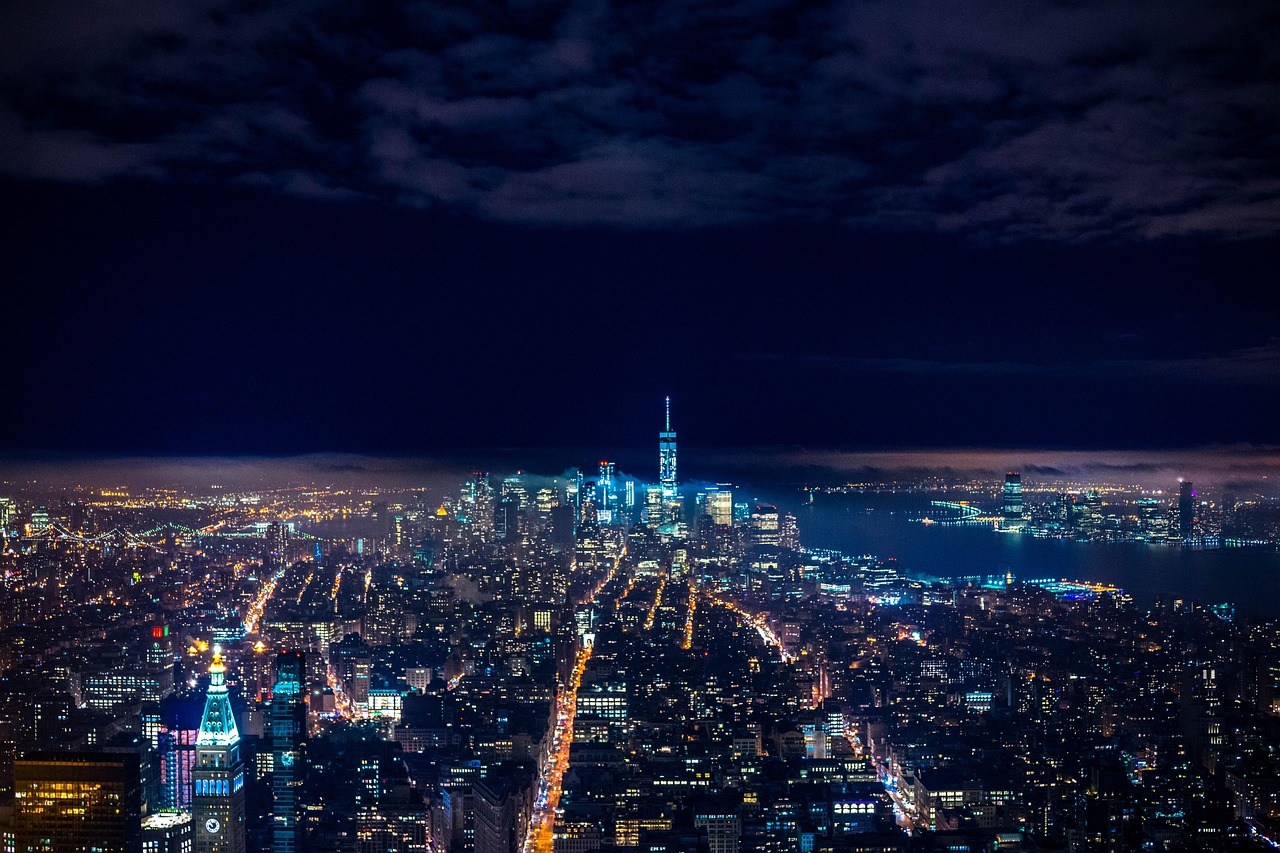
Have you ever experienced the shock of having someone turn the lights on in the early morning to wake you from your sleep? How about the temporarily blinding flash of a light shone directly in your eyes? What an unpleasant and disorienting experience!
Artificial lights at night disrupt not only the behavior and movement of wildlife. They can also disrupt important physiological processes, like sleep cycles and hormone production. And guess what- this can be true for humans too!
From fireflies that cease putting on their romantic light show to sea turtles led astray, light pollution impacts wildlife both large and small.
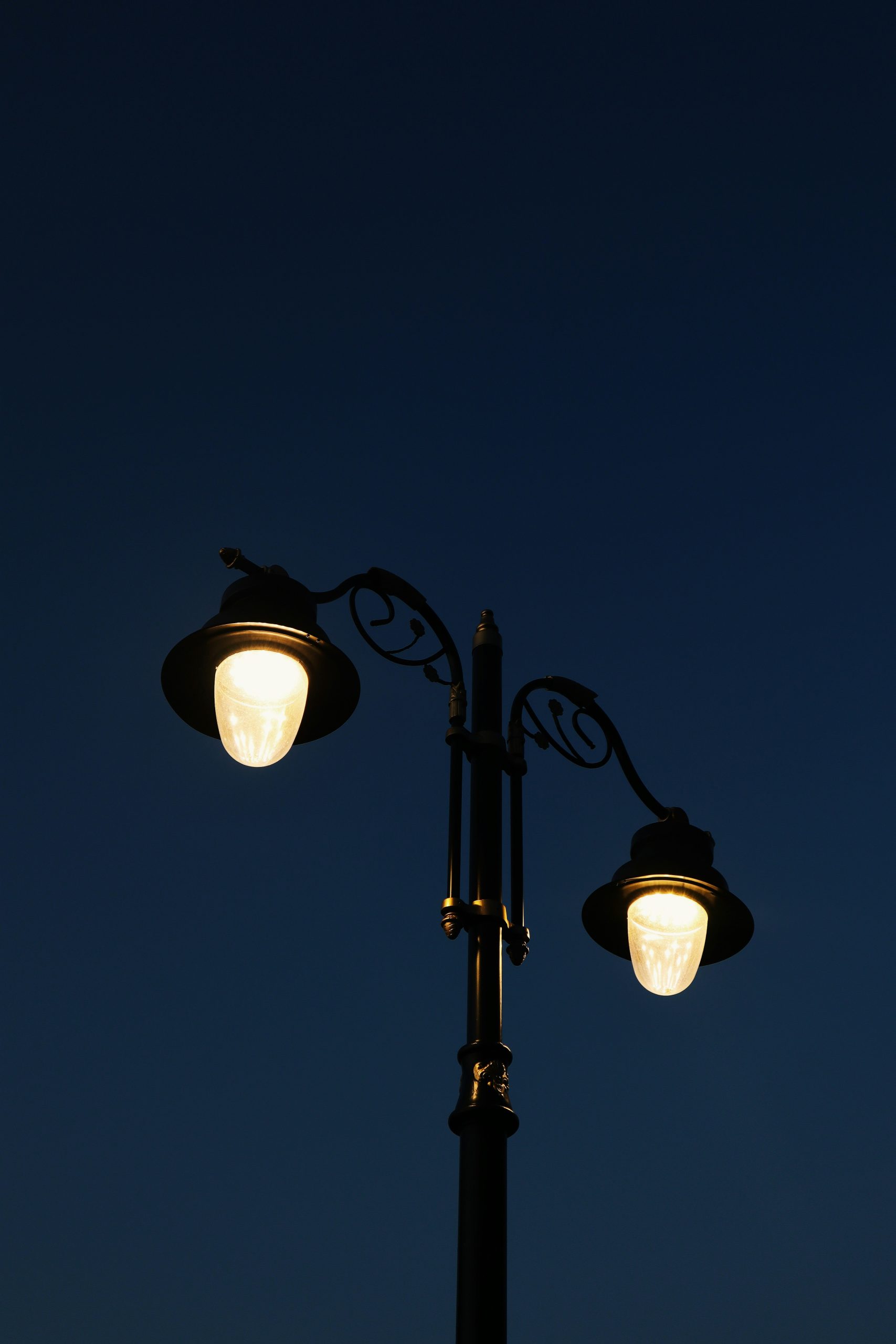
Light pollution also has an interesting unintended effect- altering the balance between predators and their prey. External lights around homes and businesses serve to illuminate the surrounding area. In doing so, prey animals become more visible to their predators, where the cover of darkness once provided protection.
So, What Can You Do?
Turn your lights off for nature! Turning off lights that you are not using indoors and keeping your curtains closed at night can help cut down on the glow cast by residential and urban areas. Whenever possible, opt not to utilize outdoor lighting, or utilize motion-activated lighting if necessary. When it comes to wildlife-friendly lighting, keep it “low, long, and shielded”. Stick to outdoor lighting that is mounted low to the ground, uses amber, red, or orange long wavelength light sources, and shields bulbs so that they are not exposed. Learn more about wildlife safe lighting here.
Resources
- FWC – Wildlife Lighting
- UF/IFAS – Light Pollution Affects Wildlife
- Thomas Earth Systems Institute – Tell Me About: Light Pollution
- UF/IFAS Extension Sarasota County – Shining a Spotlight on Exterior Lighting
- DarkSky International
- Upcoming events and classes
 5
5