“Nature-Deficit Disorder” Prompts Greater Focus on Getting Children Outside
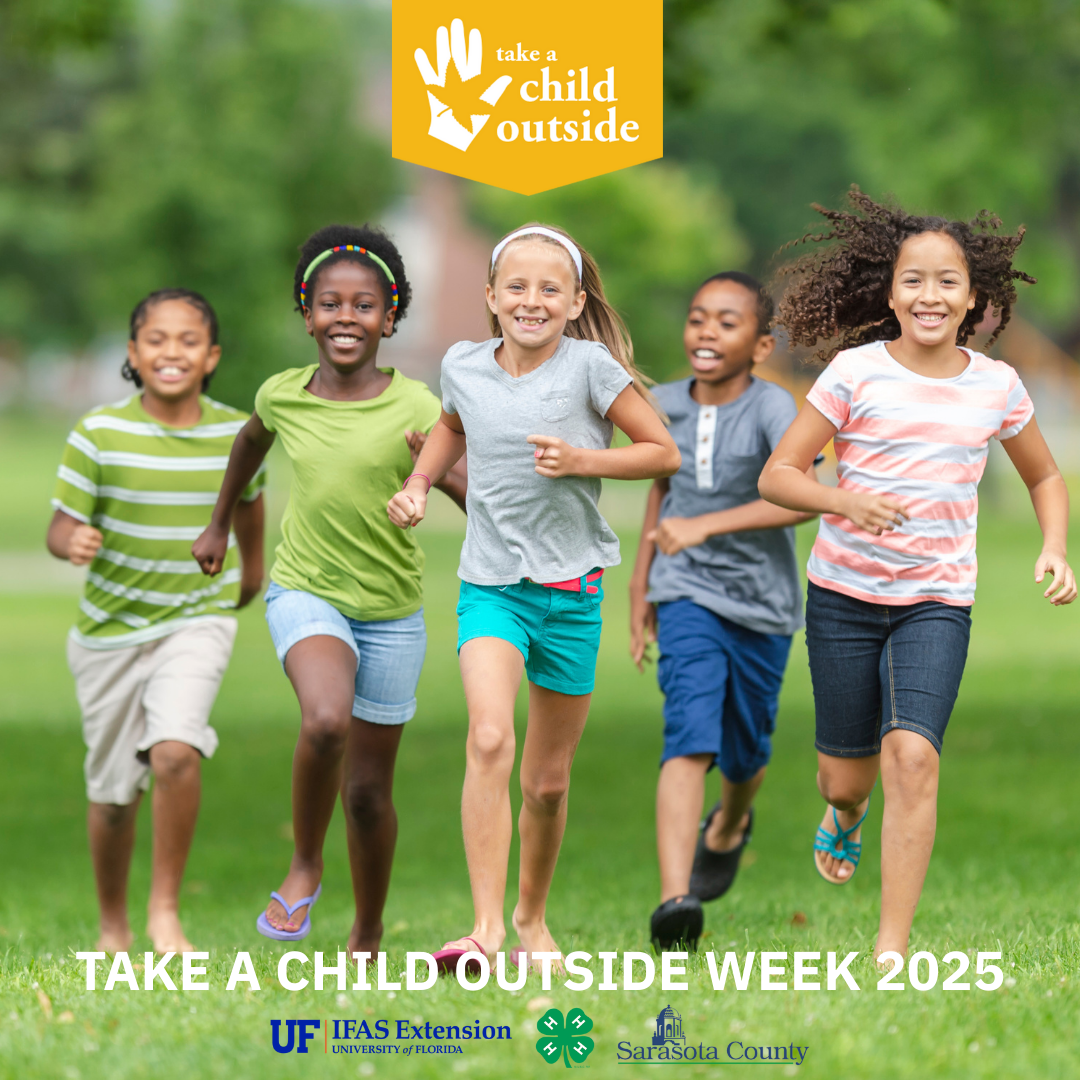 “Take a Child Outside Week” occurs annually from September 24th – 30th, initiated by the North Carolina Museum of Natural Sciences as an effort to raise awareness about the importance of children spending time outside, and to provide opportunities for families to connect with nature. It was inspired by author Richard Louv’s book “Last Child in the Woods” and its focus on what he termed a “nature-deficit disorder” in many children today. A study done in the UK has shown that children are spending only half as much time in nature than children did two decades ago (National Trust). Although, according to a recent survey from the University of Michigan, nearly 88% of youth reported wanting to spend more time outside in nature, sharing that it helped them feel calm, less anxious, and more physically active (Zamora et al., 2021).
With only an estimated 25% of the Earth still considered wilderness (WWF Living Planet Report 2020) and 83% of Americans living in urban areas (UN Population Division World Urbanization Prospects, 2018), it can seem challenging to find the time, space, and resources to get out into natural landscapes. But nature and its benefits can be found everywhere- from your backyard and beyond!
Combat Increased Screen Time and Decreased Physical Activity with Time Outdoors
 In our digital age, daily screen time for youth between the ages of 8-18 years averages about 7.5 hours per day (Foehr, et al., 2010). Excessive screen time can lead to reduced physical activity, sleep disruption, and mood issues (AACAP, 2023). Research has also shown that time outdoors leads to increased physical activity and better cardiovascular health (Gray et. al, 2015).
And what’s more, after just a 20-minute walk in the park, children with ADHD have experienced improved concentration (Faber et al., 2009). In one study, after a 4-day hiking trip, students had a 50% increase in creativity measured via standardized psychological tests, in comparison to a control group (Fredericks, 2022). Natural environments positively engage the senses, offering exposure to healthy, restorative stimuli that calm the nervous system (Himschoot et al., 2020).
Developing Future Leaders and Environmental Stewards
 Multiple studies show youth engagement in wilderness activities improves self-confidence, leadership skills, problem-solving abilities, and communication skills (Kochanowski and Carr, 2014; Cooley, 2014). Positive coping skills, resiliency in uncertain situations, and the outlet nature provides for stress management are important skills for success in our world!
It’s not just about teaching children the facts. According to Otto and Pensini (2017), what really creates a future environmental steward is an emotional connection and a positive experience with nature, which supports incorporating the aspects of free play and having a fun experience into your family outdoor outings or your environmental education programs.
Sarasota County Provides Opportunities to Get Outdoors and Connect with Nature
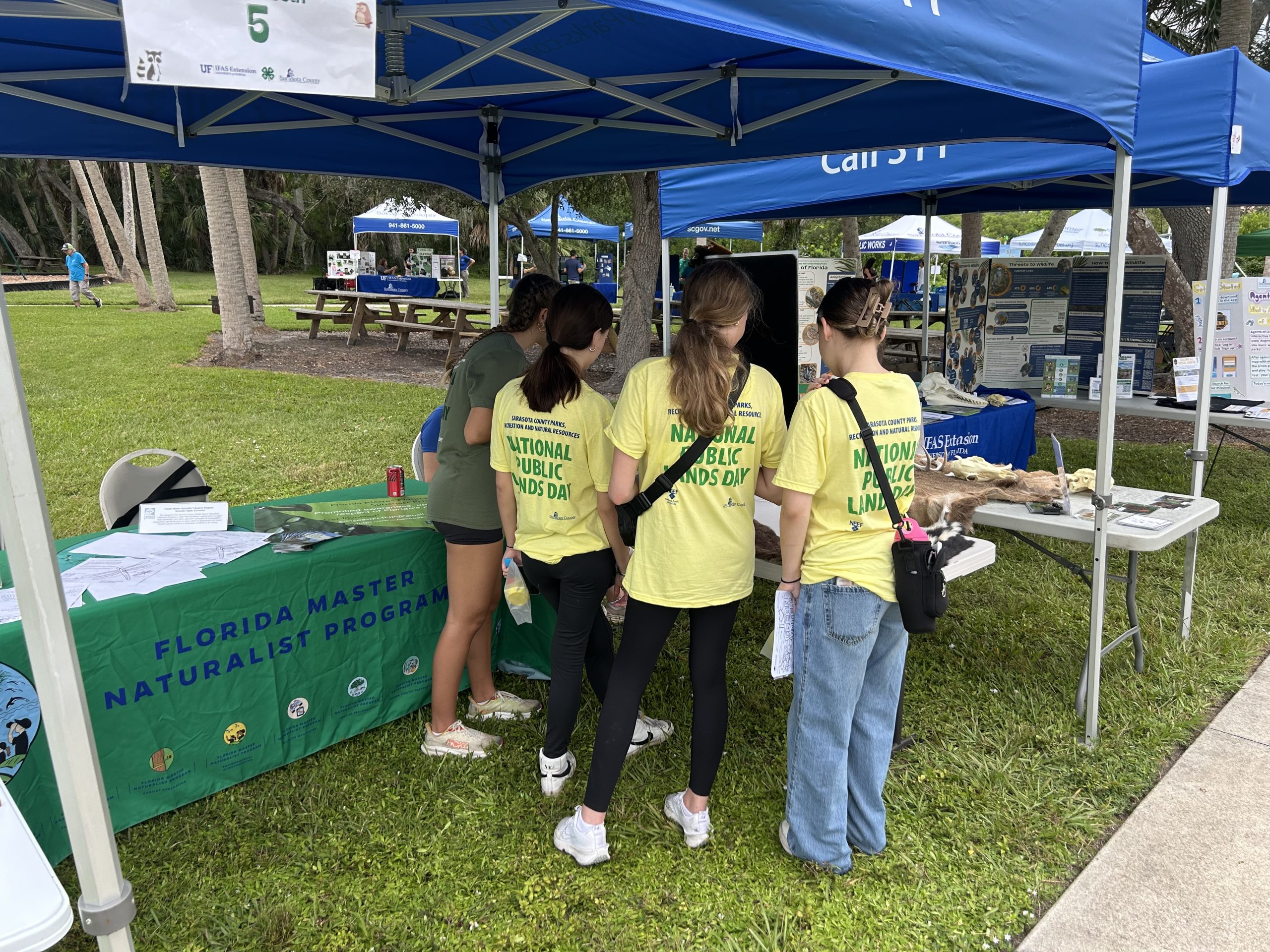
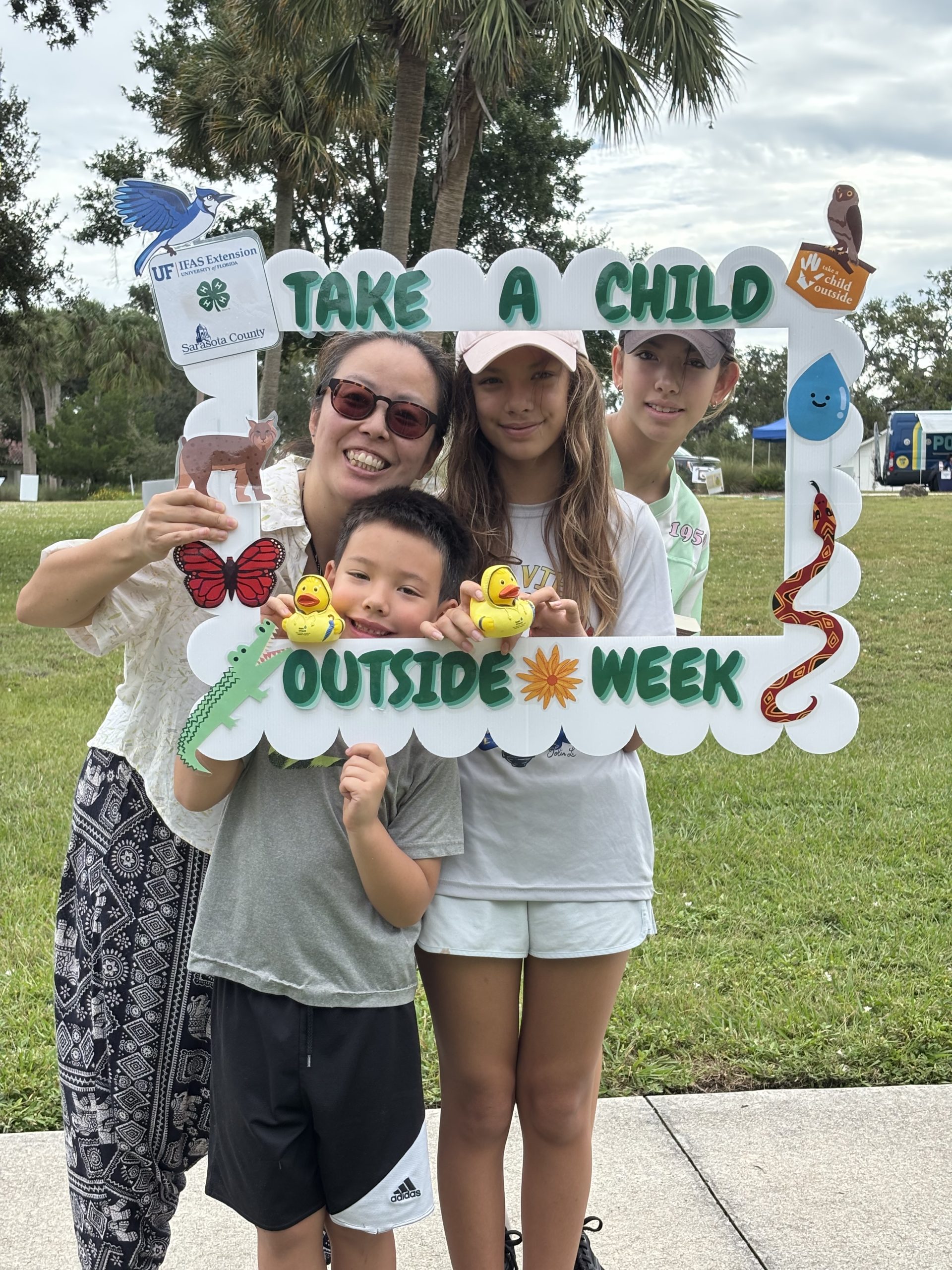 Sarasota County Extension has always offered a variety of educational programming for youth and families, but in 2023 we offered the first Nature Exploration Station event to promote Take A Child Outside week. Storms cancelled the event in 2024, but in 2025 we were excited to collaborate with Sarasota County’s Parks, Recreation, and Natural Resources’ National Public Lands Day, the nation’s largest single-day volunteer effort.
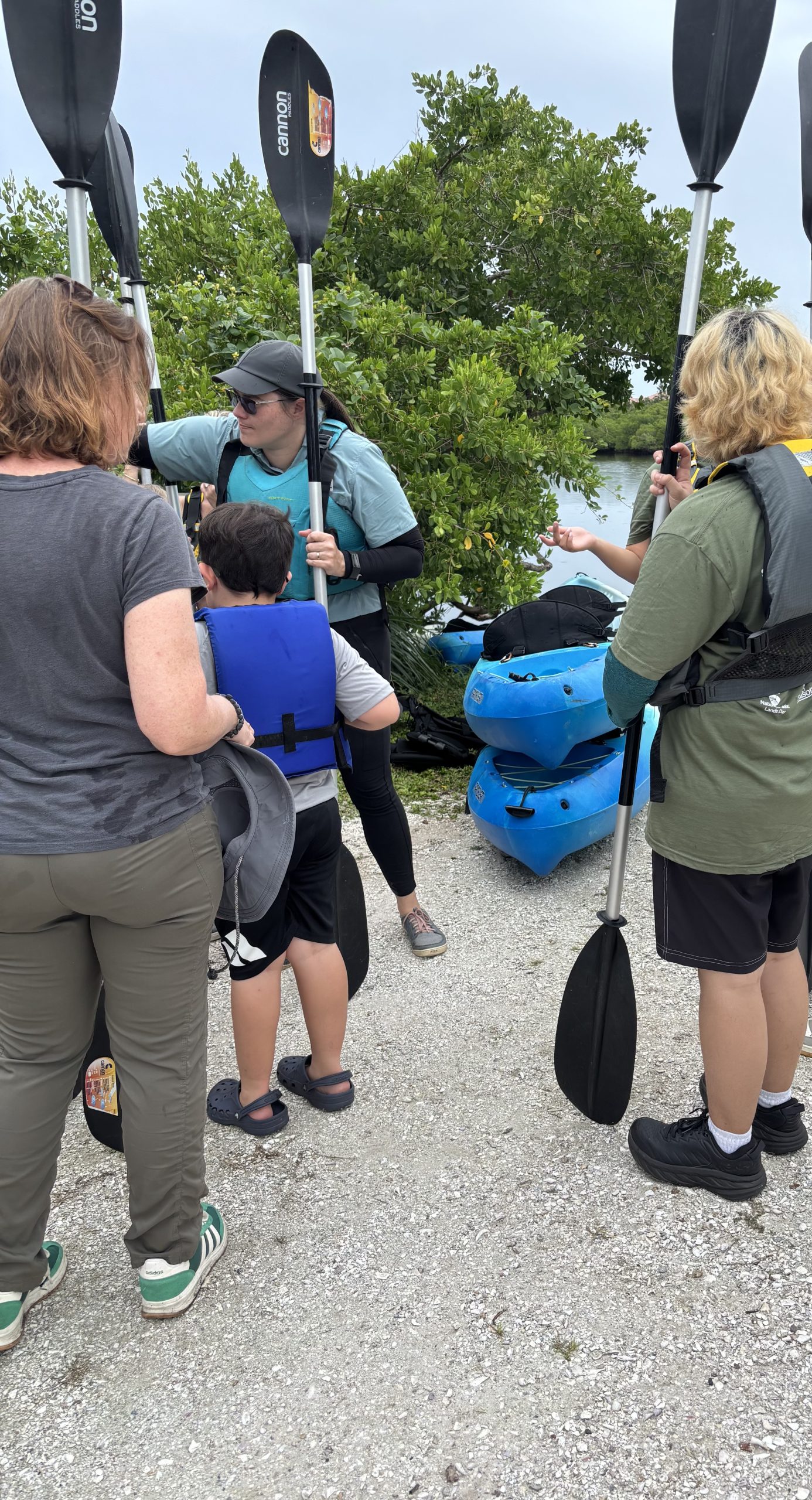 Held at Phillippi Estate Park, this year’s free, family-friendly festival featured 14 Nature Exploration Stations where youth and families could learn about our fascinating natural world, and how to help protect it. Excited participants shared that “every station had something cool to do!”.
A highlight of the event, free family kayaking sessions were offered in partnership with Big Waters Land Trust, allowing first-time kayakers and seasoned paddlers alike to get out on the water as a family.
Every station had something cool to do!
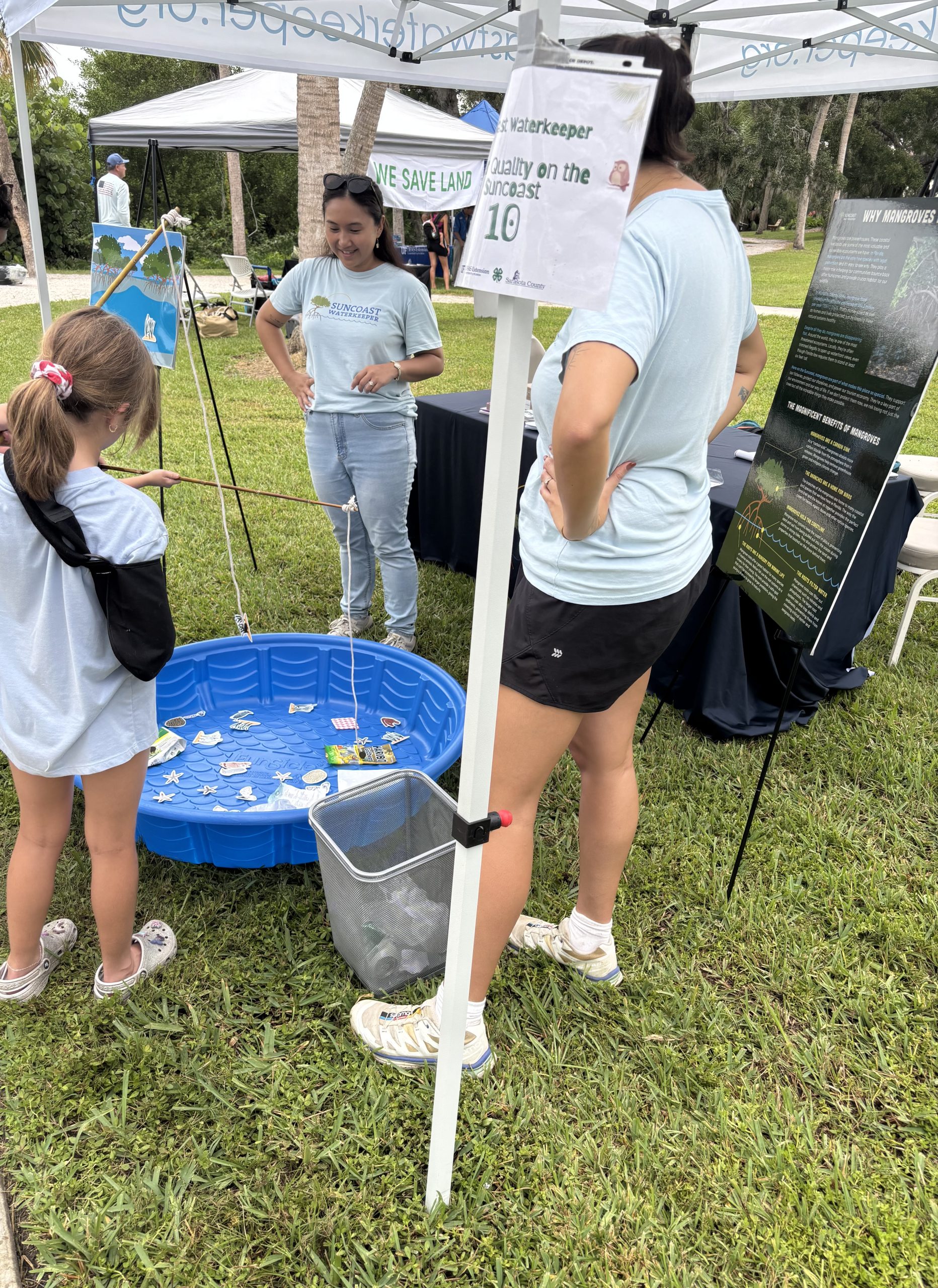
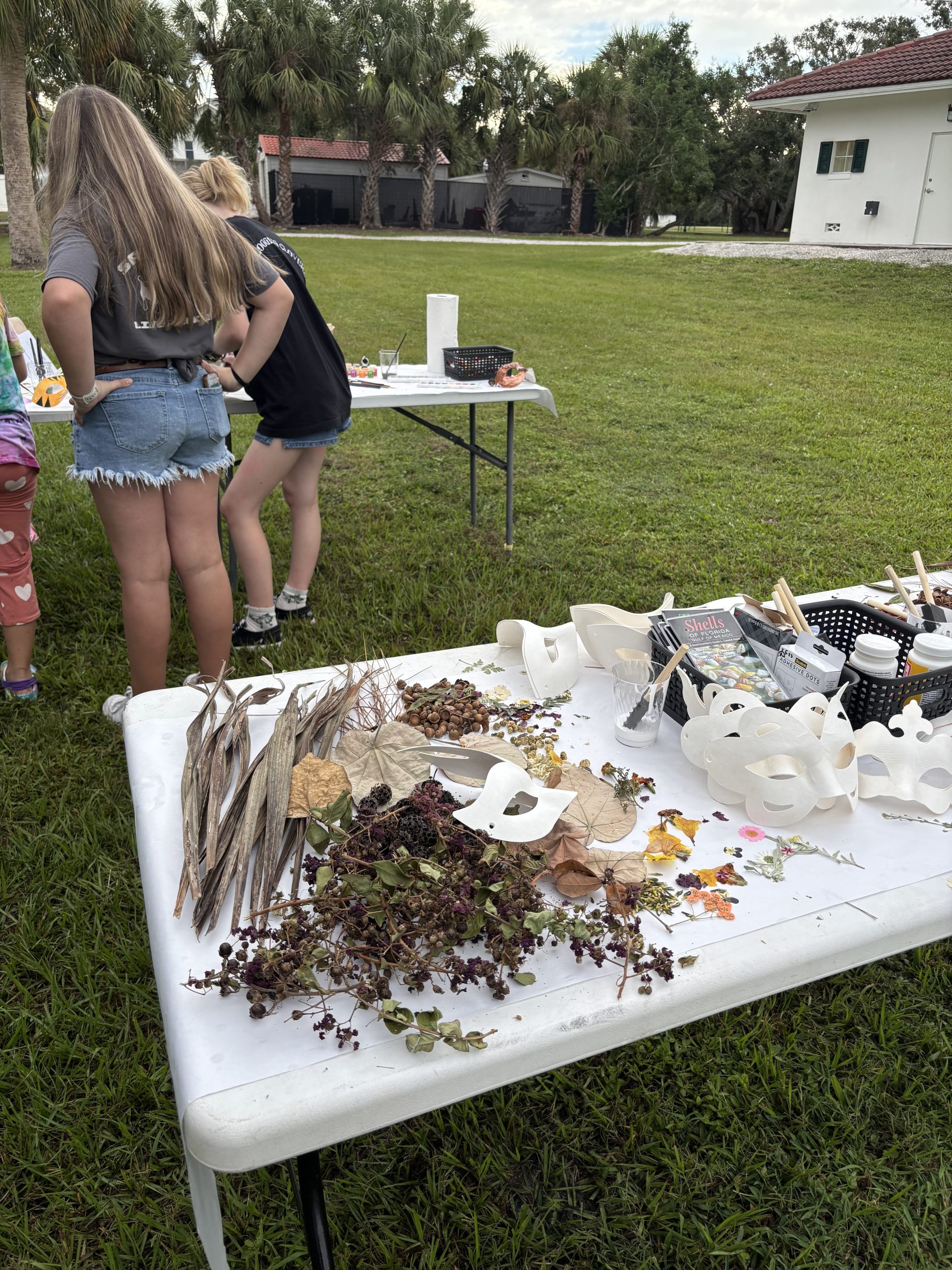 Each station offered unique and engaging activities, from mask making with foraged materials to story trails, fishing practice, guess the scat, wildlife identification, scavenger hunts, and more! Families who visited at least 8 stations at the event had the opportunity to enter a raffle to win a variety of prizes to inspire the whole family to get outdoors.
Nature Exploration Stations would not be possible without our volunteers and partners from a variety of Sarasota County departments, as well as other local governmental and non-profit environmental organizations. Check out our partner organizations and their important work in the list below!
2025 Nature Exploration Stations Event Partners
- Suncoast Waterkeepers
- Big Waters Land Trust
- USF Learning Lab
- Marie Selby Botanical Gardens
- Florida State Parks
- Sarasota County Libraries and Historical Resources
- Sarasota County Stormwater
- Sarasota County Mosquito Management
Want to Learn More?
Read other blogs in the Nature and Health series.
Check out our Nature and Health webpage that provides even more tips and resources!
Learn more about youth and family-oriented opportunities offered by UF/IFAS Extension Sarasota County.
 2
2