Florida is among the most highly regulated states when it comes to pesticide applications, offering 13 different types of pesticide licenses across more than 20 categories. This complex structure can make it challenging for applicators to determine which specific license is required for a given task. One such license is the Aquatic category, which can sometimes create confusion regarding who exactly needs to obtain it.
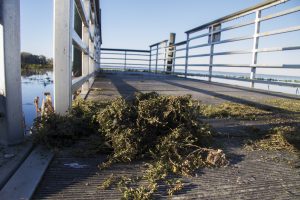
Who needs an Aquatic Pesticide License?
An Aquatic pesticide applicator applies treatments in water bodies, including standing or running water, as well as adjacent banks or shorelines. It may cover both commercial and public applications, depending on whether the applicator is a hired contractor or a government employee. Individuals conducting chlorine gas injections or performing treatments for public health purposes should consult the relevant licensing categories specific to those activities.
Integrated Pest Management of Aquatic Weeds.
The Integrated Pest Management (IPM) approach to aquatic weed control employs a combination of strategies, including herbicides, biological control, and physical removal in a coordinated manner to achieve long-term, effective reduction of invasive plant populations while supporting the growth of native vegetation. For aquatic environments, IPM emphasizes maintenance control, which involves the ongoing use of these methods to keep weed populations at the lowest practical level.
Aquatic weed control is essential for managing the growth of plant and algal species that may pose significant economic or environmental risks. Key issues addressed through effective control measures may include:
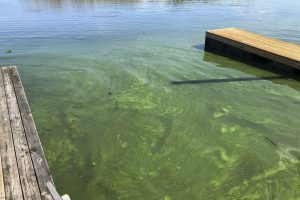
- Reduced dissolved oxygen (DO) levels caused by algal blooms, which can result in fish kills.
- Obstruction of waterways, such as canals, by invasive species like hydrilla, impeding water flow and navigation.
- Water toxicity due to harmful algal blooms, affecting aquatic life and water usage.
- Displacement of native aquatic vegetation by invasive plant species, leading to ecological imbalance.
- Decreased aesthetic value and impaired functionality of multi-purpose water bodies, including recreational, irrigation, and stormwater management uses.
By mitigating these issues, aquatic weed control supports ecological health, water quality, and the sustainable use of aquatic resources.
How can you obtain an Aquatic Pesticide License?
To obtain an Aquatic pesticide license, applicators must complete 2 exams with 70% or more: The General Standard CORE exam and their Aquatic category exam. Once the exams are completed, applicants must apply for the license through the Florida Department of Agriculture and Consumer Services (FDACS). Public applicators will have to pay a fee of $100, while commercial applicators will have to pay a fee of $250. To apply for their exams, applicants must obtain a voucher number and schedule their exams. For more information about this process, please watch the following videos:
For more information about all Florida Pesticide Licenses, access this “Ask IFAS” publication:
FINDING THE CORRECT PESTICIDE APPLICATOR LICENSE IN FLORIDA
Or visit the UF/IFAS Pesticide Information Office.
To find the study materials for the Aquatic License, visit UF/IFAS Bookstore:
University of Florida is an Equal Opportunity Institution
 0
0