Ruth Graves (later Ruth Wakefield) was born on June 17, 1903, in Massachusetts. She graduated in 1924 from Framingham Normal School (now Framingham State University), where she studied household arts. Later, she worked as a dietitian, lecturer, and chef.
In 1926, she married Kenneth Wakefield. Four years later, in 1930, the couple purchased a Cape Cod-style toll house built in 1709. Originally, the house provided shelter for weary travelers; tourists could pay their tolls, change horses, and eat a homecooked meal. Over 200 years later, the Wakefields decided to build upon that tradition, transforming the tourist lodge into the Toll House Inn. Despite the risky timing, at the height of the Great Depression, the business succeeded thanks largely to the inn’s menu and location. Ruth prepared homemade meals and baked goods for the inn’s guests; many of the items she created herself. People from all over the region would come to visit the Toll House Inn just to try some of Ruth’s impressive home cooking.
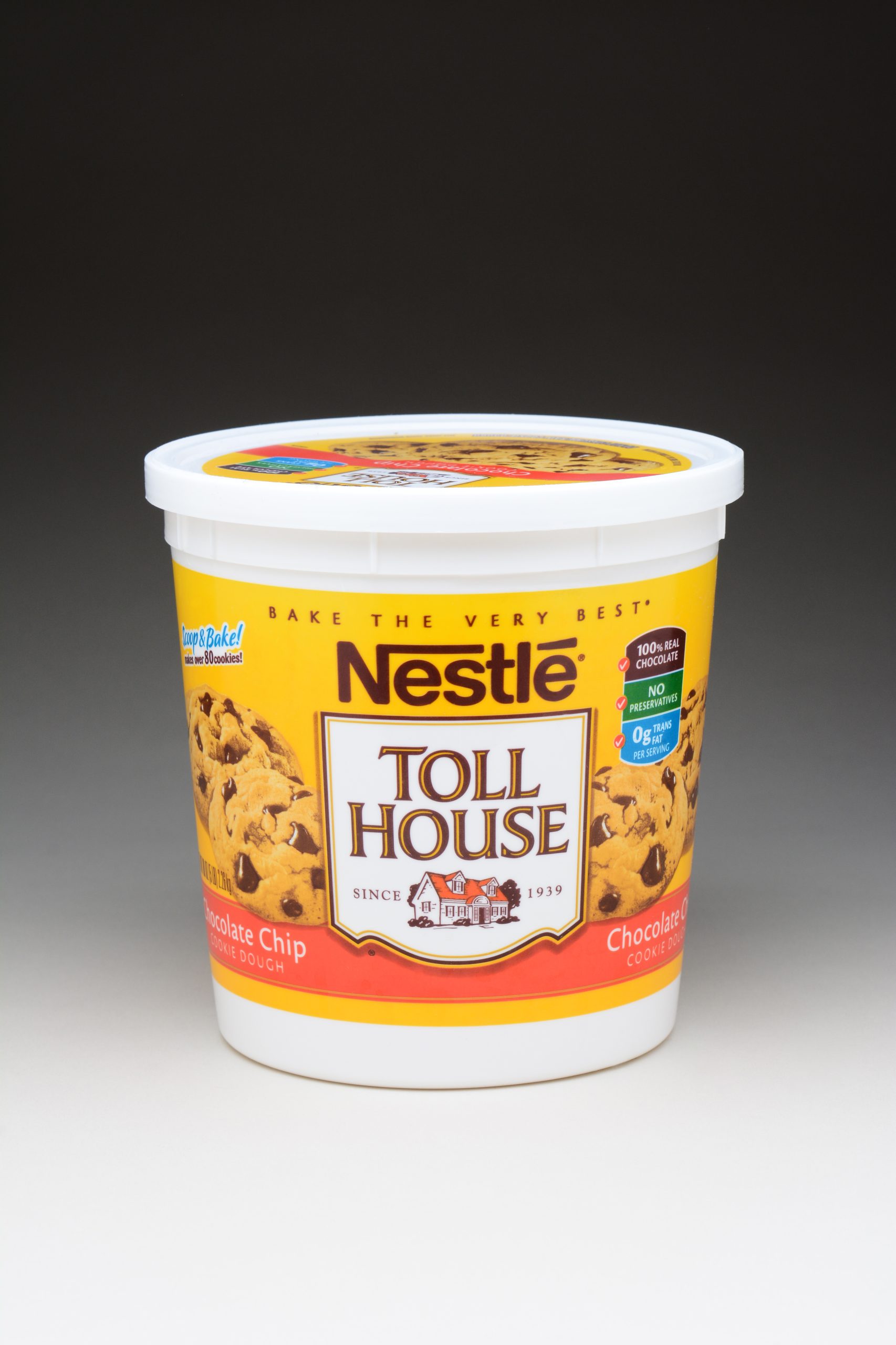
Nonetheless, there are several origin stories for the creation of Wakefield’s chocolate chip cookie. While preparing batter for her favorite Butter Drop Do cookies, some accounts say Ruth ran out of baker’s chocolate, cocoa, or nuts, so she chopped a Nestlé semisweet chocolate bar and stirred the pieces into the dough. Others say she spilled the chocolate into the finished dough. Nonetheless, the cookie was created intentionally, in the late 1930s, while she was travelling abroad. The Toll House Chocolate Crunch Cookies were a hit with guests at the Toll House Inn, and the recipe spread through Boston and New England newspapers. The publicity sent sales of Nestlé’s semisweet chocolate bars soaring, and the company approached Wakefield to make a deal. For one dollar and a lifetime supply of chocolate, she granted Nestlé the right to print the recipe on its packages. The original recipe instructed bakers to chop chocolate bars; however, in 1940, Nestlé began manufacturing chocolate morsels. These “chips” made creating the Nestlé Toll House Chocolate Crunch Cookies much easier. Notably, chocolate chips are often cited as the only highly successful food product created specifically for a single recipe.
Ruth Wakefield went on to publish “Toll House Tried and True Recipes,” a cookbook that ultimately went through 39 printings. The 1938 edition was the first to feature the chocolate chip cookie recipe. While Wakefield unquestionably popularized the cookie, her version may not have been America’s first. Many food historians suggest the chocolate chip cookie emerged organically from chocolate jumble drop cookies, which often called for up to two cups of shaved chocolate—a time-consuming step. In this telling, bakers took a pragmatic shortcut by chopping chocolate bars into small chips instead, and in that blend of laziness and ingenuity, the chocolate chip cookie was born.
Kenneth and Ruth Wakefield later sold the Toll House Inn in 1966; Ruth passed away almost a decade later in 1977, at age 73. In 1984, the Toll House Inn burned down due to a kitchen fire and was never rebuilt. Still, the memory of Ruth Wakefield lives on, printed on the back of every Nestlé Toll House chocolate morsel package.
Toll House Chocolate Crunch Cookies
Ingredients
- 1 cup butter
- ¾ cup brown sugar
- ¾ cup granulated sugar
- 2 eggs, beaten
- 1 tsp baking soda
- 1 tsp hot water
- 2¼ cups flour

Steve Cukrov // Adobe Stock - 1 tsp salt
- 1 cup chopped nuts
- 14 oz semi-sweet chocolate, cut into pea-sized pieces
- 1 tsp vanilla extract

Instructions
- Preheat the oven to 375 degrees.
- Cream the butter, brown sugar, and granulated sugar together until fluffy.
- Beat in the eggs. Add the vanilla extract.
- Dissolve the baking soda in the hot water (most likely unnecessary with modern baking soda). Alternatively, add baking soda to the sugar mixture along with the sifted flour and salt.
- Mix in the chopped nuts and chocolate.
- Drop the cookie dough by half-teaspoonfuls (or larger) onto a cookie sheet.
- Bake for about 8 – 12 minutes, until the edges of the cookies are browned and the centers are just set.
Food Safety and Cookies
When making cookies, avoid eating raw batter. Flour, despite its appearance, is a raw product that is not treated to kill pathogens. Furthermore, techniques such as grinding or bleaching do not eliminate bacteria, such as E. coli, that can contaminate flour. Raw eggs, which are also commonly used in cookie dough, can also carry pathogens like Salmonella; consequently, eating raw or improperly cooked eggs can also lead to foodborne illness.
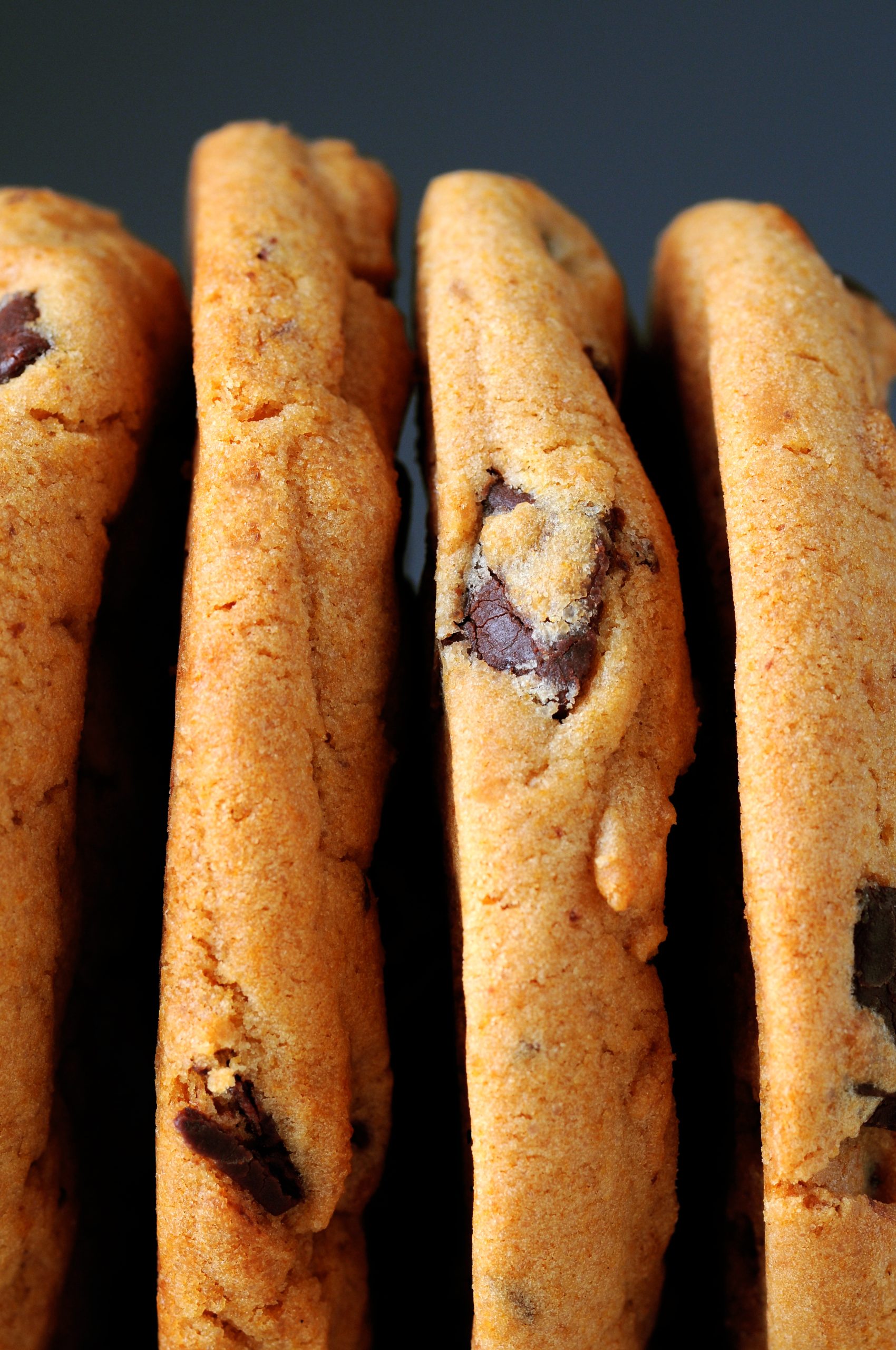
Introduction to Cottage Foods Webinar
Want to be like Ruth and sell cookies? Celebrate National Chocolate Chip Cookie Day with us as we learn about food safety, permissible foods under Florida’s cottage food laws, and the basics for starting a food business from the comfort of your own home kitchen. Don’t miss this food-tastic webinar!
Date: August 4, 2026
Time: 12:00 – 1:00 p.m. Eastern
Cost: $10 + Fees
Registration is required.
 1
1