The plants we eat often have interesting and surprising relationships, although “family” is a more distant relation in science than we use socially. These relations can be easy to see, as with the strong similarities between Cucurbitaceae plants such as zucchini and cucumber. Others are less clear, like tomatoes and peppers in the Solanaceae family, with differences in leaf structure, plant height, and fruit. Another very physically diverse family is Rosaceae, which contains the literal rose, blackberry, strawberry, and trees like pear and almond, among others. However, none of these plant families impresses me the way that Lamiaceae, or the mint family, does.
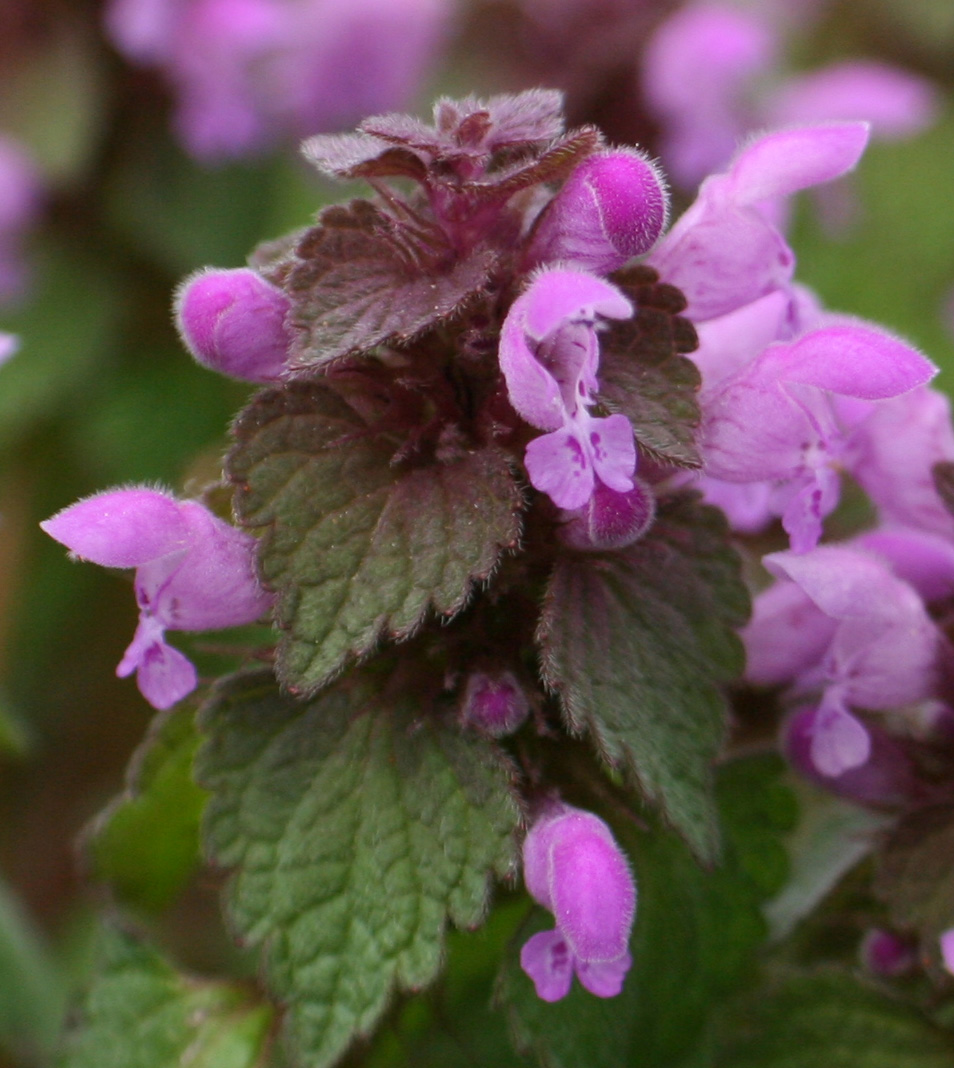
Also known as Labiatae, the mint family houses some 236 genera and 6,900+ species. These plants range from herbaceous annuals to woody shrubs, small trees, and even some vines. Their flowers generally share a lip-like appearance due to their fused petals. Opposing, rather than staggered, leaf placement is another common trait, and so is squared stems, but these are less deterministic of this family. They are most known for their strong aromatic qualities and wide utility in consumer products. The herbs in the mint family have been in every part of my life, adding fun and flavor to my memories.
Mint, the Mint-Mint
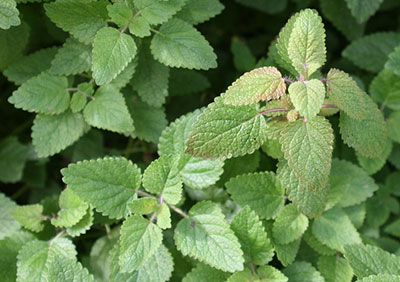
Mint, within the genus Mentha, and its extracts are extensively used in culinary, medical, and cosmetic applications. The cooling sensation that comes with menthol, its most significant organic compound, is likely the plant’s most famous trait. Mint is very forgiving of new growers, and spreads extremely easily. It is recommended that people plant mint in pots to avoid extensive spreading.
Another fascinating characteristic of mint is that it cross-pollinates very easily in nature. This means that identifying and isolating species is a huge challenge, which is still unresolved today. It also causes the name “mint” to be applied to common varieties like peppermint, as well as the less common apple, chocolate, Cuban, ginger, and pineapple mints. Cross-pollination between these plants will intermingle their distinct smells and flavors in any plantings from the resulting seeds.
My favorite variety so far is spearmint. Many people consider this to be the sweetest variety, making it the best choice for desserts and drinks. When I lived in Colombia, I had teas and juices with spearmint, which is called yerba buena or “good herb,” there. My favorite by far is jugo de piña con yerba buena/hierbabuena (pineapple juice with spearmint). This combination seemed so unusual in concept to me, but I loved it immediately when I tried it. Having that big flavor surprise helped me be more daring with trying new foods throughout my time in Colombia, and when I came back to the States.
Basil, the Pesto Mint
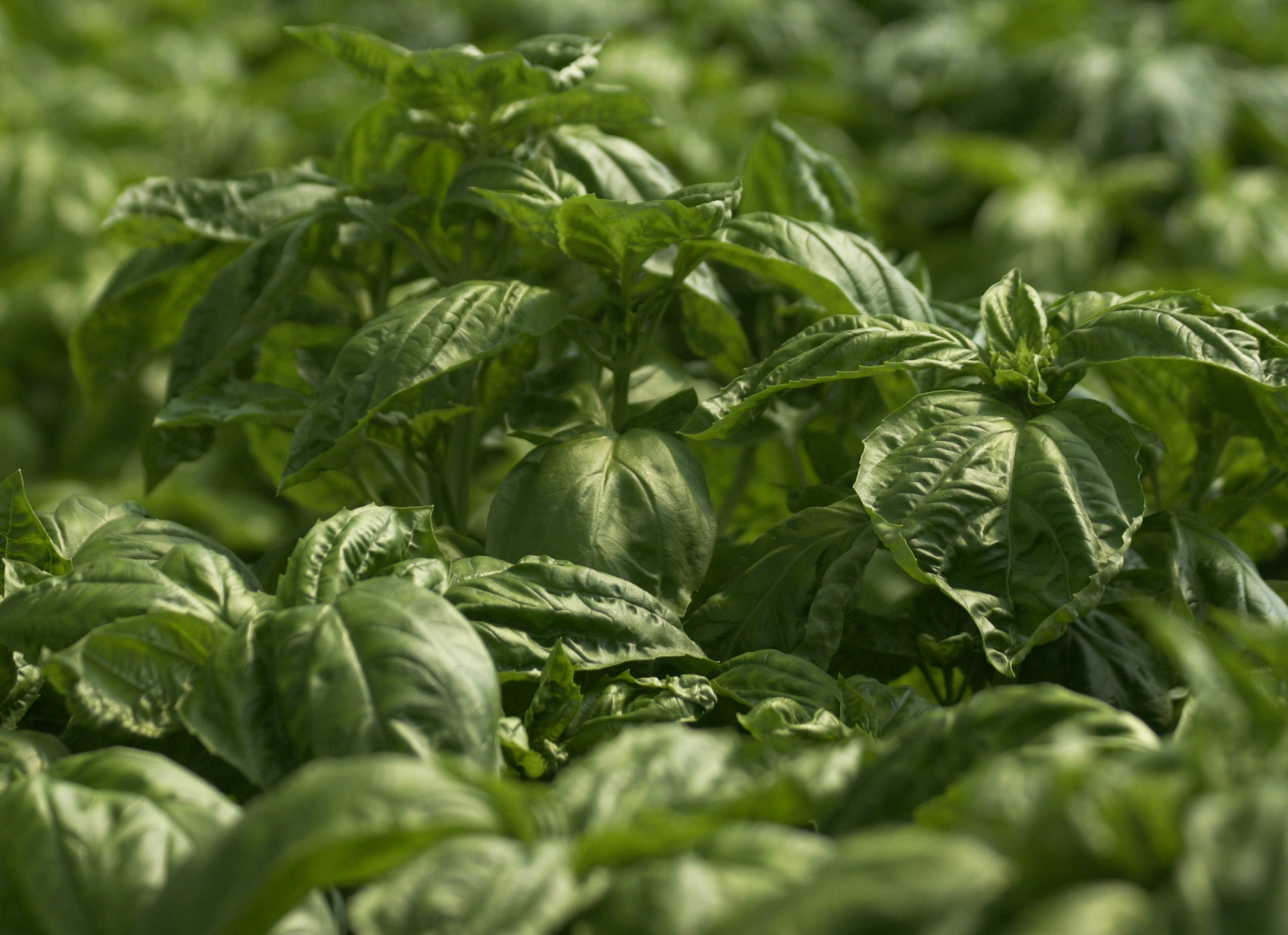
I started my reading on Lamiaceae due in large part to growing basil. I have only grown potted varieties, but others can be as tall as 3 feet and need planting directly in the ground. There are both green- and purple-leafed types, each with several varieties, though not as many as mint. They generally do well in Florida but are cold sensitive, so northern Floridians should take some care. Flowering plants grow new leaves more slowly, so flowers can be plucked to prioritize leaf growth.
I’ve been growing a dwarf, green-leafed basil on my balcony and accidentally over-watered it. They prefer well-drained soil, but the small pot I use has tiny holes. I was proud of it while it lasted, and a little sad when it died. The plant started as cuttings from a grocery store herb packet and had good initial success with rooting and new growth.
I like basil in all kinds of food. Although I haven’t made it lately, I like a crispy fried chicken, tomato, and basil sandwich on occasion. Just last week I made a green bean soup using a good amount. Basil is my 2nd favorite pizza topping after parmesan. One of my college friends used to make caprese salad for get-togethers. Its rich flavor pairs well with fats, acids, veggies, and fruits, really anything.
Rosemary, the Shrub Mint
I had always thought that rosemary was related to pine, but it is a minty shrub rather than a conifer. We kept one as a balcony “Christmas tree” while we lived in Colombia. Native pines are not kept for this purpose due to their irregular shape, and most introduced pines are invasive in South Ameria, so we felt that a little rosemary plant was the best substitute; we also had an artificial tree for the living room. Rosemary plants are drought-tolerant and do well in pots, which are helpful traits for my sometimes-negligent gardening style.
Rosemary is great in the garden or as decoration. Fully grown plants are impressively large compared to most culinary herbs, reaching 6 feet in height and possibly 5 in width, when planted in the ground. Potted plants will stay much smaller. The plants will tolerate fairly extensive cutting and can be topiarized, or trimmed into specific shapes.
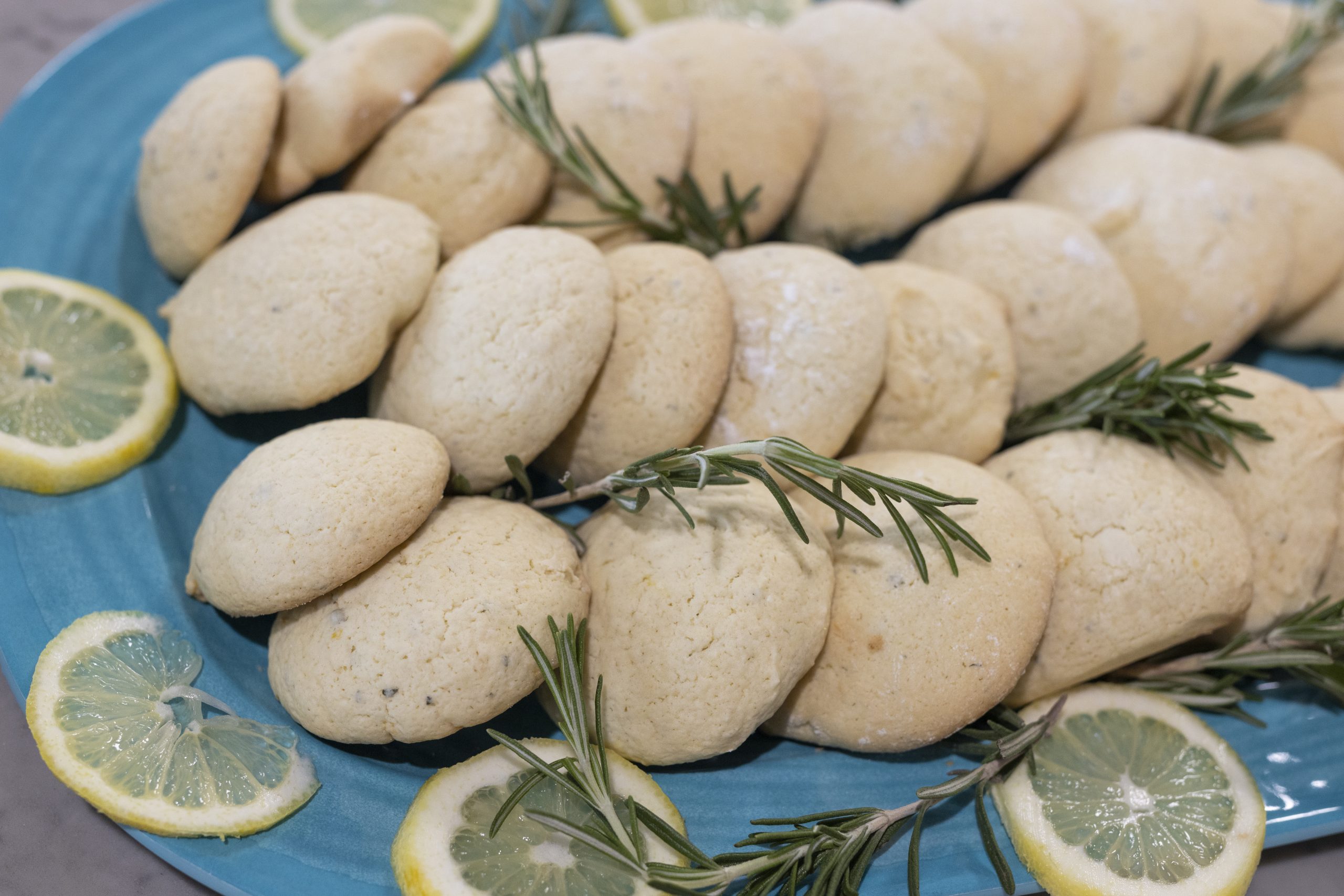
That being said, I use rosemary somewhat rarely. In Colombia, we used it as potpourri in our linen closet. I do keep some on hand to make potato wedges interesting and also use it and garlic when I make biscuits, especially when they are paired with a meat-heavy soup. There are cakes and shortbreads that include rosemary, but I haven’t had the opportunity to try them.
Lavender, the Pretty Mint
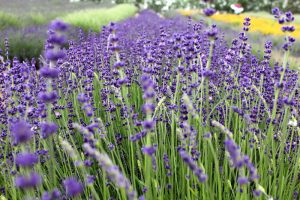
Lavender is generally less tolerant of heat compared to other mint relatives, but there are a few varieties which thrive in Florida. Popular among bees and other pollinators, lavender makes for a good companion plant for gardens. Like rosemary, this plant prefers drier soil, with a slightly alkaline pH (between 6.5 and 7.5) Lavender needs some extra space to grow properly and can grow 3 feet wide or more.
My mother kept a lot of lavender products on hand. The decorative plates of flower-shaped soaps in the guest bathroom were always lavender and lemon. She also believed in its calming properties and kept a certain brand’s “sleepytime lavender” tea for stressful days. We never had herbs in our garden, but I remember the distinctive purple flowers being in table centerpieces, so there must have been someone in the family who did.
Outside of tea, the only time I recall eating it was in lavender lemon bars from my great aunt. I did not like these much as a child, but I bet my adult palette would understand the mix of citrus and floral notes much better. I have had it in mixes like herbes de Provence over fish, but I read the spice mix only contains lavender here in the States.
Finding Fulfill”mint” in Variety
Oregano, thyme, and sage are other extremely useful mint-related herbs. They all have their charms in terms of taste and smell, have wide culinary applications, and have all been studied for their medicinal properties. My favorite fragrance comes from patchouli, a mint relative from Southeast Asia, which is the wild source of pogostone, an organic compound with anti-fungal and anti-inflammatory properties.
Lamiaceae is profoundly important culinarily, incorporated into recipes almost as often as salt. Their strong aromatic qualities make them appealing as ornamentals and companion plants. Many mint relatives do well in Florida, with the majority having good heat tolerance and a preference for well-drained soil. They are a great “entry point” for amateur gardeners, and a fun way to bring new flavors into cooking.
 5
5