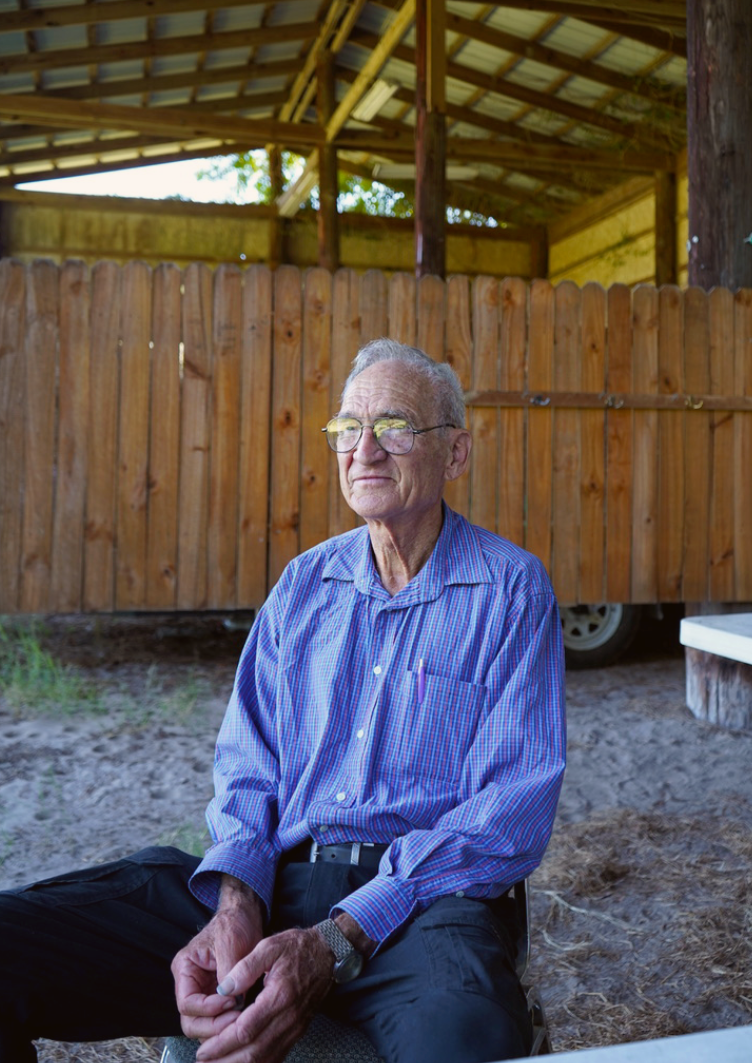
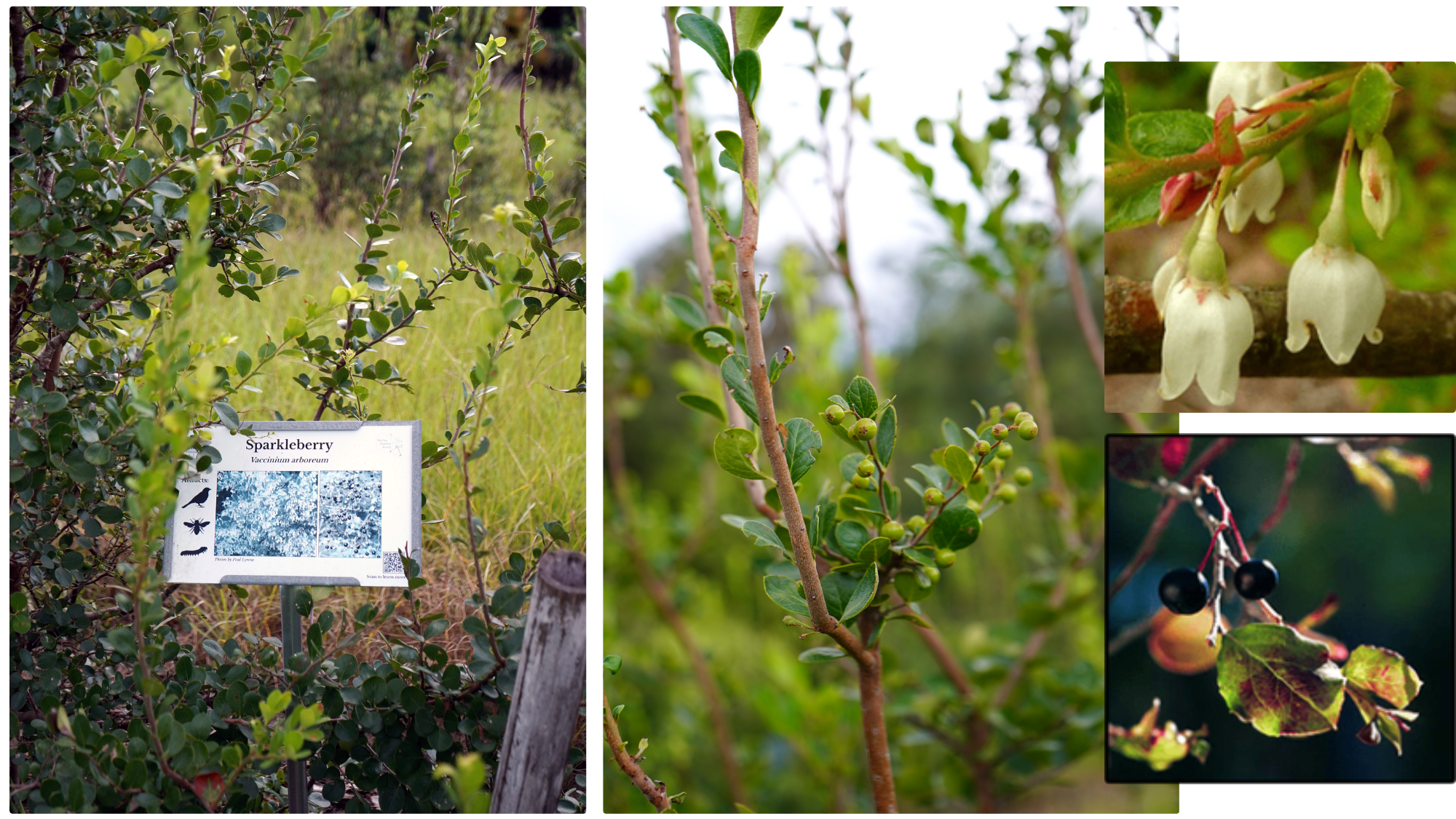
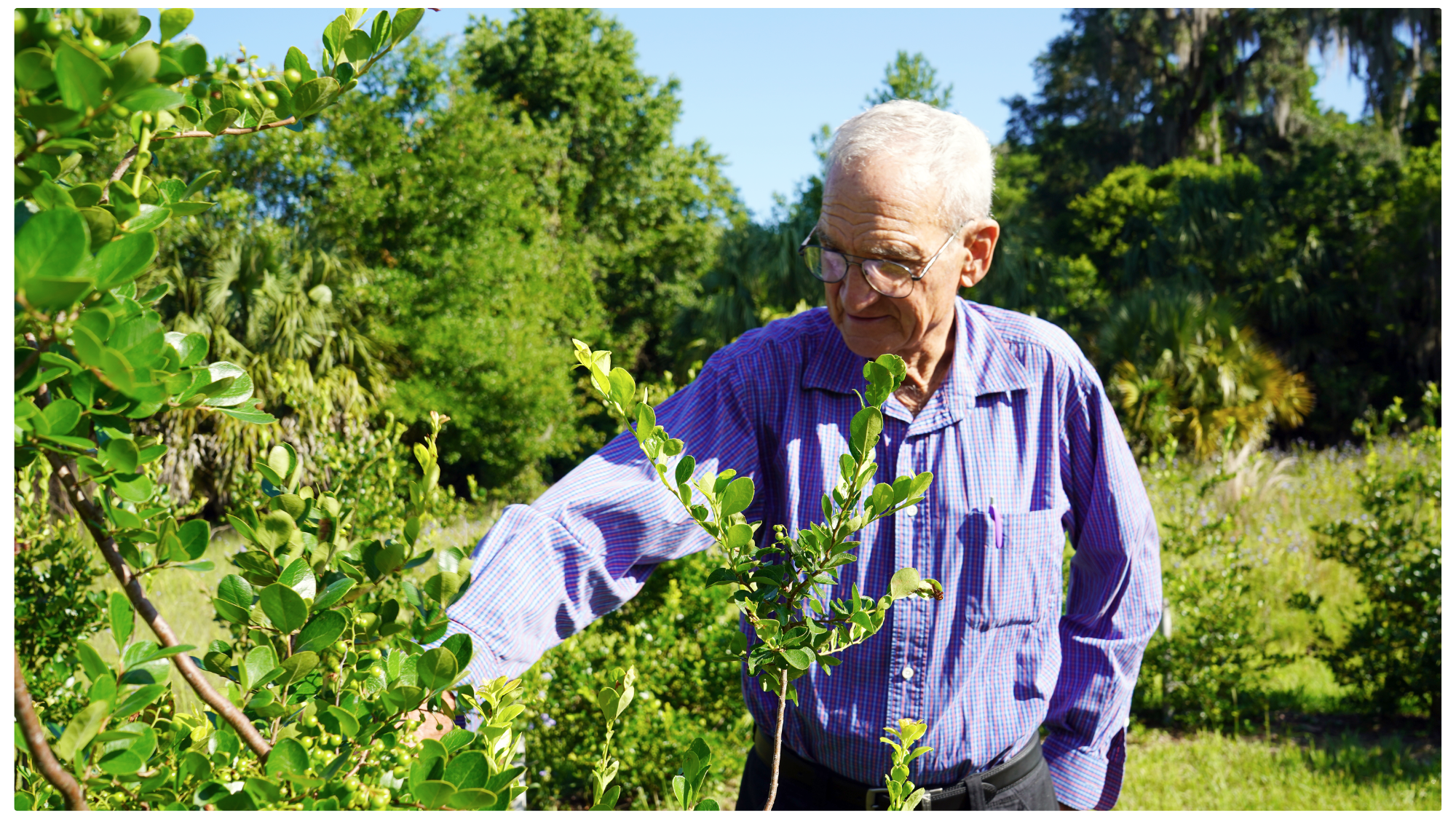
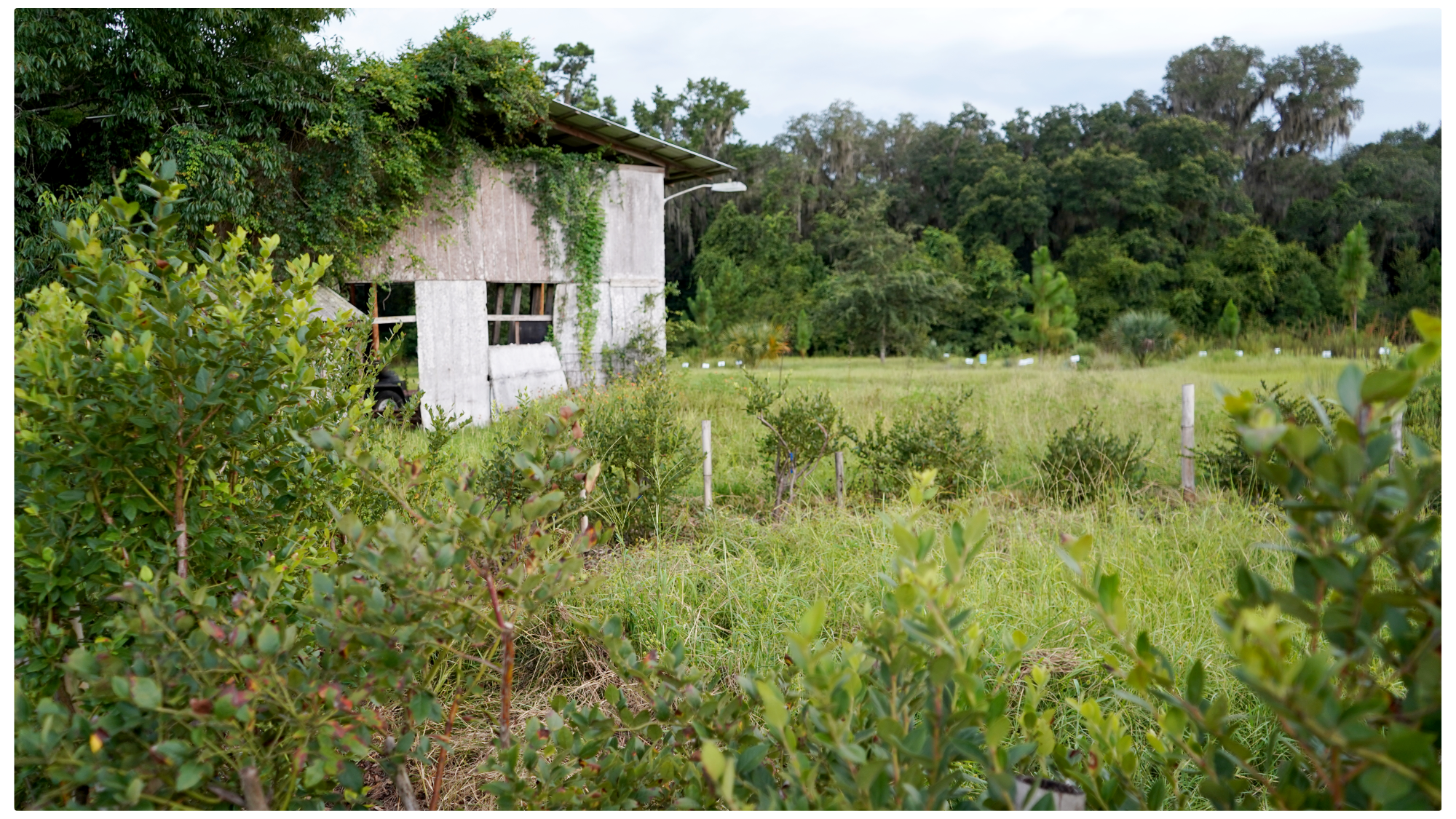
 I met Dr. Paul M. Lyrene, University of Florida Emeritus Professor of Horticultural Sciences, at the Alachua Conservation Trust’s (ACT) Prairie Creek property, where he had invited me to see its native wildlife garden. In 2022, Lyrene installed native blueberry species to enhance food sources for birds and other wildlife; a living experiment designed to compare the ability of different native blueberry species to survive with minimal care. The planting represented Dr. Lyrene’s lifelong career and his deep commitment to conservation. As we walked between arcs of sparkleberry and deerberry plants, he pointed out subtle differences between clones, the slow progress of deer berries adjusting to the site, and even a rare sparkleberry mutation that turns leaves golden in the fall instead of red. Selections that defined his career and earned him the title “father of Florida blueberries”.
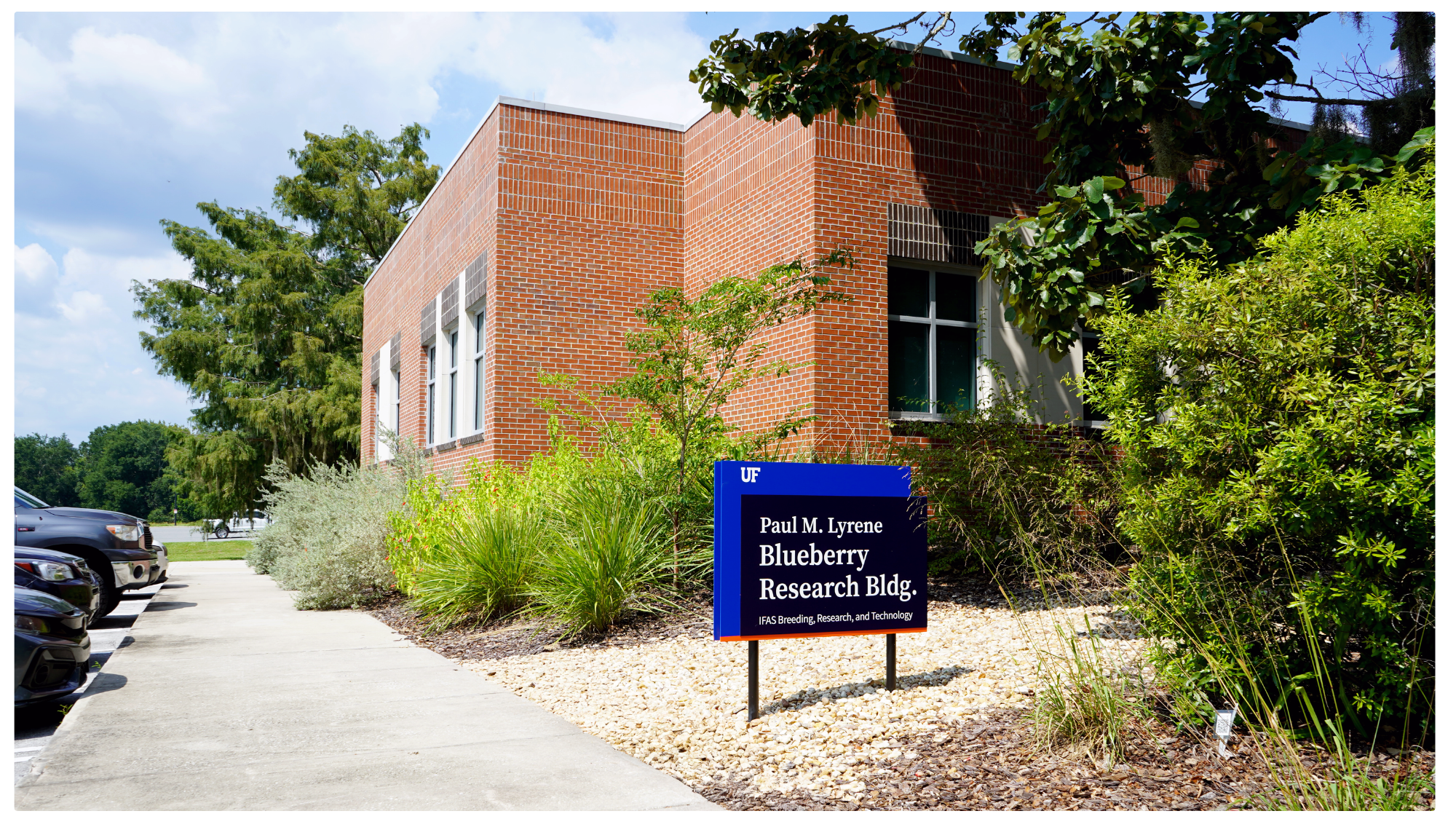
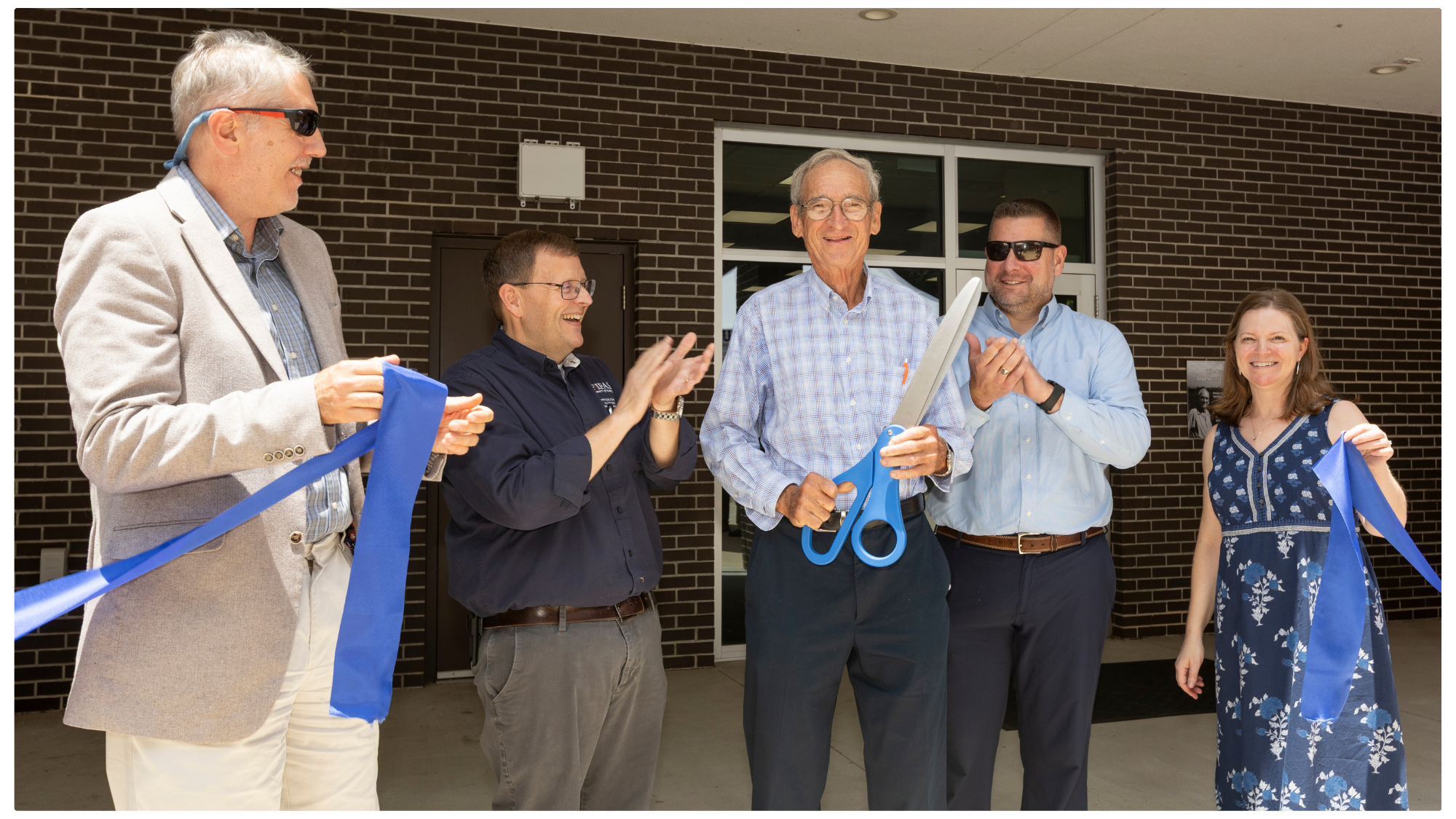
The conversation shifted to the recent news that UF’s new blueberry research building would be named in his honor as the Paul M. Lyrene Blueberry Research Building, a recognition of a career that helped transform the Florida blueberry industry.
“I’m honored, but the fact is I’m getting credit for things that I didn’t start and didn’t conceptualize”, explaining how his work was a continuation of Professor Ralph Sharpe’s pioneering efforts, and describing how he used established Darwinian plant breeding methods.
That humility reflects the way Lyrene views his work: a continuation and refinement of a vision that began decades before he arrived. Yet, it doesn’t fully account for the profound impact of his own contributions, the innovations, selections, and persistence that turned a small, struggling crop into a cornerstone of Florida agriculture.
A Serendipitous Path from Oats and Sugarcane to the Blueberry Fields of Florida
He explained that his path to blueberries wasn’t planned, like many things in life, “it was by chance”. After earning his Ph.D. in oat breeding from the University of Wisconsin, with an Army service in between, he applied for three jobs. The one that came through was breeding sugarcane at UF’s Everglades Experiment Station in Belle Glade. Working with sugarcane, he said, taught him lessons he would carry into his blueberry work: how to produce huge numbers of seedlings, how to manage cloning, and how to speed up the breeding cycle.
When he moved to Gainesville in 1977 to take over the blueberry breeding program, he saw that progress in other states was painfully slow. Some ‘rabbiteye’ breeding cycles took 20 years, allowing only two selection cycles in a career. By planting seeds, evaluating fruit within two years, and using the best plants as parents in year three, he compressed decades into just a few years. A wild highbush blueberry might produce berries weighing half a gram, he said, but after eight generations of selection, that weight increased to three or four grams – an eightfold jump made possible by faster cycles and larger seedling populations.
Despite pushes to adopt molecular markers and biotechnology, Lyrene remained committed to traditional proven methods. “I resisted changes in my methods until the new technologies had proven themselves. I knew the traditional methods of crossing and selection worked reliably and efficiently. I stayed focused on that one, simple method.”
His philosophy emphasized the value of hands-on experience: “The plants were teaching me over the years. I enjoyed being their student.”
Continuing the Work of Blueberry Pioneers
Dr. Lyrene traced the industry’s roots to Ralph Sharpe’s mid-20th-century work, which involved crossing large-fruited northern highbush blueberries developed by the USDA with wild species from Florida to reduce their chilling requirements. When Dr. Lyrene took over the program, he built on this foundation, targeting traits that would give growers a competitive advantage: earlier ripening, longer shelf life, disease resistance, and better adaptation to local soils and climate.
One of his most exciting moments came when he crossed Florida-adapted selections with a North Carolina cultivar called ‘O’Neal’ – a variety that would also play a key role in saving his program shortly afterward. “When I saw those seedlings, I said, ‘Man, these things are vastly better than anything we’ve ever had before. This is a game changer.’” He describes discovering this cross as “the most emotional aspect when I think back about all my career.”
Building a System to Support Plant Breeders
By the early 1980s, Florida’s blueberry industry was still small, with just a few hundred acres under cultivation. Many growers were struggling, but Lyrene’s early, low-chill, high-quality varieties gave the crop a future. By the time he retired in 2009 (although Dr. Lyrene can still be found working away in the research farm on campus and in the halls at Fifield today), the state had over 4,000 acres of blueberries and an industry worth tens of millions annually. But, it wasn’t all success stories.
He explains that when he arrived in 1977, each faculty member had their own secretary, truck with fuel paid, free use of the research farm with staff support, and a full-time technician. After 5-7 years, this support started eroding.
Dr. Lyrene continues, “as plant breeders, we weren’t into grant writing. We didn’t have any way to fund things, and at one point I said, ‘I’m going to have to close this program down. I can’t pay my rent at the farm. I can’t pay for my truck. I can’t pay my technician.”
A chance encounter with Australian growers led to a private seed-sale agreement that ultimately kept the blueberry breeding program afloat. “There were some people in Australia that had taken ‘Sharpeblue’ to Australia and planted it,” Dr. Lyrene recalled. The variety performed well in some ways, but it had a serious flaw. When picked, the skin of the berries tore so badly they were difficult to get to market.
They were immediately impressed after visiting Lyrene’s research farm, where they saw his promising hybrid material. An agreement was struck not in a boardroom, but over a table at a McDonald’s restaurant. “No deans, no formal agreements, just a handshake deal,” Lyrene said.
The seeds he sent were sold, and surplus from his own breeding crosses went to anyone willing to pay. Yet those early, informal arrangements, while essential in providing critical lifeline funding the short term, meant losing out on long-term value. One company, started from his seed stock, later sold for many times its original worth while Lyrene only received a small initial payment.
Learning from that experience and intent on securing sustainable funding, Dr. Lyrene and about 20 other plant breeders worked with Jack Oswald of the Florida Foundation Seed Producers to create a royalty program for patenting and licensing new crop varieties, directing 70% of royalties back to breeding programs and establishing the framework UF/IFAS still uses today.
Preparing for a Changing Landscape
The conversation turned to the future. The Florida blueberry industry, Lyrene explained, has changed dramatically. A decade ago, the state had the early-season market almost entirely to itself. Today, competition from Georgia, California, and Mexico has eroded that advantage.
His advice for growers was straightforward: you must adapt to the changing situations.
Lyrene explained that hand harvesting is becoming increasingly unsustainable, and growers must adopt mechanical harvesting to stay competitive. This shift, he noted, is more than a change in equipment but fundamentally reshapes breeding priorities. The future, he said, belongs to those who can marry traditional breeding intuition with modern realities, selecting not just for flavor and size but for the mechanical harvestability that will determine survival in a global market.
Adding Conservation to a Lifelong Mission
Now, Lyrene’s focus extends well beyond cultivated fields. Over the years, he has worked with the Alachua Conservation Trust (ACT) and Wild Spaces & Public Places to protect wild blueberry habitats. When he discovered that a beautiful piece of land where he had been collecting wild berries was going up for sale, he took action to preserve it.
“I called ACT and told them that that land needs to be preserved, donating a bunch of money that I had from blueberry royalties,” Lyrene explained. “They partnered with the county and bought what became the Fox Pen Preserve southeast of Hawthorne.”
The Prairie Creek native blueberry garden is part of that same vision, a way to support wildlife, educate the public, and safeguard Florida’s natural heritage.
A Lasting Impact
Over 48 years at UF, Dr. Lyrene developed and patented 23 blueberry cultivars, taught plant breeding and propagation, mentored students, and helped turn Florida into one of the nation’s top blueberry producers. His name on the blueberry research facilities will stand as a reminder not just of scientific skill and perseverance, but of the plants that still teach him something new each year.
It’s a legacy rooted as deeply as the blueberries he’s planted, and still tending to, in the sandy soils of Florida.
 7
7