Ever wandered through the salt marshes of Hernando County and noticed the ground moving? Look closer, and you might catch sight of an entire troop of fiddler crabs scurrying across the mud.
Meet the Fiddler Crab
The most obvious fiddler crabs are the males, who sport one oversized claw that resembles a fiddle — hence the name. That giant claw isn’t for eating, but for communication and combat. Males wave their claw in rhythmic motions to attract females, almost like a dance, while also using it to spar with rivals. Females, by contrast, have two smaller claws and spend much of their time foraging.
Life at the Water’s Edge
Fiddler crabs are masters of coastal living. They dig burrows about a foot deep in the sand or mud, usually close to the waterline. These burrows serve as safe retreats when predators approach or when tides rise. At high tide, crabs often plug the entrance with sand or mud to keep water out until it’s safe to reemerge.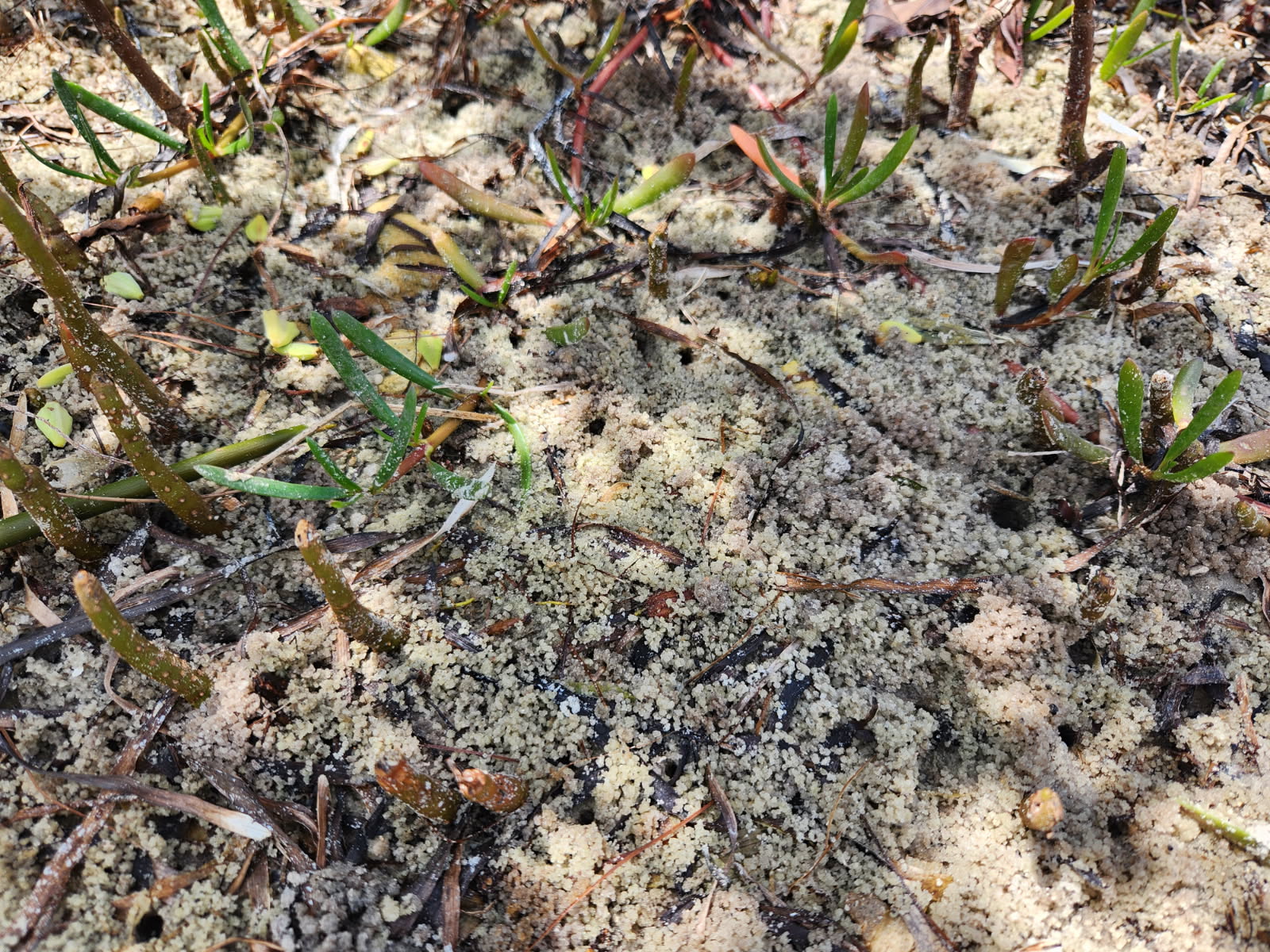
If you’ve ever noticed little balls of sand scattered across a flat in the salt marsh, that’s the handiwork of fiddler crabs. As they feed, they use specialized mouthparts to sift through sand, straining out algae and bits of decomposed organic matter. The leftover pellets are discarded in tidy piles, leaving behind a signature pattern across the shoreline.
A Favorite on the Menu
Despite their small size — many no larger than a thumbnail — fiddler crabs are a vital link in Hernando’s coastal food web. They’re a favorite snack for snook and redfish, as well as for coastal birds like ibis and herons. Even raccoons will dig into the mud for a quick fiddler crab feast. By transferring nutrients from mud and algae into larger predators, fiddler crabs help fuel the entire estuarine ecosystem.
Why They Matter
Fiddler crabs may not be rare or endangered, but they play a big role in keeping coastal habitats healthy. Their burrows aerate the soil, improving conditions for marsh plants. Their constant feeding recycles nutrients, keeping algae growth in check. And of course, they sustain countless predators that people in Hernando County value — from gamefish to wading birds.
Next Time You Visit
On your next trip to a salt marsh, pause and watch the ground carefully. You might just catch the fiddler crab parade — tiny claws waving, burrows opening and closing, and hundreds of crabs scuttling across the mudflat. It’s a reminder that even the smallest creatures play oversized roles in the health of our coastal ecosystems.
 0
0