 Welcome to our next edition of Nutrition Stories, our series exploring hot topics in nutrition and dietetics. Our guest today is Rileigh Swift, a student in the UF Didactic Program in Dietetics (DPD) in the Food Science and Human Nutrition (FSHN) Department at the University of Florida. In this article, Rileigh discusses the importance of considering gut health when aiming to improve women’s overall health. Consuming prebiotic- and probiotic-rich foods gives your gut the tools it needs to enhance your health. Read on to discover more about how gut health influences overall health, sources of prebiotics and probiotics, and even a healthy breakfast recipe to start your day in the best possible gut health.
Rileigh: When it comes to women’s health, gut health doesn’t always get the attention it deserves. We can be quick to focus on surface-level symptoms like fatigue, bloating, or mood swings but then overlook the root cause behind them. For example, the gut is home to trillions of bacteria that influence far more than just digestion. From hormonal balance to mental well-being, the gut microbiome plays a powerful and complex role in women’s health.
In this article, we’ll dive into the science behind your gut’s influence on the body, explore why women should care about gut health, and share simple, sustainable ways to support your gut through everyday nutrition.
Why Does Gut Health Matter?
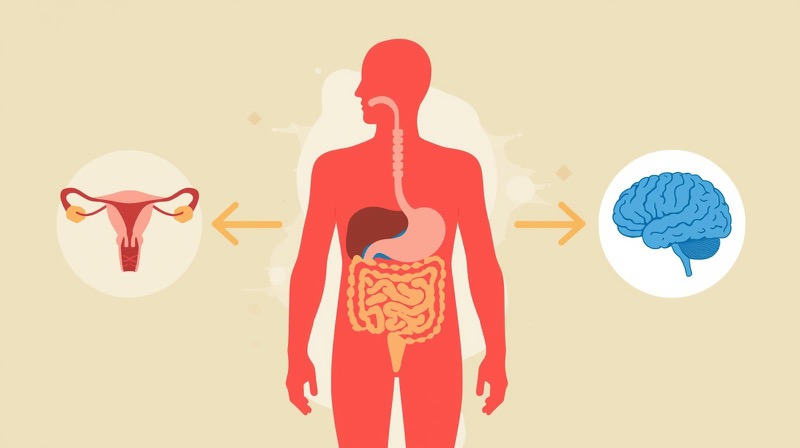 The gut microbiome plays a significant role in the health of an individual. Supporting your gut is more than just preventing bloating or regulating bowel movements. Studies show that the gut microbiota has influence over other organs and systems throughout the body including the central, cardiovascular, endocrine, and digestive systems.1 This means that aspects of both your physical health and mental health can be shaped by the health of your gut.
Gut health is especially critical in women’s health. Research suggests that women have worse gut health overall than their male counterparts. For example, women are 1.5 to 3 times more likely to experience irritable bowel syndrome (IBS) than men.2
Additionally, studies are showing how the health of the gut microbiome influences reproductive and endocrine systems in women. The endocrine system is responsible for controlling basic biological processes such as growth, fertility, reproduction and even mood.3 Throughout a woman’s menstrual cycle, her hormones greatly fluctuate, and the gut plays an important role in regulating these levels.
How the Gut Microbiome Affects Women’s Health

Believe it or not, the health of your gut microbiome can determine how effectively estrogen is excreted and recirculated throughout the body. If the gut cannot perform this task properly and effectively, an imbalance of estrogen can occur leading to symptoms like irregular or heavy periods, water retention, headaches, mood swings, and premenstrual syndrome (PMS).4 Research shows between 14%-25% of women struggle with irregular periods,5 and nearly 75% of women experience PMS.6
Because the gut and the endocrine system are so closely linked, research is suggesting that an imbalance in the gut microbiome can lead to additional health concerns like pregnancy complications, polycystic ovary syndrome (PCOS), endometriosis, and more. 7 Between 6-13% of women worldwide suffer from PCOS8 and 10% worldwide suffer from endometriosis.9 These percentages translates to hundreds of millions of women suffering from hormonal imbalances that are potentially worsened by poor gut health.
As a result of these findings, you might be asking yourself: how can women improve their gut to boost their health?
Nourishing the Microbiome: The Essential Role of Prebiotics and Probiotics
While genetics and environmental factors play a role in the health and function of the gut microbiome, diet plays a large part as well. The best way to improve gut health is to consume foods that are “gut healthy”–in other words, foods that contain prebiotics and probiotics.
Prebiotics and the Power of Dietary Fiber
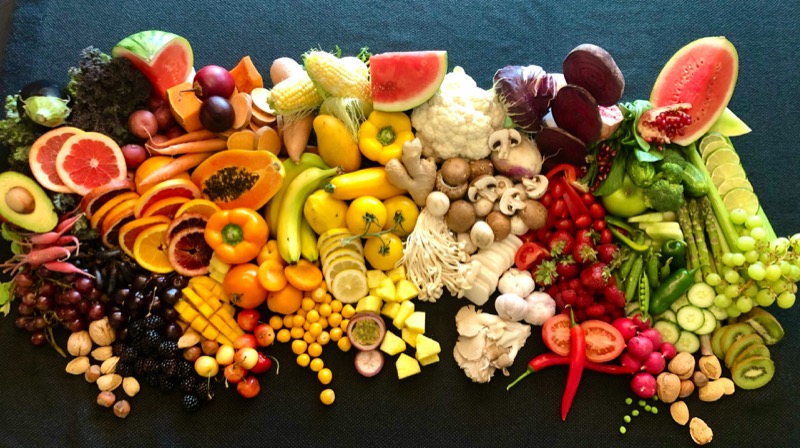
The term “prebiotics” usually refers to foods high in fiber. High-fiber foods are important for determining the type and amount of microbiota that live throughout the colon. When dietary fiber is broken down and fermented by the gut microbiome, short chain fatty acids are released. This lowers the pH of the digestive tract, making it selective for bacteria that can survive in an acidic environment. The lower pH of the gut reduces the growth of harmful bacteria and promotes the growth of beneficial or “good” bacteria in the colon.10
Many foods naturally contain prebiotics. Fruits, vegetables, beans, and whole grains are all excellent sources of fiber and will contribute significantly to your gut health.10 Adding a serving of fruits and vegetables at every meal is an easy way to incorporate prebiotic fiber into your diet.
Probiotics and Microbial Balance
“Probiotic” is a term usually used to describe foods that have a living bacterial culture within that can contribute to the growth of your natural gut microbiome. These live cultures take up residence in your gut, adding to the already established microbiome.11 Probiotics include foods that are fermented such as yogurt, kefir, cottage cheese, kimchi, sauerkraut, and pickled vegetables.10 These foods can easily be added as side dishes, snacks, or even main meal components into your diet to improve gut health.
There are so many ways to incorporate these foods into your diet to give your gut a little more love every day. From breakfast to dinner, it is important to incorporate foods that will have you and your gut feeling your best.
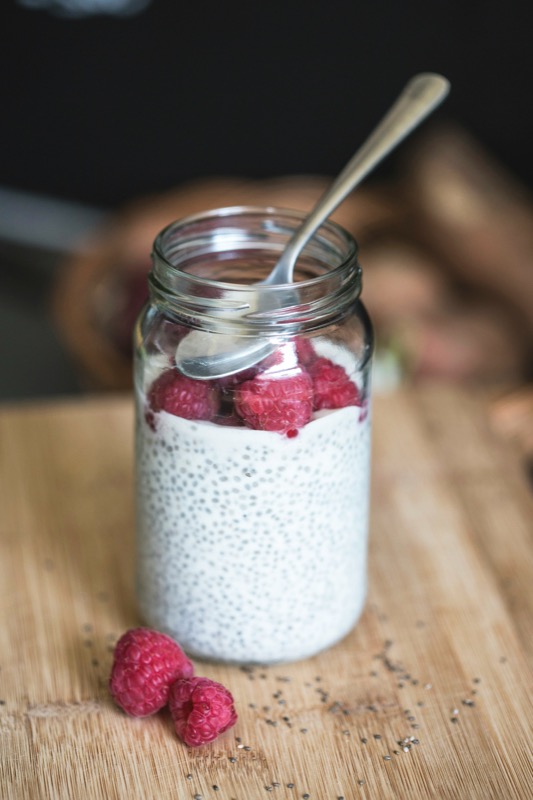
For an easy breakfast, try this simple, nutrient-packed recipe that combines probiotics, fiber, and healthy fats for a delicious and gut-healthy treat.
Nut Butter & Berry Chia Seed Pudding
Ingredients
- 1 cup unsweetened kefir or yogurt (probiotic boost)
- ¼ cup chia seeds (fiber and omega-3s)
- 1 tablespoon honey or maple syrup (optional)
- ½ teaspoon vanilla extract
- ½ cup mixed berries (antioxidants and prebiotics)
- 1 tablespoon peanut butter or nut butter (e.g., almond butter)
Instructions
- In a bowl, mix kefir/yogurt, chia seeds, honey, and vanilla extract.
- Stir well and let sit for five minutes, then stir again to prevent clumping.
- Cover and refrigerate for at least four hours or overnight.
- Before serving, top with mixed berries and peanut butter.
- Enjoy!
A Healthier Gut, A Healthier You
A woman’s overall health is interconnected with gut health, influencing everything from digestion to hormone balance. As research uncovers more about the role the gut microbiome plays in a women’s body, it is important to prioritize your health and your gut. Incorporating more “gut-healthy” foods and recipes into your daily routine, such as fiber rich prebiotics and fermented foods containing probiotics will support your gut microbiome and contribute to your overall health.
Your gut does so much for you—so why not return the favor? Start making gut health a priority today, and your body will thank you for years to come.
References
- Marano G, Traversi G, Gaetani E, Gasbarrini A, Mazza M. Gut microbiota in women: The secret of psychological and physical well-being. World Journal of Gastroenterology. 2023;29(45):5945-5952. doi:https://doi.org/10.3748/wjg.v29.i45.5945
- Do women have more stomach problems than men? www.theibsnetwork.org. Published October 12, 2017. https://www.theibsnetwork.org/news/articles/do-women-have-more-stomach-problems-than-men-
- National Institute of Environmental Health Sciences. Endocrine Disruptors. National Institute of Environmental Health Sciences. Published July 22, 2024. https://www.niehs.nih.gov/health/topics/agents/endocrine
- Cleveland Clinic. Estrogen: Hormone, Function, Levels & Imbalances. Cleveland Clinic. Published August 2, 2022. https://my.clevelandclinic.org/health/body/22353-estrogen
- National Institutes of Health. What Are Menstrual Irregularities? https://www.nichd.nih.gov/. Published January 31, 2017. https://www.nichd.nih.gov/health/topics/menstruation/conditioninfo/irregularities
- Mayo Clinic Staff. Premenstrual Syndrome (PMS). Mayo Clinic. Published February 25, 2022. https://www.mayoclinic.org/diseases-conditions/premenstrual-syndrome/symptoms-causes/syc-20376780
- Qi X, Yun C, Pang Y, Qiao J. The impact of the gut microbiota on the reproductive and metabolic endocrine system. Gut Microbes. 2021;13(1):1894070. doi:https://doi.org/10.1080/19490976.2021.1894070
- World Health Organization. Polycystic ovary syndrome. World Health Organization. Published February 7, 2025. https://www.who.int/news-room/fact-sheets/detail/polycystic-ovary-syndrome
- World Health Organization. Endometriosis. World Health Organization. Published March 24, 2023. https://www.who.int/news-room/fact-sheets/detail/endometriosis
- Harvard T.H. Chan School of Public Health. The Microbiome. The Nutrition Source. Published August 16, 2017. https://nutritionsource.hsph.harvard.edu/microbiome/
- Cleveland Clinic. What Are Probiotics & What Do They Do? Cleveland Clinic. Published October 30, 2023. https://my.clevelandclinic.org/health/treatments/14598-probiotics
Looking for more posts sharing stories about nutrition hot topics? Check out the rest of the UF/FSHN Nutrition Stories Series!
 2
2