 Welcome to Nutrition Stories, a series exploring hot topics in nutrition and dietetics. Our guest is Emily Rodriguez-Hidalgo, a graduate of the UF Didactic Program in Dietetics (DPD) in the Food Science and Human Nutrition (FSHN) Department at the University of Florida. In this article, Emily explores how you can modify traditional Hispanic food recipes to make them healthier and more nutritious. In addition, she shares a delicious baked tostones recipe that will complement your next meal.
Emily:
Today is Pedro’s 30th birthday, and his family is throwing him a big party, including a carne asada (Hispanic barbecue), to celebrate this milestone. Yet Pedro woke up today feeling low-spirited and stressed.
Earlier in the week, he went to his yearly checkup and was told his bloodwork shows he is prediabetic. Pedro’s doctor recommended lifestyle changes, such as altering his diet, losing weight, and increasing physical activity, to decrease the risk of developing type 2 diabetes mellitus (T2DM). Members of Pedro’s family have been diagnosed with T2DM and experienced health complications, so he wants to reduce his risk as much as possible.
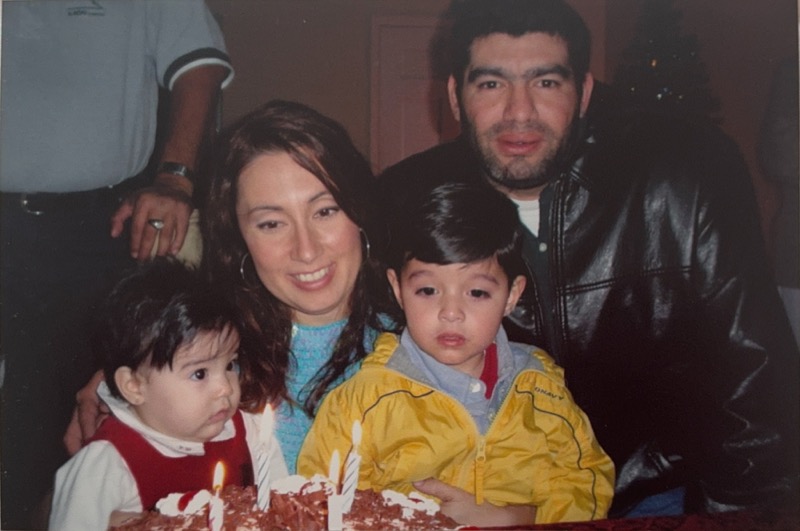
“How am I meant to enjoy my birthday party when I can’t even eat my favorite meal?” Pedro asked his doctor. “Will I eat only salads for the rest of my life?”
Well, Pedro will be happy to know that he can still enjoy his favorite Hispanic dishes by making modifications to the recipes to help meet his dietary needs.
The Role of Food in Hispanic/Latinx Culture
Food in Hispanic/Latinx culture represents more than just a source of nourishment. It serves as a symbol of the culture itself as it is often made with love, and eating these foods is a reason families come together.
Food is a large part of family celebrations, so it can be seen as socially unacceptable to avoid eating the foods that family members prepare.1 People may feel pressure to overeat as the serving sizes are typically large, and it’s considered good manners to clean your plate.
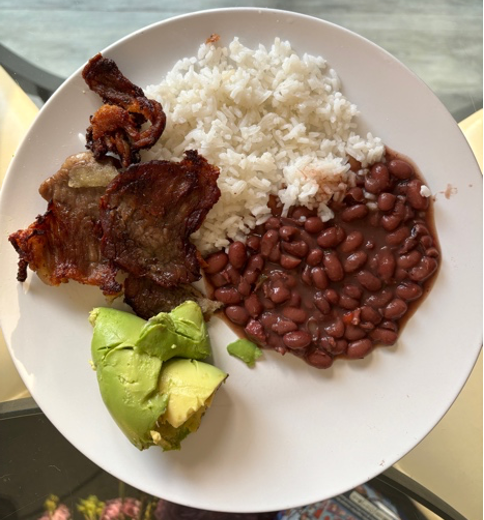
Hispanic diets vary by region, but studies have shown that they tend to be overall high in carbohydrates, saturated fatty acids (SFA), and added sugars.2 Traditional Hispanic cooking practices use large amounts of red meat, cheese, rice, bread, and sugar-sweetened beverages. For example, a typical non-heritage specific meal is white rice, beans, meat and a juice or soda.3
Challenges of Traditional Hispanic Diets and Health Risks
According to the World Health Organization (WHO), these simple carbohydrates, SFAs, and added sugars are nutrients that are important to limit in the diet as they are linked to metabolic disorders like obesity and T2DM.2 Unfortunately, most meals in the Hispanic diet include all these items. For example, rice typically takes up half the plate, which contributes to a high caloric intake and can lead to obesity if consumed in excessive amounts.
Note that many traditional Hispanic foods also contribute important micronutrients and fruit intake is typically high, although intake of vegetables is lower than recommended.4 In 2022, the Center for Disease Control and Prevention (CDC) found that Hispanic adults were 60% more likely than non-Hispanics to be diagnosed with diabetes.5 Low education levels, health literacy and socio-economic status are barriers Hispanics face that increase their risk of T2DM due to lack of access to optimal health care and diabetes education.1 Addressing these contributing factors is important in lowering the risk of T2DM and one of the ways is by helping educate Hispanics on how to make healthier dietary choices by applying them to their own cultural recipes.
Using Healthy Modifications to Adapt Traditional Recipes
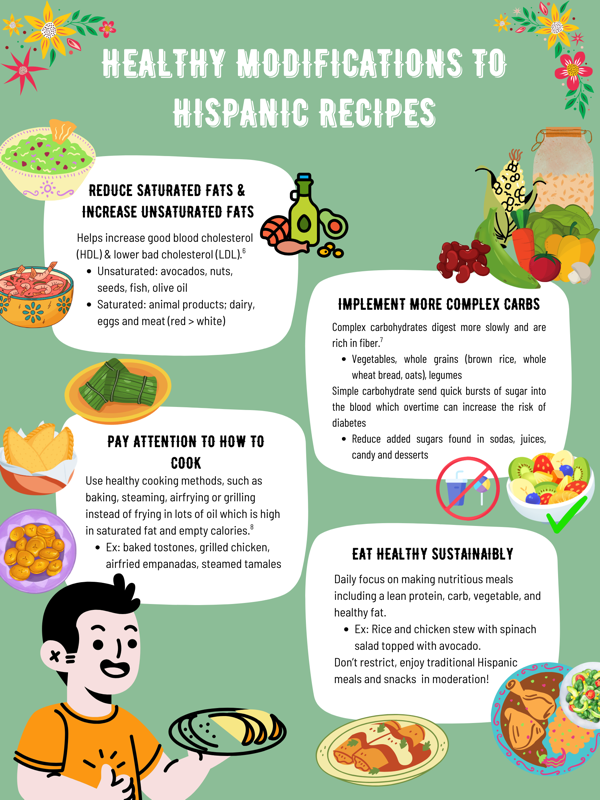
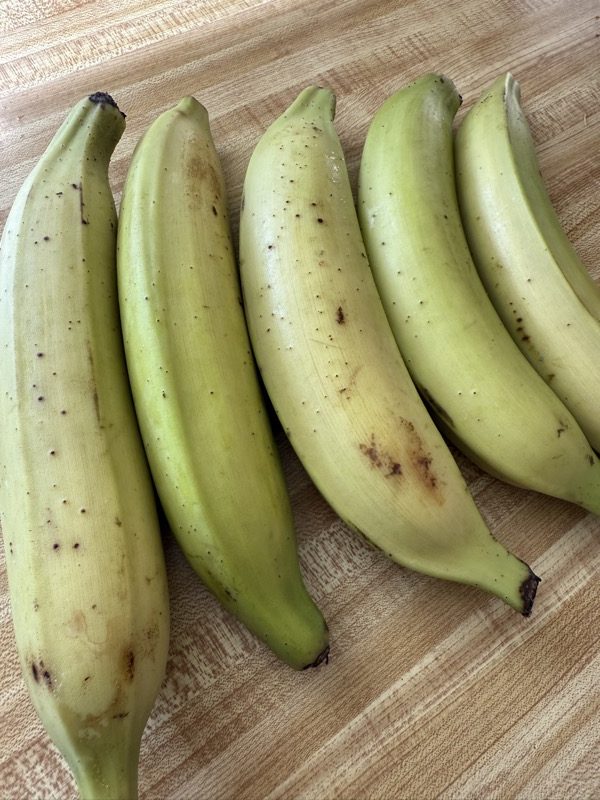
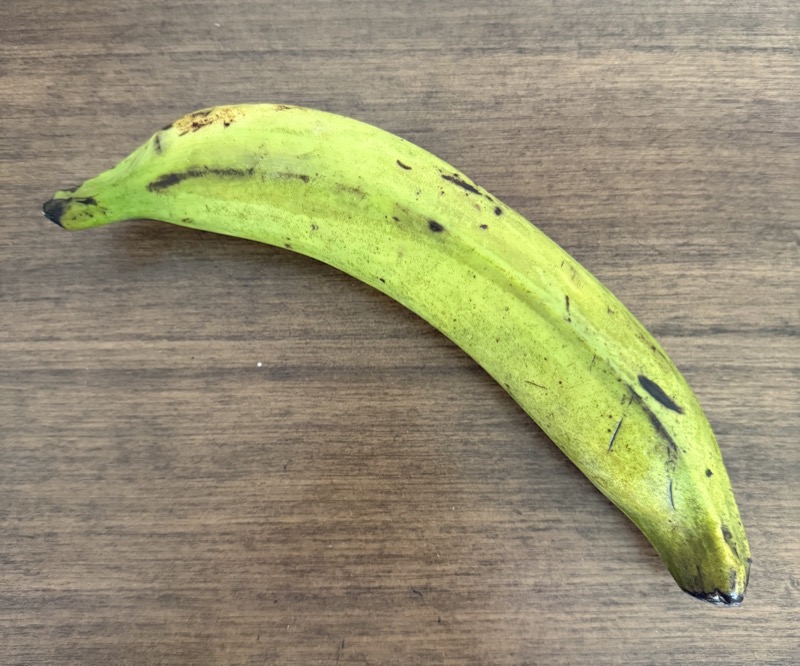
Balance is key to a sustainable healthy lifestyle. Enjoying traditional Hispanic cuisine is good in moderation but using modifications will help make your favorite dishes healthier. Some changes you can make include using healthier cooking methods, incorporating more vegetables, whole grains, and lean protein while reducing fatty foods and added sugars. An example is baking tostones instead of frying them to reduce the level of saturated fats in the diet. Check out the video below to learn how to make these healthier tostones.
Preserving Tradition While Promoting Health
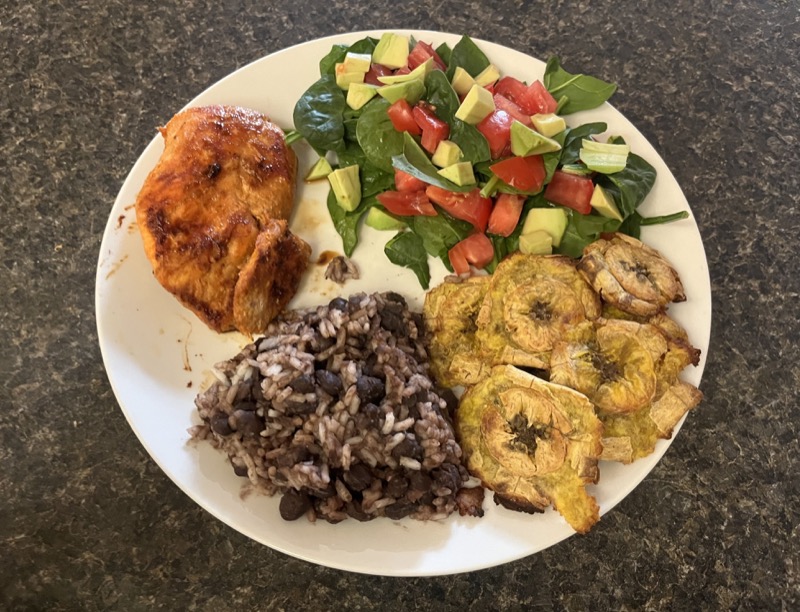
The food of Hispanic cuisine represents something much bigger than a meal. It also serves as a celebration of culture, family, and Hispanic heritage. In Pedro’s case it is unfair to ask him to sacrifice his culture for the sake of his health, and fortunately he doesn’t need to make this sacrifice.
After his birthday celebration, Pedro can begin to make small changes to his favorite recipes to make them fit nutritional requirements without losing the taste or significance of the dish. Sometimes, it’s necessary to adapt dishes to fit the health needs of current and future generations, to keep that part of the culture alive.
With the increasing risk of T2DM and obesity in the Hispanic population, it is crucial to make these small changes to fit dietary guidelines for a healthy lifestyle while continuing to celebrate Hispanic culinary traditions. The next time you’re craving Hispanic food, try one of these modifications in your own recipe to create a delicious, nutritious, and cultural dish.
References
-
Aguayo-Mazzucato C, Diaque P, Hernandez S, Rosas S, Kostic A, Caballero AE. Understanding the growing epidemic of type 2 diabetes in the Hispanic population living in the United States. Diabetes/Metabolism Research and Reviews. 2019;35(2):e3097. doi:https://doi.org/10.1002/dmrr.3097
- Fisberg RM, Leme ACB, Previdelli Á, et al. Contribution of food groups to energy, grams and nutrients-to-limit: the Latin American Study of Nutrition and Health/Estudio Latino Americano de Nutrición y Salud (ELANS). Public Health Nutrition. 2021;24(9):2424-2436. doi:https://doi.org/10.1017/s136898002100152x
- Maldonado LE, Adair LS, Sotres-Alvarez D, et al. Dietary Patterns and Years Living in the United States by Hispanic/Latino Heritage in the Hispanic Community Health Study/Study of Latinos (HCHS/SOL). The Journal of Nutrition. 2021;151(9):2749-2759. doi:https://doi.org/10.1093/jn/nxab165
- Siega-Riz AM, Sotres-Alvarez D, Ayala GX, et al. Food-group and nutrient-density intakes by Hispanic and Latino backgrounds in the Hispanic Community Health Study/Study of Latinos. The American Journal of Clinical Nutrition. 2014;99(6):1487-1498. doi:https://doi.org/10.3945/ajcn.113.082685
- Centers for Disease Control and Prevention. Surveillance – United States Diabetes Surveillance System. gis.cdc.gov. Published 2022. https://gis.cdc.gov/grasp/diabetes/diabetesatlas-surveillance.html
- Harvard T.H. Chan School of Public Health. Types of Fat. The Nutrition Source. Published 2014. Accessed March 13, 2025. https://nutritionsource.hsph.harvard.edu/what-should-you-eat/fats-and-cholesterol/types-of-fat/
- American Heart Association. Carbohydrates. www.heart.org. Published April 16, 2018. Accessed March 13, 2025. https://www.heart.org/en/healthy-living/healthy-eating/eat-smart/nutrition-basics/carbohydrates
- Healthy cooking methods. Preventive Health SA. https://www.preventivehealth.sa.gov.au/our-agency/obesity-prevention/healthy-food-nutrition/healthy-food-environments-hub/simple-steps-for-healthier-food-environments/providing-healthier-meal-options/healthy-cooking-methods
Looking for more posts sharing stories about nutrition hot topics? Check out the rest of the UF/FSHN Nutrition Stories Series!
 1
1