Welcome back to Nutrition Stories, a series exploring hot topics in nutrition and dietetics. Today’s guest is Maria Alejandra Corredor, a graduate of the UF Didactic Program in Dietetics (DPD) in the Food Science and Human Nutrition (FSHN) Department at The University of Florida. In this article, Maria discusses the importance of adequate nutrition before and during pregnancy to ensure the health of both parent and baby. Read on to understand how nutrients impact pregnancy, learn about the sources of these essential nutrients, and consider suggestions for including nutrient-packed meals in a balanced pregnancy diet.
Maria: With every bite you take during pregnancy, you’re shaping the future of your baby and laying the foundation for their health, development, and well-being. Fueling yourself during pregnancy is not just about eating more; it’s about choosing the right foods that support both your body and your baby’s growth. Proper nutrition is essential for ensuring a healthy pregnancy, yet many women fall short of meeting recommended nutrient intake levels.
Expecting mothers and healthcare providers often ask: What does a healthy pregnancy diet look like? In this article, we will explore the essential nutrients needed during pregnancy, why these nutrients are important, and how to access them through affordable, accessible food choices. By providing practical advice, culturally inclusive meal ideas, and easy-to-understand guidance, we aim to empower women from diverse backgrounds to make informed decisions that support a healthy pregnancy.1
Why Nutrition Matters During Pregnancy
According to the National Library of Medicine, most women in the United States do not meet dietary and weight recommendations before or during pregnancy. Key nutrients often fall short, including iron, folate, calcium, vitamin D, and omega-3 fatty acids, each of which plays a crucial role in fetal development and maternal health.1 For instance:
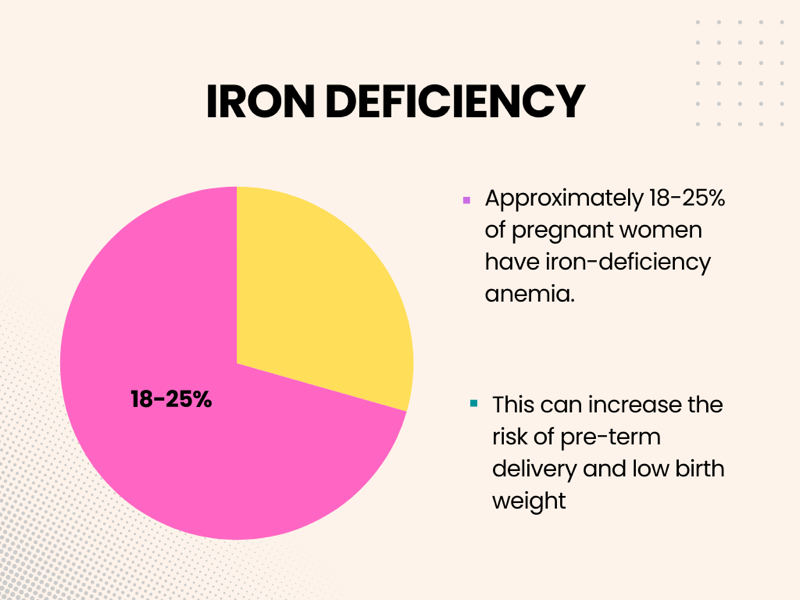
- Iron: Approximately 18–25% of pregnant women have iron-deficiency anemia, which can increase the risk of preterm delivery and low birth weight.2
- Folate (Vitamin B9): Nearly one in four women do not meet the recommended folate intake. Adequate folate intake is critical for preventing neural tube defects.2
- Calcium and Vitamin D: These nutrients are often under consumed, especially among women of color, putting bone health and fetal skeletal development at risk.2
- Omega-3 fatty acids (especially DHA): Vital for brain development, omega-3 fatty acids are frequently lacking in diets due to low seafood intake.2
Additionally, studies show that only about 32% of women gain weight within the Institute of Medicine’s recommended ranges during pregnancy. Roughly 48% of women gain more than recommended, which can lead to complications like gestational diabetes, high birth weight, and cesarean delivery. Conversely, about 21% gain less than recommended, increasing the risk of small-for-gestational-age infants and preterm birth.2
These statistics highlight a significant opportunity to improve maternal and infant outcomes through targeted, accessible nutritional support.
Essential Nutrients for Pregnancy
 In addition to the nutrients described above, the following nutrients are essential for a healthy pregnancy.
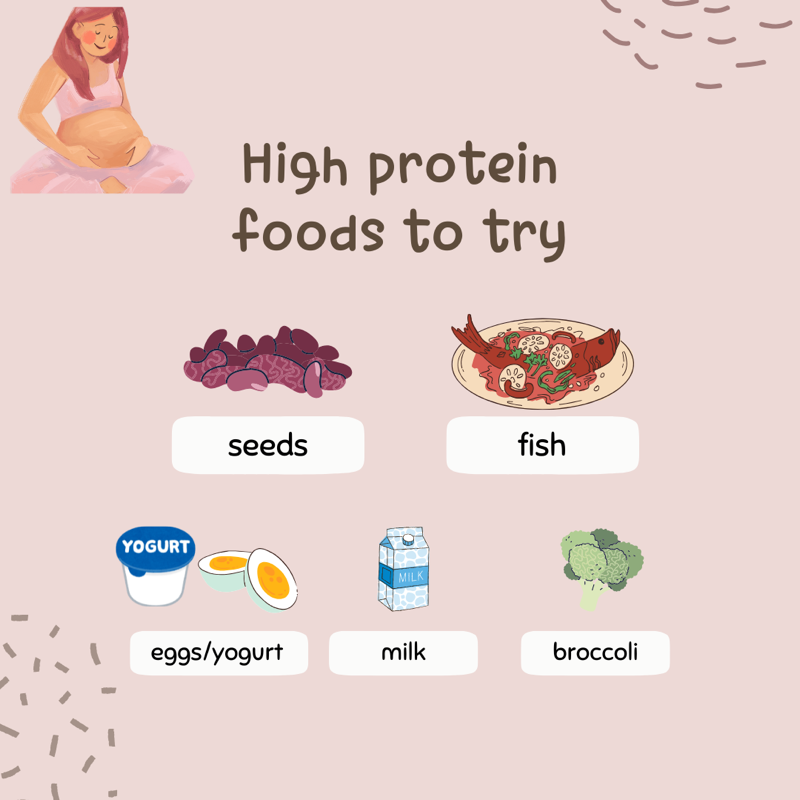
- Protein: Adequate protein consumption is particularly important in the third trimester when the baby’s growth accelerates. Protein supports tissue, muscle, and organ development. Lean protein sources include chicken, fish, eggs, and legumes.3
- Fat: The type of fat consumed matters more than the total amount. Healthy fats, such as omega-3s from fish, nuts, and seeds, support fetal brain and nervous system development.3
- DHA: This key omega-3 fatty acid aids in brain and eye formation and contributes to cognitive function. Pregnant women should consume DHA-rich foods like fatty fish (salmon, mackerel), algae-based supplements, or fortified foods.3 To minimize mercury exposure, choose low-mercury options such as salmon, sardines, trout, and anchovies, and avoid high-mercury fish like shark, swordfish, king mackerel, and tilefish.
- Iron: As indicated earlier, iron-deficiency anemia can increase the risk of preterm delivery and low birth weight. Iron is essential for hemoglobin production, which transports oxygen throughout the body. Adequate intake reduces the risk of anemia, preterm birth, low birth weight, and postpartum hemorrhage. Good sources include lean red meat, poultry, beans, lentils, spinach, and iron-fortified cereals. Pairing iron-rich foods with vitamin C enhances absorption.³ For example, a beef stir-fry with bell peppers, a lentil and spinach curry with tomatoes, or a chickpea salad topped with citrus dressing and red peppers are delicious ways to boost iron intake and absorption. Even a simple bowl of iron-fortified cereal with fresh strawberries or grilled chicken tacos with mango salsa can make a nutritious impact.
- Iodine: This mineral is essential for fetal thyroid hormone production, which regulates metabolism and development. Sources include iodized salt, dairy, seafood, and eggs.3
- Calcium: Consuming calcium helps develop the baby’s bones and teeth while regulating the mother’s blood pressure. It can be found in dairy products, leafy greens, and tofu. If needed, supplements should be taken under medical guidance.3
- Vitamin D: This vitamin facilitates calcium absorption and reduces the risks of low birth weight, respiratory infections, and allergies. Sources include fortified dairy products, fatty fish, egg yolks, and sunlight exposure.3 For safe sun exposure, brief periods (about 10–15 minutes a few times per week on arms and legs) may help maintain vitamin D levels, but longer exposure should be balanced with skin cancer prevention.
- Folic Acid: Folic acid is a synthetic form of folate (vitamin B9) that is found in supplements and fortified foods. It plays a vital role in cell formation and fetal tissue development, particularly in the neural tube, which becomes the brain and spinal cord. Supplementation lowers the risk of neural tube defects and supports placental health. Good sources include green leafy vegetables, citrus fruits, beans, and fortified cereals. Prenatal vitamins containing folic acid are often recommended.3
Nutrient-Rich Sample Menus for Pregnancy
Meeting essential nutrient needs during pregnancy doesn’t have to be complicated or expensive. By incorporating a variety of affordable, nutrient-dense foods into daily meals, you can maintain a well-balanced diet that supports both you and your baby. Here’s an example of a simple, nutrient-rich day of eating:
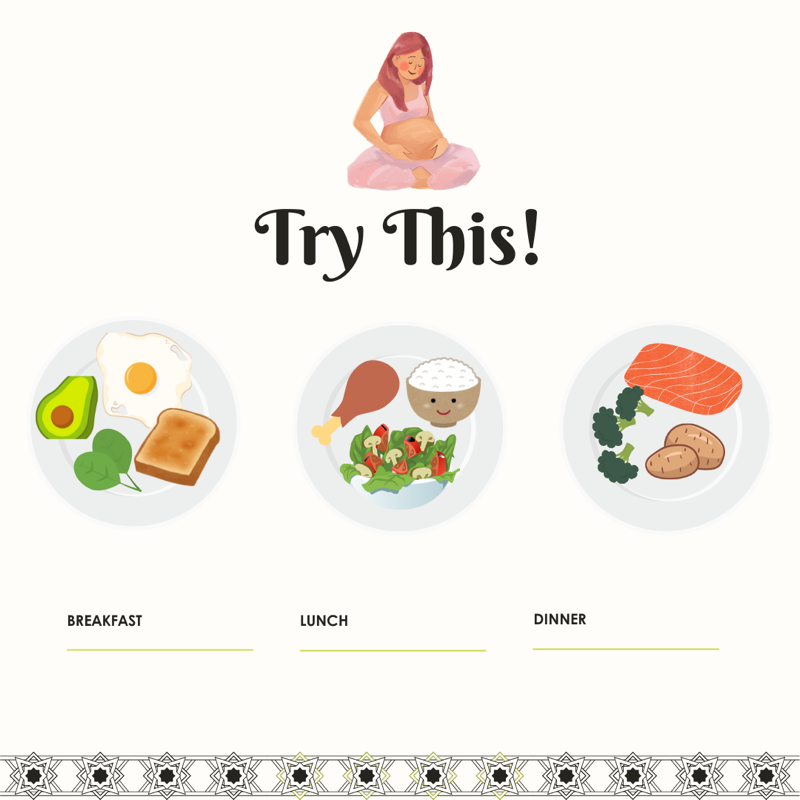
- Breakfast: Scrambled eggs with whole-grain toast and avocado are a great source of protein, healthy fats, folate, and iron (especially if the toast is fortified).3
- Lunch/Dinner: A grilled chicken wrap with fresh vegetables provides iron and protein, while an alternate option like salmon with roasted sweet potatoes, kale, and brown rice offers omega-3s (DHA), vitamin D, calcium, and fiber.3
- Snacks: Greek yogurt with almonds and fruits provides calcium, protein, and vitamin C, while hummus with vegetables and whole-grain chips adds iron, fiber, and healthy fats.
For those following a vegetarian diet, here’s another balanced daily meal plan:
- Breakfast: Fortified oatmeal topped with sliced strawberries and chia seeds, rich in iron, vitamin C, omega-3s, and fiber.
- Lunch: A quinoa and black bean bowl with roasted bell peppers, tomatoes, and avocado, providing plant-based iron, folate, vitamin C, and healthy fats.
- Dinner: Lentil and spinach curry with brown rice and a side of steamed broccoli packed with iron, calcium, folate, and vitamin C to enhance absorption.
- Snacks: A smoothie made with fortified plant-based milk, banana, and peanut butter or carrot sticks with hummus for a boost of protein, calcium, and iron.
 Nutrition Support and Education During Pregnancy
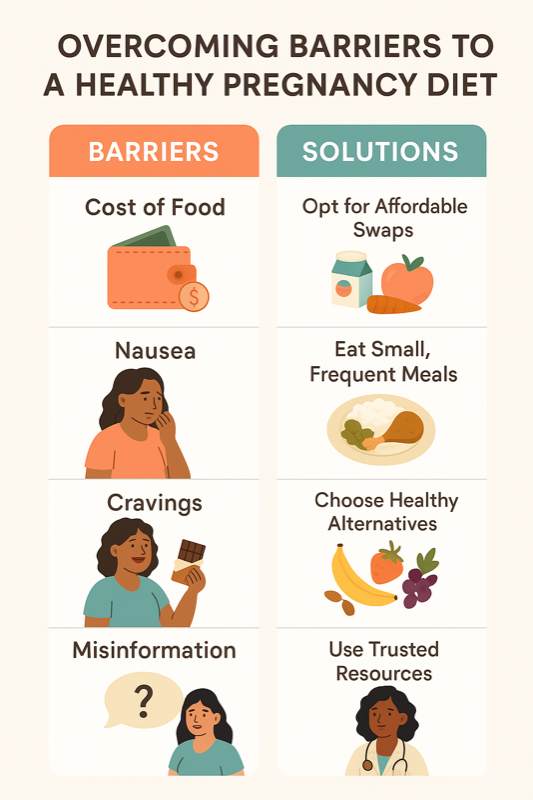
Getting the right nutrition information during pregnancy can feel overwhelming, but there are resources and support systems designed to help. Accessing nutrition education through regular prenatal visits or local programs can help you make informed food choices that work for your lifestyle, cultural preferences, and budget.
Whether you’re preparing for pregnancy or already expecting, learning about preconception and prenatal nutrition can make a real difference. Small changes like understanding how to combine iron-rich foods with vitamin C or choosing calcium-fortified products can have a big impact on your and your baby’s health.
You don’t have to do it alone. These organizations offer free or low-cost guidance and support:
- WIC (Women, Infants, and Children): Offers nutrition education, healthy foods, and breastfeeding support.
- Healthy Start: Provides care coordination and nutrition assistance for women and infants.
- Florida Pregnancy Care Network: Connects women with pregnancy resources and nutrition services in Florida.
Before making any significant changes to your diet or starting supplements, be sure to consult with your doctor or a registered dietitian. They can help tailor a plan to meet your individual needs and ensure you and your baby are getting the right support.
Small Changes to Increase Nutrition Can Have a Large Impact on Health
Small, intentional food choices like incorporating nutrient-dense meals and overcoming common barriers can make a significant difference during pregnancy. Taking charge of your nutrition doesn’t have to be overwhelming; even small changes can have a lasting impact.
 Here are a few simple ideas to get started:
- Add spinach or lentils to soups and stews for extra iron and folate
- Snack on fruit like oranges or strawberries to boost vitamin C
- Choose whole grains (like oats or brown rice) instead of refined carbs
- Include fortified dairy or plant-based milk for calcium and vitamin D
- Try a handful of nuts or seeds for healthy fats and protein
This week, try one of these small choices. Nourish your body, nurture your baby. Every meal is an opportunity to support your baby’s growth and your well-being. You have the power to make informed, nourishing decisions that will benefit both of you for years to come.
References
- Marshall NE, Abrams B, Barbour LA, et al. The Importance of Nutrition in Pregnancy and Lactation: Lifelong Consequences. American Journal of Obstetrics and Gynecology. 2021;226(5):607-632. doi:https://doi.org/10.1016/j.ajog.2021.12.035
- Qin Y, Xie L. Nutrition and Supplements during Pregnancy: A Vital Component in Building the Health and Well-Being of Both the Mother and the Developing Baby. Nutrients. 2023;15(15):3395-3395. doi:https://doi.org/10.3390/nu15153395
- Marangoni F, Cetin I, Verduci E, et al. Maternal Diet and Nutrient Requirements in Pregnancy and Breastfeeding. An Italian Consensus Document. Nutrients. 2016;8(10):629. doi:https://doi.org/10.3390/nu8100629
- Kavle JA, Landry M. Addressing barriers to maternal nutrition in low- and middle-income countries: A review of the evidence and programme implications. Maternal & Child Nutrition. 2017;14(1):e12508. doi:https://doi.org/10.1111/mcn.12508
Looking for more posts sharing stories about nutrition hot topics? Check out the rest of the UF/FSHN Nutrition Stories Series!
 1
1