In the 1950’s 60’s the screwworm was an ongoing burden with livestock but over years with research, breeding sterile male flies and monitoring it was eliminated in United States. Then in 2016 they were detected in Monroe County that wiped out 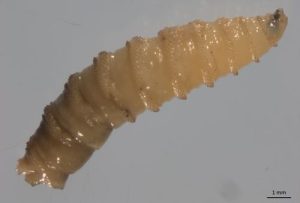 large percentage of the protected Key West dwarf deer (Key deer). The severity of this article stems from a recent detection of the pest in northern Mexico 70 miles from the Texas border. The Screwworm poses a severe threat to goats, sheep, cattle, birds, bison, horses, and even humans. The fly lays eggs on living tissue like a wound on warm blooded animals where they feed on healthy tissue and then wound gets larger. This is an easy way to identify Screwworm maggots to others as they will be on living tissue only.
First:
If you suspect signs of infestation of screwworms on any livestock or domestic animals or humans, please call Florida Department of Agriculture and Consumer Services (FDACS) at 833-264-6250 or 800-342-5869 (after hours) or report online at www.FDACS.gov/RAD
For suspicion of infestation on wildlife contact the Florida Fish & Wildlife Conservation Commission hotline at 888-404-3922 or email: wildlifehealthteam@myFWC.com
Second:
If unsure, take a photo, or if possible, take sample of the maggot, placing it in alcohol and take to veterinarian or send photo to either of the links above, FDACS or FWC.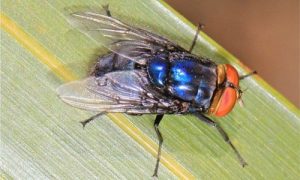
The disease can be treated in livestock when detected early enough. Veterinarians have products that are effective in treatment. Additionally, the release of sterilized male fly’s is shown to be the best action so far. But keeping a watchful eye and reporting any suspicions is a significant step in preventing its devastating spread. For more information on the pest go to USDA’s specific site: https://edis.ifas.ufl.edu/publication/IN1146 and UF/IFAS publication https://edis.ifas.ufl.edu/publication/IN1146
 0
0