Bugs are an incredibly important part of the environment. Many pollinate plants, including fruits like berries and melons, help make the soil healthier by breaking down leaves, wood, and other organic matter, serve as food for wildlife like fish and birds, and they can also eat pesky bugs in the home and garden.
To celebrate the many benefits of bugs, UF/IFAS Extension Sarasota County staff partnered with Ringling College students and Master Gardener Volunteers to bring nine bug bungalows to life on our campus! Learn about the bugs that inspired these bungalows and come see them in person at 6600 Clark Rd, Sarasota, FL 34241. Find all nine to uncover the magic word and win a special prize – while supplies last. To get started, grab a brochure from the dark green kiosk by the pollinator garden and shell parking lot.
Featured Bugs

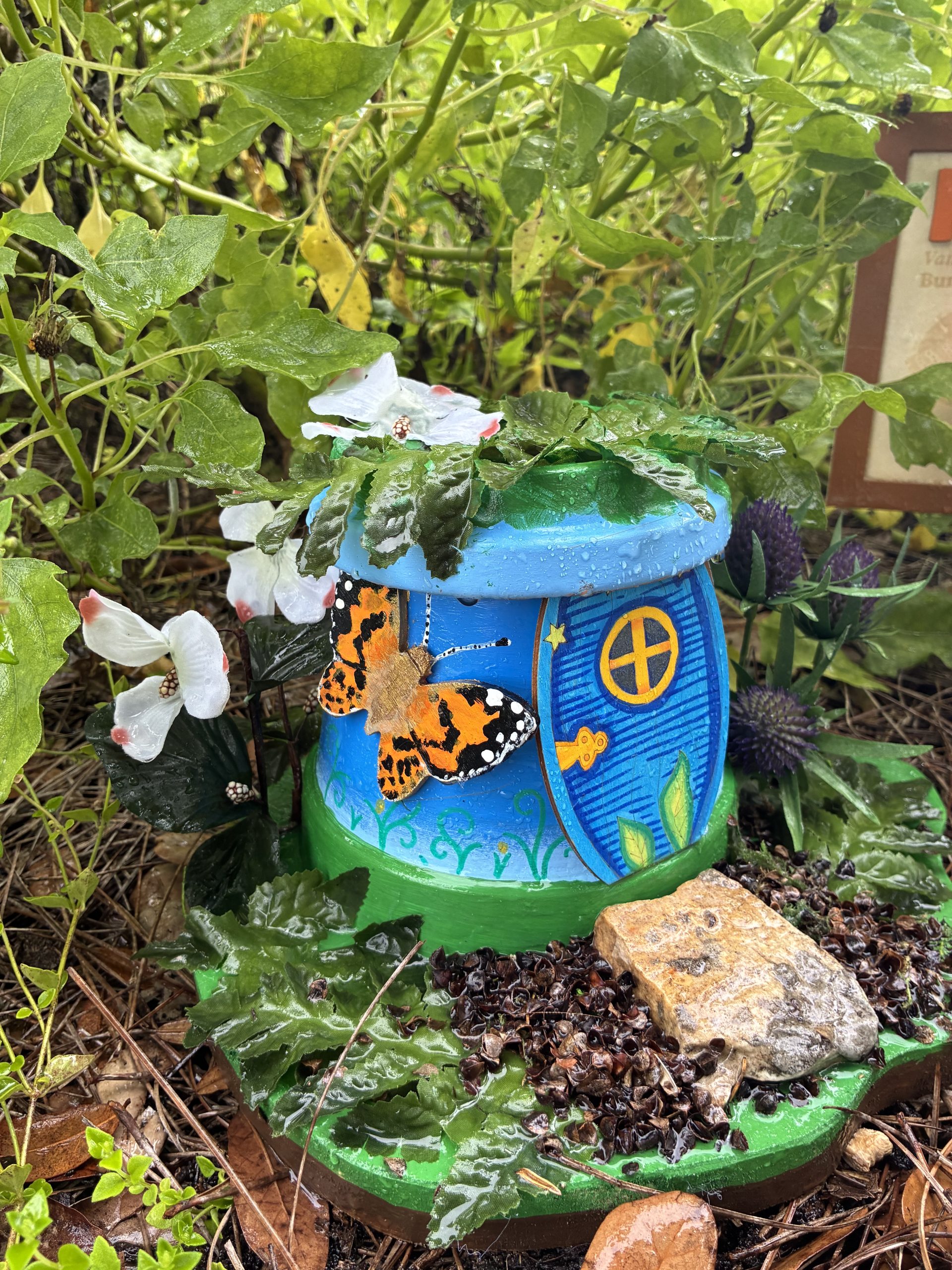
Painted lady (Vanessa cardui)
The painted lady butterfly is the most widely distributed of all butterfly species, making them an important, far-reaching pollinator. They are also a model organism used for teaching the butterfly life cycle in classrooms. Adults can be found flying around clear spaces like empty fields and gardens, or feeding on nectar from tall (3-6 feet) plants like blazing star (Liatris). In the afternoon, males can be spotted flying about in their search for mates. While adults are flashy, painted lady eggs are far more elusive. These juveniles, only the size of a pin head, are laid on leaves as a single green egg, making them very difficult to spot. Once these eggs hatch, the following caterpillar stage may be seen feeding from a diverse range of over 100 host plants, such as hollyhock (Alcea) and mallows (Malva).


White peacock (Anartia jatrophae)
The white peacock butterfly may be encountered in natural (e.g. marshes, lakes) and disturbed areas, and are drawn to the warmer climate of South Florida. This insect moves low to the ground to stay close to its host plants, including herb-of-grace (Bacopa monnieri), beggarticks (Bidens alba), and turkey-tangle frogfruit (Phyla nodiflora). Males may be seen fighting with other males over territory that spans 50 square feet, about the size of a walk-in closet. White peacocks are active pollinators throughout the year in Florida.


Ornate bella moth (Utetheisa ornatrix)
The ornate bella moth is diurnal, meaning that it is active during the daytime. This diurnal nature makes the ornate bella moth easier to spot than its nocturnal relatives. To find this pollinator, look near its host plant, rattlepods (Crotalaria spp.). Adults lay eggs on Crotalaria, and the host’s foliage and seeds will later serve as food for larvae. Crotalaria contains chemicals called pyrrolizidine alkaloids, which builds up in the larvae as it is consumed. This makes the ornate bella moth poisonous to predators. This feeding behavior is not just useful for the moth, but for Floridians and their cattle. Rattlepods are non-native species that are toxic to livestock. Keeping this species under control is necessary, and the ornate bella moth serves this purpose through consuming their seeds.

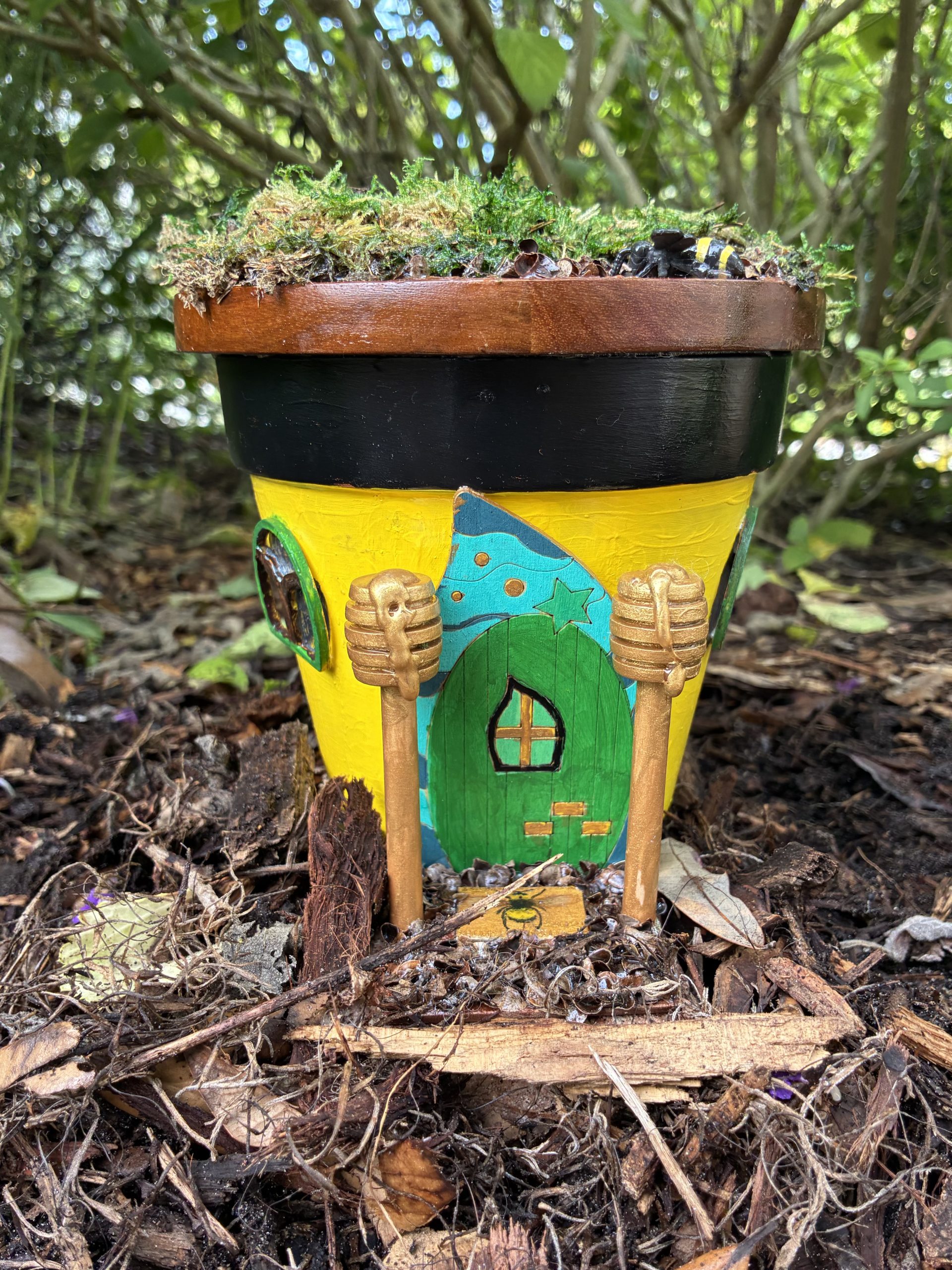
American bumblebee (Bombus pensylvanicus)
The American bumblebee can be found in ground surface nests or in fields of seasonal wildflowers. In the spring, bumblebee queens pollinate wildflowers like goldenrods (Solidago spp.) and vetches (Vicia spp.) as well as food crops for fruits and vegetables. In the fall, her daughters take over pollination work. Unfortunately, this species’ population has declined severely in the last decade. This may be due to a number of reasons, such as habitat loss, pesticides, and possibly a virus sourced from European bumblebees. Bumble bees perform buzz pollination, a method to collect pollen. The bee holds on to a flower and intensely vibrates its wings and body, freeing the pollen and leading to pollination. Buzz pollination impacts blueberries, tomatoes, and peppers, among other plants.


Convergent lady beetle (Hippodamia convergens)
The convergent lady beetle can be seen flying among plants, going anywhere where it can find its prey — aphids (Aphidoidea), a notorious plant pest. Mature ladybugs can eat up to 25 aphids per day. Larvae can eat 10 times that number. Lady beetles are a popular method to manage aphids, and some species are even commercially sold for pest control. However, lady beetles eat more than just aphids; they are also known to consume other pests like mites and fruit flies. Fun fact: the larvae of lady beetles are alligator-shaped!


Carolina mantis (Stagmomantis carolina)
The Carolina mantis can be spotted in undergrowth, like low bushes and small trees. This mantis has a huge appetite and is not a picky eater. Carolina mantises will even eat each other, including mates and siblings! They will also eat pests like Colorado potato beetles (Leptinotarsa decemlineata) and male bagworms (Psychidae).
Ivory millipede (Chicobolus spinigerus)


The ivory millipede prefers to be somewhere moist, but not flooded, as they need enough oxygen to breathe. This millipede is often found under natural materials like rocks and logs, or in the upper layers of soil, where it can access organic matter. Organic matter is carbon-based material made of the living and decaying remnants of organisms like plants and animals. The ivory millipede needs organic matter because it is a detritivore, meaning it gets nutrients from a type of organic matter called detritus. The millipede breaks down the detritus and releases its nutrients back into the soil, improving soil health by cycling nutrients. Fun fact: Ivory millipedes are a favorite in the pet millipede industry due to their pigmentation and tame behavior.


Atala (Eumaeus atala)
Atala butterflies move close to the ground. They may be seen around a native cycad called coontie (Zamia integrifolia), their primary host plant. Coontie contains a toxic chemical called cycasin. Cycasin is toxic to pets like cats and dogs, with even just 1-2 seeds having the potential to be fatal. However, larvae can tolerate cycasin enough to eat the cycad and build up the chemical in their tissues, which makes Atala unpleasant for predators to eat. The vibrant colors on an Atala’s wings warn predators of this phenomenon. This is an example of a defense called aposematism, where a species warns of its awful taste through the use of bright colors and striking patterns. Besides this butterfly’s fun and practical look, another reason the atala is so fascinating is its role in nutrient cycling. Excrement from the Atala brings nutrients to the soil, improving soil health much like the ivory millipede.


Zebra longwing (Heliconius charithonia)
The zebra longwing, Florida’s state butterfly, can be observed flying slowly around as it consumes flower nectar and pollen. Feeding on pollen is uncommon for butterflies, but the Zebra longwing uses their saliva to break down pollen into edible forms that are high in protein. As a result of this protein boost, these butterflies can extend their lifespan and egg-laying period. Zebra longwings are great pollinators due to their frequent reliance on flower pollen. In addition to their unique pollen diet, this species’ feeding patterns are also impacted by their high intelligence and strong memories. These butterflies engage in a foraging strategy called trap lining, which means that they eat at the same plants day after day. In fact, they will continuously return to the area of previous food sources, even if the sources disappear.
How to Help
Below are a few ways to help the covered bug bungalow species, as well as the many other species living in Florida’s backyards and gardens.
Use fallen leaves as mulch.
Fallen leaves act as habitat for a variety of wildlife, from the invertebrates in this article to turtles, birds, mammals, and more. Leaf litter also returns nutrients to the soil, which supports the ecosystems wildlife depends on.
Plant Florida-friendly plants.
Following the principles of Florida Friendly Landscaping™ can provide food sources for wildlife, reduce harm to local water bodies, and improve soil health, all factors that can benefit the bug bungalow species.
Provide water by building a puddler.
To build a puddler, start with a shallow container, like a plant saucer. To prevent overflow during rainfall, it may be worth poking holes near the rim if the container is plastic. Add builder’s sand to provide salt for the bugs, and mud for nutrients and minerals. Place rocks in the container to give bugs places to perch. Finally, make sure to regularly add fresh water. If possible, place the puddler in an undisturbed area that receives sunlight and is close to flowering plants. Routinely empty the puddler every few days to avoid mosquitoes.

Leave logs, plant stems, and bare patches of soil in your garden to serve as habitat.
As mentioned, ivory millipedes (among many other invertebrates) can live under logs. Many species of bees use plant stem cavities for nests. Bare patches of soil also provide homes for bees, with about 70% of the over 20,000 bee species worldwide building nests underground.
Admire from afar – avoid disturbing bugs when possible.
Give bugs and other wildlife space to avoid causing them harm or stress.

Acknowledgements
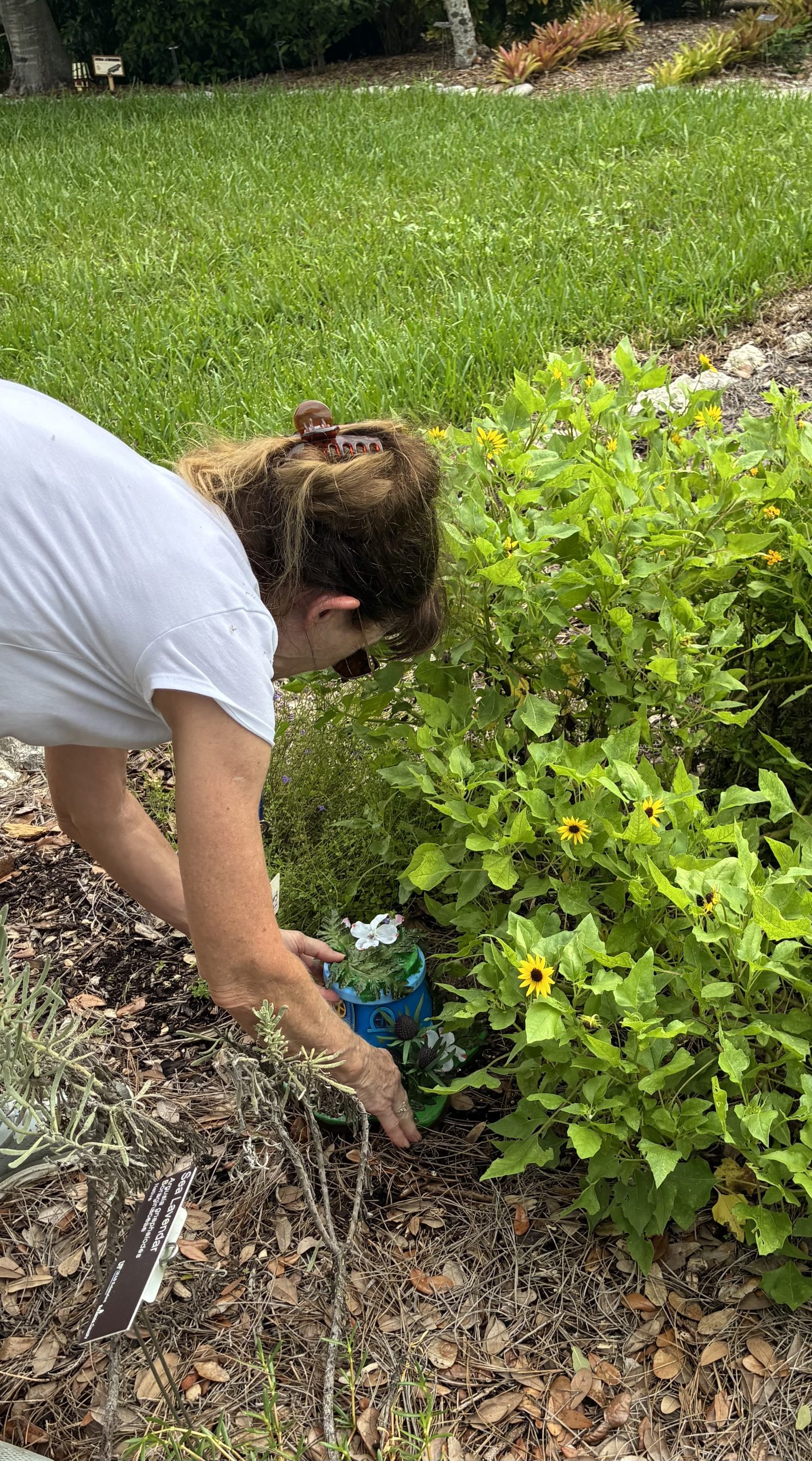
Thank you to the following individuals for their contributions in bungalow design and/or installation: Beth McCarthy, Cindi Nemitz, Erin Petersen, Eva Treffert, Forest Hecker, Grace Johnson, Jackie Lebouitz, Linda Collins, Paige Osborne, Peyton Alviani, Ruby Jo Hatlevig, Sam Tanelli, Sam Woods, Taliya Gomez, Valerie Miller
Bug bungalows photos credit: Erin Petersen, UF/IFAS
 3
3