We often see gardeners using non-native tropical milkweed (Asclepias curassavica L.) in their landscapes—sometimes without realizing it was recently added to the UF/IFAS Assessment of Non-Native Plants in Florida’s Natural Areas list as Invasive and is now recognized as a Category II invasive plant according to the Florida Invasive Species Council (FISC). While tropical milkweed can be eye-catching, it highlights an important reminder: plant choice matters.
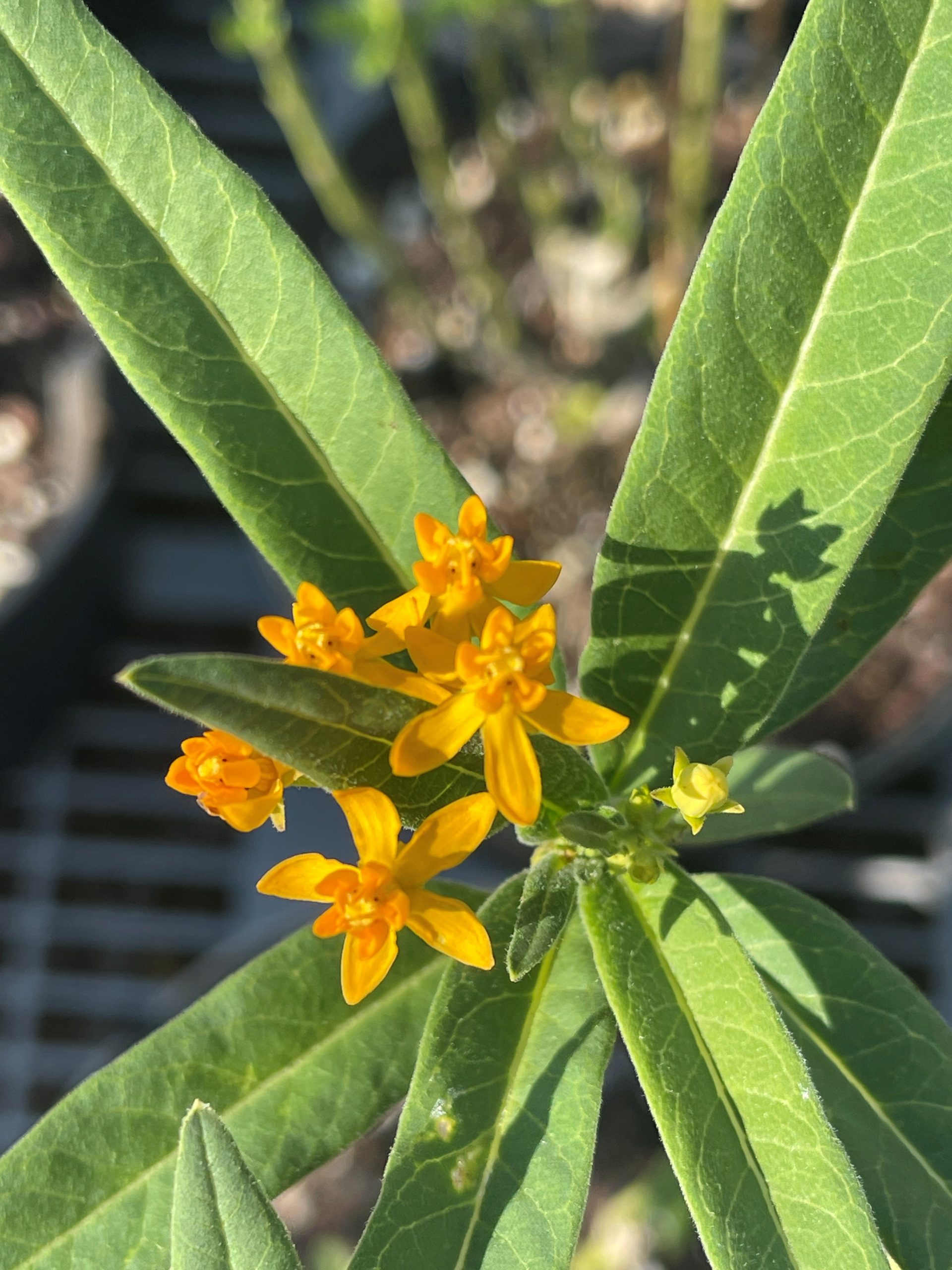
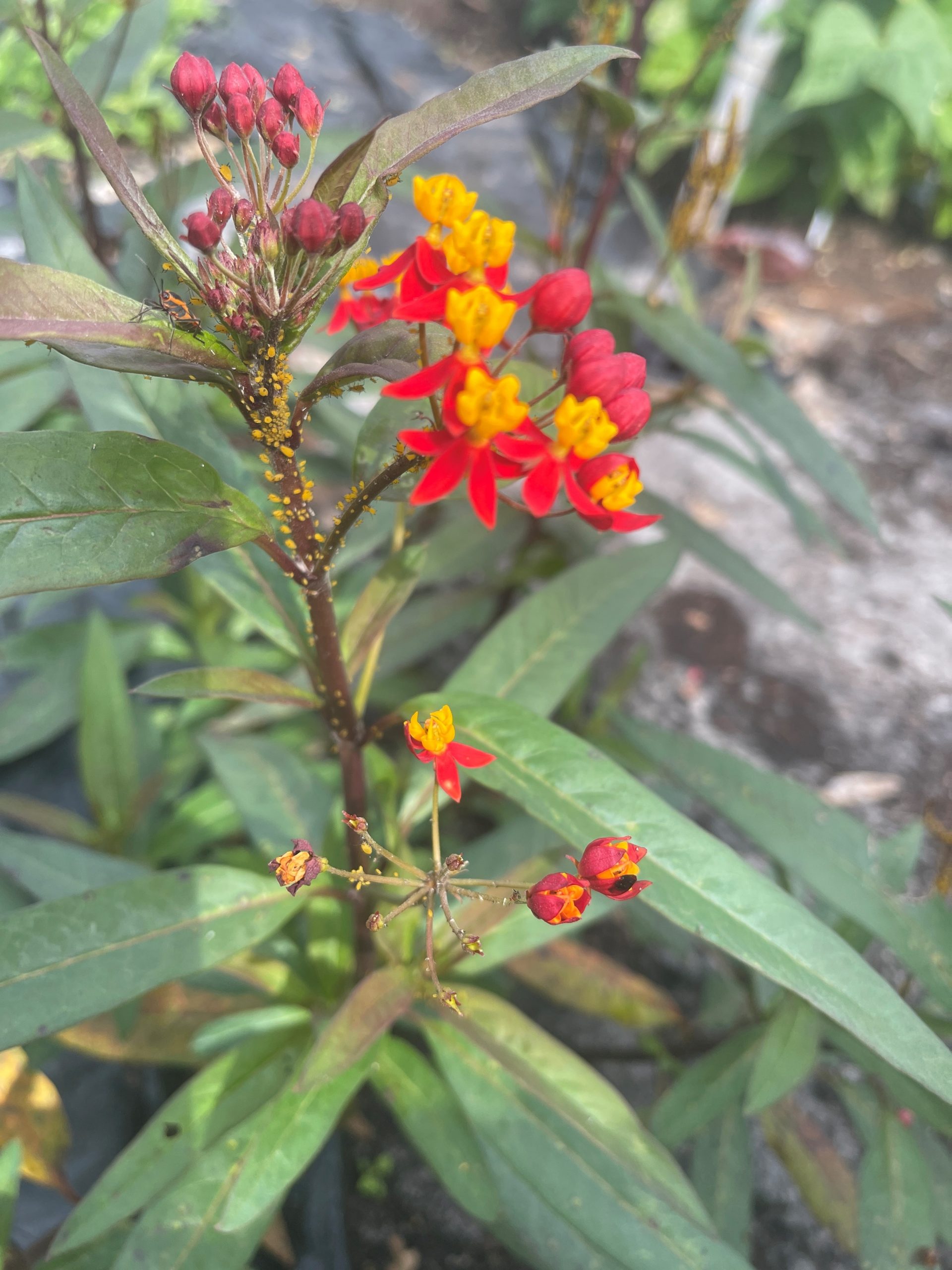
An invasive species is a plant that is introduced outside its native range and spreads aggressively, displacing native plants and disrupting local ecosystems. Once established, invasive plants can be difficult to control and costly to manage. One of the most effective ways to protect Florida’s natural areas is simple—don’t introduce invasive plants into our gardens.
The good news? Sarasota County is home to many beautiful native milkweed species that fit seamlessly into Florida-Friendly Landscaping™ (FFL) designs and support local ecology.
Meet Sarasota’s Native Milkweeds!
Florida has more than 20 native milkweed species, many well suited to home landscapes. Here are several commonly available options and where they thrive.
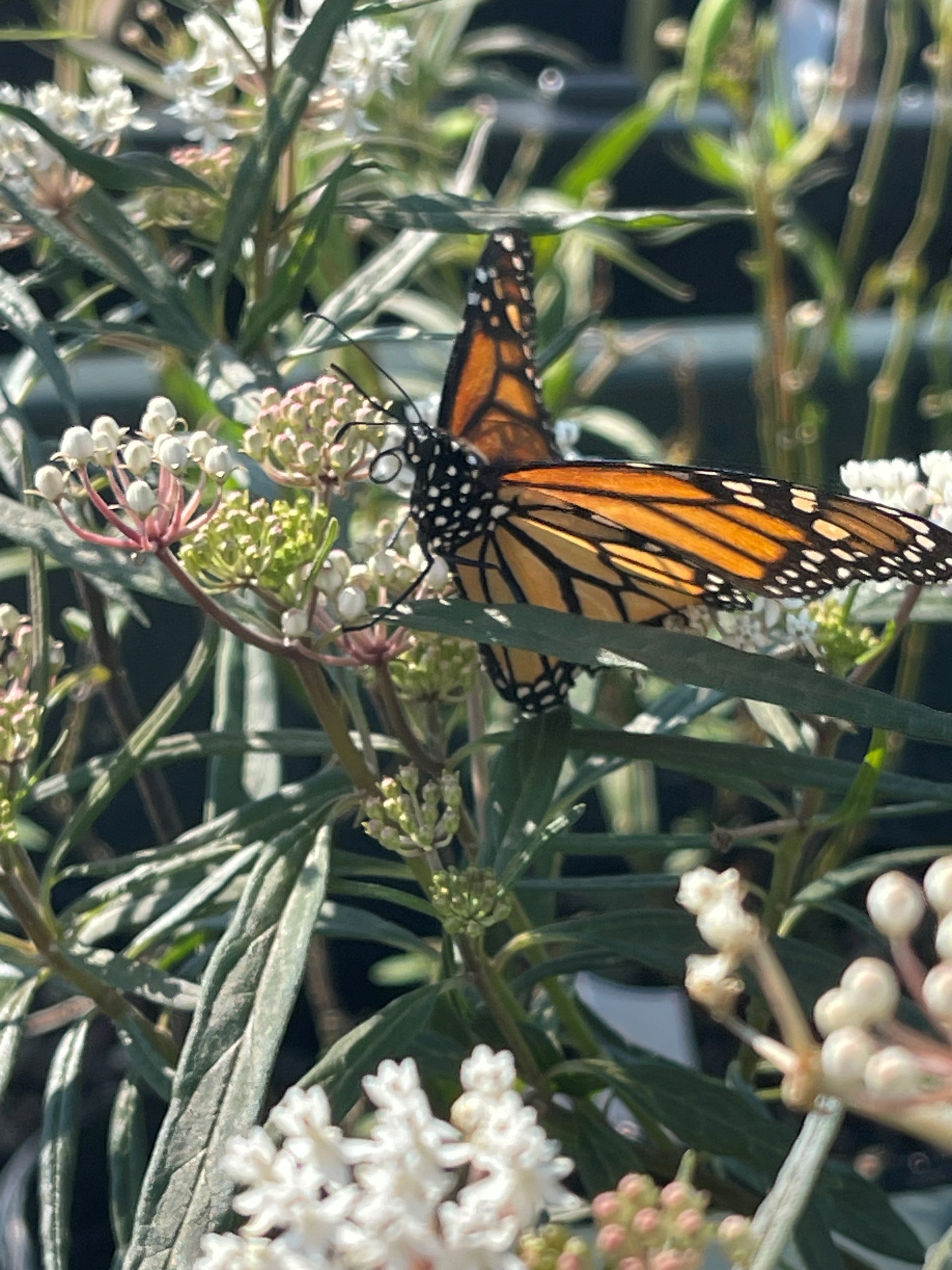
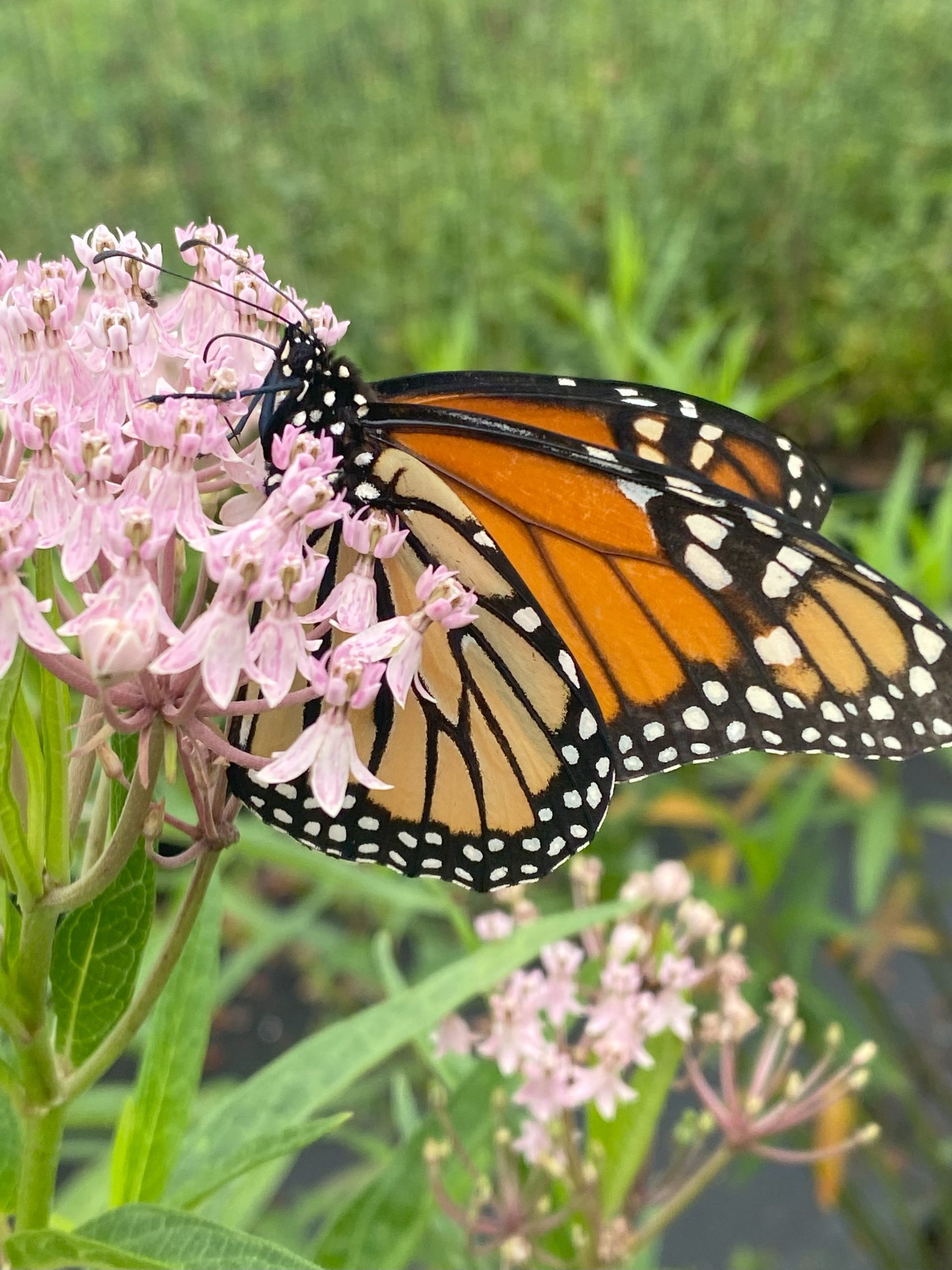
- Aquatic milkweed (Asclepias perennis) – Naturally grows in wet areas and seasonally flooded sites; white blooms spring through fall. Grows best in partial shade to shaded areas.

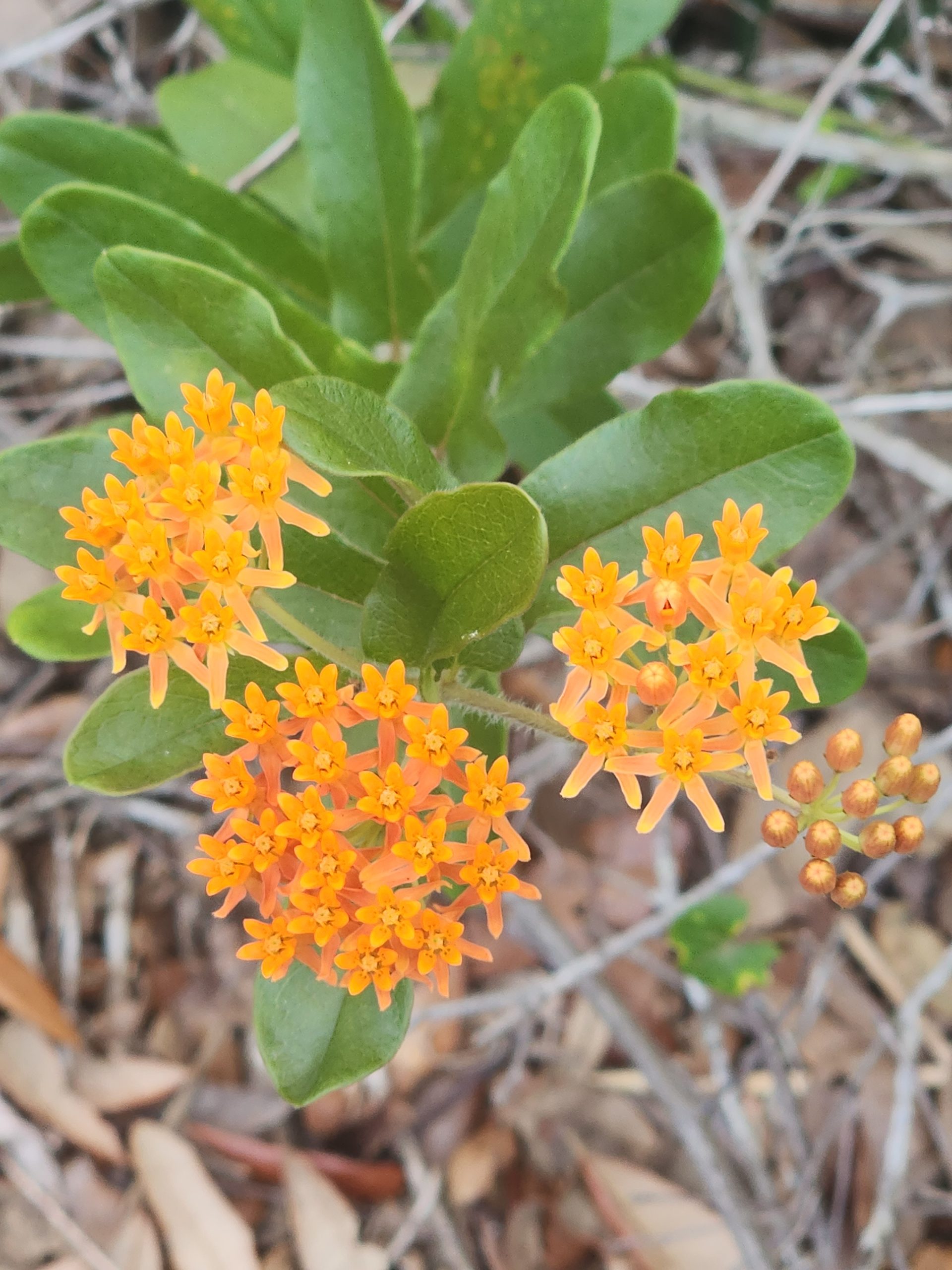
A monarch butterfly nectaring on aquatic milkweed (Asclepias perennis). - Butterflyweed (Asclepias tuberosa) – Prefers dry, well-drained soils; bright orange blooms in spring and summer.
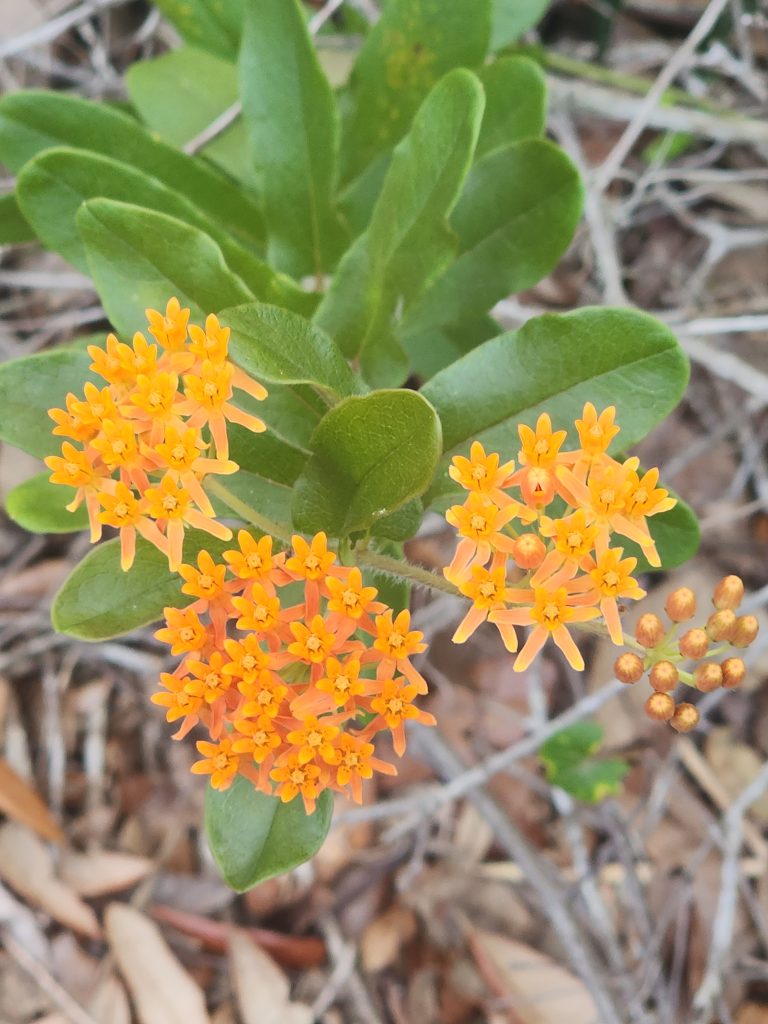
Butterflyweed (Asclepias tuberosa) is native from Miami to the panhandle, native to almost every county. - Pinewoods milkweed (Asclepias humistrata) – Sandy soils and open sun; spring blooms with striking veined leaves.
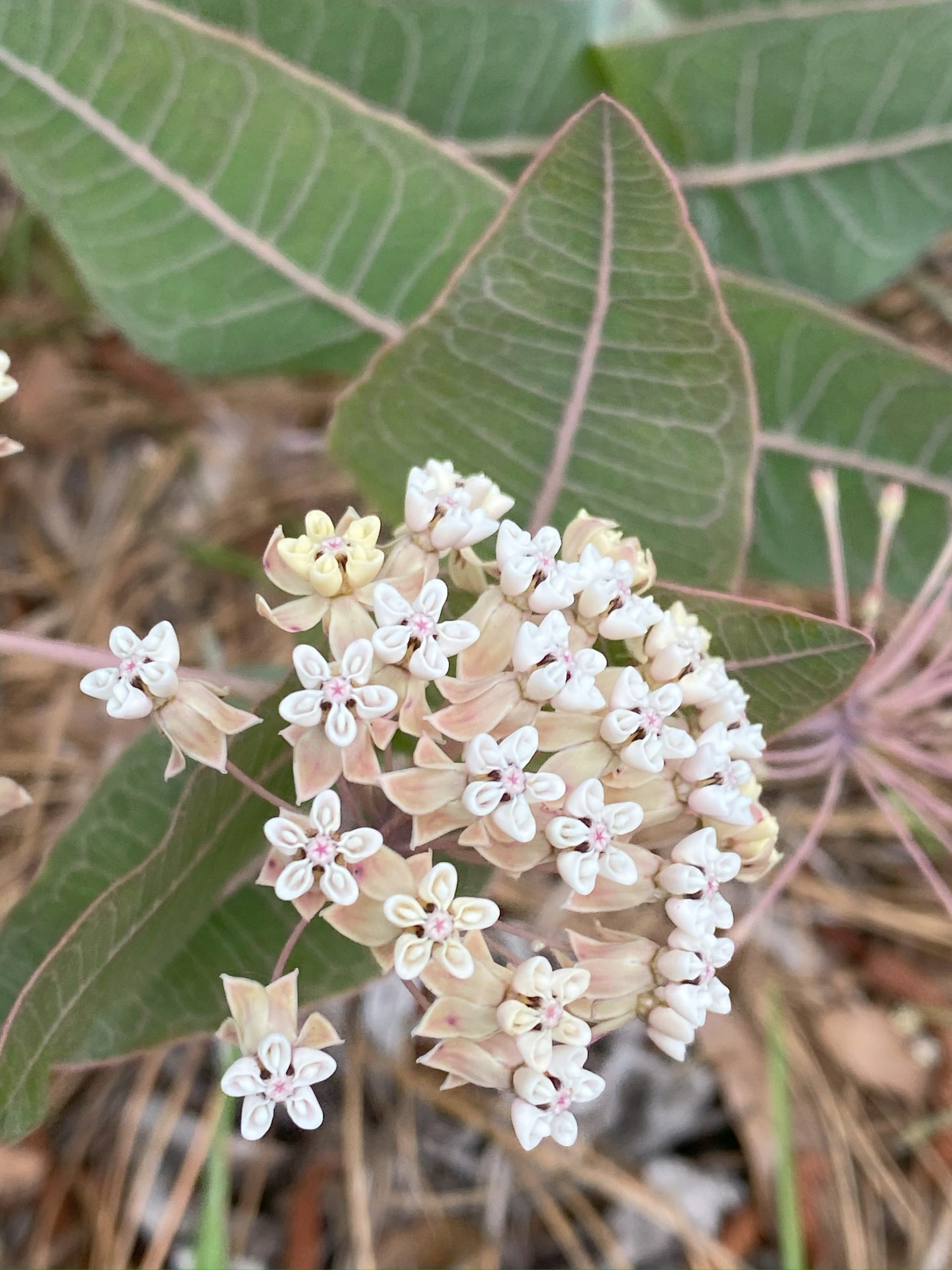
The Pinewoods Milkweed (Asclepias humistrata) is one of the most visual stunning of the native milkweeds. Hard to find and particular with its soil needs. It is for advanced gardeners. - Pink Swamp milkweed (Asclepias incarnata) – Moist to wet soils; pink flowers in summer.
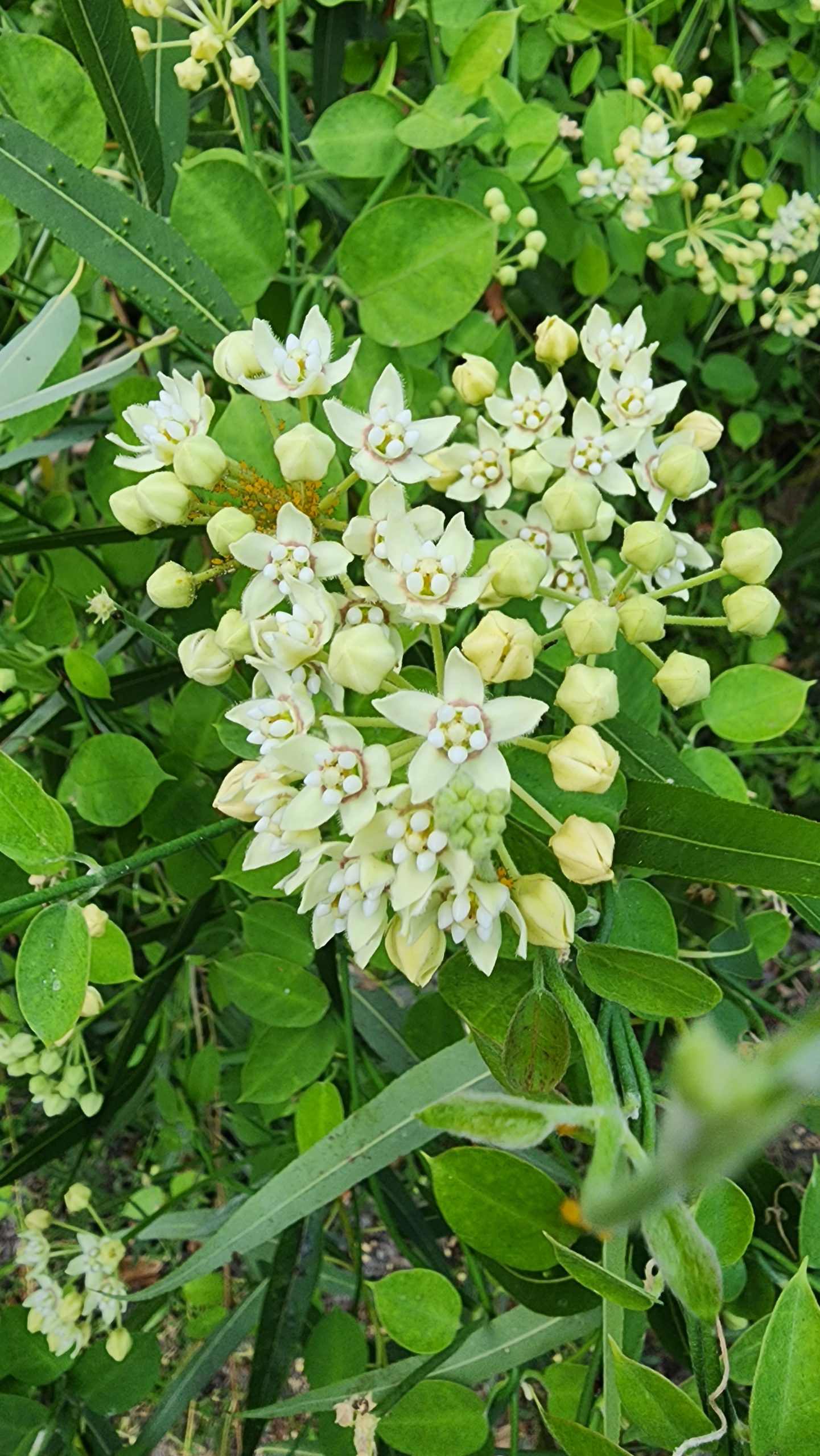
Pink Swamp milkweed (Asclepias incarnata) is easy to grow in waterlogged soils. It does die to the roots during the wintertime but comes back and reseeds. - Twinevine (Funastrum clausum) – While not a true milkweed, twinevine is in the same plant family (Apocynaceae) and serves as a host plant to monarch, queen and soldier butterflies. Naturally grows in wet areas and seasonally flooded sites; white blooms summer through fall. One of the easiest monarch hosts to grow and should be utilized more often by homeowners. For a vine very easy to control and add into a landscape.
White Twinevine (Funastrum clausum) growing on Carolina Willow. If this plant was called Climbing Milkweed, I think many more people would be buying it.
Design tip: For species that prefer wet conditions, consider planting them in containers without drainage holes or in low areas of the yard that stay moist. This allows gardeners with drier soils to successfully grow wetland milkweeds without over-watering the entire landscape.
Why Scientific Names Matter
One of the most important steps gardeners can take to avoid invasive plants and choose the right species is to know the plant’s scientific name before purchasing. Common names can be misleading—multiple plants may share the same common name, or a single plant may be sold under different names depending on the nursery or region. Scientific names provide a universal, precise way to identify plants, ensuring you know exactly what you are bringing into your landscape.
For example, “milkweed” may refer to many different species, some native to Florida and others not. By checking the scientific name (such as Asclepias tuberosa or Asclepias perennis), gardeners can confirm they are selecting a Florida native species appropriate for local conditions, rather than a non-native or potentially invasive look-alike.
How to Find a Scientific Name at the Nursery
- Check the plant label. Reputable nurseries—especially native plant nurseries—clearly list the scientific name in italics or with the genus capitalized and species lowercase.
- Ask nursery staff. If the label only includes a common name, ask for the scientific name before purchasing.
- Use trusted resources. Tools such as the Ask IFAS, the Atlas of Florida Plants, or the Florida Association of Native Nurseries (FANN) directory can help verify plant identities.
- When in doubt, pause. If the scientific name isn’t available, it’s okay to wait and research before purchasing.
Knowing and using scientific names empowers gardeners to make informed decisions, avoid invasive species, and confidently select plants that support Florida-Friendly Landscaping™ principles and healthy local ecosystems.
Finding Native Milkweeds
When shopping for native plants, focus on reputable native plant nurseries. Members of the Florida Association of Native Nurseries (FANN) specialize in Florida native species and can help you select the right plant for your site conditions. Local plant sales and Extension events are also excellent sources for correctly identified native milkweeds.
Learn More
Florida Association of Native Nurseries: https://www.fann.org
Florida Wildflower Foundation: https://www.flawildflowers.org/
Florida Native Plant Society: https://www.fnps.org/
Video: Milkweeds, Monarchs, and OE in Florida – It’s Complicated
Dr. Jaret Daniels, UF Center for Land Use: https://www.youtube.com/watch?v=ZpPPXE5YHfg
Florida-Friendly Landscaping (FFL) App: Butterfly Gardening Tool: https://ffl.ifas.ufl.edu/butterflies/
EDIS Publication: Native Habitats for Monarch Butterflies in South Florida: https://edis.ifas.ufl.edu/publication/UW311
 3
3