In part one, we explored garlic’s history and its remarkable ability to help protect against germs, health problems, insects, and even unwanted company. Now, in this post, we’ll take a deeper look into vampire lore, the creatures and conditions found in nature that inspired these tales.
Vampiric Folklore
Vampires are supernatural, blood-drinking creatures that are said to stalk humankind in the darkness of night. Despite that, it seems highly unlikely a creature such as this would exist; almost every recorded ancient culture has woven myths or harbored fears about vampires and vampire-like creatures. Stories of these nocturnal beings surface in civilizations such as the Babylonians and Assyrians, Romans, Balkans, Inuits, and even in ancient Greece, India, China, and Africa. Some of these same ancient cultures used garlic, as mentioned in our previous blog. The vampires of today heavily draw inspiration from the Eastern European-Balkan traditions.
If you are interested in learning more about vampires, consider reading the Encyclopedia of Vampire Mythology by Theresa Bane and The Vampire Film: From Nosferatu to Interview with the Vampire by James Ursini and Alain Silver.
Vampires of the Animal Kingdom
You’ve probably heard of omnivores, herbivores, and carnivores, but have you ever heard of a sanguivore? Sanguivores are animals that feed only on blood, much like the vampires you find in supernatural stories. Some of the most well-known real-world sanguivores are mosquitoes, leeches, and vampire bats.
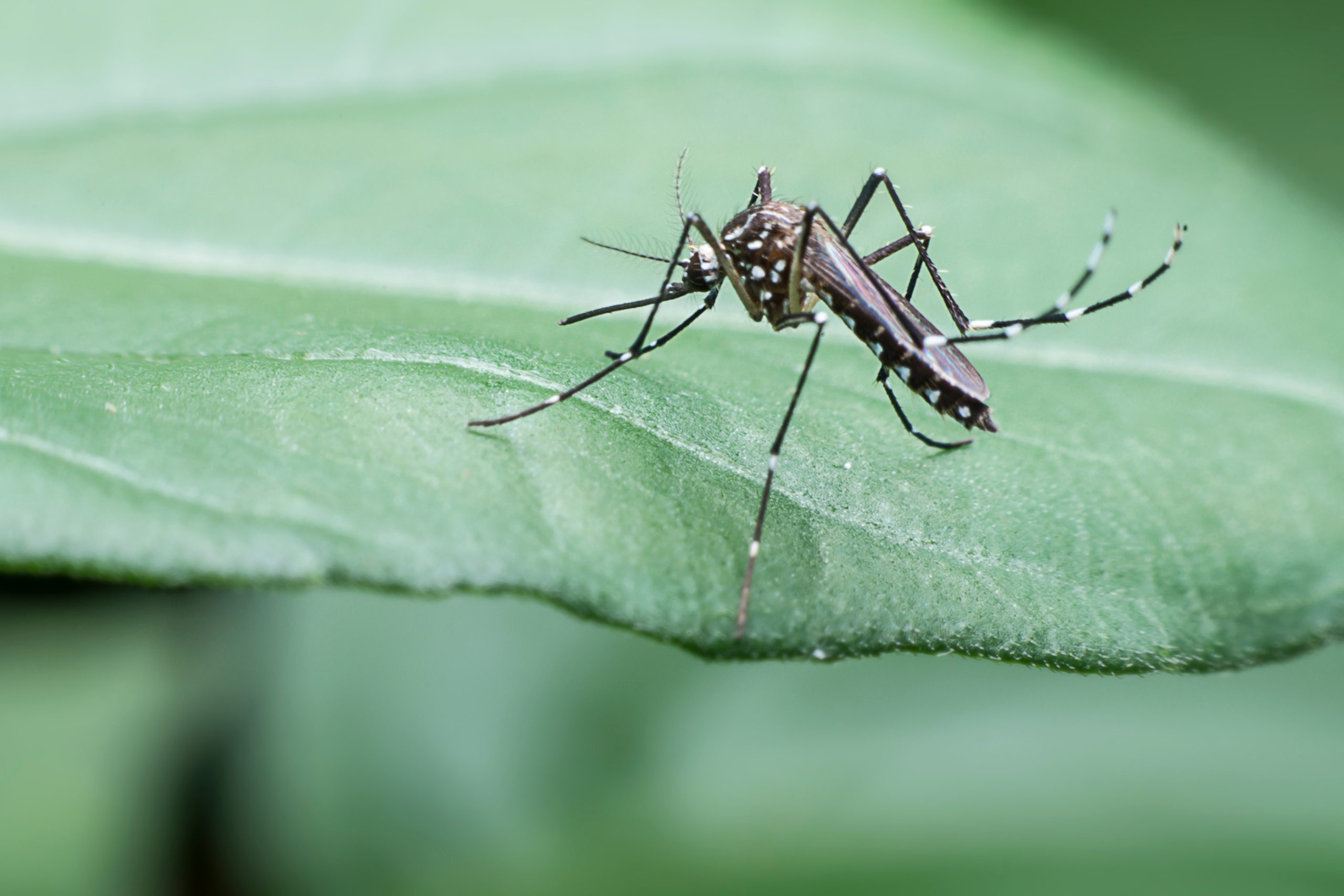
Mosquitoes
Mosquitoes are famous for their blood-sucking ways, but did you know that only female mosquitoes bite humans? They need the protein found in blood to help develop their eggs. Unlike vampires, mosquitoes are active during the day. Despite their size, mosquitoes are actually the deadliest animals on Earth! They spread deadly diseases such as dengue fever, yellow fever, Zika virus, malaria, and West Nile virus.
Leeches
Leeches are a type of segmented worm, and they can be predators, prey, parasites, or even carriers of other parasites. You’ll find leeches in quiet
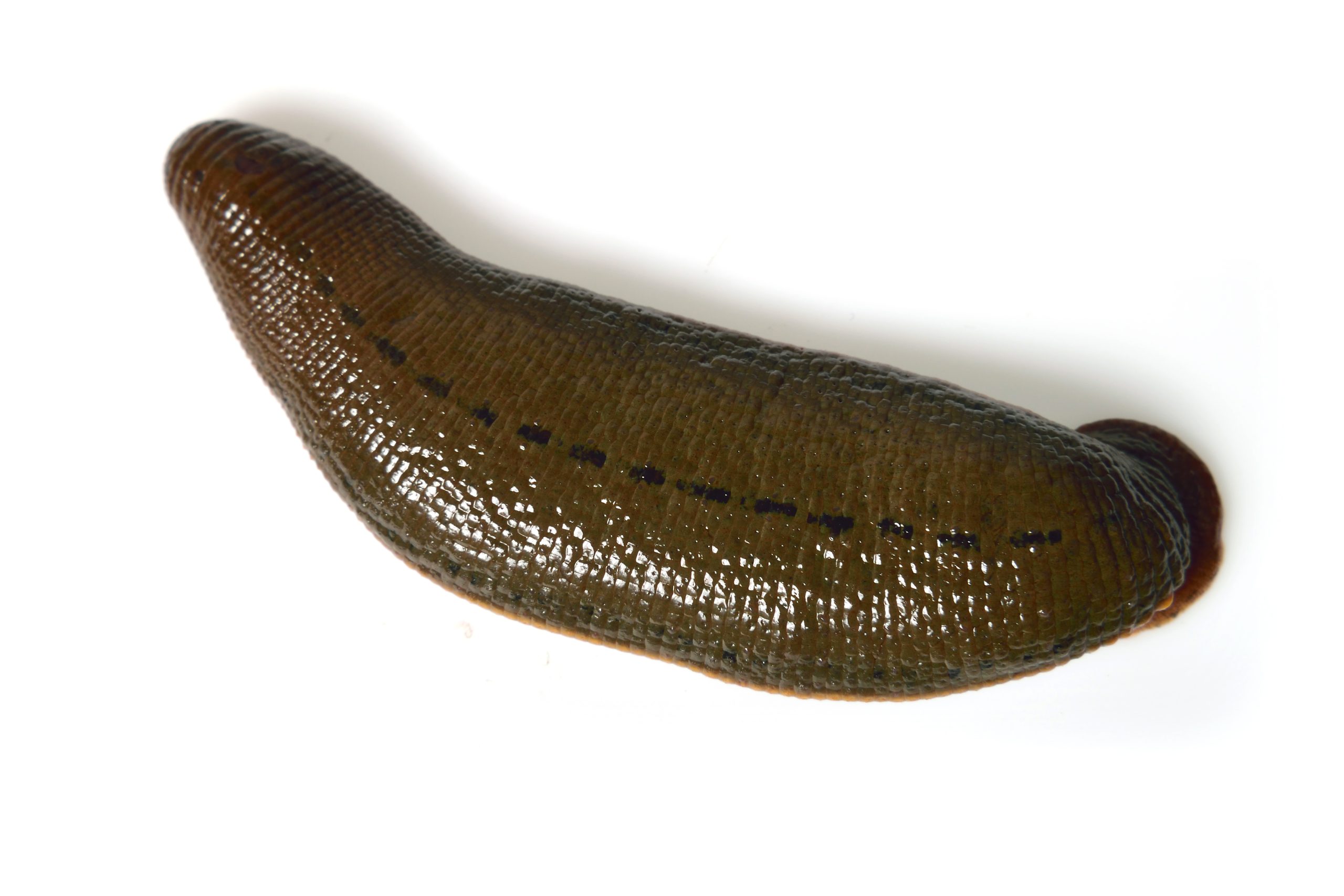
freshwater areas, often among aquatic plants or under rocks and logs; however, they are attracted to disturbances in the water. Predatory leeches eat
other small creatures like insect larvae, earthworms, snails, or even other leeches; they will consume their prey whole or pierce and kill them with specialized mouthparts. Parasitic leeches feed on the blood of fish, birds, amphibians, or mammals.
Leeches play a key role in nature’s food web, but they’ve also helped humans in medicine for thousands of years. In ancient Greece and Egypt, doctors used leeches for bloodletting, a practice not
supported by modern medicine. However, in some cases, such as after reconstructive plastic surgery, reattachment operation, or a skin graft, medicinal leech therapy may be recommended to prevent tissue death. Leech saliva contains an anticoagulant and antiplatelet agent, called hirudin, that works to prevent clots and reduce the amount of congested blood in tissues. Other chemicals in the saliva keep blood flowing to damaged areas, even after the
leech has been removed. This allows time for new veins to grow and the existing ones to widen and accommodate more blood flow.

Vampire Bats
Vampire bats get their name because they are the only mammal that is a sanguivore. However, despite media depictions, they rarely feed on humans. Vampire bats mostly drink the blood of livestock and sometimes wild mammals and birds. There are three species of vampire bats, the Common Vampire Bat (Desmodus rotundus), the White-winged Vampire Bat (Diaemus youngi), and the Hairy-legged Vampire Bat (Diphylla ecaudata), found throughout Central and South America.
The Diseases of the Vampires
Scholars have suggested that certain diseases may be linked to the origins of vampire legends. However, there isn’t a single illness that clearly explains where these myths come from, since vampire stories are found in many cultures and have evolved throughout history.
Disclaimer: This article is for educational and entertainment purposes only and is not medical advice.
Porphyria
Porphyria is the name for a group of rare, often genetic disorders that affect how your body makes heme – a key part of hemoglobin, which carries oxygen in your blood and gives red blood cells their color. There are eight types of porphyria, and they are grouped into two main categories: acute (hepatic) porphyrias and cutaneous porphyrias.
Acute porphyrias can cause severe attacks of abdominal pain, along with symptoms like fatigue, insomnia, hallucinations, and dark/red urine. Some types also make your skin react badly to sunlight, causing blistering rashes.
Cutaneous porphyrias can be divided into blistering and non-blistering types. People with the blistering type may develop skin discoloration, fragile skin, anemia, gray-brown teeth, and painful blisters after being in the sun. The non-blistering type can cause itching, swelling, or tiny red or purple spots called petechiae.
Many of these symptoms, especially the severe reaction to sunlight, remind people of the way vampires are often described in legends.
Pellagra
Pellagra is a serious disease caused by a severe lack of vitamin B3 (niacin) in the diet. Niacin helps the body turn food into energy, and you can get it from foods like poultry, fish, grains, nuts, and beans. Pellagra is known for its “four D’s”: diarrhea, dermatitis (sun sensitive), dementia, and, if untreated, death.
Historically, pellagra has affected poor communities in Europe, Africa, Asia, and the southern United States, especially where diets are limited in protein and rely mostly on corn. This is because the niacin in corn is in a form that’s difficult for our bodies to use, and there is a lack of protein, which makes it even harder to metabolize and absorb niacin. However, in Central and South America, the process of making corn tortillas in limewater overnight unbinds the niacin, making it available for absorption.
Rabies
Rabies is a deadly but preventable viral disease that spreads through bites or scratches from infected creatures. In the United States, most rabies cases are found in wildlife such as bats, raccoons, skunks, and foxes.
After being bitten by an infected person or animal, there are usually no symptoms at first; this is called the incubation phase. Early treatment is crucial during this time. The first signs of rabies resemble the flu, with fever, headache, and weakness, as well as discomfort or itching where the bite occurred. This stage is called the prodromal phase. Once the virus reaches the brain, there is no effective treatment.
Within about two weeks, symptoms become much more severe. People may experience anxiety, confusion, and hallucinations, along with the classic signs of rabies: extreme thirst, fear of water (hydrophobia), foaming at the mouth, and aggressive behavior like biting and thrashing. At this point, known as the acute neurologic phase, the disease is almost always fatal. Most people eventually fall into a coma before passing away.
The Scientific and Folkloric Blend
In the end, the connection between garlic and vampires is more than a quirky detail in folklore. It demonstrates the creativity of ancient civilizations in how they explained and survived in the world around them. As we’ve seen, the traits assigned to vampires frequently echo the behaviors of creatures and diseases that were mysterious to ancient minds. Garlic’s reputation for warding off evil, illness, and insects made it a powerful symbol and practical remedy, blurring the boundary between superstition and science.
Have a Happy Halloween!
An Equal Opportunity Institution.
 0
0