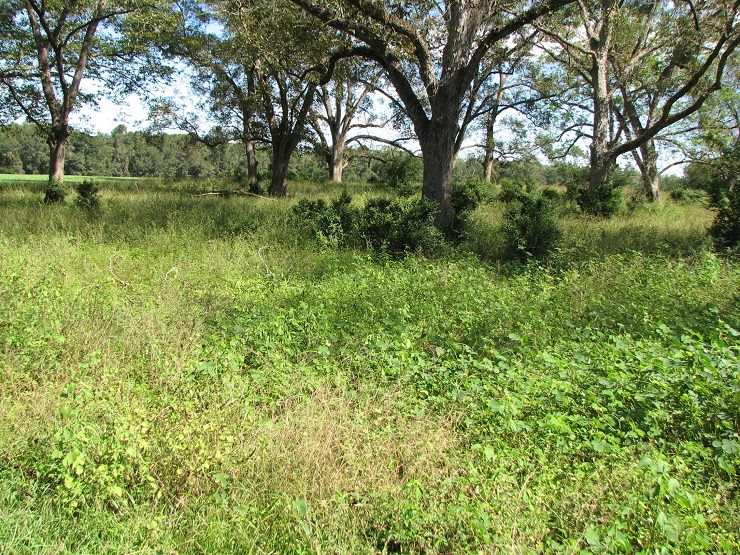
Using row crop land for cool season grazing is one of the great opportunities for North Florida livestock operations. Early crops come out in time to allow seedbed preparation for planting, and late harvested crops can be aerially over-seeded with ryegrass. Corn and soybean residue can be grazed by dry cows, if it’s not double cropped. It’s a real bonus to have additional land available in fall and winter, especially if these crop fields have fencing and access to water. Even if permanent fencing isn’t in place, temporary electric fencing can provide controlled access for grazing.
These temporary pastures, however, can present problems for the unaware. Issues can be especially likely when the crop manager and the livestock manager are not the same person, whether in a large operation, or when leased land is involved. Here are some of the concerns.
Toxic Plants
Row crop operators generally keep weeds out of the crop. However, they may not be as conscious of weeds in lay out areas of the field, under trees, in waterways or other non-cultivated areas. Toxic weeds may also emerge as a problem between crop harvest and grazing. Sicklepod can be a particular problem since it remains green after frost. Hungry livestock and livestock unfamiliar with a species are the ones most likely to consume toxic plants. I see more deadly night shade in loafing areas under or near trees and around water troughs that have been out of use than anywhere else.
Herbicide Carry Over
Adding clover or other legumes to cool season grazing increases forage quality and animal performance, but legumes are particularly susceptible to some herbicides. Be sure you know the herbicide history of a field before you invest in legume seeds and planting. Dead clover seedlings, or non-germinating seeds provide little or no biological benefits for your grazing, and absolutely no economic benefits to the operation.
“Left Overs” and “Left Opens”
These are less likely, but if you’ve been around livestock for long you’ve heard at least one story or had one incident like these. You’ll really kick yourself, if you get burned by one of them.
Make sure the crop operation hasn’t left anything that can be an issue for livestock. Check for pesticide, fertilizer, fuel, gas, oil and lubricant containers, or spills, batteries, or any equipment or parts which can cause physical injury to livestock. Curious, flighty and freshly weaned, put-together calves have an amazing ability to eat and drink things they shouldn’t, and run full speed into things a level headed momma cow will just walk around.
What’s a “left open”? That’s a fence or a gate that was damaged by the crop production enterprise, creating an open place in what used to be an effective containment system. Maybe you cut the fence when you had to get a fertilizer truck out of the mud last spring, and you thought one of your dear family members had fixed it.
All of these problems have happened to someone I know (a distressing number of them to me), so take some time to make sure you’ve prevented any Halloween surprises.
With cattle prices and many inputs at record levels, this year is no time to have poor preparation rob you of the financial opportunities cool season grazing can provide. You might not have any war stories to tell, but that’s a small price to pay for the insurance and peace of mind.
For further information on toxic plants go to UF/IFAS Solutions for your Life – Toxic Plants, or contact your local county Extension agent.
 0
0


Comments:
September 10, 2026
This is a helpful reminder for homeowners to check a repair company’s experience, insurance, and work details before hiring. Choosing a reliable handyman service can make the repair process much safer and easier. https://smarthands.ae/
September 4, 2026
The advice on checking licensing and insurance before hiring is really useful. Proper inspection, accurate repair work, and using the right tools can also help prevent small home issues from becoming costly problems.
September 1, 2026
Guiding homeowners through post-storm disaster recovery, emergency insurance claim scoping, and contractor vetting is essential for preventing contractor fraud and predatory pricing. When evaluating emergency repair estimates after hurricane damage, establishing itemized unit-cost breakdowns for water extraction, roof tarping, and structural mold remediation empowers homeowners to negotiate fairly with insurance adjusters and rebuild with complete confidence.
August 25, 2026
Really useful information, especially the part about moisture being one of the main factors behind mildew growth. The tips for clothing, carpets, wood, and bathrooms are practical too. Keeping things dry and well ventilated really seems to make a big difference. Thanks for sharing!
February 18, 2018
It was funnnnn. I learn how to throw a fishing net. I love fishing. Meeting new peoples was excited, food n activities was Awesome!!! Hats off to Mr. Lilly and Ms. Gladys. Hope to see u all next year. Thanks, Jabin Williams
January 16, 2016
I lost a three-year-old purebred Angus bull to plastic twine, despite our constant efforts to remove every strand from every bale fed. On rare occasions a string will catch and begin feeding into the baler before the twine arm trips, resulting in string in the center of the bale, which you don't find until the bale is consumed. You have to stay vigilant. I can't imagine feeding hay regularly without removing the net or string.
October 21, 2014
Hope we can get some winter grazing planted in the next 2 weeks. Still harvesting peanuts here and need to wrap that up first.
October 19, 2014
Nice article. Great things to keep in mind.
May 31, 2014
Great article. People just don't realize you/they pay for a hay barn even if you never build one. I feel like our barns pay for themselves in 4 years. Quicker if you carry any hay over from one year to the next. We like the room we save also by stacking them 3 high in our barns we can store 400 plus rolls under a 50 X 75 shed saving a lots of room around the farmstead. Thanks again, Tim Tucker
Comments are closed.