Honoring Wetlands and the Traditional Knowledge That Sustains Them
Every year on February 2, communities around the world come together to celebrate World Wetlands Day, a day established to raise awareness about the importance of wetlands for people and the planet. The date commemorates the signing of the Ramsar Convention on Wetlands in 1971, the first global treaty focused on wetland conservation.
This year’s theme, “Wetlands and Traditional Knowledge: Celebrating Cultural Heritage”, highlights the deep connections between wetland ecosystems and the cultural practices, wisdom, and stewardship of Indigenous peoples and local communities.
Why Wetlands Matter Now More Than Ever
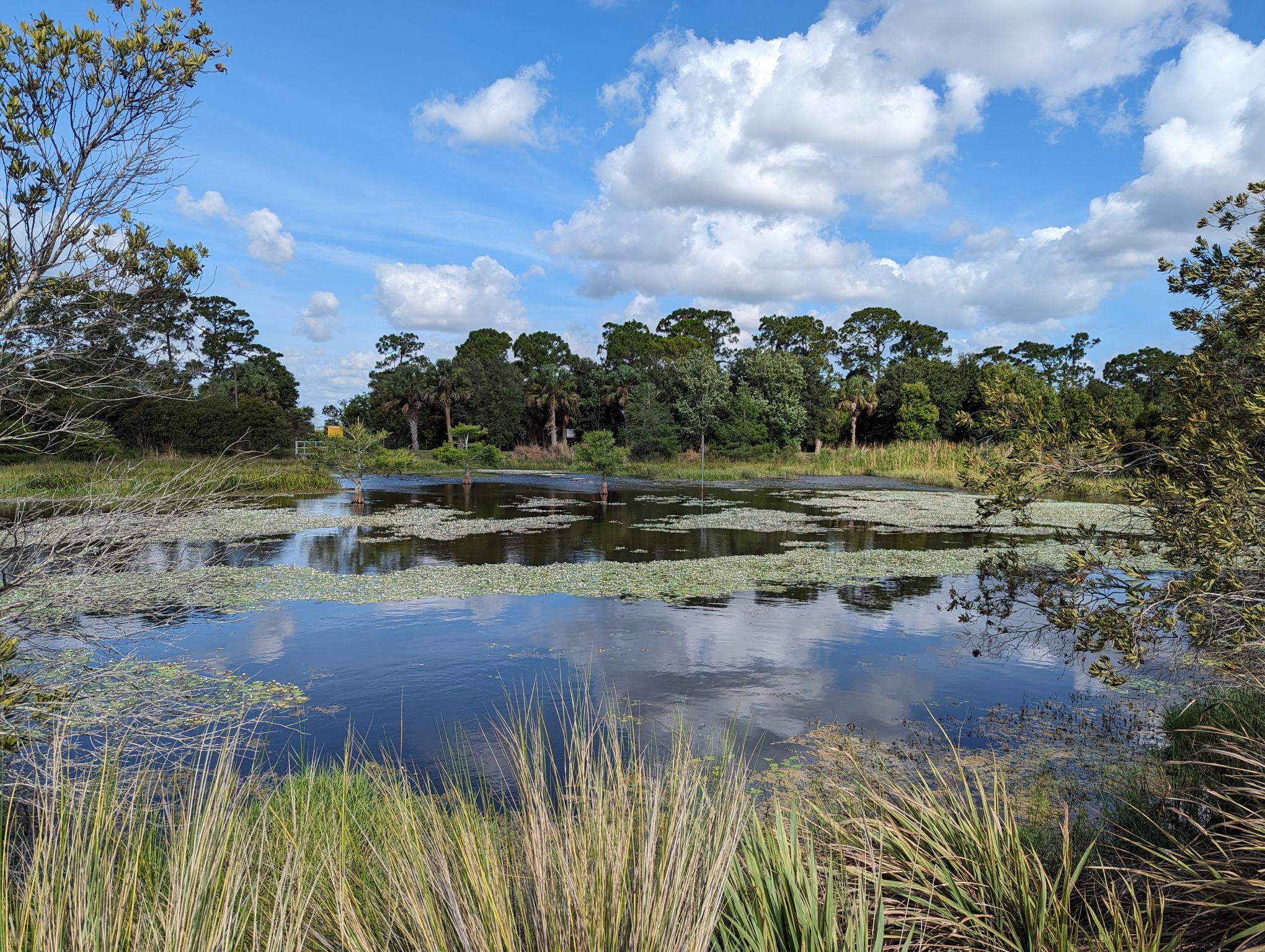
Wetlands are some of the most productive, biodiverse, and essential ecosystems on Earth. They include familiar Florida landscapes such as marshes, swamps, rivers, floodplains, mangroves, seagrass meadows, and coastal lagoons. These areas support countless plant and animal species, filter pollutants, store carbon, and protect communities from flooding and storms.
Globally, wetlands:
- Provide freshwater for billions of people.
- Act as natural water filters and climate regulators.
- Store immense amounts of carbon, especially mangroves, seagrasses, and peatlands. Mangroves can store four times more carbon than other tropical forests. Peatlands, covering only 3 percent of land, store twice as much carbon as all forests combined.
- Support extraordinary biodiversity, including amphibians, fish, birds, and countless specialized species. Freshwater wetlands alone host almost all amphibians and nearly half the world’s fish species.
Yet despite their value, wetlands remain the most threatened ecosystem on Earth, disappearing three times faster than forests. More than 35% have been lost since 1970 due to land development, pollution, invasive species, and climate change.
Florida Wetlands: Nature’s Kidneys at Work
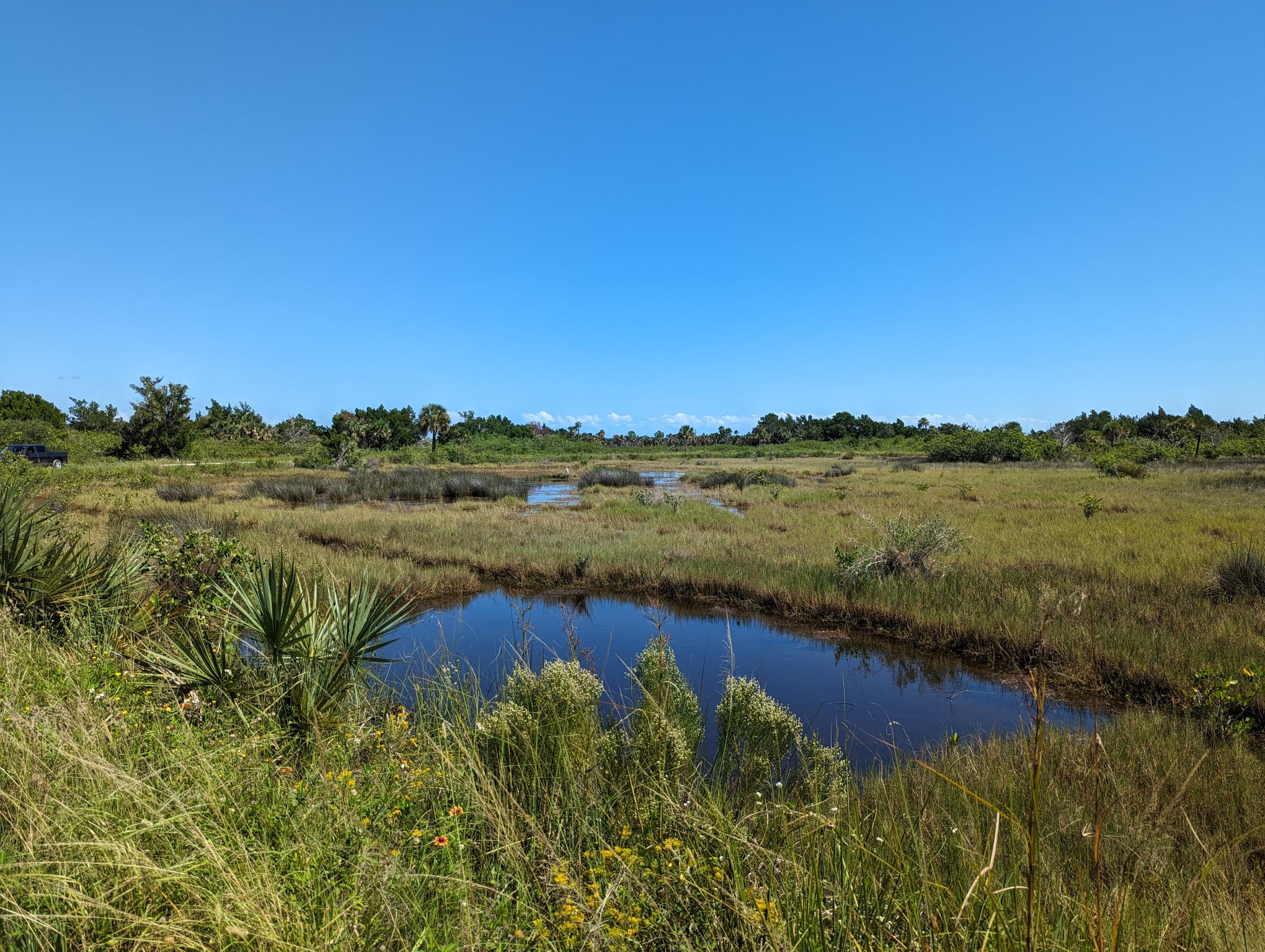
UF/IFAS research and Extension underscores how wetlands act as “nature’s kidneys,” improving water quality by filtering sediment, nutrients, pathogens, and pollutants. This happens through the unique interface of oxygenated surface water and oxygen-poor saturated soils, along with specialized wetland vegetation and microbial processes.
Florida uses both natural and constructed treatment wetlands to improve water quality, manage stormwater, and reduce nutrient loads flowing into sensitive ecosystems such as the Everglades. These systems treat water from agriculture, stormwater runoff, and other human sources, removing contaminants and preventing algal blooms and fish kills.
Wetlands also protect Florida communities by absorbing floodwaters, buffering coasts from storms, and supporting commercially and recreationally important fisheries, making their conservation essential for environmental health and local economies.
In Florida, wetlands support Indigenous communities, local traditions, recreation, eco‑tourism, fishing, and our state identity. The 2026 World Wetlands Day theme reminds us that when wetlands disappear, the cultural heritage tied to them disappears, too. Communities around the world have lived with wetlands for millennia, shaping their cultures, livelihoods, and identities around these landscapes.
How You Can Celebrate World Wetlands Day
Here are a few meaningful ways to engage:
Explore
Visit a local wetland preserve, national wildlife refuge, or Florida state park.
Take Action
- Organize a shoreline cleanup or habitat restoration activity.
- Support wetland-friendly landscaping at home.
- Share #WWD2026 and #WetlandsAndCulturalHeritage posts on social media to raise awareness.
Educate
Talk to others about why protecting wetlands is important through smart policy, restoration, and climate resilience planning.
Looking Ahead
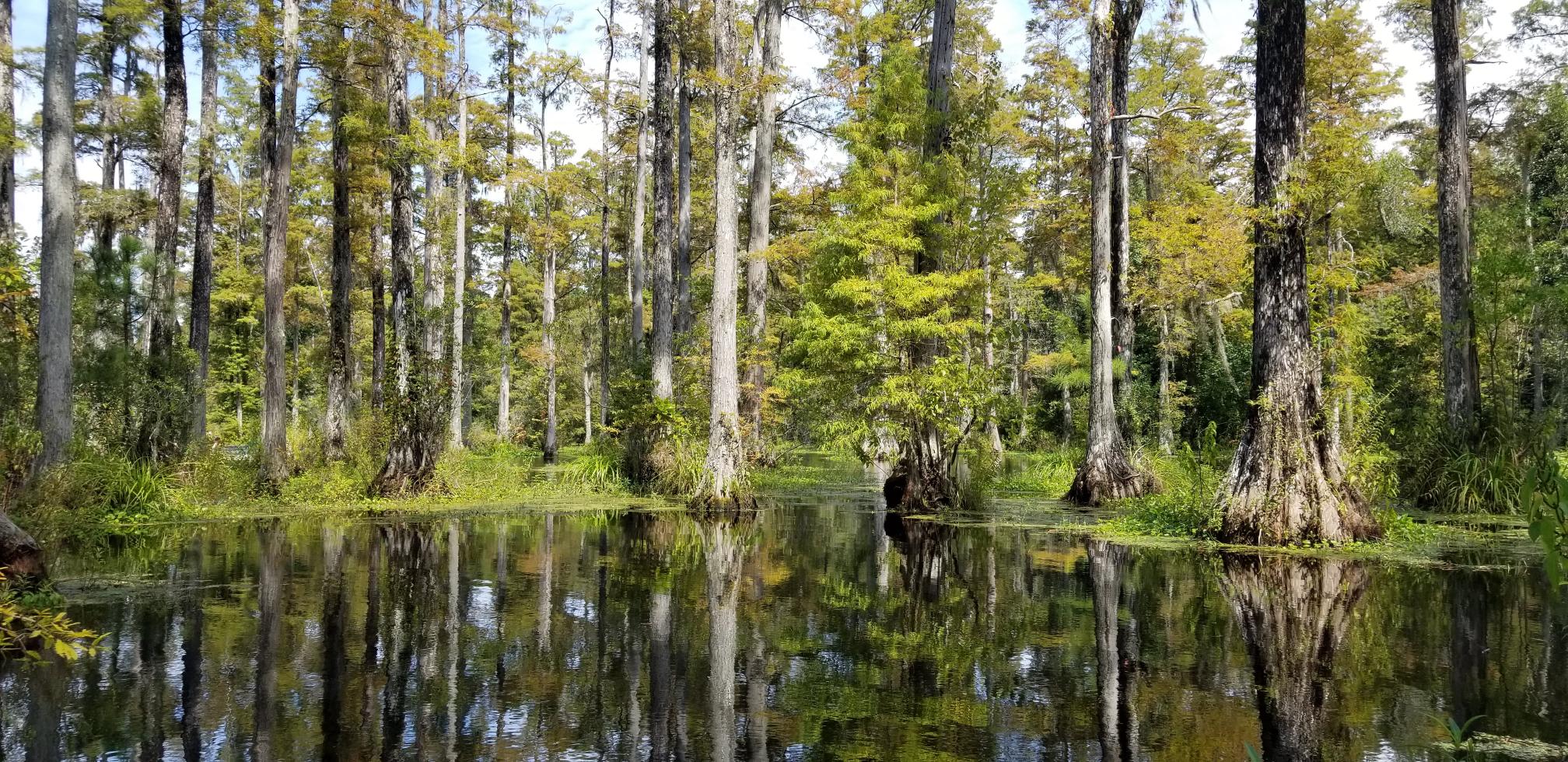
World Wetlands Day is a powerful reminder that wetlands are more than ecosystems, they are living landscapes woven into culture, identity, and survival. By blending scientific insight with traditional knowledge, we can protect these vital areas for future generations.
On February 2, let’s celebrate wetlands for all they offer, clean water, climate resilience, biodiversity, and centuries of human heritage, and recommit to safeguarding them year-round.
References
Portions of this article were produced using Microsoft Copilot and then edited by the author for clarity and accuracy.
World Wetlands Day- February 2nd, 2026 | UNESCO Body & Mind Wellness Club
Official website of World Wetlands Day by Ramsar – 2 February – World Wetlands Day
World Wetlands Day 2026: Celebrating Wetlands and Traditional Knowledge – Wetlands International
World Wetlands Day 2026 – Wetlands International
World Wetlands Day | United Nations
FOR350/FR419: Wetlands as a Tool for Water Treatment
World Wetlands Day 2026 materials now available | InforMEA
 0
0