Blog post written by Laila Cohen, UF/IFAS Extension Brevard County intern
Happy Coral Reef Awareness Week! Coral reefs are important to our marine ecosystems. They provide habitat for diverse marine life, protection of coastlines, and support millions of people globally. Whether you live on the coast or inland, coral reefs are vital and affect everyone.
What are coral reefs?
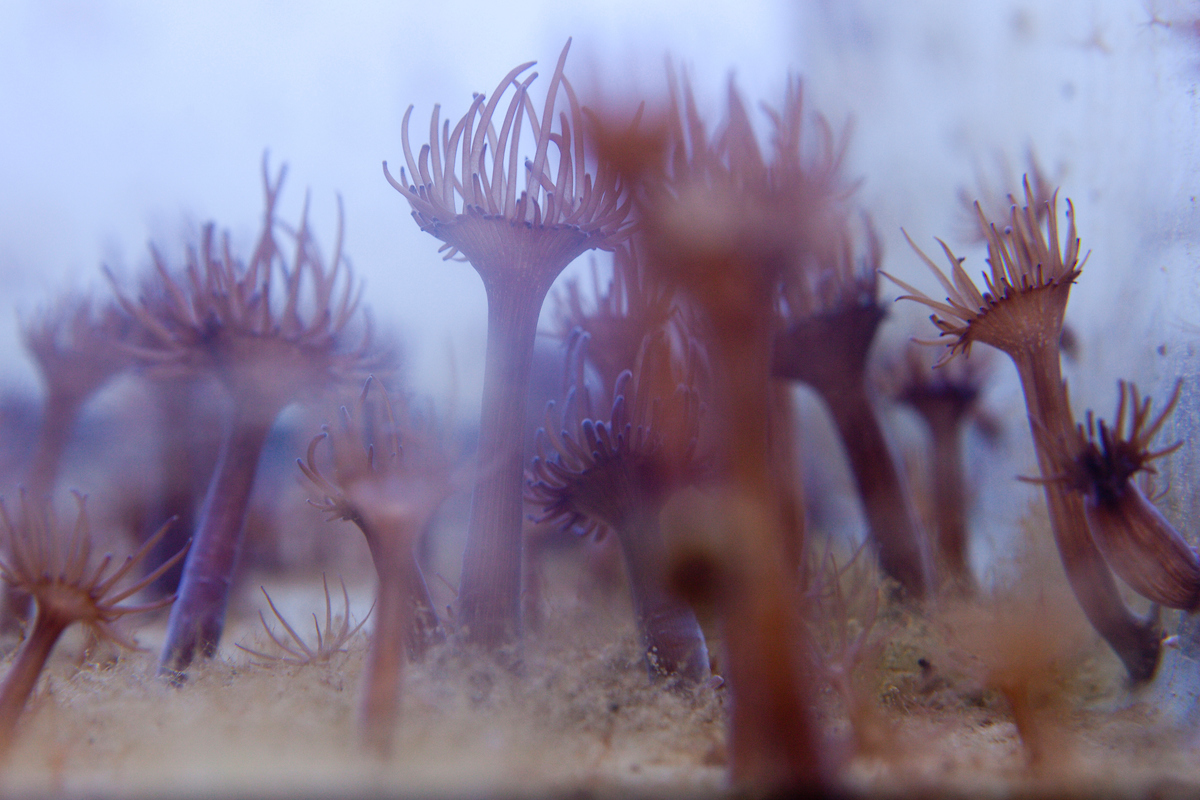
Coral reefs are made up of tiny animals called coral polyps. The polyps form a limestone skeleton that makes up the living ecosystem we see in the water. These intricate structures create a habitat for thousands of species of marine life. They cover only about 1% of the ocean floor but support 25% of all marine species. Fish, sharks, turtles, crabs, and countless other species call reefs their home.
Why are coral reefs important?
Coral reefs provide a biodiverse habitat for marine life. But marine life is not the only thing they support. Humans rely on coral reefs for many things. Globally, reefs bring billions of dollars to the economy through tourism, fisheries, and recreational use. They also save us money by being natural protectors. Reefs protect our shorelines by absorbing wave energy from erosion, floods, and storm surges.
Coral reef threats
Coral reefs are in critical condition right now from human and climate threats. The leading threats are:
- Coral bleaching: Coral gets their color and nutrients from algae (zooplankton). Due to climate change, ocean temperatures rise, which causes the coral to become stressed and to expel the algae. With the expulsion of the algae, all that is left is the limestone skeleton, which is white. The white color is why this phenomenon is called coral bleaching. Bleaching causes the coral to weaken, making it more fragile and likely to die.
- Ocean acidification: Increasing carbon dioxide levels in the ocean causes acidification of the reefs. This lowers the pH, weakening the skeletons of the coral. Weakening the skeleton makes it harder for coral to grow and recover when injured.
- Pollution: Like most marine habitats, pollution threatens its survival. Pollution, like plastics, chemicals from sunscreen, and excess nutrients, causes disease and overgrowth of algae.
- Overfishing and coastal development: When key species are removed from the reef, like herbivorous fish that eat harmful algae, the reef’s balance is thrown off. Physical damage to the reefs can occur from construction and tourism.
Protecting the coral reefs
Currently, the health of coral reefs globally is declining. The reefs are struggling to grow and recover from rising ocean temperatures and acidification. There are many efforts to help save the reefs. Conservationists, scientists, and advocacy groups are growing and raising new coral in nurseries. Coral reef restoration projects transplant corals back into the wild.
Global and local groups are fighting to help save the reefs by:
- Coral restoration: Many projects and organizations are raising aquaculture-grown coral polyps to be transplanted onto wild reefs.
- Marine protected areas (MPAs): Many countries have created protection zones where reefs are found to allow them to recover without human impacts.
- Sunscreen bans: Some sunscreen chemicals cause health problems for corals. Many places have passed legislation banning specific harmful sunscreen chemicals. Hawaii and Key West have passed some of this legislation.
- Community education and outreach: Spreading awareness about coral reefs is important for survival. Education on responsible diving, sustainable fishing, and how to protect reef environments can help local communities take action.
How can you help
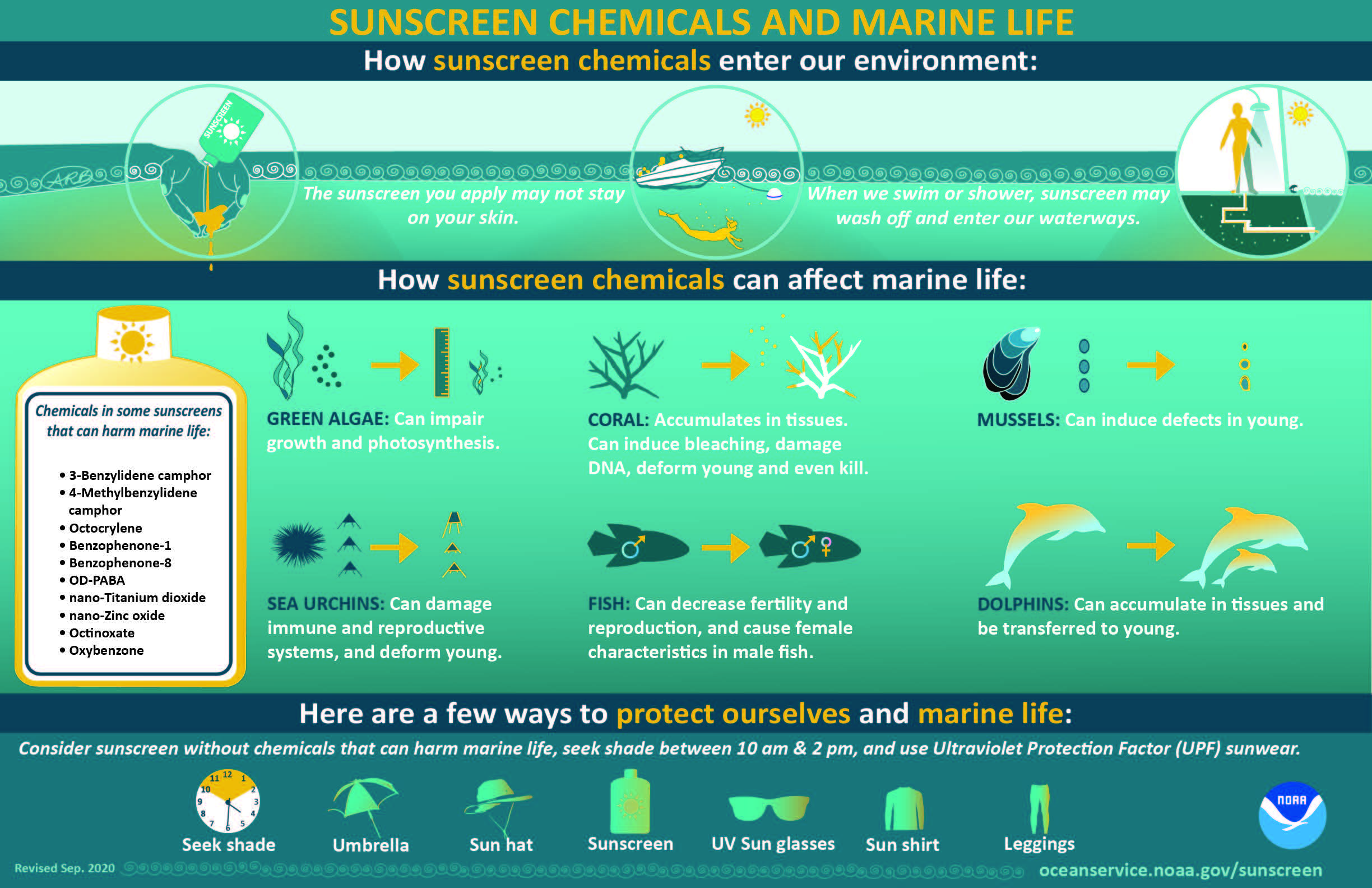
- Reef safe sunscreen: Use mineral-based sunscreens and avoid sunscreens with oxybenzone and octinoxate.
- Use reusable plastics: Reduce usage of single-use plastics like plastic bags, straws, and bottles.
- Eat sustainable seafood: Support seafood caught sustainably without harming coral reefs.
- Responsible tourism: Follow local guidelines (do not touch or step on coral) when visiting reefs and support eco-certified tourist trips.
No matter where you are in the world, coral reef health should be important to you. They are vital to the biodiversity of marine life in the ocean and provide many ecosystem services to humans. Celebrate Coral Reef Awareness Week and spread the word.
Resources:
https://www.noaa.gov/education/resource-collections/marine-life/coral-reef-ecosystems
https://www.nasa.gov/general/what-is-a-coral-reef/
https://www.epa.gov/coral-reefs/basic-information-about-coral-reefs
https://www.nps.gov/subjects/oceans/coral-reefs.htm
 0
0