Blog post written by Laila Cohen, UF/IFAS Extension Brevard County intern
Did You Know…
Florida has the highest number of shark bites in the U.S. In 2024, 14 unprovoked shark bites occurred in Florida, 8 of which were in Volusia County, and none were fatal. It is extremely rare that a shark bite is fatal. The high number of bites in Volusia County is likely related to the breeding grounds of Blacktip sharks. The juvenile sharks have not fully developed the ability to differentiate humans from their prey and sometimes mistake us for their next meal.
Despite the myths behind sharks being man-eaters like in the movie JAWS (which celebrated its 50th anniversary this year), most species of sharks tend to avoid humans altogether. Many encounters occur because sharks hear splashing or other prey-like movements and get curious. There were 47 unprovoked shark bites worldwide last year, 4 of which were fatal. These animals are not intentionally harmful to humans and are very misunderstood.
Sharks Play an Important Role in the Ocean
Sharks are apex predators. This means that they keep the population of prey balanced. This is vital to the marine environment. Losing sharks creates an imbalance in the food chain and can lead to harmful consequences. Sharks’ presence in areas can indicate a healthy environment. Sharks also benefit the tourism industry through diving and ecotourism. They provide a large economic gain for places where tourism plays a large economic role, like Florida.
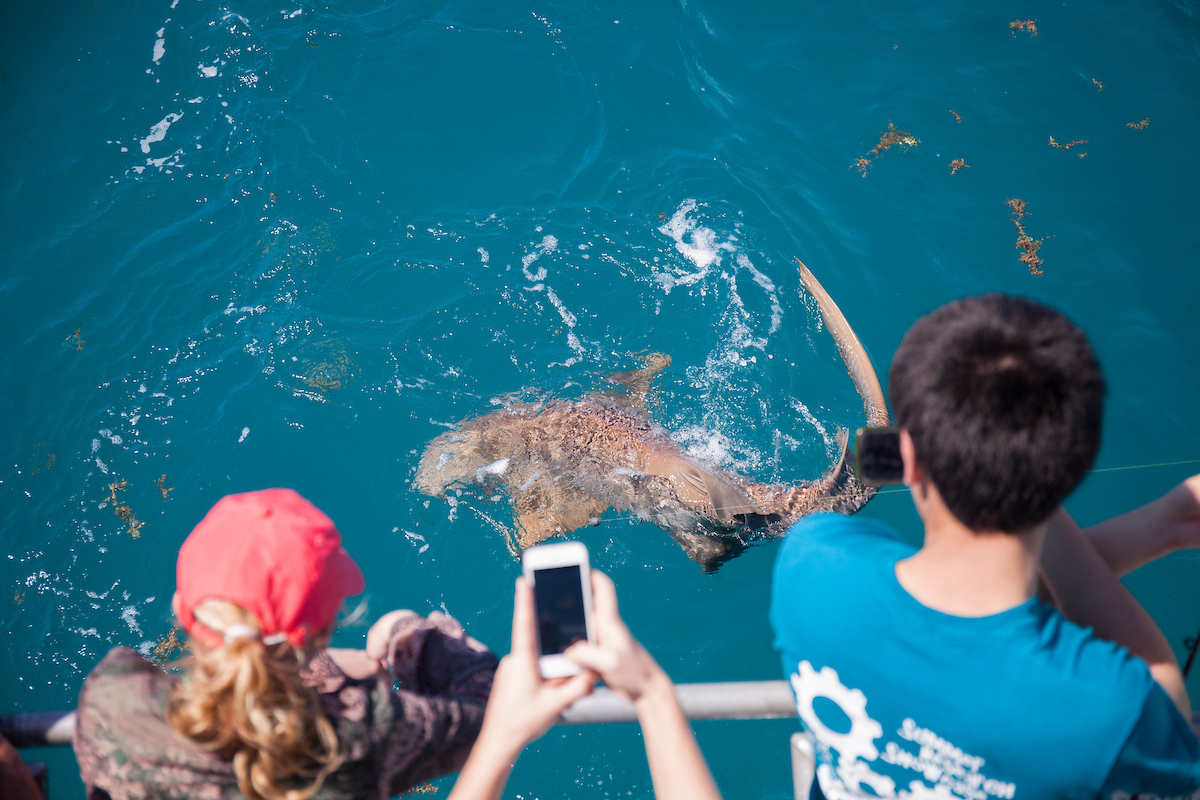
Florida’s warm water and extensive coastline provide an ideal home for many shark species. There are over 20 species of sharks found in Florida. Commonly, you will see:
- Black tip sharks
- Bull sharks
- Tiger sharks
- Hammerhead sharks
- Nurse sharks
- Lemon sharks
- Bonnethead sharks
Shark Hotspots
Some shark hotspots in Florida include:
- Shark migration routes: East Coast near Jupiter, Palm Beach, and Cape Canaveral (winter/spring is the best time)
- Florida Keys and reefs along both coasts are the best places to find them when snorkeling and diving
- Shark nurseries: Juvenile sharks live in estuaries and mangrove areas while they grow.
Tips to Reduce Your Risk of a Shark Bite
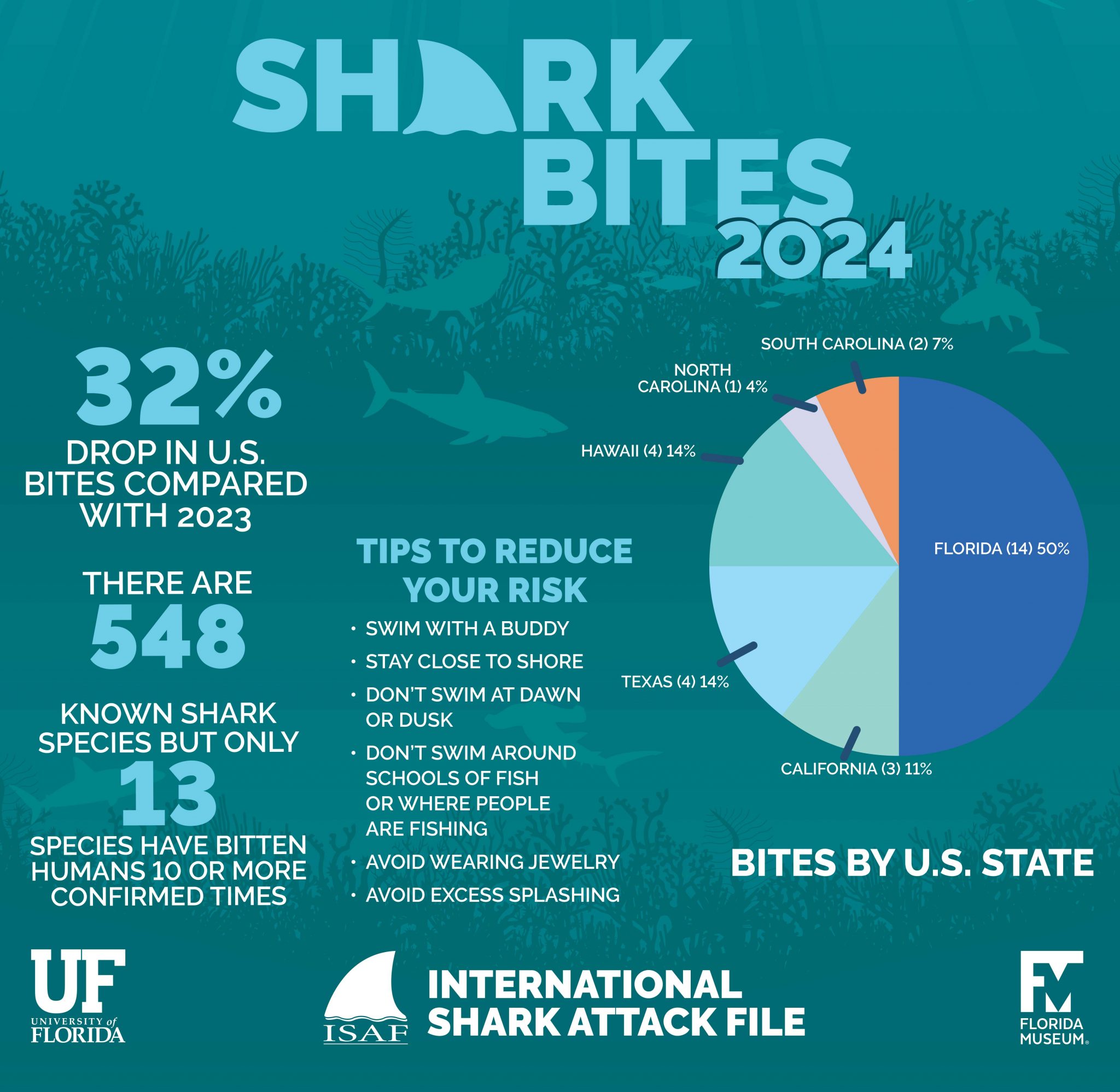
If you want to avoid sharks or the potential for shark bites:
- Don’t swim at dusk, dawn, or at night. These times are when sharks are more active and are feeding and hunting.
- Avoid wearing shiny jewelry or splashing excessively. This imitates sharks’ prey, mistaking you for their food.
- Swim in groups and stay close to the shore. The bigger the group, the bigger you appear. Staying close to the shore allows for an easier route out if a shark is spotted in the water.
- Avoid areas where people are fishing. Fishers use bait to attract big fish and sharks where they are casting.
- Many species are marine protected animals, so respect shark habitats, we are visitors in their home.
Threats to Sharks and Conservation Efforts
Threats to sharks include:
- Overfishing
- Bycatch: unwanted marine animals caught during commercial fishing for other species
- Habitat destruction: destroying mangrove habitats limits livable areas for juvenile sharks
- Climate change: changes migration patterns and availability of prey
- Shark fin trade
Despite these threats, there’s a lot of conservation efforts happening all over the world to protect sharks. Some efforts include:
- Fishing regulations:
- If you’re fishing recreationally from shore in Florida, you need to take the Shark-Smart Fishing educational course at MyFWC.com/SharkCourse and get your shore-based shark fishing permit. Both are required when fishing for shark from shore and must be renewed annually. https://myfwc.com/fishing/saltwater/recreational/sharks/
- Commercial fishermen need certain state and federal licenses and permits in order to harvest shark.
- There are over 25 species of sharks that are prohibited from harvest in state and federal waters.
- Marine Protected Areas: A defined region designated and managed for the long-term conservation of marine resources, ecosystem services, or cultural heritage.
- Researching and tagging of sharks to better understand migration patterns, breeding ground areas, and population health.
- Public education and international collaborations that work to educate others about the importance of protecting sharks.
Get Involved
What can you do to get involved and help sharks?
- Avoid shark products and support sustainable seafood
- Take the FREE course for the Florida Friendly Angler Certification Program to learn more about sustainable fishing and boating practices.
- Report illegal fishing to FWC by calling 888-404-FWCC or submit a tip online at MyFWC.com/WildlifeAlert
- Participate in beach cleanups to help protect marine habitats. The International Coastal Cleanup is coming up in September. This is a great way to get involved in a local coastal cleanup effort.
- Promote positive shark education to your community. Sharks are not bad animals, just misunderstood.
Sources and References
https://www.floridamuseum.ufl.edu/science/unprovoked-shark-bites-plummeted-in-2024
https://myfwc.com/fishing/saltwater/recreational/sharks
https://myfwc.com/research/saltwater/sharks-rays/interaction
 3
3