According to this week’s forecast of extended freezing temperatures, immediate protective measures are recommended to safeguard cold-sensitive landscape plants. The following suggestions may help reduce injury and promote plant survival. Extended exposure to freezing or near-freezing temperatures is particularly harmful to tropical and subtropical species commonly grown in North Florida. Understanding cold injury and proper management practices can help gardeners protect their landscapes and support plant recovery.
Cold damage may not be immediately visible. Symptoms appear days or weeks after a freeze and may include: Leaf browning, yellowing, or blackened tissue, wilting or water-soaked leaves, dieback of stems and branches and may delay spring regrowth.
Woody ornamentals, citrus trees, palms, and newly planted plants are especially vulnerable. Injury severity is influenced by plant species, age, soil moisture, wind exposure, and duration of cold temperatures.
How Cold Temperatures Affect Plants
Prolonged cold can damage plant cells, disrupt water movement, and weaken root systems. Freezing temperatures may rupture cell membranes, leading to tissue death and reduced plant overall health. In many cases, internal damage is not evident until growth resumes in warmer weather.
Cold Protection Recommendations
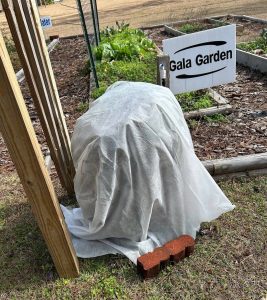
- Cover sensitive plants with frost cloths, sheets, or blankets during freeze events.
- Water plants before cold nights to help insulate roots and stabilize soil temperatures.

- Apply mulch around the base of plants to protect roots and conserve soil heat.
- Place plants in protected locations, away from strong winds and low-lying frost pockets.
Post-Freeze Care
- Avoid any pruning; wait until new growth appears or you are sure of last frost date to accurately assess damage.
- Remove only dead tissue once recovery begins in spring.
- Provide light fertilizer after regrowth starts, if needed.
While prolonged cold temperatures can temporarily disrupt our landscapes, many plants can recover with proper care and patience. Through careful preparation, timely protection, and thoughtful post-freeze management, gardeners can help to maintain healthy, resilient landscapes even after severe cold events.
 1
1