The fig tree was initially introduced to the United States in 1575 by Spanish explorers in Florida. In 1769, Spanish Franciscan missionaries introduced the ‘Mission’ cultivar to the region that later became the state of California, namely at Mission San Diego on the West Coast. Further fig cultivars were imported to California from Mediterranean nations, particularly Turkey.
The fig grows best in dry areas like those in the Mediterranean. In Florida, the growing season is humid, which makes pests and diseases more common, and rain can make fruit split. During the dormant season, fig cultivars don’t need more than 100 hours of temperatures of 45°F or less to grow normal reproductive and vegetative buds. Because of this, figs get enough cold weather in all of Florida except the south during the winter.
Fig cultivars recommended for Florida belong to the common types and are parthenocarpic, meaning the fruit develop without pollination.
Florida’s dormant season, December to February, allows bare-rooted fig planting. Container-grown plants can be planted year-round if irrigated. Dooryard trees should be spaced 10–16 ft (3–5 m) between plants and 13–20 ft (4–6 m) between rows, like orchards.
Florida fig trees are rarely cold-conditioned in the fall before winter. However, properly cold-conditioned, fully dormant trees can survive 15°F to 20°F without damage. Subzero temperatures affect dormant buds more than wood. Due to cold injury of the trunk and primary scaffold limbs, most fig trees in the southeastern US develop like shrubs.
Growing figs in Florida presents unique challenges due to the state’s warm and humid climate, but with proper care and cultivar selection, successful cultivation is achievable.

Key challenges
- Root-Knot Nematodes (RKN): These microscopic worms attack fig roots, stunting growth and potentially leading to tree death. RKN is particularly problematic in Florida’s sandy soils.
- Humidity-Related Diseases: The warm, humid conditions in Florida can foster fungal diseases like fig rust, leading to defoliation and reduced fruit quality. Fig rust turns leaves brown, causes defoliation and premature ripening of fruit, and decreases cold tolerance.
- Heat Stress and Irrigation: Florida’s intense heat can stress fig trees, requiring careful attention to watering practices.
- Fruit Splitting: Heavy rains, especially during the monsoon season, can cause fig fruit to split and spoil.
- Wildlife and Birds: Birds and other wildlife are fond of figs and can deplete harvests if not deterred.
Solutions for successful fig growing in Florida
- Choose the Right Cultivar: Select disease- and nematode-resistant varieties known to perform well in humid, subtropical climates. ‘Brown Turkey’, ‘Celeste,’ and ‘Ischia’ are recommended for Florida. Some growers also recommend ‘LSU Scott’s Black’ and ‘LSU Purple.’
- Strategic Planting:
- Location: Select a spot with full sun exposure (at least 6-8 hours daily) and well-drained soil.
- Soil Preparation: Amend the soil with organic matter like compost to improve fertility and drainage, potentially reducing nematode damage. Figs prefer a slightly acidic to neutral soil pH (6.0 to 7.0).
- Spacing: Give fig trees ample space to grow, at least 10-16 feet between plants and 13-20 feet between rows for orchards.
- Watering and Fertilization:
- Watering: Provide deep but infrequent watering, ensuring consistent moisture without overwatering, especially during the fruiting season. Drip irrigation can be particularly beneficial for young trees.
- Fertilization: Figs typically require light fertilization. Excessive fertilization promotes vegetative growth at the expense of fruit production. Apply ½ pound of 10-10-10 with micronutrients three to five times during the growing season (February to August) for young trees, and 2-4 pounds for larger trees.
- Pest and Disease Management:
- Nematodes: Use resistant cultivars, solarize the soil, and rotate crops to minimize damage. Organic amendments and mulches can also reduce nematode problems.
- Diseases: Promote good air circulation, prune carefully to avoid disease entry points, and consider fungicide applications if necessary, especially during humid periods. A 5-5-50 Bordeaux spray can help control fig rust.
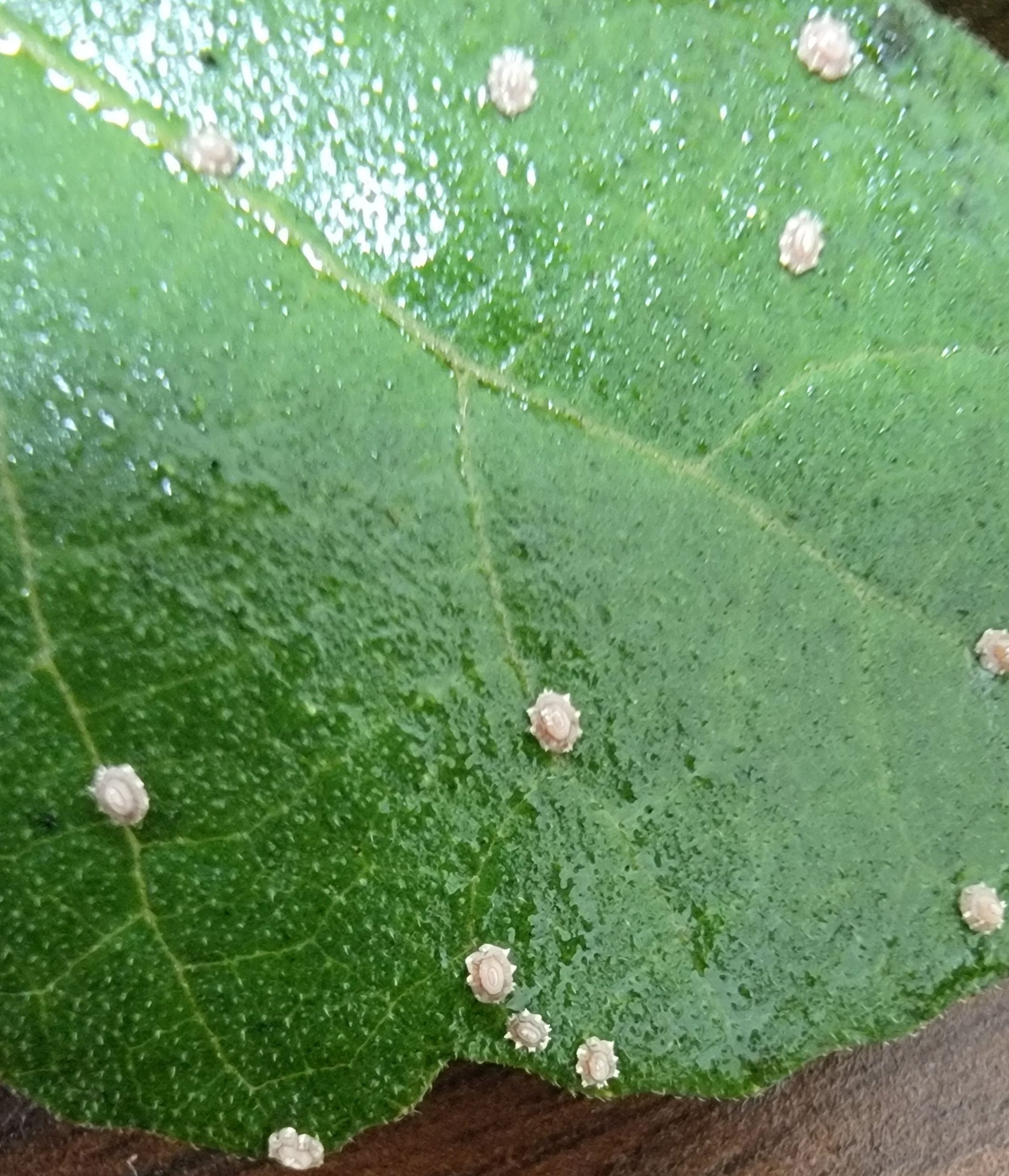
- Pests: Monitor for insects like fig beetles and aphids and use organic control methods such as handpicking or insecticidal soaps. Protecting fruit with netting can deter birds and other wildlife.
- Pruning: Prune after fruit harvesting (late summer) to remove dead or damaged branches and encourage fruit production for the following year. Avoid heavy winter pruning, as it can reduce the next season’s yield.
- Cold Protection: In regions of Florida with potential for cold temperatures (down to 18 degrees Fahrenheit), choose cold-hardy cultivars and consider planting against a south-facing wall or using microclimate techniques for additional warmth.
By implementing these strategies and carefully observing your fig trees, you can overcome the challenges of growing figs in Florida and enjoy a bountiful harvest. For specific advice tailored to your location and situation, it’s highly recommended to consult your local UF/IFAS Extension office.
Reference: The Fig
 2
2