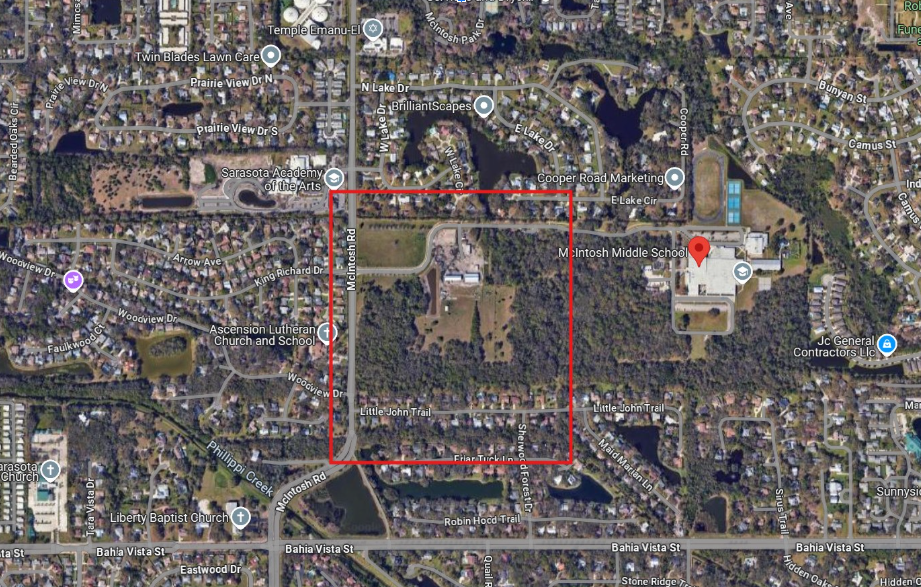
By the time of mid-June, I had the privilege of touring a farm owned by the Sarasota County School District. Forty acres of land, and right in the center of suburbia, this farm serves to be one of the last examples of old Sarasota, Florida.
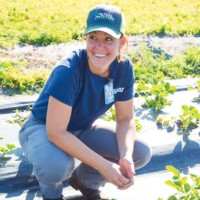
Kate Traugott
Kate Traugott, farm manager of Sarasota County Schools, has overseen the revamping of The Farm over the past couple years. Since the early 2000s, Sarasota County has owned the farm. In 2023, the county recognized that it was in need of a major upgrade. With dilapidated facilities and damage from hurricanes, it was in no place to inspire the next generation of agricultural professionals. Kate wanted to change that, and with her guidance and Sarasota School District’s help, the facility has seen major improvements!
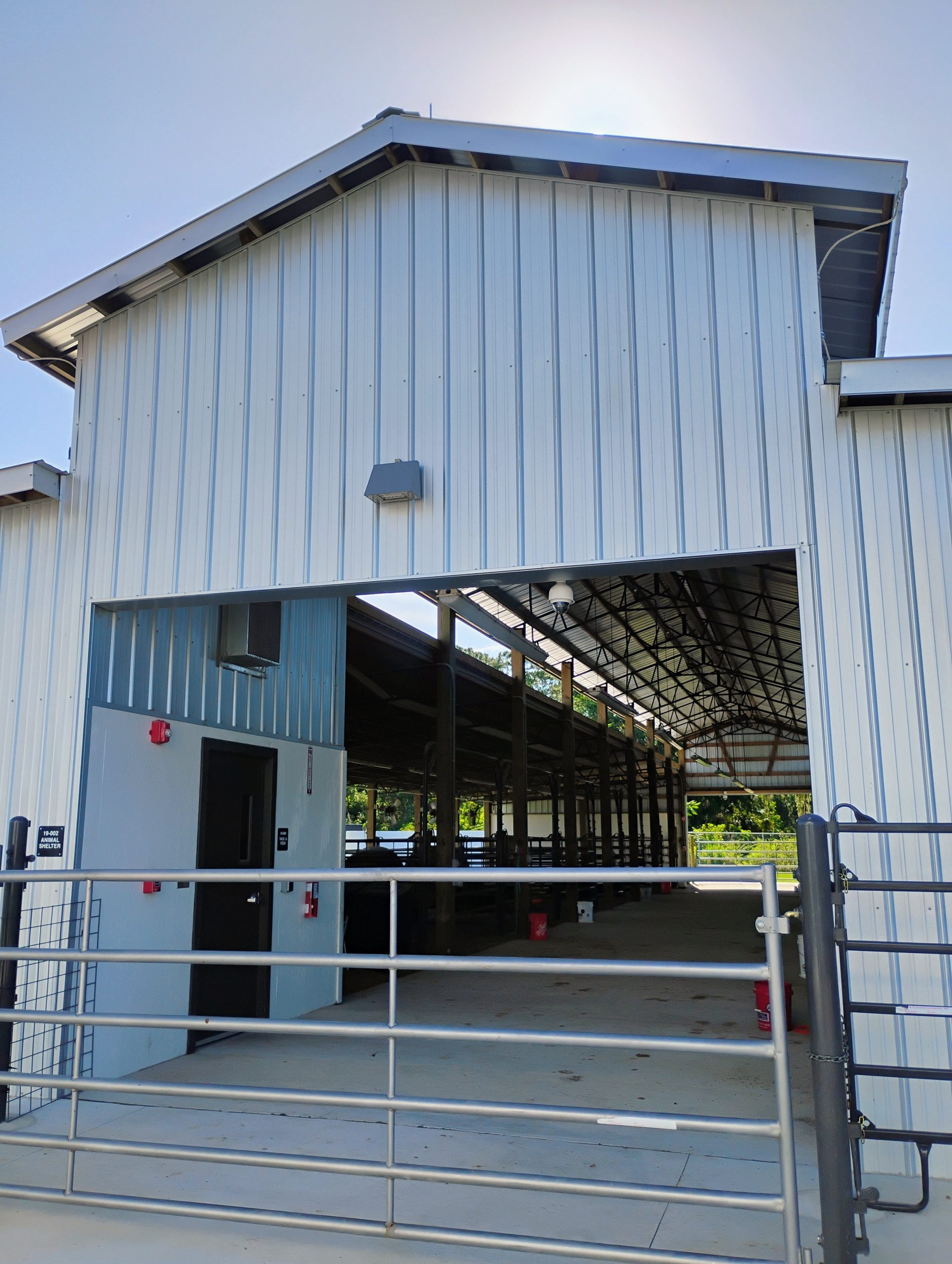
 We toured the brand-new animal barns with a total of 50 stalls for livestock. The stalls meant for cattle are filling up showing the push for agricultural education in Sarasota County. There were even two 4-H students with livestock there! Kate explained to us that the students have their own lockers with supplies and full control over the care of their animals. They really take a hands-on approach with Kate serving as a helper and overseer. She says that the families are very passionate about caring for these animals.
Small Animal Barn
The other barn has stalls for smaller livestock like goats and swine. The stalls are starting fill as youth are preparing for their Fair projects and they are pristine! Comparatively they are much larger than your average stall and they come equipped with an automatic waterspout. I was glad to see those spouts! Instead of a water basin that pools water to drink, the dispensers only dispense water when the animal presses its nose against it. Pigs love to play in their water, and this system minimizes that water waste. However, there is a slight collection of water at the bottom of the dispensers so if the pigs do want to play, they can!
Kate wants her animals to be safe mentally and physically. Attached to the concrete stalls is a depression in the concrete which serves as an artificial stream for water and waste to fall into when the cages are being cleaned. This helps to keep the water from flowing into a waste lagoon that has a risk of running off. This is a huge change since the property used to be home to a lagoon of that nature.
Bahiagrass
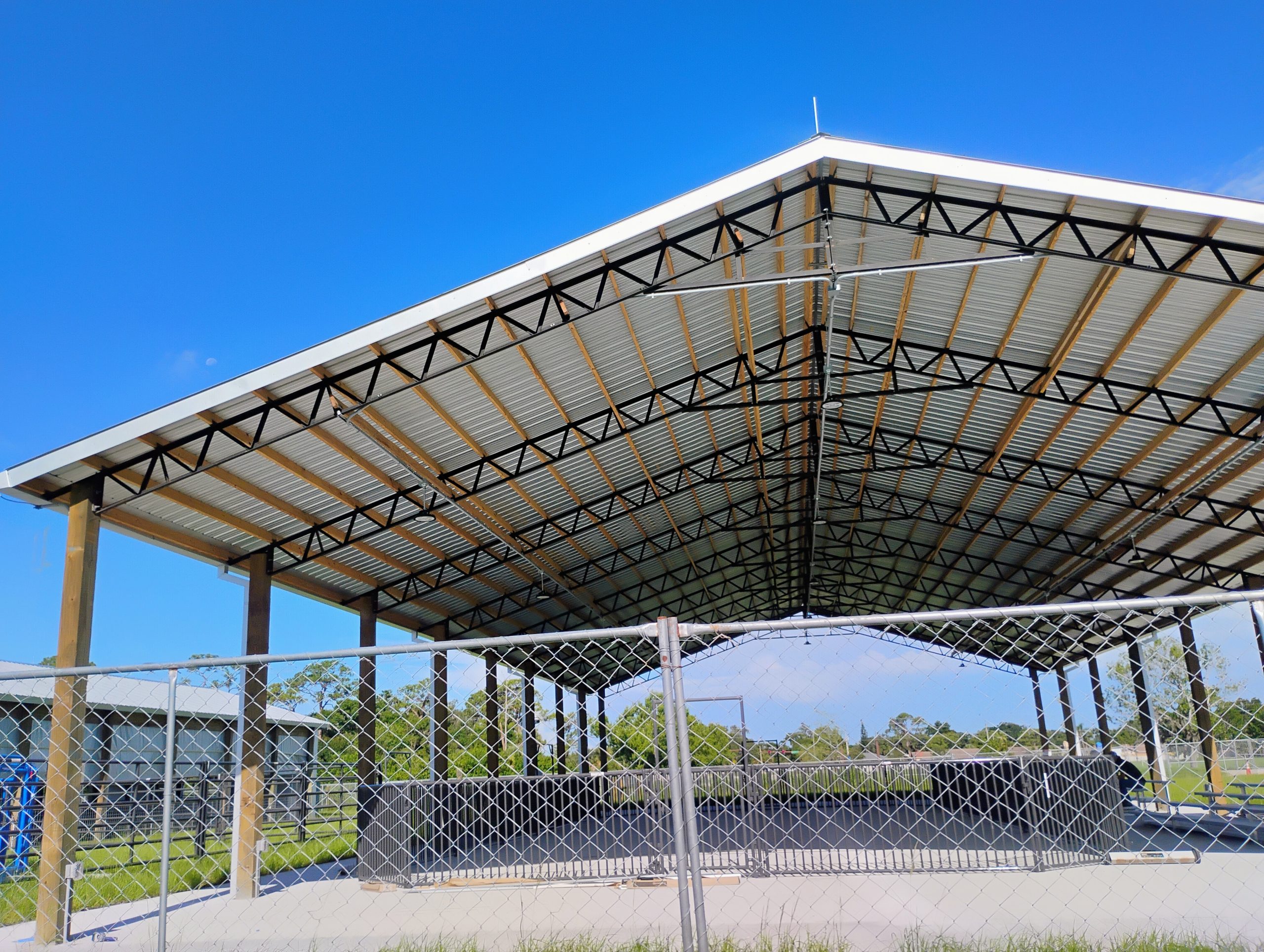
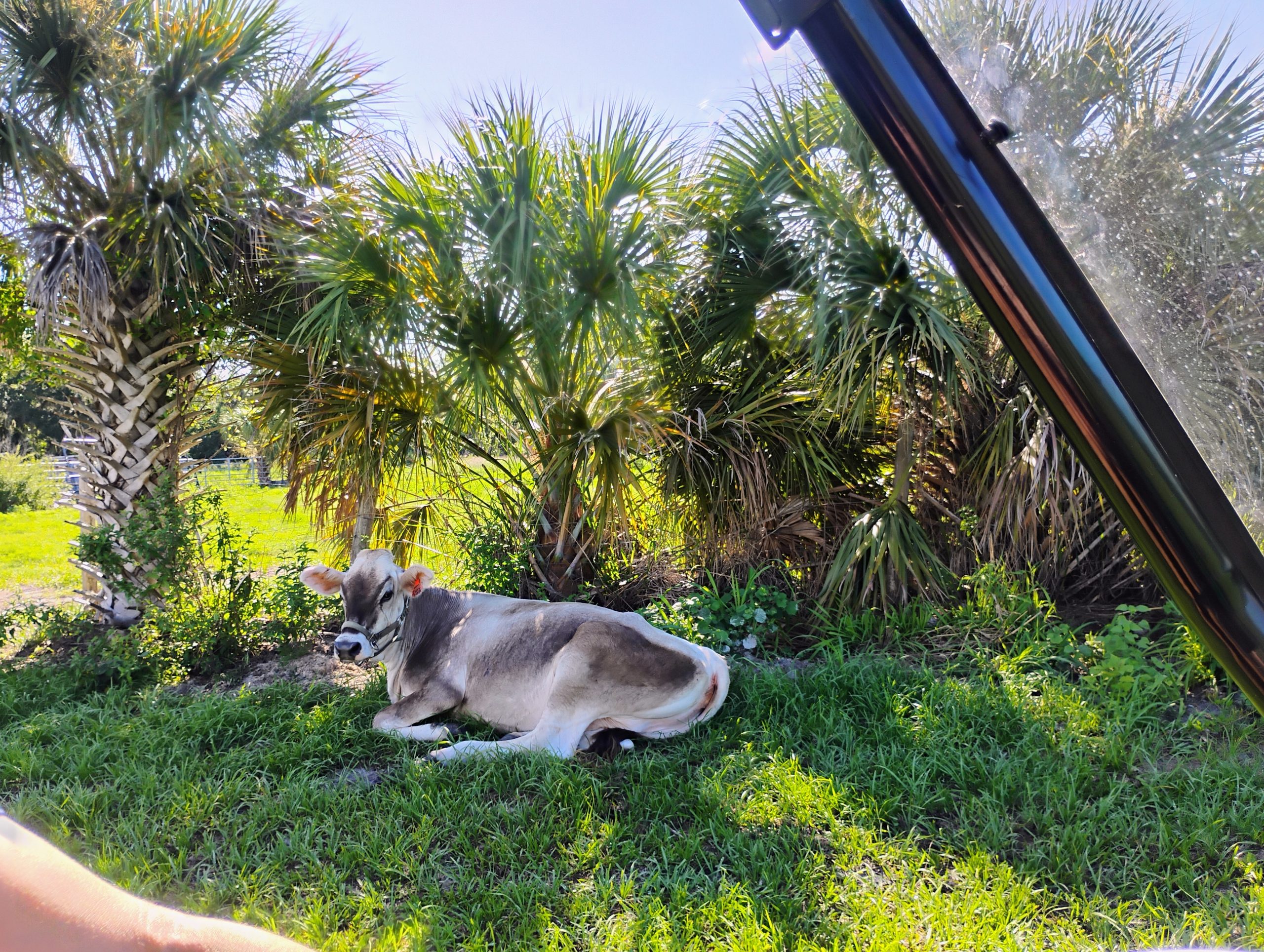
In front of the barns sits a pavilion where kids can practice showing their livestock for fair, two greenhouses, a rainwater cistern, a student chicken coop, a commercial grade kitchen, green house and more storage buildings. Behind the barns sits the rest of the farm’s land. I got to meet two beautiful breeding cows and two other pregnant mamas in the grass field. In the field, Kate told me she planted Bahiagrass and cleared out the rest of the forage. Bahiagrass is one of the most common grasses used for feeding grazing livestock. According to UF/IFAS, “It establishes well in sandy soils with limited water retention and low inherent soil fertility, and is tolerant to drought, sporadic flooding, and continuous stocking” (Osorio Wallau et al., 2019). This makes it ideal for growing in Florida. Also, the grassland also has a stormwater pond attached to it ideal for managing flooding in Florida’s rainy season.
Kate explicitly wants to focus on not only teaching kids how to grow food, but how to do it in partnership with conservation and sustainability. She clears out invasive plants, manages water use on the farm, and has implemented a hydroponics system on the farm. All of these things showcase sustainable farming and management. Additionally, she wants to keep the land around the farm as conserved as possible to serve as a natural buffer to keep farm chemicals far from the surrounding environment.
Farm to School
The farm helps to support Sarasota County’s Farm to School initiative. The initiative supports:
- “Local produce is fresher from the field to plate and therefore retains greater nutrients and flavor.
- Farm to School produce has been shown to increase children’s willingness to eat fresh fruits and vegetables.
- Local food circulates money within the community and supports our local economy.
- Farm to School supports jobs in Florida.
- Decreasing the distance food travels from farm to plate reduces fuel emissions, a more environmentally responsible choice, helping keep our air clean.
- Farm to School helps educate students about the origins of our food.
- Supporting local farms protects and enhances Florida farmland.
- Local area farmland increases food security in our region in the event of natural or other emergencies. An interdependent local food system ensures continued access to fresh food.
- School gardens teach students how plants grow and where food comes from and are shown to increase kids’ acceptance of fruits and vegetables” (Sarasota County Schools).
If you are interested in getting your child involved with agriculture, this farm is a great place to start. Contact The Farm manager Kate or your 4-H agent, Sarah Davis, 4h@scgov.net. They can help you get started in getting involved with 4-H and The Farm.
References
Osorio Wallau, M., Vendramini, J., Dubeux, J., & Blount, A. (2019, August 9). Bahiagrass (Paspalum notatum Flüggé): Overview and Pasture Management. Ask IFAS – Powered by EDIS. https://edis.ifas.ufl.edu/publication/AG342
Sarasota County Schools Farm to School Program. (n.d.). Sarasota County Schools. https://www.sarasotacountyschools.net/page/farm-to-school
 0
0