One of the most rewarding ways to get Suncoast Grown & Gathered honey? Starting your own backyard beehive!
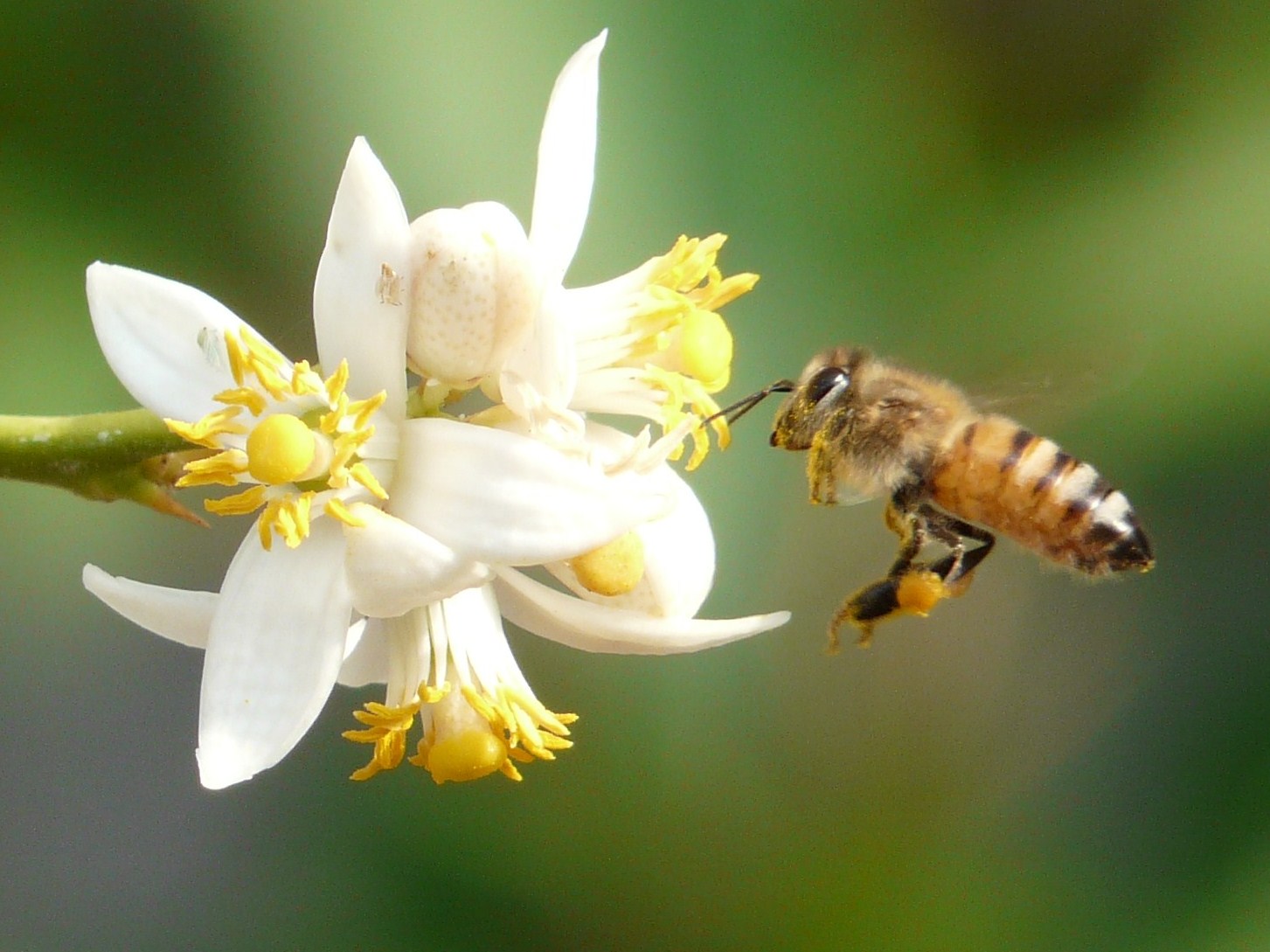
Whether you’re interested in harvesting your own honey or boosting pollination for your foodscape, beekeeping in Florida can offer an enriching and rewarding experience. However, it’s essential to approach beekeeping with clear intentions.
Although honey bees frequently make headlines due to declining populations, it’s important to remember they are a nonnative, domesticated species—more comparable to farm animals like cows and chickens than wildlife in need of conservation. Efforts to “save the bees” should instead prioritize protecting native bees, which are vital pollinators currently facing significant threats and population declines. If your primary goal is supporting local biodiversity, explore resources like The Buzz about Bees in Florida to learn how to effectively aid native pollinators.
With that in mind, if your motivation for beekeeping is agricultural—such as producing your own delicious Suncoast Grown & Gathered honey—here’s everything you need to know before suiting up and lighting your smoker to launch your hive in Sarasota County.
Why Florida is Buzzing with Beekeepers
Florida’s long bloom season, diverse forage sources, and warm climate make it one of the best states in the U.S. for beekeeping. The state ranks in the top five nationally for honey production, and Sarasota’s borderline tropical climate supports flowering plants nearly year-round.
Still, Florida beekeepers face unique challenges, including tropical storms, pest pressures like the Varroa mite, and concerns with pesticide exposure—all of which make planning and education and compliance essential.
Learn Before You Leap: UF/IFAS Bee College
Before buying all the materials and jumping into beekeeping, it’s highly recommended that you attend the UF/IFAS Bee College, hosted by the Honey Bee Research and Extension Laboratory in Gainesville. These educational events are held twice per year usually.
Courses range from beginner to advanced topics and include:
- Hive equipment and setup
- Swarm prevention
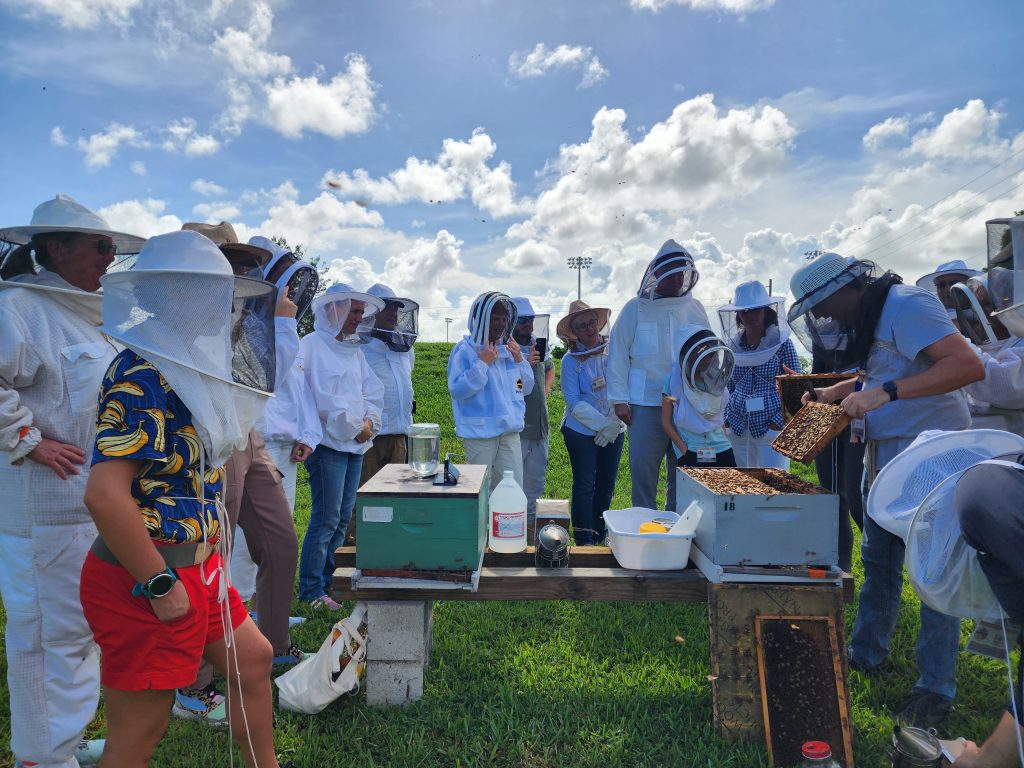
Forest attended the summer session of UF/IFAS Bee College in 2023. A great way to learn the basics of beekeeping, or advance your knowledge! - Bee diseases and pests
- Queen rearing
- Honey extraction
- Pollinator conservation
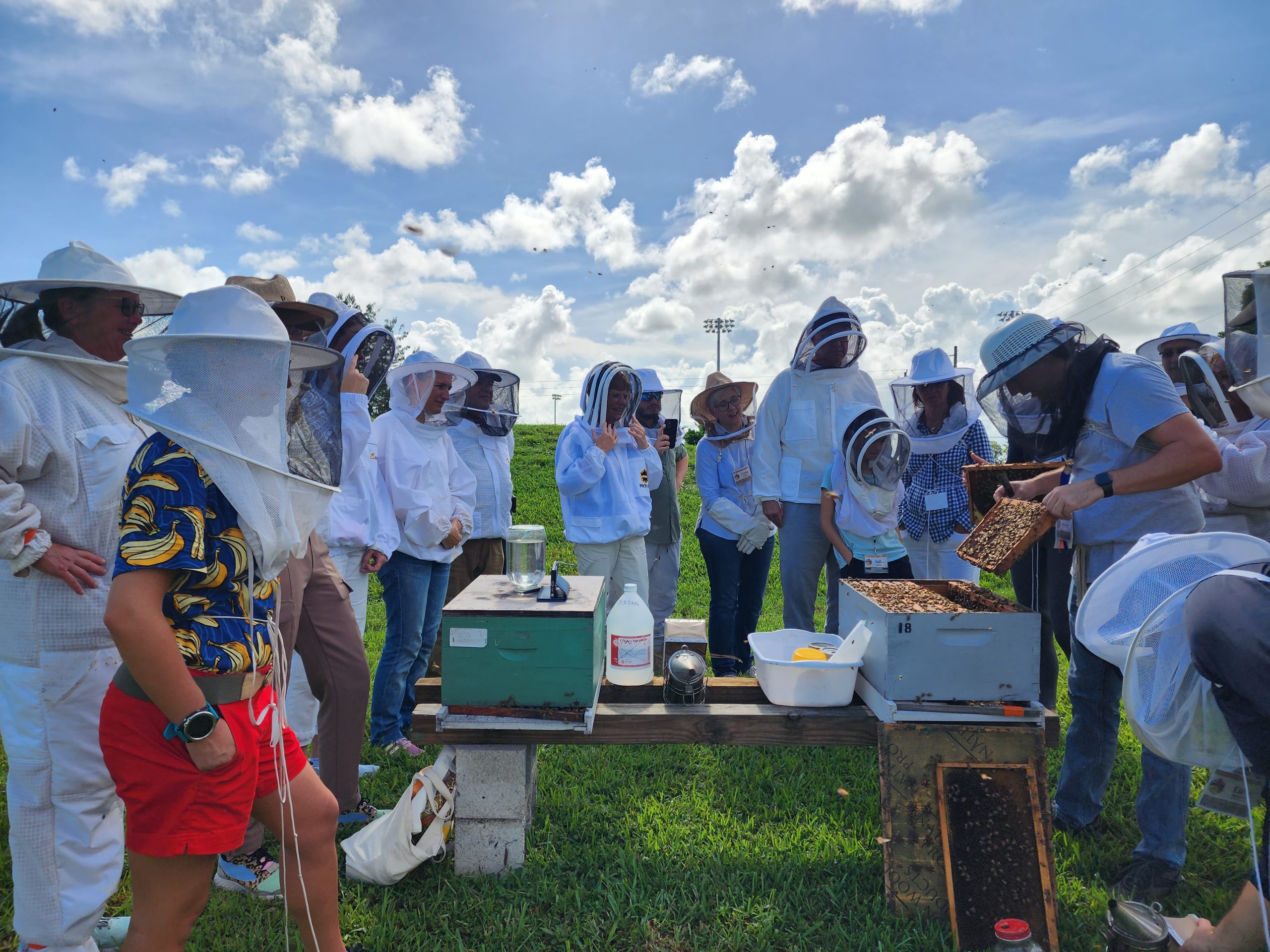
Attendees benefit from hands-on demonstrations in the apiary, networking with other beekeepers, and guidance from UF experts. Whether you’re a complete beginner or ready to scale up, Bee College is the best way to start on solid footing.
If you are unable to attend the in-person college, which I recommend as someone who has gone through it, I would look into the many online offerings from the UF/IFAS Honeybee Lab.
Startup Costs, Time & Responsibilities
Beekeeping is pretty affordable to start, but it does require commitment. Here’s a breakdown of what to expect:
Getting Started
- Starter kit (1 hive): $300–$400
- Includes: Langstroth hive, smoker, hive tool, suit/veil, feeder, and bees
- Annual costs:
- FDACS registration (~$10–20)
- Mite treatments and occasional supplements (~$50–$100/year)
- Time commitment:
- 1–2 hours per week for inspections, feeding, and maintenance
- More time during honey harvest and swarm season (spring)
Tip: Start with 1–2 hives your first year. This lets you learn without getting overwhelmed, and you’ll still have the joy of watching bees flourish and possibly collecting some honey your second season.
State Beekeeping Laws (FDACS)
In Florida, all beekeepers—hobbyist or commercial—must register their hives annually with the Florida Department of Agriculture and Consumer Services (FDACS).
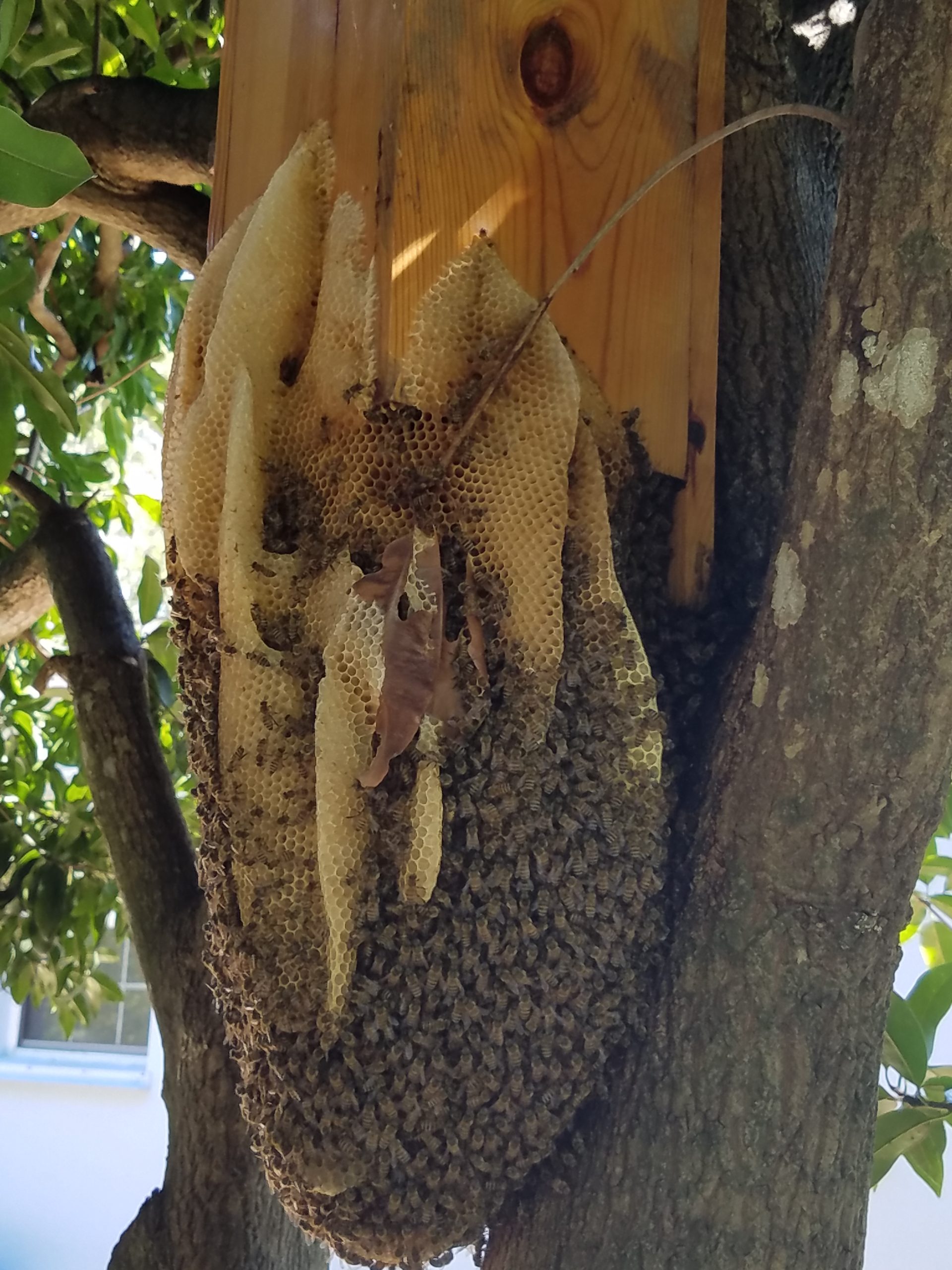
Requirements:
- Registration: Online or paper form; $10 flat fee for up to 5 hives
- Compliance Agreement: All registrants must sign the Beekeeper Compliance Agreement, outlining best practices for disease control, hive maintenance, and responsible placement
- Proper hive structure: All hives must have movable frames for inspection
- Apiary signage: You must post a sign at your hive site with your name and contact info
Register with FDACS here: Beekeeper Registration / Bees/Apiary / Agriculture Industry / Home – Florida Department of Agriculture & Consumer Services
Local Guidelines in Sarasota County
Sarasota County aligns with state standards but has some additional guidance for residents interested in bees.
For Hobby Beekeepers (under 6 hives):
- No special zoning permits needed
- Must follow FDACS registration and compliance
- Not eligible for agricultural tax classification
- Ideal for backyard gardeners, homesteaders, or conservation-minded residents
For 6+ Hives:
- Eligible for Agricultural Classification under Florida law if demonstrating bona fide commercial use
- Apply through the Sarasota County Property Appraiser
- Must show documentation such as:
- Hive registration
- Beekeeper Compliance Agreement
- Proof of hive management and productivity
- Site inspection required
Sarasota Agricultural Classification – Bees & Apiaries Info
Pesticide Use & Hive Protection
One of the best ways to reduce your hive’s exposure to pesticides is to avoid unnecessary applications. Oftentimes, pesticides may not be warranted or could even exacerbate the pest problem. By following the principles of Integrated Pest Management, or IPM, you can prioritize safer strategies that protect our pollinators. Clearly mark pesticide-free zones of the landscape with signage and notify anyone who may be using pesticides in or around your property of these zones. Communication is key!
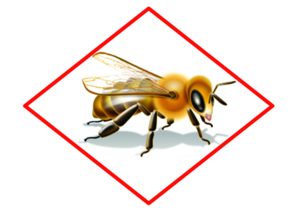
If you do find that chemical intervention is necessary, be cautious of using certain pesticides in and around your hives. The Environmental Protection Agency (EPA) has specially marked products with active ingredients that pose a risk to pollinators. To determine if a product is of concern, consult the Environmental Hazards section of the label. You can search through preexisting labels through the Pesticide Product and Label System. Look for the “bee box,” a unique red diamond with a bee in the center (see left). This icon signals whether the specific product poses a hazard to bees and other pollinators. If you do choose to use it, it is essential to follow all instructions provided by the label. These instructions may include avoiding applications during active blooming periods or to take special care to avoid drift to nearby non-target areas.
In addition to responsible pesticide use on your property, hive managers should be aware of potential exposure through other sources, such as mosquito treatments. Florida Statute 388 permits mosquito management programs throughout the state in an effort to protect public health. Some of the insecticides used in aerial and truck spraying may be harmful to bees and other pollinators. There is no spraying exemption for beekeepers, so proactive protection is important.
How to Protect Your Bees:
- Register your hives with FDACS — This ensures local mosquito control districts know your hive locations.
- Sign up for mosquito spray notifications through Sarasota County Mosquito Management Services.
- Cover hives with damp burlap or breathable fabric and screen entrances on spray days (evening to early morning).
- Move hives temporarily if they’re in spray-intensive areas during peak mosquito season.
Visit the Sarasota County Mosquito Management Services website for more information.
Tips for Success
- Locate your hive smartly: Choose a shady, dry spot away from property lines and pathways
- Water is a must: Provide clean water to keep bees from visiting pools and pet bowls
- Inspect regularly: Every 7–10 days during warm months for swarms, pests, and space needs
- Prevent pests early: Monitor for small hive beetles and mites with sticky boards and screen bottoms
- Join a local club: The Suncoast Beekeepers Association offers meetings, mentorship, and community
Is Beekeeping Right for You?
Beekeeping isn’t just about honey. It’s about helping pollinators thrive, learning the rhythms of the natural world, and engaging with your community. If you’re patient, curious, and committed to responsible stewardship, a backyard hive might just become your new favorite garden feature.
This World Honey Bee Day, consider taking your first steps toward becoming a Suncoast beekeeper. With UF/IFAS resources, local support, and a bit of buzz, your garden could be humming with purpose in no time.
Bee-sources
- FDACS: Beekeeper Registration
- UF/IFAS: Bees of Florida
- UF/IFAS: Bee College
- Suncoast Beekeepers Association
- Sarasota County: Mosquito Management Services
- UF/IFAS Extension Sarasota County: Integrated Pest Management
During the preparation of this work, the author used ChatGPT to help build the blog post. After using this tool/service, the author reviewed and edited the content, and takes full responsibility for the content of the public
 1
1