An important and growing landscaping trend is gardening for wildlife. This important conservation effort can help our native small wildlife populations with plants that attract and support a wide variety of our native species, especially birds, butterflies, native bees and other pollinators. Landscapes of all sizes—even small urban yards—can contribute in an important way. When yards that include wildlife-friendly plants are adjacent or nearby one another, they create “connected yards” or “urban wildlife corridors”, providing a living highway yard-by-yard!

What is a Wildlife Garden and How Can I Begin?
Wildlife gardens are simply landscape spaces that provide the following for our wildlife: food, water, shelter, a place to raise their young, and freedom from harmful chemicals. For many landscapes, a good place to start is to replace large areas of turfgrass with plant beds of varying species from trees and shrubs to wildflowers! This plant diversity will increase the numbers of species that will visit and return to your yard. Even patios and balconies can join in by creating tiny wildlife gardens of containerized plants!
Attracting Native Bees and Butterflies:
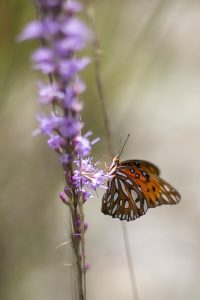
There is a special vibrancy and joy in a landscape filled with colorful butterflies and native bees sipping nectar and gathering pollen! To support:
- Grow nectar plants of varying heights, with blooms of diverse shapes and sizes.
- Provide plants that bloom in different seasons. Most active seasons: spring-fall.
- If possible, plant in masses of the same color.
- Provide some open sandy areas for bees that nest in the ground.
- Provide piles of twigs and branches for cavity-nesting bees.
- In winter months, allow areas of fallen leaves to remain undisturbed, and do not cut back dried wildflower stalks.
- Provide shallow water sources; keep these water sources fresh and clean.
- Specific to supporting butterflies: Include “host” plants in your landscape. These are specific plant species on which butterflies lay their eggs. Host plants are unique to each butterfly species.
- Host plants encourage butterflies to not just “visit” but to return to the landscape again and again.
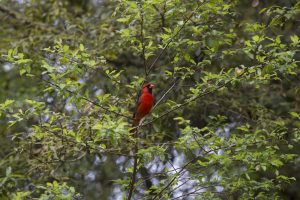
Attracting Native Birds:
- A landscape filled with resident and migrating birds creates a truly “living” landscape. To support birds:
- Include trees and large shrubs to provide shelter and nesting sites. Maximize visitation and nesting by planting in masses such as a natural hedge or by including multiple plants in a large bed.
- Include plants that produce berries or nuts.
- Provide sources of water; keep birdbaths clean and refresh frequently.
- If offering supplemental foods, provide high quality bird seed or other food. Keep feeders fresh and clean.
Resources:
For more information, contact UF/IFAS Extension Polk County at (863) 519-1041 or visit us online at http://sfyl.ifas.ufl.edu/polk. The Plant Clinic is open Monday-Friday, 9:00 am-4:00 pm to answer your gardening and landscaping questions. Give us a call or email us at polkmg@ifas.ufl.edu.
If you are not in Polk County, Contact your local UF/IFAS Extension Master Gardener Volunteer Plant Clinic.
The Florida Master Gardener Volunteer Program is a volunteer-driven program that benefits UF/IFAS Extension and the citizens of Florida. The program extends the vision of the University of Florida/Institute of Food and Agricultural Sciences, all the while protecting and sustaining natural resources and environmental systems, enhancing the development of human resources, and improving the quality of human life through the development of knowledge in agricultural, human and natural resources and making that knowledge accessible.
This article was written by Master Gardener Volunteer Molly Griner under supervision of the Master Gardener Volunteer Coordinator and Residential Horticulture Extension Agent Anne Yasalonis.
An Equal Opportunity Institution.
 0
0