Welcome to the Stormwater Story Stroll page. Here, you will be able to learn more about Stormwater pollution sources and solutions you can adopt to help keep our waterways clean! This page is based on our Stormwater Story Stroll project. The educational walk will be installed in New Port Richey, Florida, this spring!
Local waterways and wildlife depend on you to keep them healthy. Excess fertilizer, grass clippings, trash, oils, pet waste, and more can wash into gutters and storm drains when it rains. Stormwater carries these pollutants directly into our lakes, rivers, and oceans, creating an unhealthy environment for aquatic animals, plants, and even humans.
Sign our pledge and commit to preventing stormwater pollution!
Stormwater Survey Pledge
What is Stormwater?
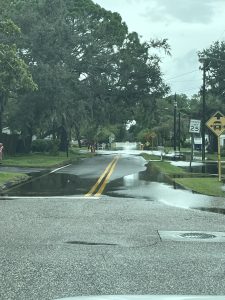
Stormwater is untreated rainwater that flows off non-permeable surfaces such as streets, rooftops, and paved areas, making its way into storm drains or water bodies, such as ponds, rivers, and canals. Stormwater runoff, both inland and along the coast, will make its way towards the coast, gathering and concentrating pollutants it picks up along the way. Major sources of stormwater pollution include fertilizers, pet waste, septic systems, yard debris, auto waste, and chemicals.
How can you help?
Using best management practices can help prevent most stormwater pollution, leading to improved water quality and healthier ecosystems. By taking steps to control and reduce common pollutants that enter our stormwater systems, we can improve the quality of our local waterways. Check out some specific pollution sources and simple solutions you can make to help limit pollution below!
Learn more about Stormwater Stewardship here.
Pollution Sources
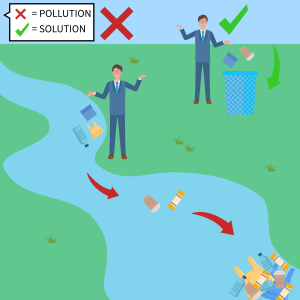
Litter and Trash
Did you know that most debris makes its way into our waterways from the land? Garbage like food wrappers, plastic bags and bottles, and cigarettes are carried downstream by stormwater drains and rivers before being dumped into our waters, polluting our ecosystems.
Trash and litter aren’t just unsightly; they harm the environment. Litter can be deadly to wildlife, where animals can become entangled in the trash or even ingest (eat it), causing major health problems. As garbage decomposes, it can also release microplastics, chemicals, and methane, causing chemical contamination of our drinking and natural waters. Another consequence of trash is its ability to clog our storm drain systems, leading to flooding of roads, streets, and homes during major rainfall events.
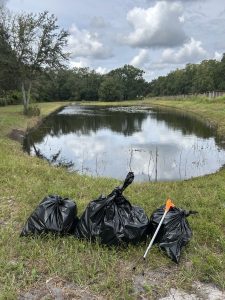
Litter and Trash Stormwater Solutions:
Litter in our community is both harmful and damaging, especially as stormwaters introduce it into our ecosystem and waterways. Below are a few steps you can take to help limit pollution!
- Throw away your trash in an appropriate area
Keep your trash with you until you can dispose of it in a recycling or garbage bin! Finding bins with a lid will help to stop the trash from blowing away after you dispose of it!
- Reduce or recycle waste
Try to use fewer disposable items in your everyday life. Reusable water bottles, Tupperware to-go containers, and reusable grocery store bags can cut down on a lot of trash! If you do use a single-use trash item, make sure to recycle it to keep trash out of landfills and natural systems!
- Help clean up your community
Participate in clean-up events or pick up trash on your walks to limit litter pollution. Bringing a bag with you on walks or just grabbing a bottle along your way will help to reduce pollution. Remember, every piece you pick up matters! Many counties have clean-up events you can join to help keep your community clean.
Learn more about Stormwater Stewardship here.
Check out some volunteer opportunities here:
Operation T.R.A.P.
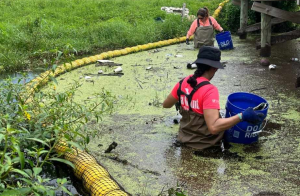
In Pasco County we have a program called Operation T.R.A.P. – Trash Reduction for Aquatic Preserves, focused on capturing trash before it makes its way into the Coastal Gulf waters of Pasco. This program focused on installing trash catchment devices that trap the garbage on its way to the coast. Currently, in Pasco we have 4 Boom catchment devices, 16 storm drain traps, and 12 monofilament tubes installed. The traps are cleaned out regularly, where the trash is removed, weighed, and sorted. Volunteers are welcome to join and help clean out these devices monthly! Contact Monica Wilson for more information: monicawilson447@ufl.edu
Keep Pasco Beautiful clean-ups
Keep Pasco Beautiful hosts two clean-up events annually in March and September throughout Pasco County. Participants will receive a free T-shirt and will be provided wiith supplies for the clean up. Clean up sites are located all over Pasco County so that you can clean the community near you and help stop stormwater pollution!
Pet Waste
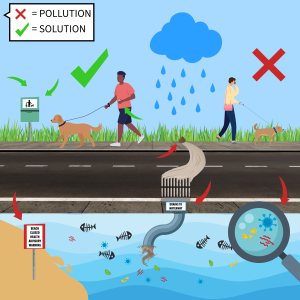
Human and pet waste introduce bacteria, viruses, and excess nutrients into our waterways as it decomposes. When pet waste is left on the ground, stormwater runoff can carry it into storm drains, rivers, and coastal waters, where these pollutants build up. As pet waste decomposes, it can release bacteria and ammonia, deplete oxygen levels, and trigger algal blooms, leading to unhealthy conditions for fish and other aquatic creatures.
Polluted waters are also unsafe for swimming and can cause illness or even death in humans and pets. Fecal coliform bacteria, such as Enterococci and E. coli, are indicator bacteria used to assess if fecal bacteria is in the water. The Enterococci originate from the intestines of humans or animals and can occur in high concentrations in waters. If the bacteria is ingested, or enters skin through a cut, it can cause diseases, infection, rash, sickness and even death. Pet waste can be a major contributor to the input of bacteria into stormwater, where roughly 90,000 dogs in Pasco County create more than 5 tons of waste every year.
Local water bacteria levels can be found here.
Pet Waste Stormwater Solutions
Always pick up pet waste and never use pet waste in your compost or garden, it contains bacteria and germs that can make you ill. Follow these simple solutions:
- Scoop the poop!
Pet waste in your yard won’t act as a fertilizer or be good for compost, instead it will release bacteria into nearby waters when it rains and breaks down the waste. Scoop the poop in your yard regularly and throw it away in the trash to keep the waterways clean.
- Pick up waste in a bag!
When walking your dog in a public space, keep doggie bags with you or stop by a pet waste station. Picking up after your pet each time they go to the bathroom will help stop public areas from becoming polluted.
- Dispose of waste properly!
Make sure to throw away pet waste properly. Waste can be thrown out in your trash bin or flushed down the toilet, where it will be processed with the human waste. If using a plastic bag to pick up waste make sure it makes its way to a trash bin! A bag full of plastic pet waste is just creating a long lasting trash and bacteria problem!
Learn more:
Fertilizer
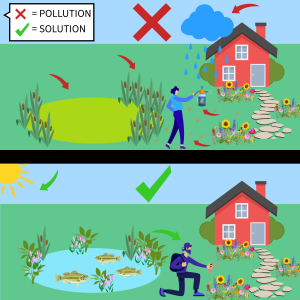
Fertilizers contain highly concentrated nutrients such as nitrogen, phosphorus, and potassium, which can easily be introduced into our environment and waterways. When applied incorrectly or in large quantities, runoff carries excess fertilizer into lakes, rivers, and other waterways. These nutrients can lead to eutrophication (enrichment of nutrients in a water body, leading to excessive growth of plants and algae), contribute to ozone-layer depletion, and damage aquatic ecosystems. These impacts can reduce the clarity of the water and the health of the water.
Fertilizer Stormwater Solutions
While using fertilizers can be important to keep your lawn and plants happy, following the proper application instructions is important to limit pollution and to avoid burning your lawn! Try some of these solutions:
- Use fertilizer properly
Make sure to only apply when necessary, follow application label directions, and choose slow-‑release formulas. Applying fertilizers during the correct time of year will help your lawn be healthier and keep our waters clean. In Florida, April and May are the best time to fertilize as grass grows rapidly during these months. You should only fertilize while grass is rapidly growing. Soil tests can also help you to determine what type of fertilizers you need so that you are only adding the nutrients your yard needs. Lastly, apply only the recommended amount onto your lawns to avoid over-fertilizing, leading to grass die-off and stormwater pollution.
For information on low cost (~10$) soil tests contact your local extension office! Learn more here.
- Minimize runoff
Rain can carry fertilizer into waterways before plants can use it. Apply before a dry period and sweep any spills off nearby pavement. Its important to avoid the rainy season (June-September) to prevent runoff of fertilizer before the lawn can absorb it. Some counties even have fertilizer bans during these time periods. Checking the weather for any rainstorms before you fertilize will also help to keep pollution low! After you fertilize make sure to sweep up any excess fertilizer that may have gotten on side walks, roads, or driveways!
- Follow FFL principles!
Use Florida-Friendly Landscaping™ principles to keep your yard healthy and fertilize properly! Florida-Friendly Landscaping means creating a beautiful landscape that can save time, energy, and money while also protecting Florida’s future.
- Principle 1: Right Plant, Right Place

- Principle 2: Water Efficiently
- Principle 3: Fertilize Appropriately
- Principle 4: Mulch
- Principle 5: Attract Wildlife
- Principle 6: Manage Yard Pests Responsibly
- Principle 7: Recycle Yard Waste
- Principle 8: Reduce Stormwater Runoff
- Principle 9: Protect the Waterfront

Learn more:
University of Florida FLL Fertilizer App
Florida-Friendly Landscaping™ .
Plant Debris
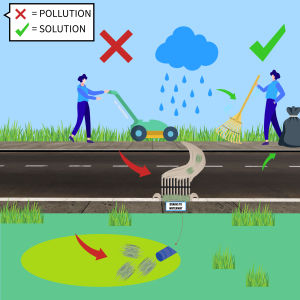
Plant debris from yards, flowerbeds, and trees can block storm drains and release nutrients that pollute our waterways. Grass clippings, fallen leaves, and plant trimmings can be easily washed or blown into storm drains or directly into our waters when piled near the roads or waterways. When washed into the storm drains, it can cause clogs and even cause localized neighborhood flooding during rainfall events.
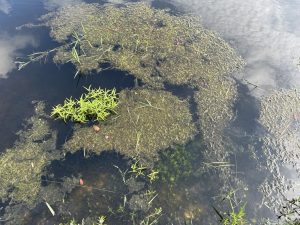
Once the plant matter enters the waterways, it will begin to break down, releasing large amounts of nutrients such as nitrogen and phosphorus. These excess nutrients can fuel algal blooms and lead to fish kills as the oxygen levels become depleted in the water. Keeping plant debris away from drains, rivers, canals, and ponds will help prevent pollution.
Plant Debris Stormwater Solutions
- Dispose of debris
If you have leaves, lawn clippings, or plant cuttings in your yard rake or collect yard waste into piles. Dispose of it in trash bins or follow composting guidelines to use it as a natural mulch.
- Leave it alone
Because plant debris has high amounts of nutrients, it can act as a natural fertilizer. Letting leaves and lawn clippings lie where they fall, distributed across your yard, will allow them to slowly break down and the nutrients will absorb back into the soil. Avoid raking them into large piles, which can easily blow away and create dead spots in your yard. As a bonus many critters live amongst plant debris, as it provides food, shelter, and moisture for them. Plant litter can create an important habitat that supports a much larger ecosystem!
- Keep debris contained
While you can leave plant debris where it fell in your yard, take care to pick up debris that is close to the streets or any areas where it could wash or blow into storm drains or waterways. Creating a clean barrier around your yard will keep plant matter out of our stormwater and keep your yard healthy.
- Keep a buffer around stormwater systems
Creating a “no-mow” zone around your drains, ponds, or canals can help keep debris out of our stormwater systems by acting as a natural barrier to block it from entering. These natural zones will also help to trap excess nutrients in runoff as they enter the waterways.
Learn more:
Article:How to Manage Yard Waste
Auto Waste
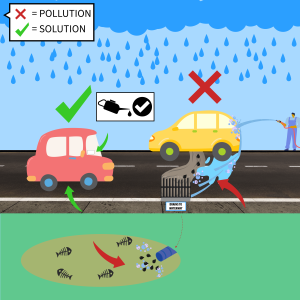
Leaking vehicle fluids and car wash soaps are major contributors of chemical water pollution when carried away by runoff! Many chemical pollutants come from our vehicles such as oil and antifreeze, car-wash soaps, tire particles. and heavy metals from brake dust and exhaust. Auto chemicals kill wildlife, disrupt ecosystems, and degrade water quality by contaminating it with toxic chemicals. These toxins can also become concentrated in humans or wildlife after we ingest them, as they cannot be removed from the body.
Auto Waste Stormwater Solutions
- Maintain your vehicle
Many fluids can be prevented from polluting our waters. Checking your car for leaks regularly will help to stop fluids from dripping onto roads. Be sure to get vehicles serviced to stay ahead of leaks and to limit bad emissions.
- Dispose of fluids properly
If you change the fluid in your vehicle yourself, make sure to recycle or dispose of oil and other fluids at collection centers. Places like mechanic shops, auto part stores, and county dumps often have free chemical drops offs where they will dispose of chemicals in the correct way. Never dump the fluids into drains or road ways.
- Wash in the right area
Washing your vehicle over the grass or gravel will allow the soil to soak up any soaps or chemicals. The grass, dirt, and rocks will act as a natural filter, treating and removing the chemicals before they reach the waterways. Using professional carwashes can also be a good practice as they catch, treat, and reuse the water, making sure to stop any runoff of contaminated water.
- Use eco-friendly soaps
When choosing a soap for you car, check the ingredients. Choosing a soap with natural products can stop pollution and serve as an eco-friendly option!
Learn More:
Pasco County FREE Hazardous Waste Disposal: Here
Pool Chlorine
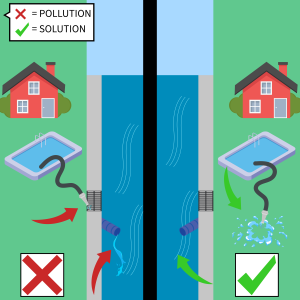
Chlorine in water can produce harmful chemicals and kill life in our waterways! Draining untreated water from a pool or water feature into storm drains or waterways introduces chlorine and other byproducts that harms wildlife and the environment. Even a very small amount of chlorine is highly toxic to aquatic animals, plants, and microorganisms. In water, it can react with organic matter to create harmful byproducts (DBPs). These byproducts are long lasting in the environment, carcinogenic, and can accumulate to high levels in soil and water. Additionally, they can damage the cells and proteins or plants and plankton of organisms leading to the death of these key food web species. Fish, amphibians, and filter feeding organisms can also be killed by chlorine impacts to their health. Chlorine discharge can also result in increases salinity as the chlorine ion breaks down causing significant environmental impacts in both fresh and saltwater environments.
Pool Chlorine Stormwater Solutions
- Dechlorinate the water
Before draining your pool, dechlorinate the water by using a water conditioner or let chlorine levels drop naturally. If you know you need to release water from your pool, wait until 10 days after adding any new chlorine. Water conditioners such as sodium bisulfate can decrease chlorinating levels in the pool so that the water is safe to discharge. Chlorine levels can be checked using a sample test kit strips or by taking a water sample to your local pool store to make sure no chlorine is released into our waters.
- Let the ground filter
Soils acts as a natural filter to remove many chemicals from water. Slowly release pool water onto your yard to allow for natural filtration and prevent runoff. Make sure you have dechlorinated your water beforehand so you don’t kill off any grass. Slow release is key to avoiding excess runoff into roads and drains. Only release water as fast as the ground can absorb it.
Never drain your pools into streets, storm drains, canals, ponds, or any other waterway.
Learn more:
Chlorine Discharge overview: FDEP
Construction Debris
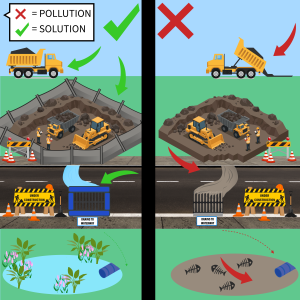
Sediments and pollutants from construction sites can contaminate our waterways! When best management practices are neglected, construction sites can discharge sediments, chemicals, and fuel into nearby waterways. Construction pollution can degrade water quality and clarity, introduce toxins and waste into waterways, and cause habitat loss in aquatic and terrestrial ecosystems. Excess sediments introduced into waterways can also cause turbidity, a cloudiness in the water, limiting sunlight. Turbid water can bury aquatic organisms and clog filter feeders, while also limiting plants like seagrasses from photosynthesizing.
Construction Debris Stormwater Solutions
Construction Best Practices
Construction sites should implement the following management practices:
- Cover drains leading to waterways
- Store and dispose of chemicals properly
- Keep sites clean and minimize debris
- Install sediment buffers to protect surface waters
- Sediment fences can be installed around construction sites and in drains to stop sediments. If aquatic construction or dredging is being conducted, in-water sediment booms, also known as turbidity curtains or silt barriers, can be installed to prevent silt, sediments, and debris from leaving the construction site.
Report bad practices
If you see sediment, dirt, or waste flowing into the waterways, report it!
Local: Your county or local city government
- Pasco: Pasco County Department of Public Works (727) 834-3611
State: Florida Department of Environmental Protection (FDEP)
National: Environmental Protection Agency (EPA)
Runoff
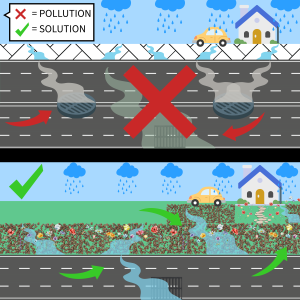
Runoff occurs when water from heavy rainfall flows over surfaces rather than soaking into the ground. Impermeable surfaces are areas made of materials such as pavement and concrete that do not allow for stormwater to be absorbed. Instead, the water flows over the hard surfaces, picking up pollutants that accumulate on the surfaces along the way, and delivers them directly into our waterways. These surfaces not only concentrate pollutants but can also lead to localized flooding. The increase of impermeable surfaces in a community prevents the natural absorption of water into the ground, resulting in pooling water on roads, driveways, and parking lots.
Runoff is a key contributor to stormwater pollution, as a majority of the pollutants that make their way into our waterways are transported by runoff. We live in a world with increasing amounts of concrete and the building of impermeable surfaces, creating more stormwater runoff and flooding. Check out some ways you can help to limit runoff and stormwater pollution.
Runoff Stormwater Solutions
- Increase permeable areas
Natural areas such as grass, soil, and gravel can absorb excess water and treat chemicals in the water before they are introduced into our waterways. Increasing permeable areas in your yard can help to collect excess water, remove chemicals, and recharge the aquifer system. Instead of paving your yard with concrete, try gravel or shell. If you like the look of concrete or pavers, try creating a grid system to increase permeability with natural grass or gravel cutouts. Another alternative is permeable concrete or asphalt, offered by several companies, designed to allow for water flow.
- Install water catchment areas
Water catchment areas can be as simple as having “green spaces” such as grass or gravel areas in your yard that allow for natural water absorption. Another simple option is to install a water catchment system like a rain barrel, where the rainwater can be used to water your garden. Water catchment areas can also be more complex and environmentally beneficial, where a green space is made specifically to catch, absorb, and naturally treat storm water before it can run off into storm drains or waterways. Examples include rain gardens, bioswales, and bio-retention ponds, where plants are added to the systems, allowing for the areas to be aesthetically pleasing while the plants also help to clean the water as it slowly absorbs back into the ground.
Learn more:
Article: Permeable Pavement Systems: Technical Considerations
Florida Sea Grant Article: Bioswales
How to Manual: UF/IFAS Rain Gardens
Storm Surge
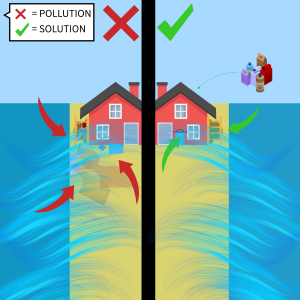
Storm surge occurs when water is pushed onto land by a storm, causing flooding from a rise in coastal water level! Storm surge can cause extreme and rapid flooding in coastal or riverine areas that would not normally flood from stormwater related to rainfall. This abnormal type of flooding can transport pollutants from land directly into waterways, capturing contaminants that would normally be out of reach. During these events, garbage, chemicals, paints, sewage, and yard debris that are left in low-lying areas are picked up by the flood waters and carried back into the ocean or river when the water retreats.
While storm surge is not a frequent occurrence, it can be one of the most damaging, where water levels can reach 15 ft or more above normal tide levels. Pollutants in your yard, garage, and even in your home can be flooded at these high water levels and introduced into our waterways. Luckily, storm surge is accompanied by major weather events and is often predicted ahead of time. This gives you time to prepare your home and clean up any potential materials that could pollute our waters.
Storm Surge Stormwater Solutions
- Prepare for the storm
If you know a storm is coming its best to prepare for the worst-case scenario. Check out your yard, garage, and shed, and be sure to pick up any chemicals, pollutants, trash, and debris that could be washed away, spilled, or flooded if the water levels rise. Secure loose furniture in your yard and place any chemicals out of reach of the predicted water heights. Its also a good practice to limit the use of any fertilizers or pesticides in the week before a storm, as they can be washed away.
- Check septic systems
Flooded septic systems can release sewage into waterways when covered with floodwater. If the ground becomes saturated, the drain field could stop working, causing the septic system to back up. The septic tank can also fill with flood water, causing contamination as the septic water flows out. Having the septic system inspected and maintained regularly will help to prevent contamination and damage during potential flood events. Additionally, keeping your tank pumped regularly can help to keep it from overflowing.
If you are experiencing flooding its best to limit septic use, turn off electrical pumps, and wait to pump the tank until the ground is no longer saturated. Pumping a tank while the soil is still flooded could cause it to pop out of the ground. You may also need to have your septic tanks inspected after a flood to make sure no damage has been caused. If you have a drinking well and a septic tank, it is best to avoid drinking well water until your septic and well water have been test as your well can become contaminated.
Learn more:
Weather.gov: Storm Surge Overview
Blog: Coastal Hurricane Prep
Septic Tank Guidance: Before, during, and after a flood
After flood septic tank information
Virtual Tour coming soon!
Additional resources
Stormwater Survey Pledge
- TBRPC Stormwater Stewardship
- TBRPC Stormwater Grant funding Here
- Pasco County FREE Hazardous Waste Disposal: Here
- Pollution Sources Publication (Krimsky et al, 2021)
- Stormwater Pollution Prevention BMP: FDEP
- Florida Friendly Landscaping™ Florida-Friendly Landscaping™ Program – University of Florida, Institute of Food and Agricultural Sciences – UF/IFAS
- DIY section
- Pasco County Community Programs: Lake & Pond Programs; Adopt A Road Program
- City of New Port Richey Community Programs: Public Works Programs – City of NPR
- From Street to Stream: The Journey of Stormwater Video From Street to Stream: The Journey of Stormwater
- If you suspect an illicit discharge, please contact Pasco County Department of Public Works at (727) 834-3611.
Credits
This project was supported by the Stormwater Outreach & Education Funding offered by the Florida Department of Transportation (FDOT) and managed through the Tampa Bay Regional Planning Council. This funding was awarded to UF/IFAS Extension Florida Sea Grant Pasco County in collaboration with Pasco County Public works and the City of New Port Richey.


Have a question? Ask the Authors!


Environmental Program Coordinator for the Department of Public Works Pasco County, Milla R. Turner at mturner@mypasco.net.
For more detailed information, contact your local University of Florida Extension Office.
Follow us!
Support our program
Donate here to support the educational programming offered by UF/IFAS Extension Florida Sea Grant. *Be sure to indicate that the funding is for the Sea Grant program.
An Equal Opportunity Institution.
 0
0