Wild coffee (Psychotria nervosa), also known as Seminole balsamo, is a native plant that could be the perfect addition to your Florida landscape. Find out if this low-maintenance, evergreen shrub is right for your garden or landscape: The 9 Principles of Florida-Friendly Landscaping™.
Origins of Wild Coffee
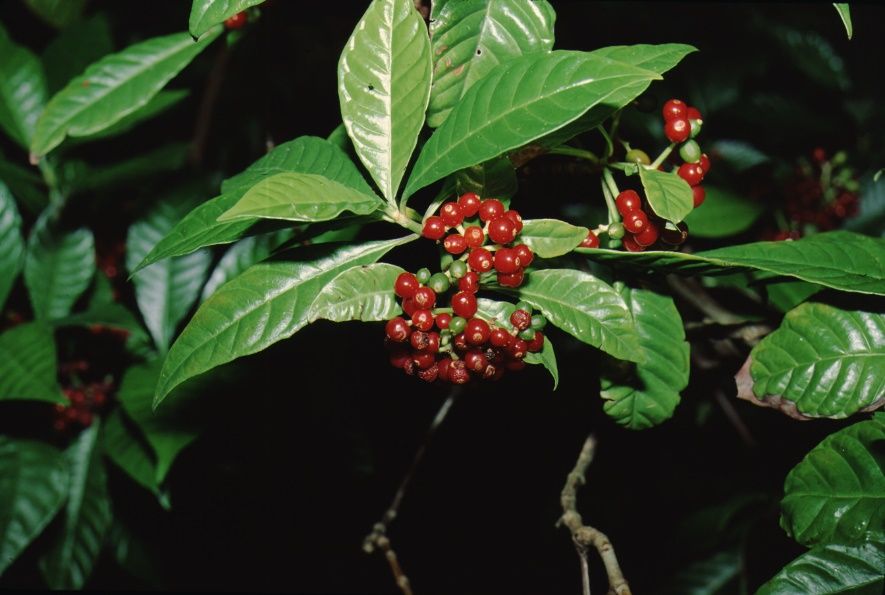
Wild coffee is native to Florida and other parts of the southeastern United States and the Caribbean. It is commonly found in the understory of hardwood hammocks, coastal uplands, and shaded forests throughout South Florida. This shrub has beautiful glossy green foliage, red berries, and ability to thrive in Florida’s diverse landscapes. The name ‘wild coffee’ comes from the resemblance of these red fruits to the true coffee bean. Although it’s in the same family and shares a name with true coffee, the fruit of Psychotria nervosa is not edible and does not contain caffeine.
Growing Conditions and Characteristics
Wild coffee is a versatile shrub that can be used in landscaping as a specimen plant, native plant gardens, shaded borders, dense hedge or privacy screens, an espalier trained against a wall, a foundation planting, a border plant, mass plantings or for wildlife-friendly landscapes. This tropical shrub can also be used as an understory shrub or grown into a small tree. This plant thrives in USDA Hardiness Zones 10B to 11. It prefers moist, well-drained soils and grows best in partial to full shade. It typically grows between 4 and 10 feet tall and spreads up to 4 feet wide, making it a versatile option for small residential gardens and larger natural areas.
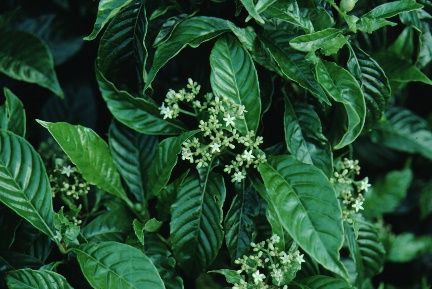
Wild coffee produces small white flower clusters (inflorescence) in the warmer months of spring and summer. True to a tropical shrub, this plant is very cold tender and may need protection if grown in colder zones than 10B. The plant does not go fully dormant in winter and often retains much of its foliage. These blooms are followed by clusters of red berries. The flowers attract pollinators like native bees and butterflies, while the fruit attracts birds and other wildlife. This tropical shrub is moderately drought tolerant and is sensitive to salt concentrations. Wild coffee is also known for being resistant to most pests and diseases. This means it typically requires fewer pesticides and is a low-maintenance choice for gardeners looking for an eco-friendly and striking shrub.
Why Plant Native Species?
Native species typically require less water and maintenance than non-native plants, making them more sustainable choices for landscaping. Additionally, native plants are better suited to local soil and weather conditions, which leads to healthier and more resilient gardens. By planting wild coffee, gardeners support pollinators, birds, and support natural biodiversity.
Have a question?
If you have any questions about gardening in Central Florida, please contact UF/IFAS Extension Pasco County at 352-518-0156. For more information on UF/IFAS Extension Pasco County Community Gardens, and how you can join one, visit http://sfyl.ifas.ufl.edu/pasco. Supervising Authors: Dr. Whitney Elmore
Follow us!
We have several ways to connect. Visit our Facebook, Instagram, Eventbrite, Blogs, UF IFAS Extension Pasco County Master Gardeners | Dade City FL | Facebook, Florida-Friendly Facebook, & Website.
Other Blogs in the Series
- Exploring Florida’s Natives: The Prickly Pear
- Exploring Florida’s Natives: Grass Pink Orchids
- Exploring Florida’s Native Gems: Carolina Jessamine
- Exploring Florida’s Natives: The Florida Violet
More resources
- UF/IFAS Extension Pasco County
- Dr. Whitney Elmore’s Podcast: Rooted in Florida
- Psychotria nervosa Wild Coffee
- Florida Bee Gardens: Wild Coffee
- How to Identify and Propagate Different Types of Wild Coffee for Your Florida Garden
- Extension Connection: Florida Friendly Landscaping
- Center for Aquatic and Invasive Plants | University of Florida, IFAS
Featured image: “Wild Coffee” by DeusXFlorida (11,059,330 views) – thanks guys! is licensed under CC BY 2.0.
 2
2