Mothing is the practice of attracting, observing, photographing, identifying, and documenting moths—either casually for enjoyment or as part of scientific study. All it takes is a white sheet and a light source, or even a bit of sugary bait brushed on tree bark, and you’ve got yourself a moth-viewing setup. It’s a peaceful yet thrilling way to connect with nature—no hiking boots or bug nets required.
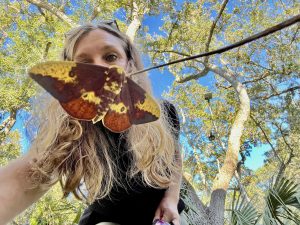
And there’s no better time to try it than during National Moth Week, running July 19–27, 2025. This global citizen science event encourages people everywhere—from rural nature reserves to urban patios—to discover, observe, and document the incredible diversity of moths. You can join an organized event or simply step outside your door. Upload your sightings to platforms like iNaturalist, and you’ll be helping scientists learn more about moth populations around the world. Join the official event here: https://nationalmothweek.org/
There’s something magical about spotting a moth—whether it’s fluttering past a porch light at dusk or basking on a sunlit wall in the heat of the day. I’ve always been enchanted by these creatures. Sure, butterflies get the fanfare, but moths? They’re often the overlooked wonders of the insect world—mysterious, vital, and, in many cases, wonderfully fuzzy. Like teddy bears, if teddy bears could fly.
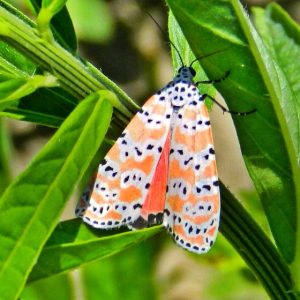
While many moths are active after dark, not all moths are nocturnal. Some species are daytime fliers, and a few are even mistaken for butterflies thanks to their bold colors and habits. Whether they’re gliding under moonlight or buzzing from flower to flower at high noon, moths play crucial roles in Florida’s ecosystems—especially as pollinators, helping sustain the health of native plants and the wildlife that depend on them.
Florida is home to thousands of moth species. Some are big, bold, and colorful; others are tiny and so well-camouflaged you’d swear they were tree bark or lichen. Those fuzzy, soft bodies and feathered antennae aren’t just for show—they help moths navigate in the dark, sense chemical cues, and stay warm through the night.
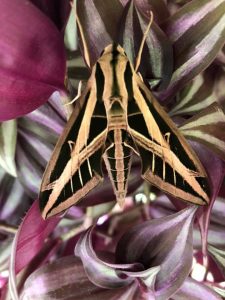
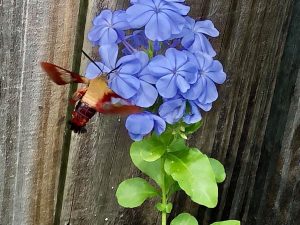
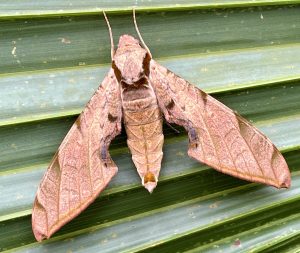
Among my favorites are the sphinx moths (Sphingidae). These strong, fast flyers are often mistaken for hummingbirds thanks to their hovering flight and long, nectar-sipping proboscis. Their caterpillars might be considered pests in the garden, but the adults? They’re impressive, elegant, and surprisingly agile in flight.
So this National Moth Week, take a moment to look closer. Moths are all around us—quiet and often hard at work, day or night. Appreciating them doesn’t require a spotlight, just a little curiosity and maybe a flashlight. Join me in celebrating these fascinating flyers!
In a state known for flamboyant birds and blooming flowers, moths remain one of Florida’s most intriguing—and underappreciated—natural treasures. They’re absolutely worth celebrating.
 1
1