Remember that classic talk about “the birds and the bees”? Well, these are the birds and bees they were talking about. The ones that pollinate. Well, it’s mostly bees…and flies, and beetles, and butterflies, but birds and even bats can help out in a pinch. The point is plants require help when it comes to reproduction, and tiny little pollinators are just what a plant needs to get its groove on.
Some plants have what are called perfect flowers, meaning they have both female and male parts. The female parts consist of the stigma, style, and ovary, collectively called the pistil. The male parts are the filament and the anther, collectively known as the stamen. The anthers hold the pollen that needs to end up making it to the ovary for a successful plant union. A carambola flower is a good example of a perfect flower.
There are also imperfect flowers where the female parts and male parts are found on entirely different flowers. There can be separate male and female flowers on the same tree such as jackfruit flowers. These plants are monoecious.
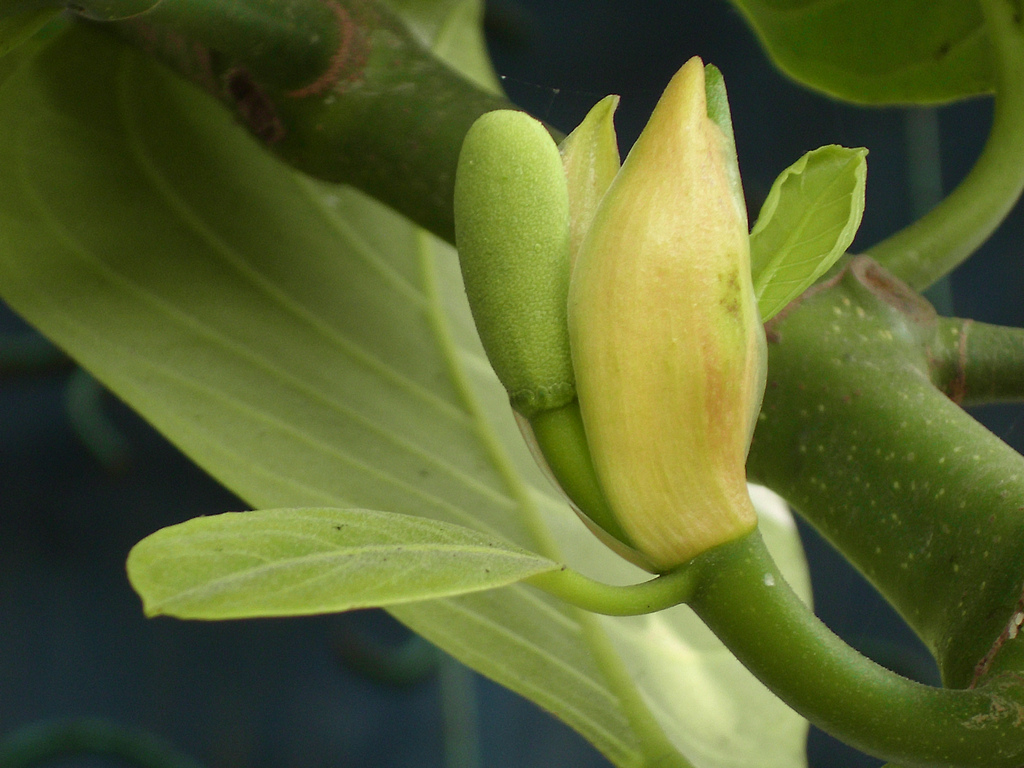
There are also species where one tree has only female flowers and another tree has only male flowers. A good example of this would be Spanish lime or black sapote trees. These plants are dioecious, and you want to make sure you have a female plant so you can get fruit. In both monoecious and dioecious plants, pollination can be a little tricker because the pollen needs to travel further to make a love connection. But don’t worry, bees and their counterparts are more than happy to play cupid.
Sometime nature needs a hand, a literal hand. I am consistently visited by sugar apple growers that are getting very low rates of fruit set. That is due to limited pollinators and the fact that a single sugar apple flower will start out female and then transition to a male. This can make for some hard times in the pollination department when the male is always late to the party. The strategy here is to hand pollinate. Take some pollen from a flower after it becomes male, save it for a bit, wait for a female flower and then use a small paintbrush to play pollinator. Dressing up like a bee or butterfly is not necessary, but it can’t hurt. Passionfruit are another species that may need a helping hand. YouTube abounds with videos on how to hand pollinate different species, so take a peek at some before you try your hand at this.
Final thoughts on pollination: you want to encourage pollinators by supporting diversity in your yard or grove. Plant more than just the fruit trees you love. Mix in some native species and other plants that will help attract pollinators. You can also lure pollinators to your plants by enticing them with other things that they love. There is a very successful commercial mango grower that I know that calls flies to his mango flowers using fish parts that are past their prime. It might sound gross, but don’t knock it until you have tried it.
Finally, you will want to be careful with any insecticides you spray. You may be killing off pollinators at the same time you are trying to eradicate pests. Many pesticide labels will have special sections that warn of the dangers of spraying near pollinators. Be thoughtful with what you plant and careful with what you spray, and the birds and the bees will thank you for it.

 2
2