Money management means actively overseeing and planning every aspect of your finances – budgeting, saving, and even investing. By managing your money well, you gain a clear understanding of your financial situation, set future goals, and make informed choices that support your financial and overall well-being.
What’s a Budget?
People often view budgeting, or “living on a budget,” as restrictive, but it’s simply a tool that summarizes your income and expenses over a set period—often a month—helping you manage spending and achieve your goals. Start by calculating your earnings from all sources of income, like paychecks, child support, gifts, or public assistance. Next, list your fixed costs (such as rent, insurance, and property taxes) and flexible expenses (like groceries, transportation, and entertainment). By making smart choices with your flexible expenses, you can ensure you have money to cover your fixed obligations and make progress towards your financial goals.
Then, subtract your total expenses from your income; if you get a negative number, you are overspending and need to adjust your budget and flexible spending. At the beginning of each budgeting period, set your budget, and review your spending at the end, making changes as needed for next time.
Budgeting Strategies
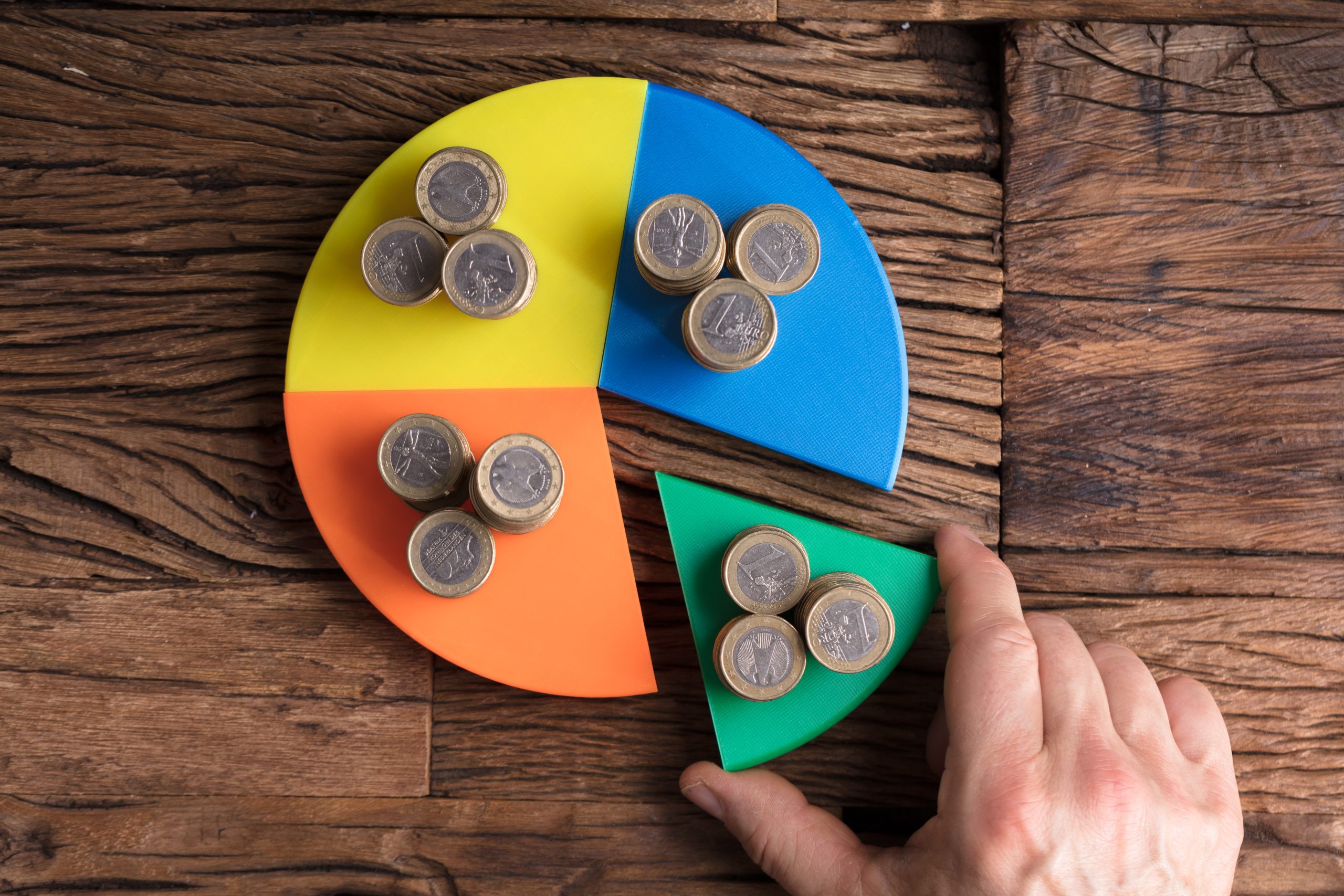
No single budget works for everyone—your income, expenses, and priorities are unique. Choose a strategy that fits your life. Common strategies include the 50/30/20, Pay Yourself First, Zero-based, and Envelope budgets.
The 50/30/20 method divides your income into three categories: 50% for needs like housing, insurance, and groceries—things you can’t do without; 30% for wants such as dining out, subscriptions, or vacations; and 20% for savings to support future goals like building an emergency fund, buying a home, or saving for retirement. Debt reduction payments, such as paying minimum and additional payments for loans and credits, count as both needs and savings categories.
When you Pay Yourself First, move a set amount or percentage of your income into savings as soon as you get paid. Focus first on building an emergency fund that covers three to six months of essential living expenses, then target other financial goals. Setting up separate accounts or vaults for each goal can make it easier to track your progress and stay organized.
A Zero-Based Budget assigns every dollar earned a purpose—whether it is for expenses or savings—so your ending balance always equals zero.
The Envelope Budget or “cash stuffing” method uses physical or digital envelopes for each spending category—once an envelope is empty, you stop spending in that category until the next budget period.
Budgeting Tools & Resources
You can find many apps, online tools, and printable worksheets to create and track your budget. Some are free, while others require payment for advanced features like reports, automatic syncing, or goal tracking. Popular free mobile apps include:
- Credit Karma (previously Mint)
- Empower Personal Dashboard
- EveryDollar*
- Goodbudget*
- Honeydue
- NerdWallet*
- Rocket Money*
*basic version; paid premium features available
Some common paid mobile apps include:
Many banks and credit unions also offer their own budgeting tools; always check for potential fees. Free printable worksheets, like those from the Federal Trade Commission and the UF/IFAS Extension Money Management Calendar, are available; however, you can use Google Sheets or Microsoft Excel templates to create custom budgets. While exploring these tools and mobile apps, keep your financial goals, resources, and preferred strategy in mind—especially if considering a paid service.
 1
1