When you establish a Wildlife-Friendly Landscape with Florida Native Plants, you will provide a natural food source for your birds, nesting opportunities, and a habitat that requires little maintenance. However, homeowners love to supplement the food provided by native plantings with bird feeders and bird seed. They are always bragging about “their” backyard birds – Cardinals, Bluebirds, Woodpeckers, and Titmice … even Hummingbirds! And others ask about how to attract these garden delights? Well, here is a short list of Backyard Birds, Bird Feeders, and Bird Seed.
Backyard Birds
Many birds frequent our residential backyards and suburban environment. They have adapted to take advantage of the many enthusiast who enjoy their company and bird song. Here are a dozen popular backyard bird favorites, along with the food they eat (a sure way to attract these tiny wonders).
|
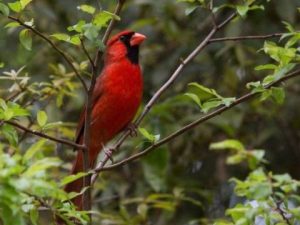
Cardinal:sunflower, safflower, suet, cracked corn |
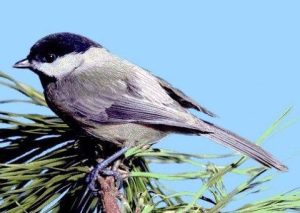
Chickadee:sunflower, peanuts, suet, safflower, mealworms |
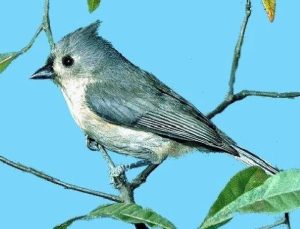
Tufted Titmouse:sunflower, peanut, suet, safflower, mealworms |
|
|
|
|
|
|
|
|
|
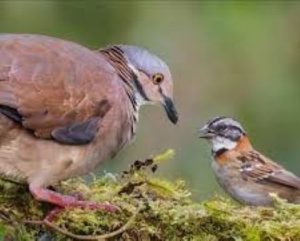 Sparrows & Doves:
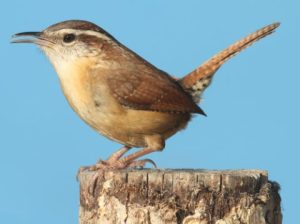 Wrens:
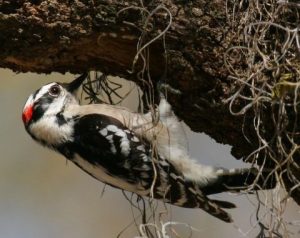 Woodpeckers:
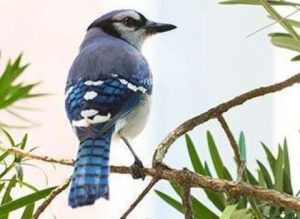 Bluejays:
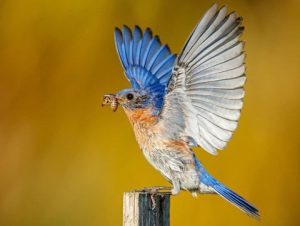 Bluebirds:
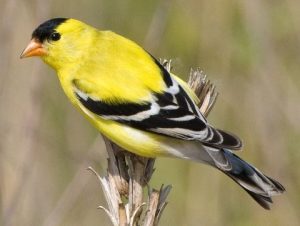 Goldfinch:
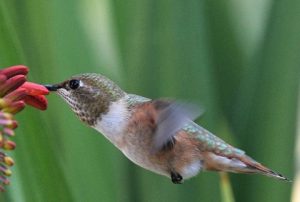 Hummingbirds:
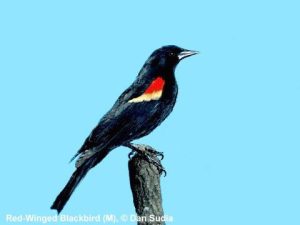 Blackbirds:
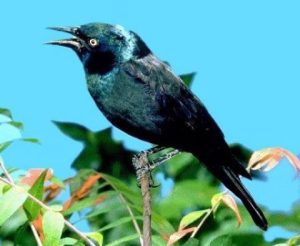 Grackles:
Photos courtesy of Dave and Judy Knizner, Wild Bird Unlimited Eustis
Bird Feeders
There are many types of bird feeders, some for general bird seed presentation, and others for specific bird species. This partial list will give you a great start to backyard bird feeders.
|
|
|
|
|
|
|
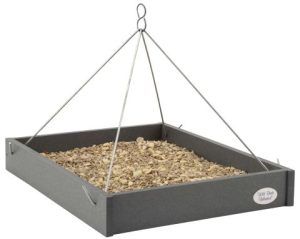 Platform Feeder:
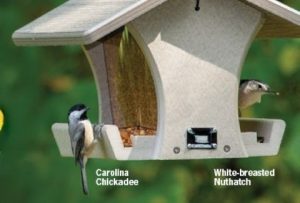 Hopper Feeder:
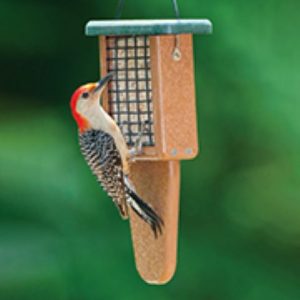 Suet Feeder: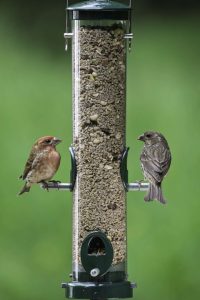
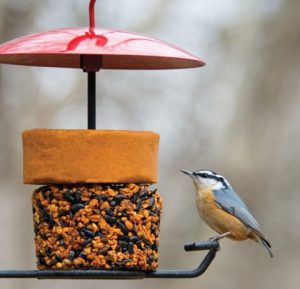 Seed Cylinder Feeder:
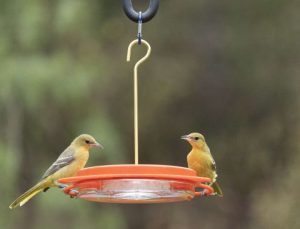 Nectar Feeder:
Photos courtesy of Dave and Judy Knizner, Wild Bird Unlimited Eustis
Bird Seed
The bird seed type presented in your feeders often determines the type of birds you attract. And, many seed types are packaged into mixes to attract a variety of birds. However, here is a list of popular bird seed offerings.
|
|
|
|
|
|
|
|
|
Sugar Water:Hummingbirds often need a supplemental source of nectar; hence, we provide sugar water in their feeders. Mix one part sugar with 4 parts water, dissolve in boiling water, let cool, then fill the feeder. No dyes are needed, and please avoid artificial sweeteners and honey. |
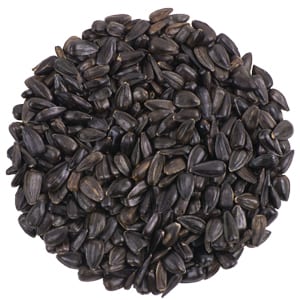 Sunflower Seed:
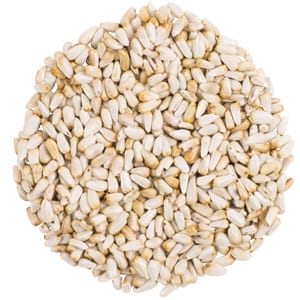 Safflower:
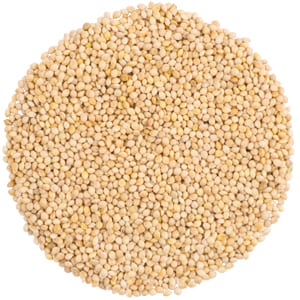 Millet:
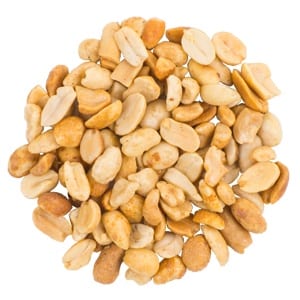 Peanuts:
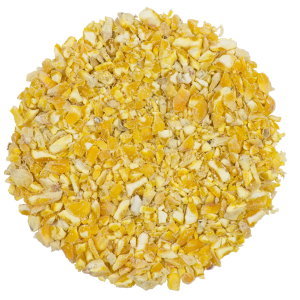 Cracked Corn:
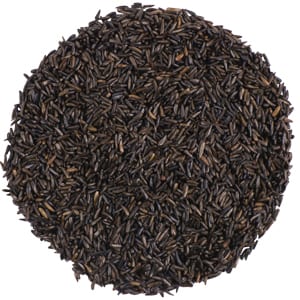 Nyjer Seed: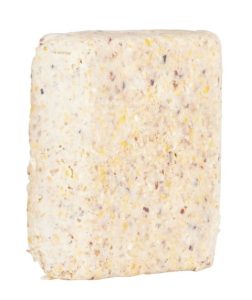
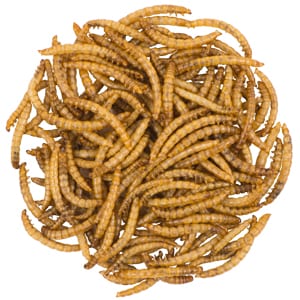 Mealworms: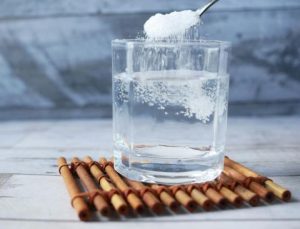
Photos courtesy of Dave and Judy Knizner, Wild Bird Unlimited Eustis
Thus, we take the formula of Bird Feeder + Bird Seed = Backyard Birds. It is not a guarantee that you will have a special visit from your favorite bird, but providing the food of their choice greatly increases your chance … of viewing your favorite Backyard Bird.
This post was written with the help of a Lake County Master Gardener Volunteer. Thank you!
Reference
Bird feeder and bird food images courtesy of Dave and Judy Knizner, Wild Bird Unlimited Eustis, 2868 David Walker Drive, Eustis, FL 32726. E: wbufl@comcast.net, T: 352-602-4208, W: https://westorlando.wbu.com/eustis-wbu-home.
Emma V. Willcox, Mark E. Hostetler, Martin B. Main, and Maena Voigt (2025). Attracting Backyard Birds: Bird Feeder Selection. Gainesville: University of Florida Institute of Food and Agricultural Sciences. Publication WEC 162.
 1
1