Insect populations are on the decline. This is a serious problem because insects are a primary source of food for any ecosystem. Birds, reptiles, and small mammals rely on insects as a major part of their diet. There are TEN simple things that we can all do to assist in creating better habitats for wildlife.
-
TURN OUT THE LIGHTS
We’ve all seen bugs gather around the outdoor lights at night. Lights attract an enormous amount of moths and other flying insects, making them easy prey for lizards and geckos. Insects spend a tremendous amount of energy hovering around lights when they should be off doing something else. However, solutions are at hand to solve this light pollution problem – Turn Out The Lights! When you turn off your outdoor lights, the insect world will continue with their business of feeding, reproducing, and doing whatever bugs do at night! Also, motion-detector lights serve as a great alternative as well because the lights come on, for a short duration, only to light the area on your terms. Another option is to change the light source to a yellow LED light because insects are not attracted to this light spectrum.
-
REDUCE THE LAWN!
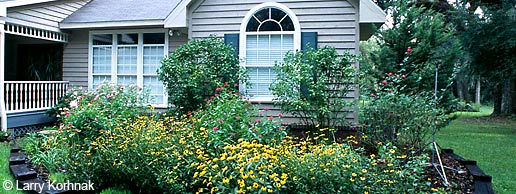
Consider reducing your lawn by 50%, building more beds, and removing invasive species. Use grass areas strategically for sitting areas and pathways through your yard. Plan your garden with native foundation trees, then layer your beds with pollinator-friendly flowering shrubs and perennial wildflowers. Expanding your beds means less mowing and less watering. Simply lay down a thick layer of cardboard over your grass and cover your beds with leaf litter, grass cuttings, and mulch … let it rot to create compost!
Mulch with Melaleuca-sourced mulch, made from the highly invasive Paperbark tree growing in the Everglades area. It is recommended over Cypress (Florida native) and Pine bark mulch. Melaleuca-sourced mulch is termite-free, nematode-free, and has allelopathic properties that inhibit weed growth. Another mulching option is using pine “straw” as it is simply collected “leaf” litter – no trees harmed here.
Mulch is great at keeping plant roots cool, retaining moisture in the soil, and over time, effectively builds healthy soil through compost. Avoid covering landscape beds with rock mulch as this adds a significant amount of stress to plants’ root systems and increases heat island effects in your space. Plastic mulch is not an environmentally friendly choice either. Also, once the leaves fall from your foundation trees – leave them! No more raking, blowing, bagging, and putting leaves by the curb for trash pickup. Leave the leaves in your yard or pile them up in large beds under trees because this is where so many caterpillars actually grow in leaf litter.
-
DITCH THE CHEMICALS!
The most significant threat to insects is herbicides and pesticides. These chemical solutions tend to linger in the environment, having a continual effect on good and bad bugs. Avoid spraying for mosquitoes as the chemical used is harmful to ALL insects. If you must spray fungicides or pesticides on vegetable patches, it is best to do so near dusk when pollinators are not present.
-
WEED BY HAND!
Weeding is best done by hand or by using compostable heavy coverings such as thick newspapers and cardboard, which effectively serve as a weed barrier. These organic methods will break down in the soil over time and will look good with a layer of mulch on top. Avoid synthetic ground cloths because they are typically made from plastics and will never break down. They are also difficult to work with as weeds will eventually find their way through, making weeding by hand even more challenging. The more densely you plant your beds with native plants, the less likely there will be weeds. Also, some native plants spread by seed, so be sure to look at the leaf structures before inadvertently pulling out next season’s plants.

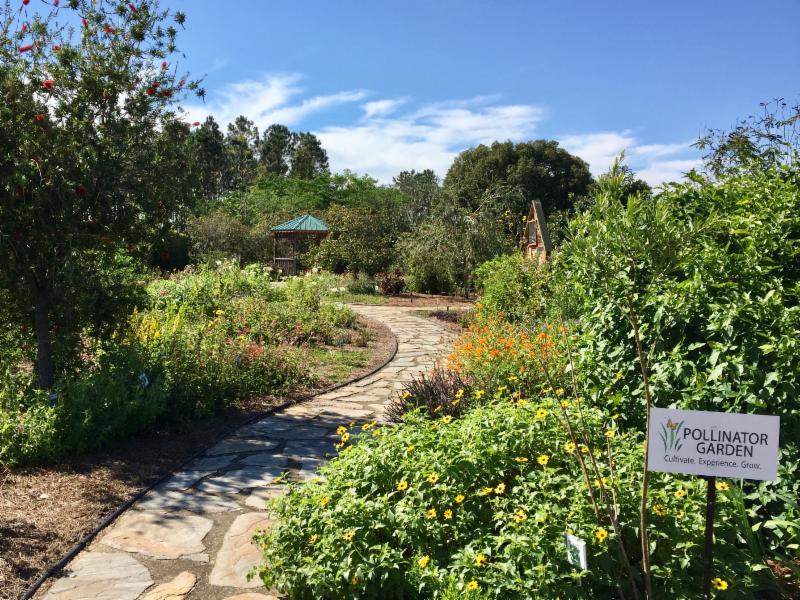
Pollinator Garden, UF/IFAS Extension Orange County. Image: Kelly Greer -
BUILD A POLLINATOR GARDEN!
Plant a variety of flowering perennials to feed our bees and butterflies. Tubular, brightly colored flowers provide nectar and pollen as a great food source. Salvias, Shrimp plant, and Honeysuckle are popular choices, and they are readily available. And pay attention to the plant’s flowering season, because we need nectar sources all year round for our pollinators.
Butterflies reproduce on very specific host plants that feed their caterpillars. Native milkweed, passion vine, Dutchman’s Pipevine, dill, fennel, and parsley are popular host plants for Monarch, Zebra Longwing, Gulf Fritillary, and Swallowtail Butterflies. Caterpillars feed and need host plants in the spring and summer months. -
GROW NATIVE PLANTS.
Native plants and insects evolved together in a region over a millennium, whereby specific insects feed and reproduce with these specific native plants. Florida native plants will grow and thrive in Florida’s environment and do not need any fertilizers. They can handle the extreme heat and even our cold spells. Native plants feed all insects, including our native specialist insects which only feed on specific native plants. Insects feed our birds, reptiles, and animal populations and are critical for a healthy ecosystem. Exotic trees and plants may look good in your yard, however, they do not serve as a food source for our native insects. Consider exotics as “Garden Nomes”; they may look good but they do nothing to support the ecosystem.
As always, choose the right plants for the right place. Consider light, water, and climate zone requirements when selecting native plants. Planting does not have to be expensive. Many native plants grow wonderfully from seed and do best sown in the fall for the spring flowering season. Easy to grow from seed, native wildflowers include Black- Eyed Susan, Coreopsis, Beach/Dune Sunflower, Blanket Flower (no longer considered native but still productive for pollinators), Partridge Pea, Tropical Sage, and Blue Mistflower.
-
CHOOSE KEYSTONE PLANTS.
Growing native plants is a great start when attracting the bugs. Author, conservationist, and entomologist Douglas Tallamy relates in his landmark book, Nature’s Best Hope, that while native plants will help, there is a subset of absolutely critical plants that support insect populations. He calls these exceptional support plants Keystone. We must be mindful in selecting some Keystone trees and plants for our Florida gardens.
Oaks are the premier Keystone plant in supporting over 400 species of caterpillars, which feed many birds and wildlife. If oaks are too big for your yard, there any many smaller trees that are highly productive too. Flowering plants like Goldenrod support around 80 caterpillar species each. Additionally, native wildflowers such as asters, sunflowers, tickseed, and Black-Eyed Susan help significantly with insect diversity. Resources from the National Wildlife Federation on identifying a variety of keystone and native plants specific to your region, with insect activity levels, can be found here.https://www.nwf.org/Native-Plant-Habitats/Plant-Native/Why-Native
-
GO WILD!
Save a corner of your yard and let it go wild. Leave the leaves: Grow your natives without mulch. Consider clearing an area to allow native ground bees and insects to nest. Pile up logs or leave tree stumps/ large stags creating habitat, food sources, and shelter for garden insects and wildlife. Over time, this wood will break down, enriching your soil structure and fertility. Provide a water source: A puddle tray with rocks will give bees a quick drink, and bird baths with water wigglers invite birds to stop in your yard. Consider adding a bird feeder for even more wildlife activity. Best of all, your wild area makes your neat landscape area look all the more organized!
-
DEMONSTRATION GARDENS ARE CLOSE AT HAND!
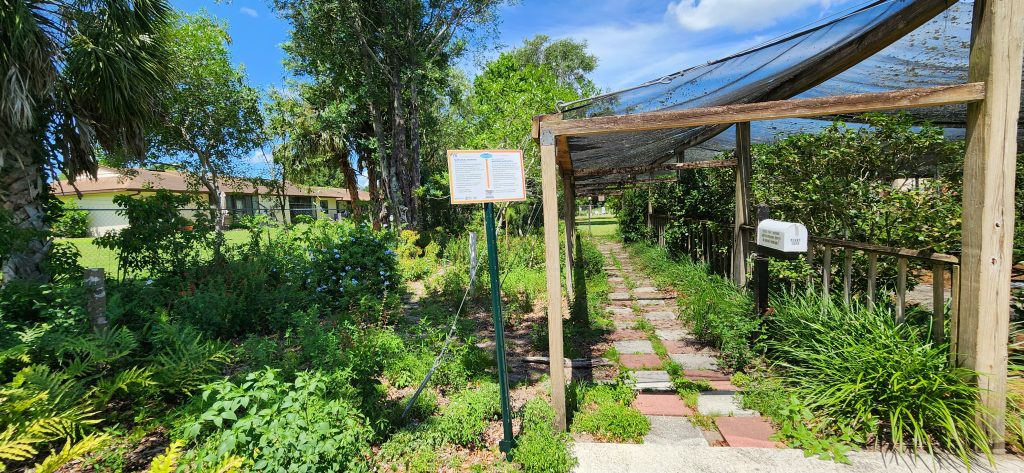
Visit local gardens to learn about plant options and growing conditions. The Discovery Gardens located at the UF/IFAS Extension Lake County Agricultural Center (1951 Woodlea Road, Tavares, FL 32778, tel: 352-343-4101) have over 20 Themed Gardens. If you want to see Florida Native Plants growing in their natural habitat, then be sure to visit these areas at the Discovery Gardens:
- Native Landscape Garden
- Natural Native Garden (natives growing WILD!)
- Keep Lake Beautiful Garden
- Butterfly Garden
- Upland Walk
- Southern Shade Garden
The Discovery Gardens are OPEN: Mon-Fri 9am-pm, Sat 9 am-3pm. No Admission, but No Dogs, Bugs Welcome!
-
EDUCATE OTHERS!
Share, spread the word, and educate your friends, family and neighbors to help build a larger network of insect and pollinator-friendly yards using the simple steps outlined above. Talk about what you have learned, what is growing and what is working for you. The more people know, the more likely they will be inclined to consider supporting the environment when developing their own landscapes.
This post was written with the help of MGV Clayton Yuen, Lake County Master Gardener Volunteer. Thank you!
 1
1