You may think the printing process begins once your document is fully designed, but there are things to consider at the start of your project. To ensure a smooth collaboration with the UF/IFAS Communications graphic design team, and to minimize revisions, there are several key details that should be established early in the process.
Getting Started
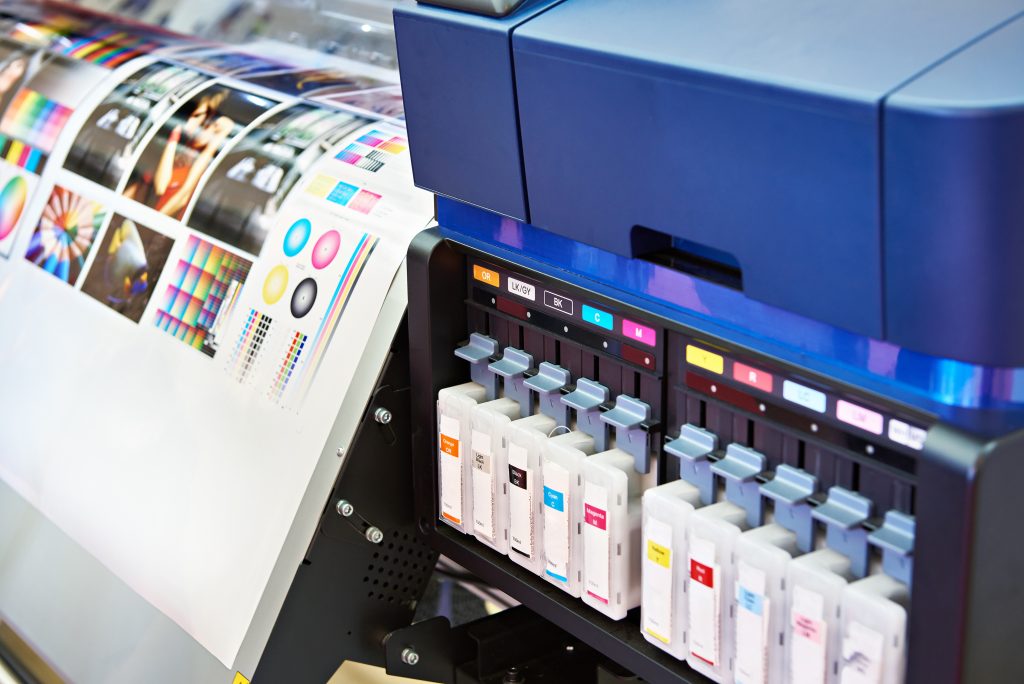
Your designer will need the following information before starting work:
- Document size (Ex: 8.5×11”, 1080x1350px)
- Printing method
- Will you need quotes from a local printer, will you order through an online vendor, or print on an in-office copier?
- If using an online vendor, what information do they require? Does the website include a template on the ordering page?
- Folds or binding requirements (Ex: trifold brochure, stapled or spiral binding.)
- Color specifications (What color ink will you use – full color, one color, black and white, etc.)
- Specialty printing options, such as embossing (pressing a mold into the paper to create a raised surface), metallic foil (adding gold, silver, or another color to make certain areas of your design shine), or die cuts (a metal cutter used to create a custom shape).
Providing these details upfront helps ensure the design is created correctly for its final printed format. If you don’t know the correct terms, just describe your ideas as well as you can and your designer will talk it over with you.
Preparing for Printing and Quotes
Once the design is finalized, your designer will recheck all specifications to ensure the piece is print-ready. Printers require specific information in order to provide an accurate quote. Please note that while graphic design services are provided at no cost, all printing expenses are the responsibility of your department.
Below is an example of the information required for a printing quote:
- Quantity (Ex: 50, 100, and 250)
- Timeline
- Rush jobs may incur additional costs
- Shipping time should be factored into the schedule
- Finished size of the piece
- Page count
- Paper stock, including:
- Should it be a glossy (shiny) or matte (non-reflective)
- Paper thickness (for example, a cover might need a thicker paper than the interior pages)
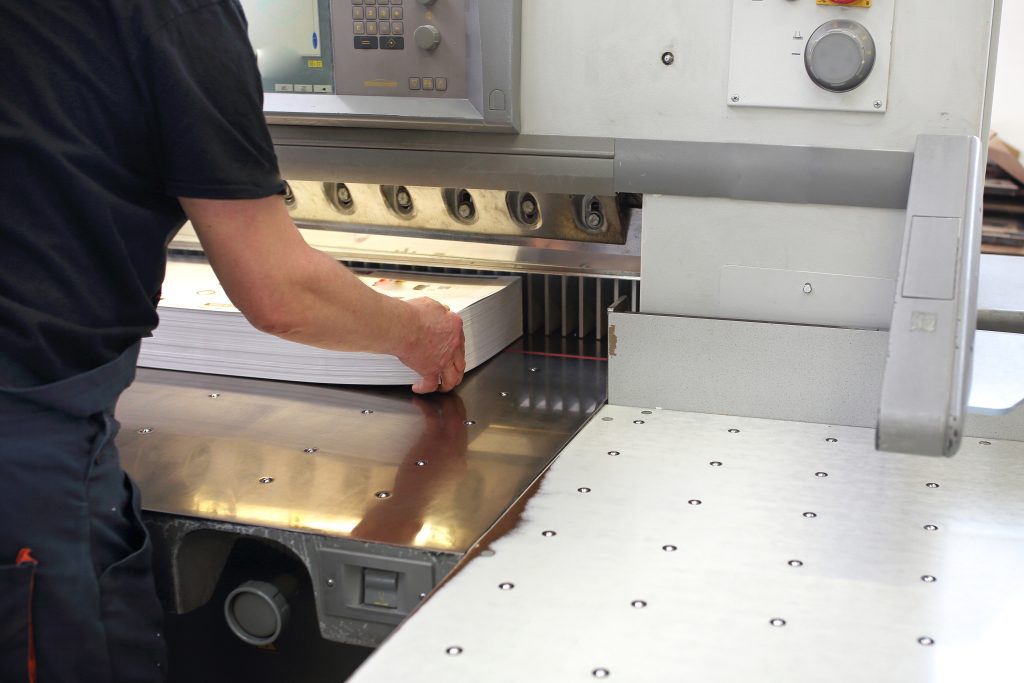
- Cropping or trimming requirements, including bleed specifications (the amount of artwork extending beyond the edge of the page)
- Binding method for multipage documents (staples, spiral binding, etc.)
- Proofing requirements
- Who needs to review the proof
- Whether the proof should be digital or physical
- Shipping destination for the final printed materials
- Billing information (Ex: Will you pay directly with your card, will there be a PO, or will the vendor send the bill to purchasing through UF’s vendor system?)
Final Steps
Once a document is approved for printing, we provide the printer with your contact information, including your name, email address, and phone number. The printer will then contact you directly to arrange payment and confirm shipping details.
 1
1