Intro
Recently on IFAS blogs, I posted about leafy greens which fit well in fall gardening; this entry is a continuation of that idea, touching on other cool weather vegetables. The start of the fall semester marks a dramatic cold turn in the weather for North Florida, allowing chill hours for many plants and even freezing on occasion, with the rest of the state getting that turn a little later. This colder season is much gentler on plants than the heat and humidity of summer, making it possible to grow a wide range of produce.
UF has many online resources to help make decisions on what to plant and when. I chose the North Florida Vegetable Gardening Guide to help me with this project, due to its thoroughness. Rather than focus on specific plants, I chose a species, a genus, and a family to show the range of what is available to plant in the fall season. Brassica oleracea is a fascinating species with a huge diversity of forms, the genus allium has onions and garlic with many cooking applications, and the family Apiaceae represents the herbs and veggies that fill out the garden and many recipes and contains carrots from my leafy greens post.
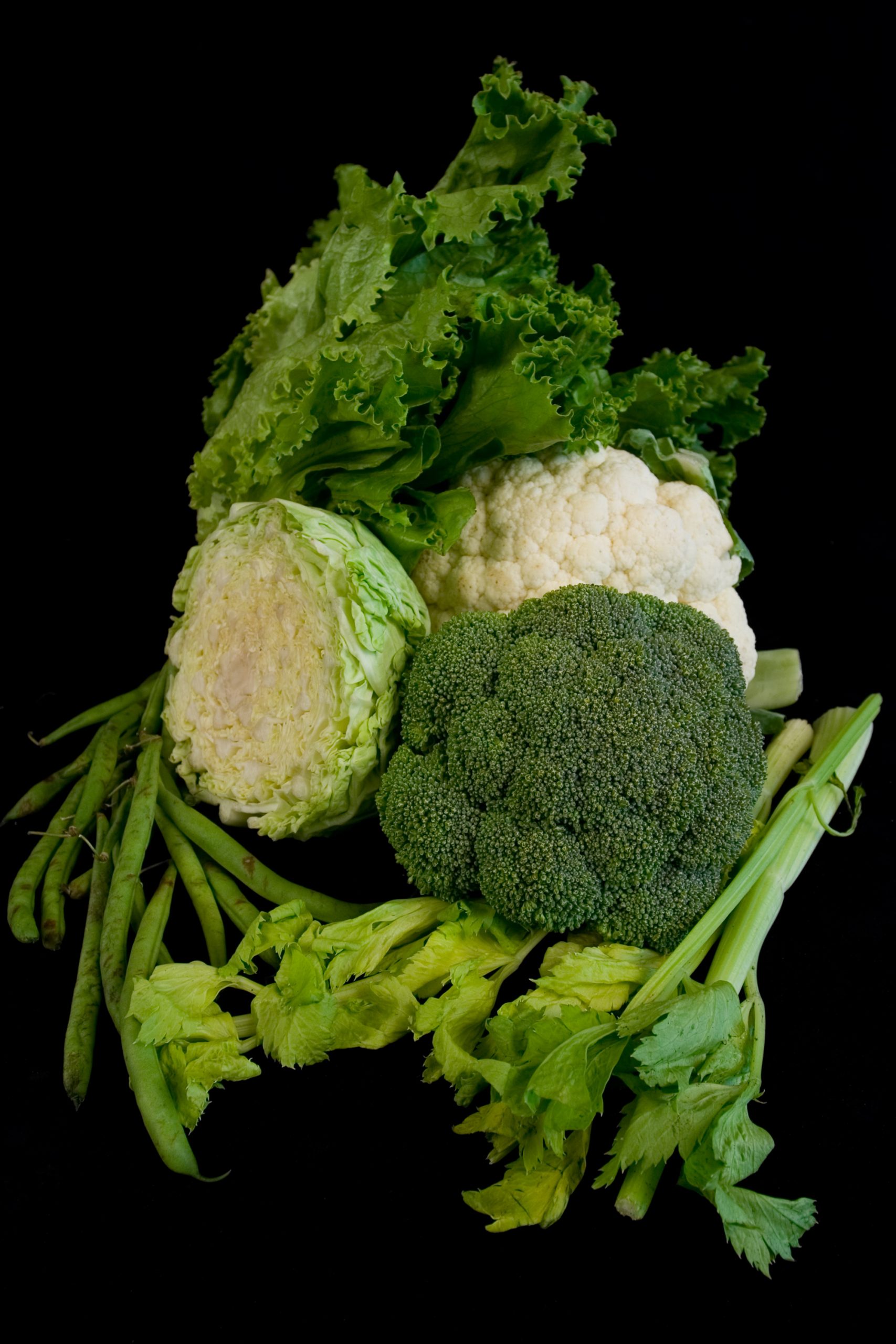
Brassica
Broccoli, cauliflower, and Brussels sprouts may look superficially different, but they are in fact members of the same species, brassica oleracea, as are kale and cabbage. Each named plant has had selection pressure for distinct traits, but they cross pollinate with ease. You can think about this relationship as the plant version of Chihuahuas and Great Danes, who are part of the same species and yet have wildly different physiological characteristics. Brassica oleracea is a powerful visual example of “phenotypic plasticity,” which means that a given physical trait (phenotype) has a diversity of forms (plasticity) within a species, usually due to environmental differences. A less extreme version of this is the range of sizes, flavors, and colors in tomatoes, which are also all one species. It is interesting to see how human selection pressure changes aspects of plants over time, pointing to untapped potential in our food system.
Broccoli, cauliflower, and Brussels sprouts do best during fall and winter in Florida. While there is some variation in their exact planting times, in North Florida, the best time is mid- to late-August, but in Central and South Florida, waiting until the end of September is better. They require around 6 hours of sun per day. These veggies require regular watering; a heavy soaking of 1”-2” of water once a week is recommended. All are somewhat resistant to cold, but extended exposure or extreme cold will damage the plants. Waiting too long to plant them may cause bolting if plants are exposed to higher temperatures in the spring.
Allium
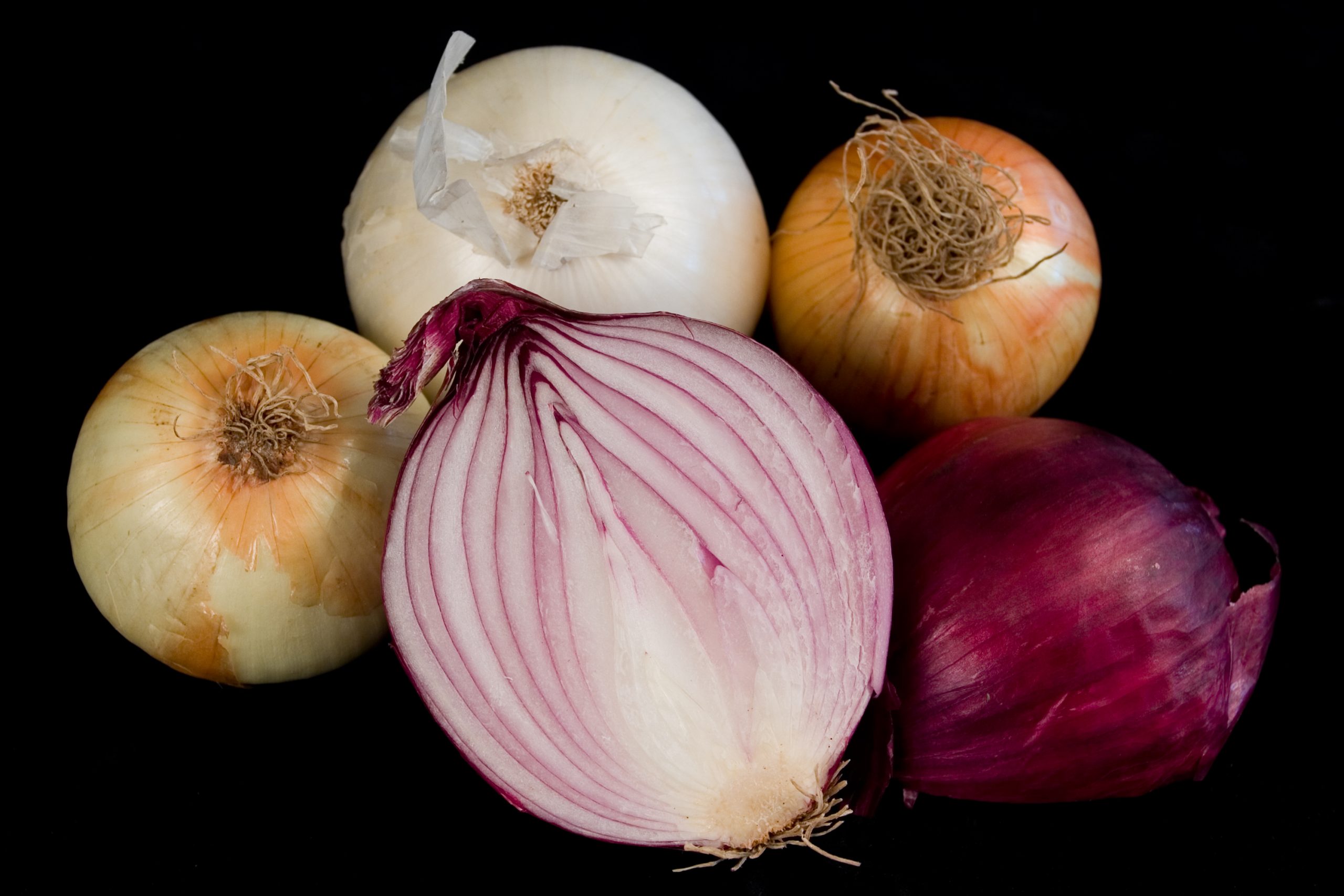
Amaryllidaceae is the family of the allium genus, which includes bulb and bunch onions, shallots, and garlic, among others. Sulfuric compounds make the plants both aromatically interesting and are the cause of strong physical reactions like eye watering. Some of these sulfur compounds are toxic to dogs and cats, so be sure not to feed them to pets. This genus has an unusual leaf structure somewhat similar to grass, with long, narrow, and semi-cylindrical tubular shapes. For onions, the bases of these swell to form the bulb. In other plants like shallots and garlic, modified stems make the bulbs, with modified leaves making the thin papery membranes around each internal clove. Many alliums have small, brightly colored, 6-pointed flowers that develop in clusters. They are striking, ranging from off-whites and creams to more intense blues and purples.
Planting for this genus should start in September, perhaps late August for North Florida. Well drained soil with a good amount of organic material is ideal for these plants. As with the others I’ve discussed, onions and their relatives do best with several hours of direct sunlight, if possible. They also need regular watering, though not to the extent of celery and others in Apiaceae (see next section). Fertilizer requirements change some between plants. It is important to check soil sulfur levels, as higher values can affect smell and taste. Onions and their relatives make good companion plants, helping to keep insect pests away from other produce.
Apiaceae
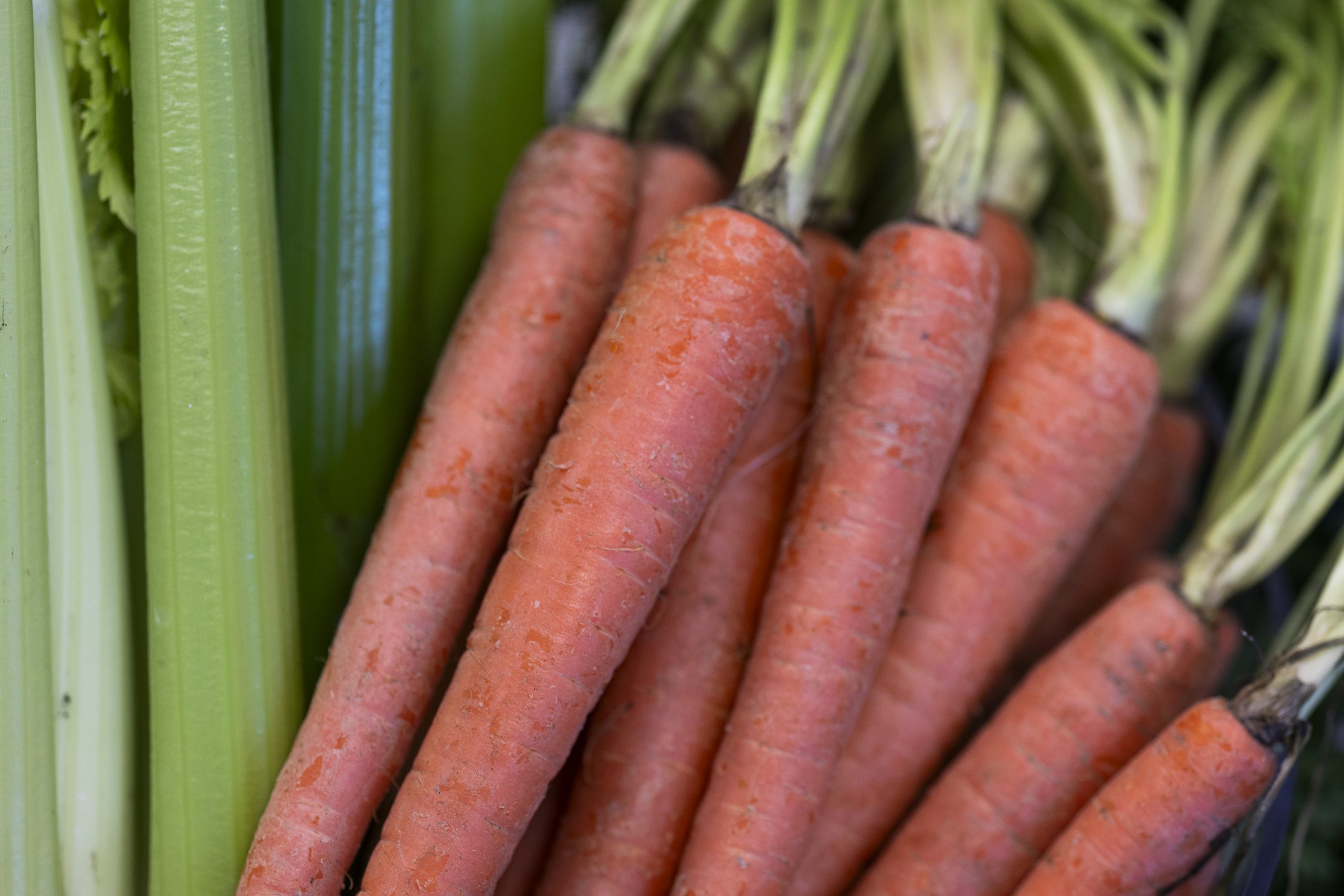
Vegetables like celery, fennel, and carrots, and herbs like parsley and dill, belong to the Apiaceae family. Many of the plants in this family are biennial and show more of their similarities if allowed to fully mature and flower; the flowers all come from a single main stem and make an umbrella-like canopy of small blooms. We do not see this often, as most of what we cultivate is harvested in shorter time frames. Hollow stems and taproots are other easily recognized family traits. Many members of Apiaceae produce aromatics and other phytochemicals, some of which are toxic.
Carrots, parsnips, celery, and their relatives all need rich, loose, deep, and obstruction-free soil to thrive, especially if the root is to be harvested. Carrots and parsnips may become misshapen and hard to peel if allowed to grow around hard material like stones or other roots. Outside of soil considerations, the most important factor in their growth is regular watering, especially when germinating seeds and soon after sprouting. They also need 8-hours or so of direct sunlight. Staggering planting in weekly intervals will allow for a longer harvest period, an important factor to consider when planning for home use.
Takeaways
The fall planting season in Florida is close to spring planting farther north. If we compare the planting times recommended in Michigan to those listed here for example, the first cool weather crops there are planted in late April. This is a separation of at least 4 months, quite a while when you are talking about fresh vegetable availability. Considering this, it is easy to feel spoiled by our modern food system, where a variety of fresh produce is constantly available, made possible by a world-spanning network of growers.
It also highlights the success of Florida’s fresh market crops, since they become available when they are out of season for much of the country. Florida already does this with sweet corn and is the USA’s number one fresh market producer. Another example is the sugar market in the US, with Florida being the largest producer of sugar cane. That market has done so well over the last decade that Mexico has switched from an exporter to an importer of US sugars, at least in some seasons.
 1
1