One of the best features of the University of Florida is its range of educational programs, with over 100 undergraduate majors. This not only helps to bring in a diverse pool of students, but it also gives those students an opportunity to synthesize information across disciplines. This is one of the many ways that the university prepares students to step into the future ready to make discoveries and have a positive impact on all our wellbeing. Galen Nightingale is a 4th-year undergraduate who has done this with a double major which combines human medicine and plant science. In a recent interview, he shared his love of plants and what inspires him in his educational pursuits.
On himself:
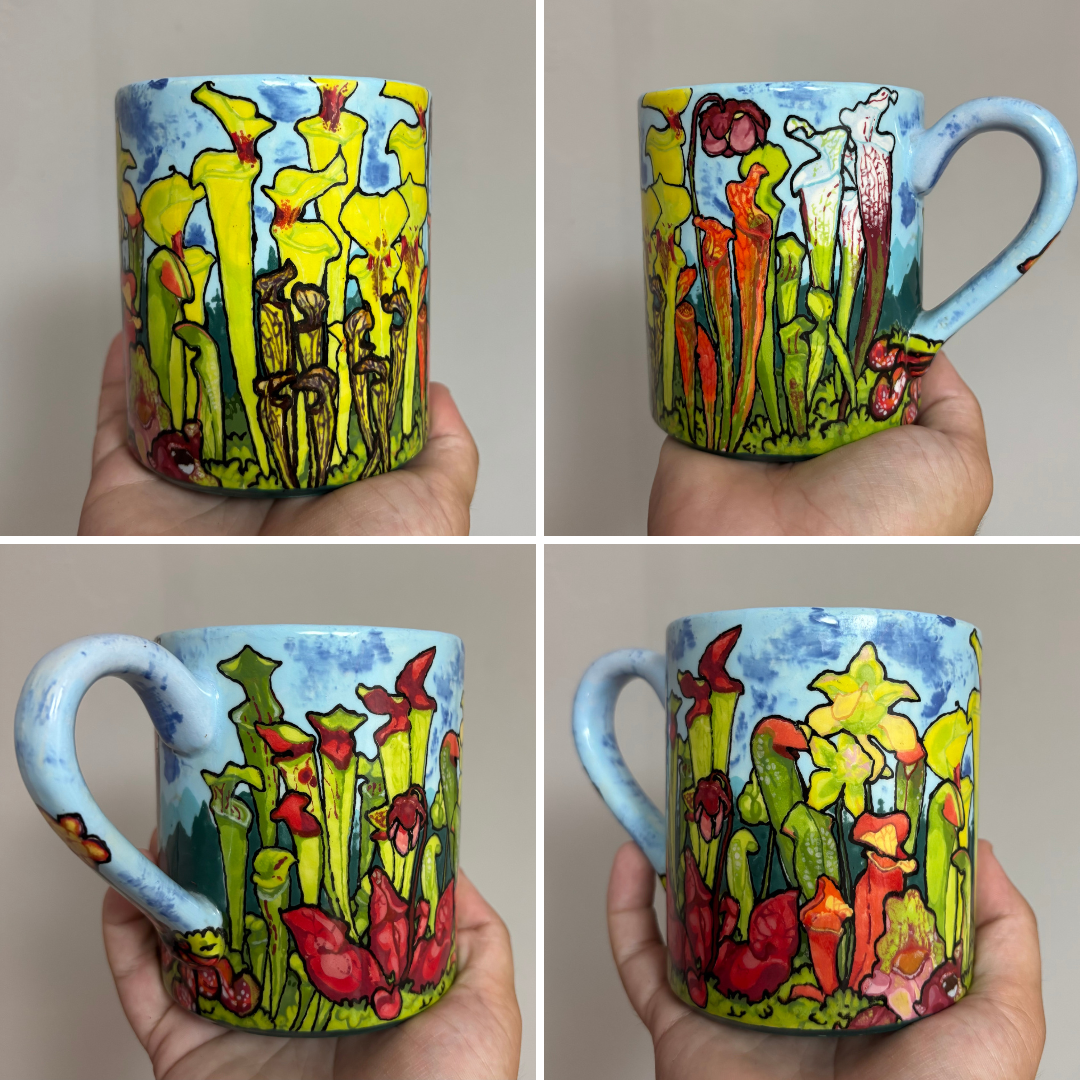
My name is Galen Nightingale. I spend almost all my time with my pet parrot, Jasper. I love carnivorous plants, and I take my parrot to look at natives. This summer, we toured the southern states to find the habitats of rare pitcher plants.
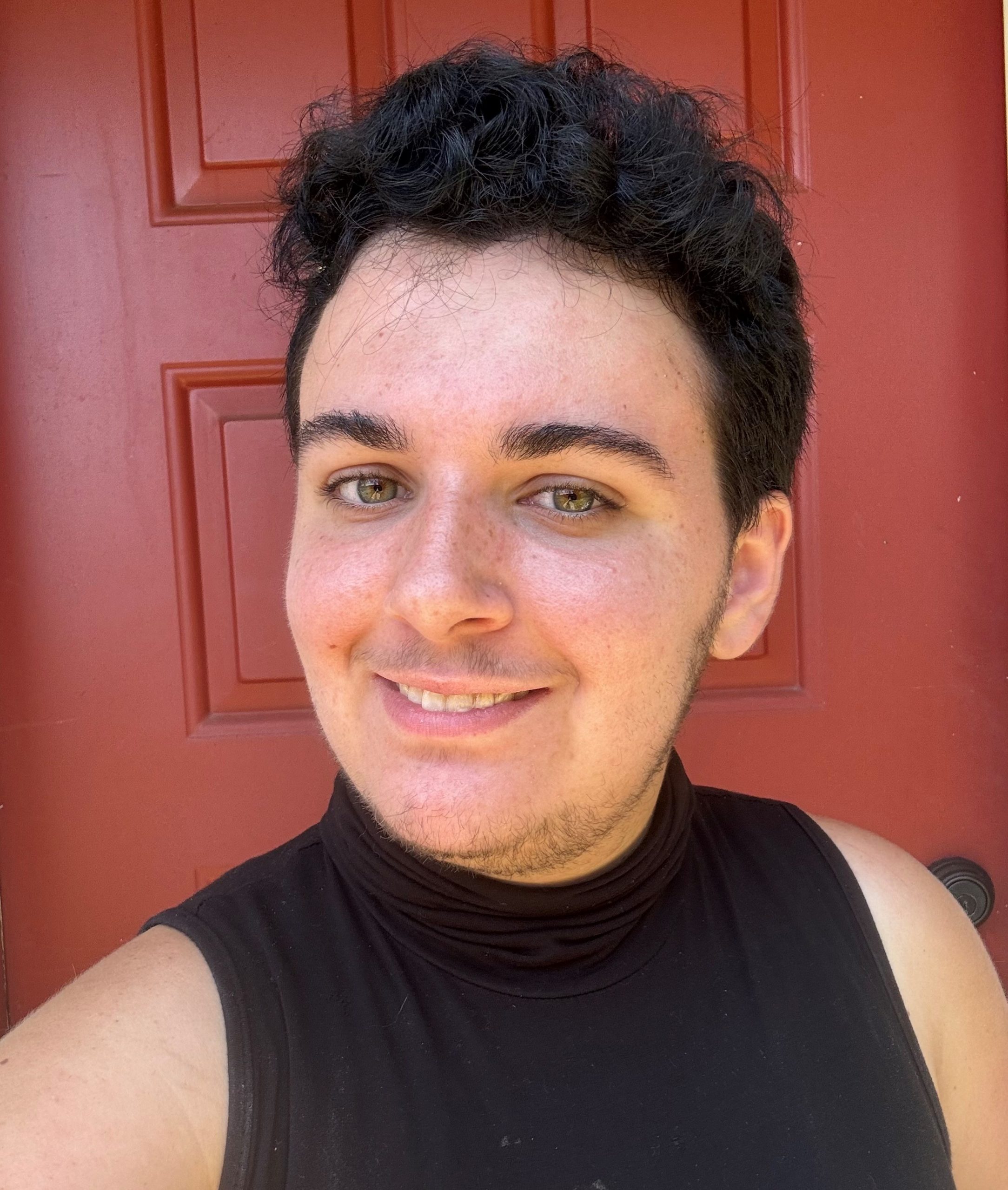
I’m really interested in native, edible flowers and heirloom varieties of some vegetables, like squash, melons, carrots, radishes, etc. I grow a lot for my parrot to eat; I have a hydroponic system at home, where I grow greens and small veggies for Jasper. I also grow a lot of other plants, like cacti and carnivores.
Also, I do a lot of art, botanical and character drawings of people and animals.
On his academics:
I’m entering my 4th year, with a dual major in microbiology and cell science with the College of Agriculture and Life Sciences. I came into UF wanting to do pre–med, so that is why I have the microbiology portion of my major. I started to volunteer with various plant-related groups on campus, and through them met Dina [Liebowitz]. She encouraged me to pursue a Plant Science major. I decided in the fall of 2024 to do so and added it as my second major for the Spring 2025 semester.
Last semester, I had a class that was called Laboratory Methods in Plant Molecular Biology (HOS4313C) that was taught by Drs. Catalin Voinicuic and Kelly Balmant. It was a very impactful class. I had always hated learning about genetics because it was boring until that point, mostly staring at computer files. In that class, we saw technologies like the OT2 lab robot and experimental design strategies that go into genetics research. I learned how to think of genetics as a puzzle to solve rather than just long chains of A, C, T, and G in a file.
On his extracurriculars:
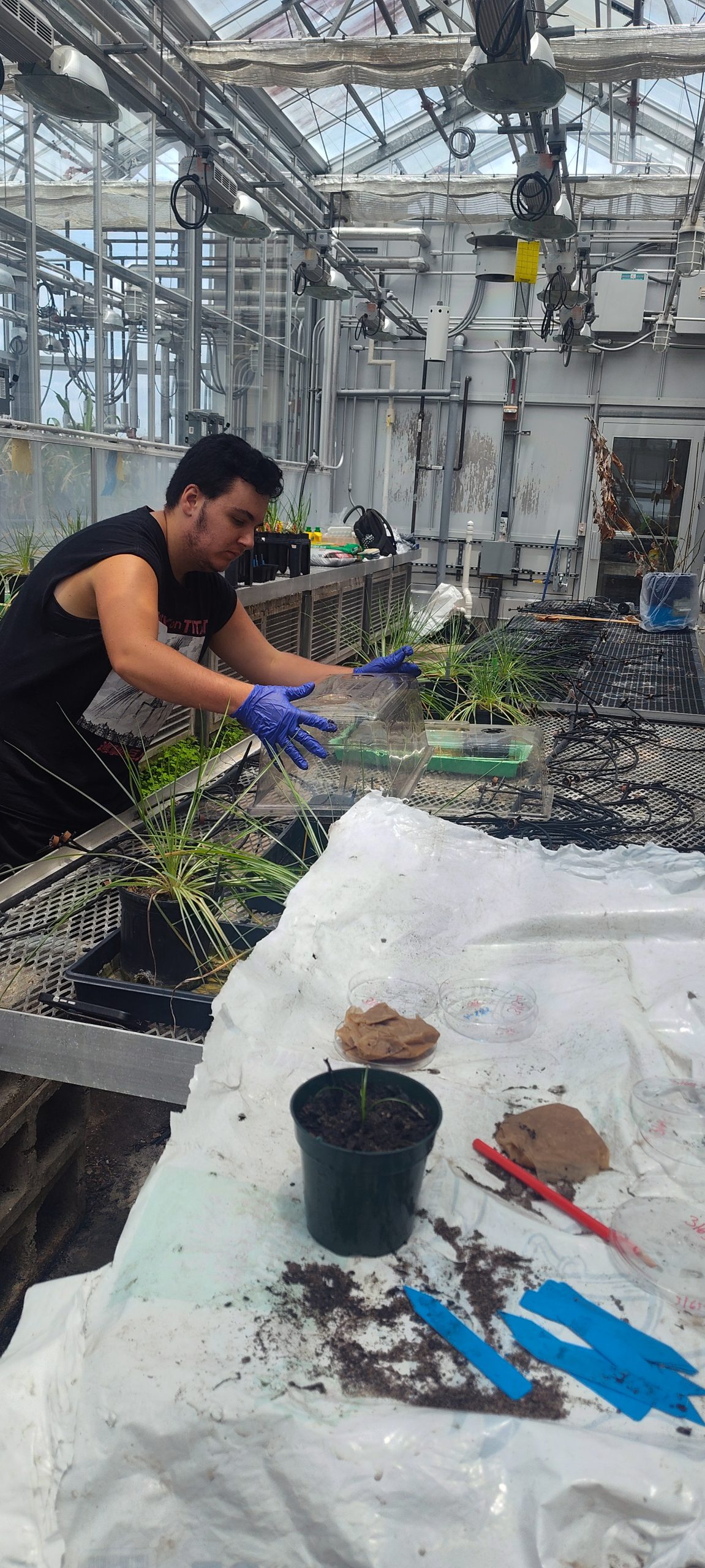
That class inspired me to reach out to the lab where I currently volunteer. I’m assisting a grad student in their research with Tragopogon, a type of flower in the same family as dandelions. The PIs for the lab are Pamela and Doug Soltis, and their graduate student is Sarah Ellen Strickland. Sarah is trying to research its evolutionary history to construct a phylogenetic tree. This is a family tree, but on the scale of species and genus rather than parents and offspring. The point of this study is to look at speciation as it happens in real time, and to look at how traits are inherited differently depending on the parent species.
I am the VP of the Hort. Sci. Club at the teaching garden across the street from Fifield Hall. My focus is on choosing the seeds to plant. My experience with home gardening informs some of these choices, especially the heirlooms and edible flowers that we will be starting this year. When events are done in the garden like the upcoming Fall Festival, I help with setup and make sure that the plants we are providing for sale are ready. Of course, I also do the outdoor work of maintaining the garden with other members.
On his future:
I will be graduating in the fall of ’26. Afterwards, I’d like to continue with a Ph.D. at UF’s College of Medicine, then potentially continue with medical school in pathology. The plant science portion of my education started with me wanting to fully explore my hobbies and personal interests. However, the more I have learned the more I see how it applies to human health. Not only are there direct interactions, like with antioxidants and other micronutrients that come from plants, but also more abstract applications, like learning the fundamentals of genetics and drug development, which could then be applied to human health.
On why he recommends plant sciences:
“Plant science” is a huge field that touches almost every aspect of life. A person could be interested in gardening and producing their own food, or they could be passionate about nutrition and human health, or lab work and research. It overlaps with other disciplines like chemistry, physics, other areas of biology, even business and entrepreneurship. It is also an extremely secure line of work, since everyone needs to eat, and there is a lot of pressure to improve how to grow our food, use farming space, and regulate water and fertilizer use.
 3
3