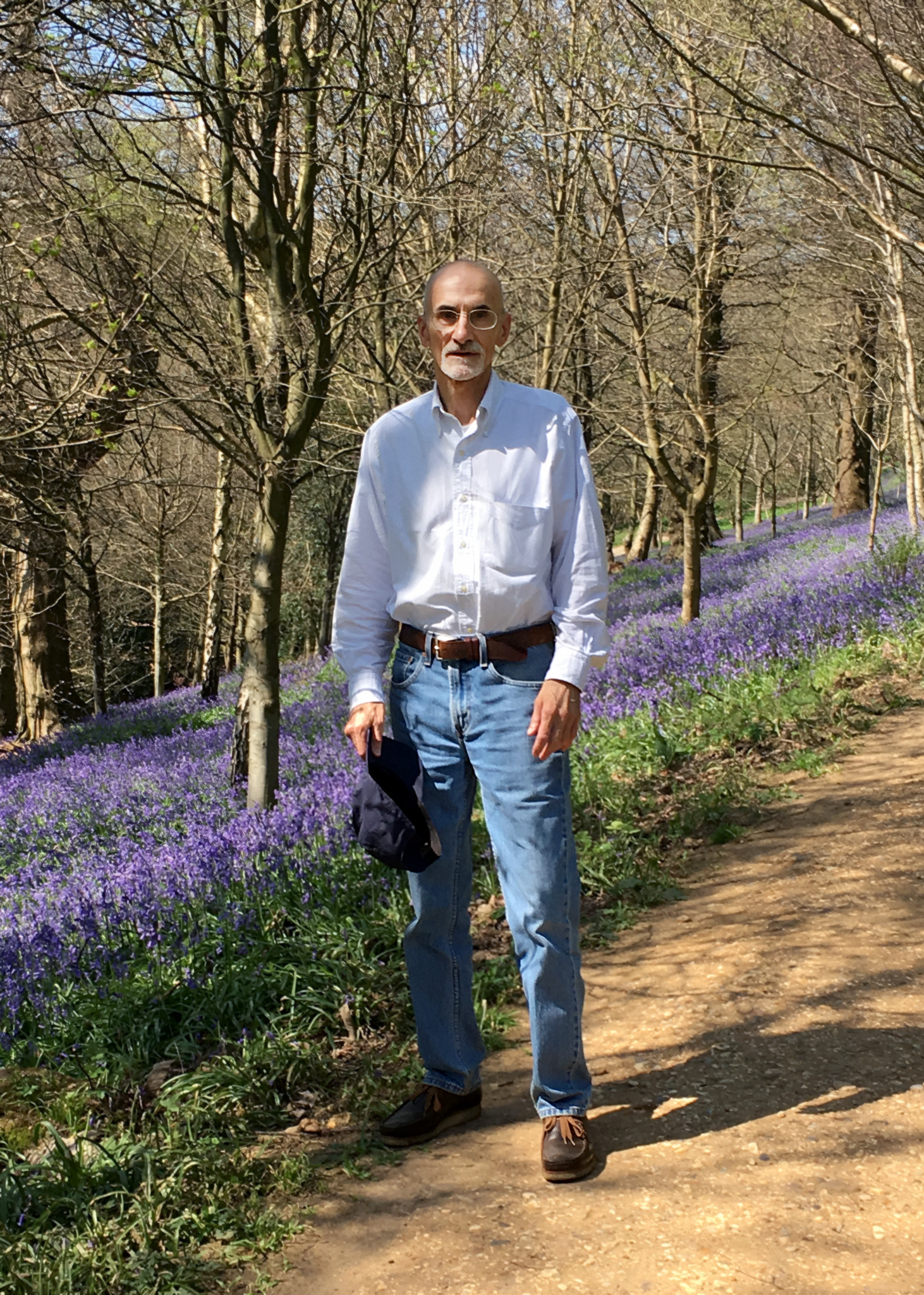
Dr. Andrew D. Hanson, C.V. Griffin Sr. Eminent Scholar and Professor in the Department of Horticultural Sciences, leaves a legacy of groundbreaking contributions as a visionary in plant biology. Known for his humility, intellect, and generous mentorship, Dr. Hanson’s passing is deeply felt by the UF community and by colleagues worldwide, who continue to be shaped by his decades of research and leadership.
Hanson received his B.Sc. in Biochemistry and Botany and his Ph.D. in Plant Physiology from the University of London, U.K. After an early career at Rank Hovis McDougall Ltd., he pursued post-doctoral training in plant biochemistry and metabolism at the Université d’Aix-Marseille and the MSU–DOE Plant Research Laboratory (PRL) at Michigan State University. He went on to join the PRL faculty, with a joint appointment in the Department of Plant, Soil, and Microbial Sciences. In 1991, Hanson was appointed Professeur Titulaire at the Institut de Recherche en Biologie Végétale of the Université de Montréal. Three years later, in 1994, he began the Andrew Hanson Lab at the University of Florida in Gainesville, Fla.
Hanson was a Fellow of the American Association for the Advancement of Science and, in 2024, was elected to the U.S. National Academy of Sciences, one of the highest honors for a scientist.
His contributions to plant biology were extraordinary, unique, and multifaceted. During the last two decades, Hanson emerged as a leader in plant synthetic biology, providing young scientists with the vision, guidance, and training to unlock the potential of designing new life processes and repurposing existing ones for useful ends. His research on directed evolution of enzymes resolved many biochemical puzzles related to pathways critical for the biosynthesis of vitamins. He was deeply committed to using science-based knowledge to improve food systems, nutrition, and health with minimal environmental impact. He loved to communicate his ideas on these topics via multiple forums, including classroom presentations, conferences, and social media. He spoke and wrote about some of the most difficult global issues with clarity, nuance, and humor, always with a positive focus on solutions.
In 2023, he helped launch the Big Issues Seminar Series at UF, bringing together experts from engineering, clinical medicine, nutritional sciences, and horticulture to explore solutions to some of the most pressing challenges in food production and human health. His work demonstrated how health crises such as diabetes and obesity could be addressed through the sustainable production and consumption of vegetables and fruits.
Hanson’s pioneering research on folate synthesis and metabolism in plants revealed how folates are made and used in plants and microbes, while also providing the tools to improve crops for greater nutritional value. His work made folate biofortification a reality. By combining comparative genomics with plant biochemistry, he identified critical steps in folate pathways, setting a standard for how genomic data can be applied to solve fundamental problems. Later, his research expanded to thiamine biosynthesis, blending comparative biology with laboratory evolution to address issues of food security and the bioeconomy.
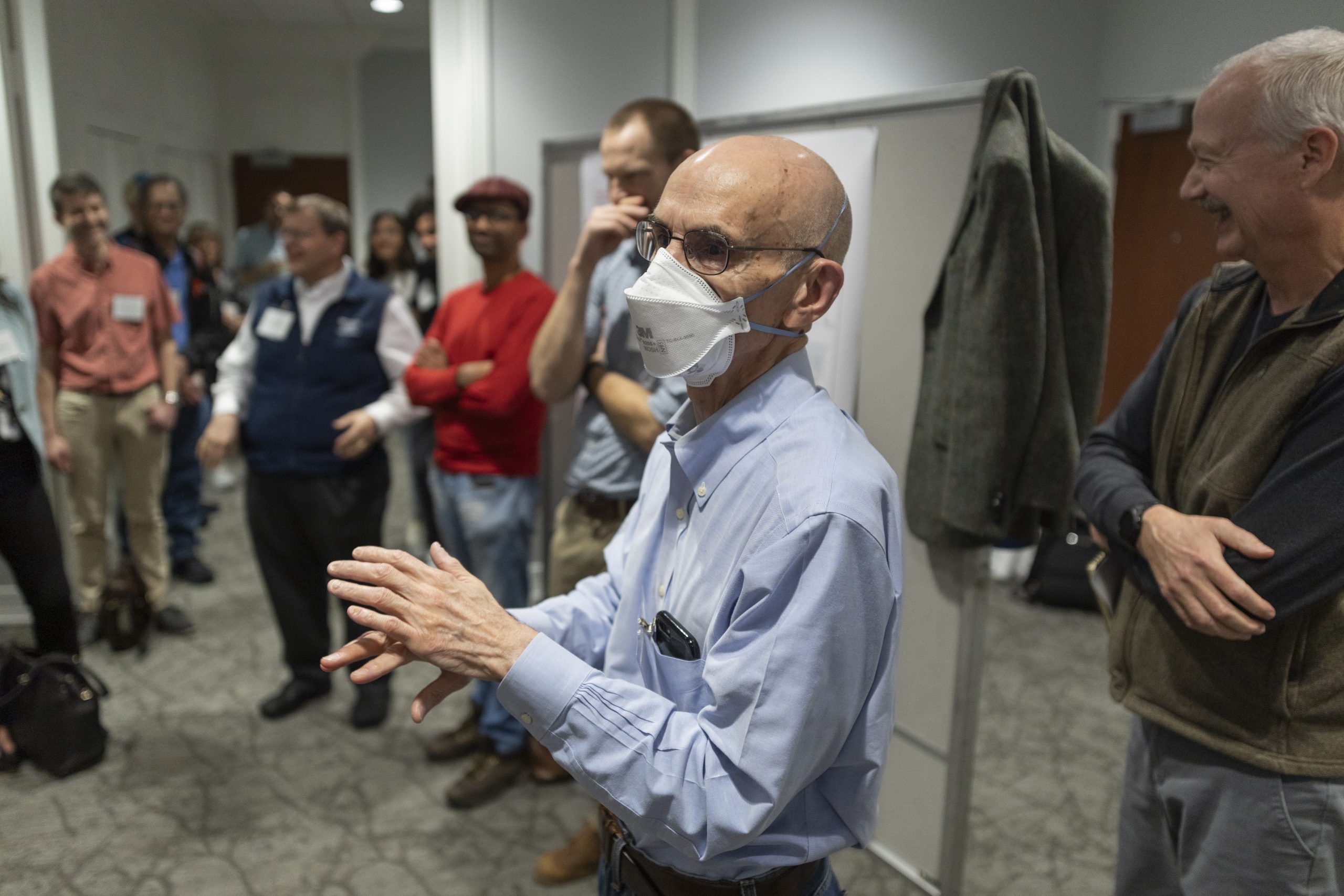
His findings also contributed significantly to stress physiology, identifying osmoprotectants in plant taxa and uncovering the pathways that lead to these compounds. His metabolic engineering work opened a new understanding of how plants adapt to stress, combining organic chemistry, biochemistry, and physiology in innovative ways. Recognizing the gap between molecular plant sciences and applied agriculture, Hanson urged the scientific community to avoid “overclaiming” and “overselling” discoveries. In this regard, his research publications are exemplary both in substance and style. It was a delight to attend his presentations and classroom teaching as he connected with audiences easily and effectively, especially in using animations to present complex biochemistry in a captivating way.
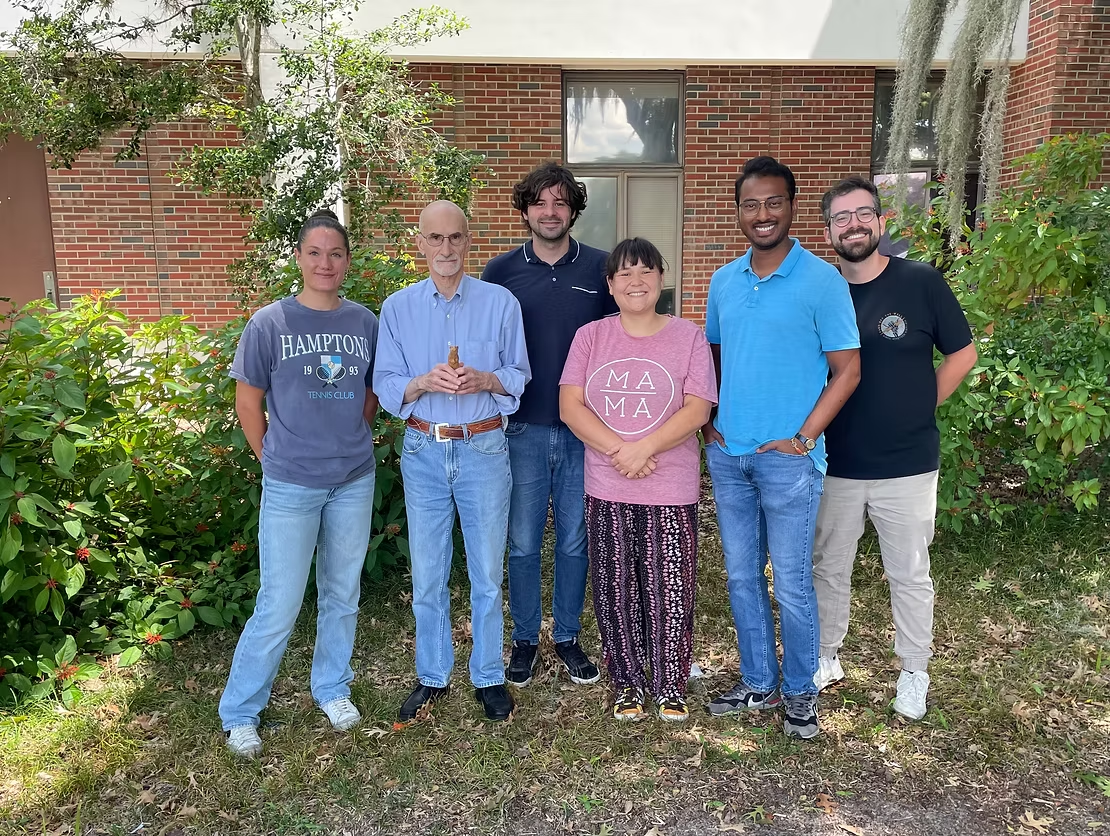
Anyone talking to him would immediately notice his enthusiasm for science, thoroughness, work ethic, and immense intellectual curiosity. His one-on-one meetings with trainees were filled with constructive feedback, genuine admiration, and thoughtful guidance for the future – often ending with his signature phrase, “Onwards and upwards”. He instilled in his students and trainees problem-solving skills using fundamental principles, training numerous post-doctoral and Ph.D. students of diverse nationalities. His students went on to shine in plant metabolic biochemistry research, teaching, and administration across the globe. For all his accomplishments, Hanson was a humble and unassuming person. Those who knew him appreciated his kindness, compassion, generosity, his proficiency and command in English, French, and Spanish, and his great sense of humor.
Dr. Hanson was a proud, long-time member of the American Society of Plant Biologists (ASPB) and the Crop Science Society of America. He provided leadership to the scientific community as Chair or Vice Chair for Gordon Research Conferences on Salinity and Osmotic Stress in Plants (1996) and Plant Metabolic Engineering (2015), and was a pioneer in organizing the ASPB SynBio meeting. He served on the advisory board of The Plant Journal (2002-2007) and was a member of the editorial board of Metabolic Engineering (2002-2010) and, more recently, as the Associate Editor for Plant Physiology.
His research was steadily funded by federal agencies such as the National Science Foundation, the US Department of Energy, and the US Department of Agriculture, and by the Natural Sciences and Engineering Research Council of Canada. He served on numerous grant panels for these agencies; colleagues valued his thoughtful and constructive input. On more than one occasion, when difficult decisions were to be made regarding academic and administrative matters, Andrew advocated the most rational and thoughtful advice.
Through his pioneering research, leadership, and mentorship, Hanson left a lasting impact on the field of plant biology. Humble, compassionate, and generous, he touched countless lives and will live in the hearts of his trainees, colleagues, family, and friends.
Details regarding a memorial or celebration of life can be found here.
Authors:
Bala Rathinasabapathi (Professor, University of Florida, Gainesville), Steven A. Sargent (Professor, University of Florida, Gainesville), Christopher Gunter (Professor and Chair, Horticultural Sciences, University of Florida), H. Deep Saini (President and Vice Chancellor, McGill University, Montreal, Canada), Jaya Joshi (Assistant Professor, University of British Columbia, Vancouver, Canada)
 15
15