Intro
UF’s fall semester starts roughly one month ahead of autumn. In most of the US, this is when you might see leaves start to change colors, harvests come in, and most everything green goes dormant for winter. In Florida the cool season dips into what would be late spring temperatures in other parts of the country. Plants that don’t survive our sweltering summers flourish over the winter. Leafy greens like endive, kale, and mustard are great examples of this. Greens can also be harvested from some cool season root veggies like radishes. As a new crop of students comes in, it’s also time to consider new crops for the cooler winter growing season in North Florida.
Endive
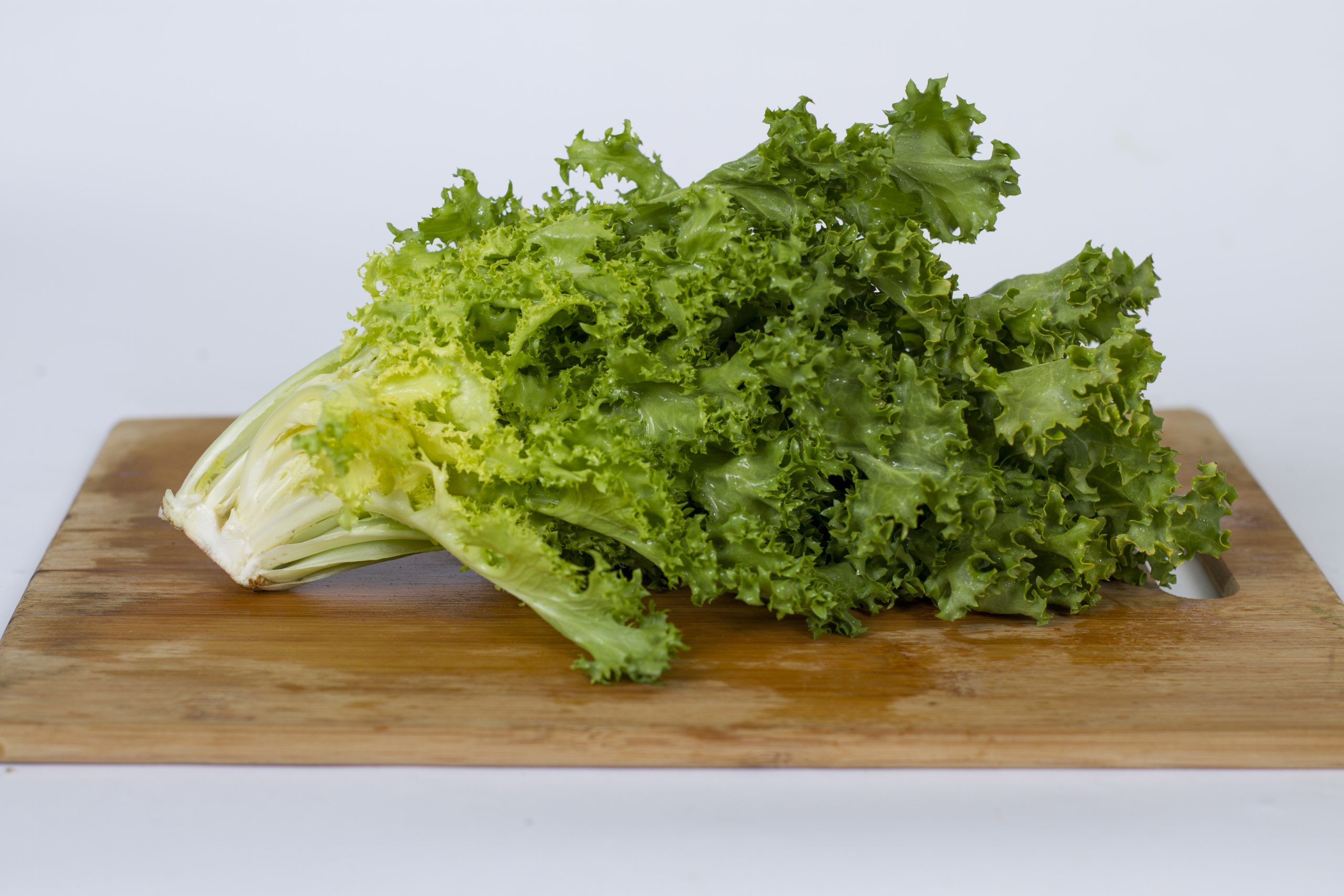
While endives are not related to lettuce, they often have the same place in our diet, as a fresh salad green. Common in many parts of the world, these plants are more of a specialty crop in the States, with relatively little cultivated acreage. Whether it is the broad-leafed escarole or the curly- and narrow-leafed frisée, or even the tighter, pale, ovoid head of Belgian endive (this is a different species but is included because of the shared common name and taste), these plants are slightly bitter with a high fiber content, making the leaves tough enough to survive cooking. When cooked, the bitterness mellows into a nutty taste.
Endives can be planted as early as September in North Florida, but Central and South Floridians will need to wait until December. Planting too early will cause the plants to bolt in the heat, which makes them significantly bitterer. These plants are susceptible to freezing damage, so care should be taken on the coldest nights. Some common advice for this is to thoroughly water plants a day or 2 before advancing storms, turn off irrigation systems, and cover outdoor plants with sheets or tarps.
Kale
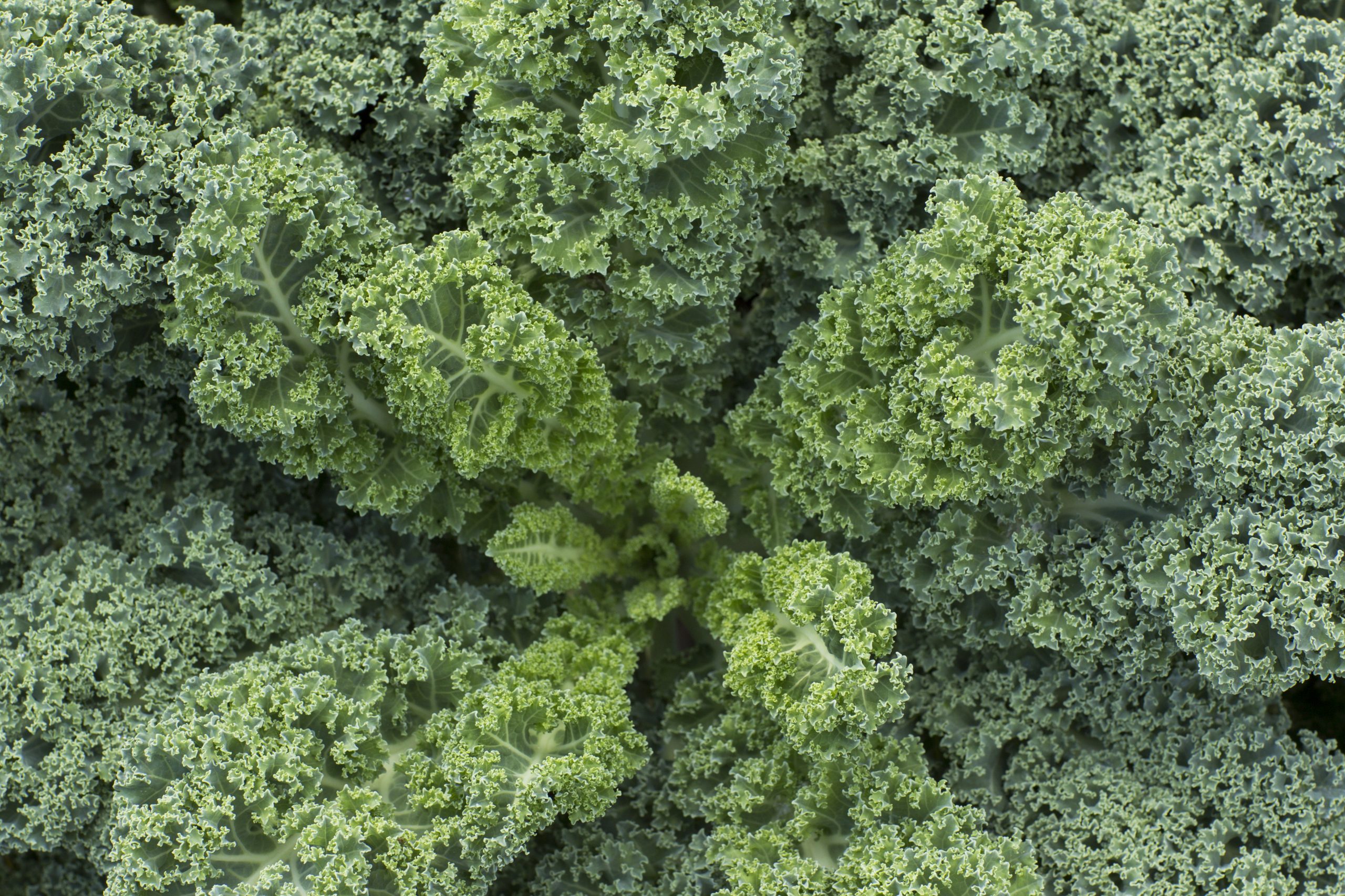
Kale is a fascinating bit of produce, at least on paper. It is a superfood, known for its high nutritional content. It has a very long history of cultivation; there are cultivars for a range of climates, as well as ornamentals. These last are still edible, but are raised for their interesting colors, from pale yellows to intense, deep purple. Kale has a complex taste combining earthy and a little bitter but sometimes sweet, which cooking mellows to nutty or tangy. The leaves hold up well to cooking in general, being tough when fully mature. They may even be baked into chips, an easy way to make a vegetable serving appealing.
Compared to other leafy greens, kale is relatively easy to grow. Plant kale from seed any time from September through January throughout the state. The plants are generally cold tolerant, with some varieties also able to handle heat with less bolting. Kale grows well in a range of soil types, although it prefers slightly acidic and well-drained. Plants need about 6 hours of full sun to grow properly. Up to 1/3 of a plant can be harvested while keeping it alive, starting with the outer, lower leaves.
Mustard Greens
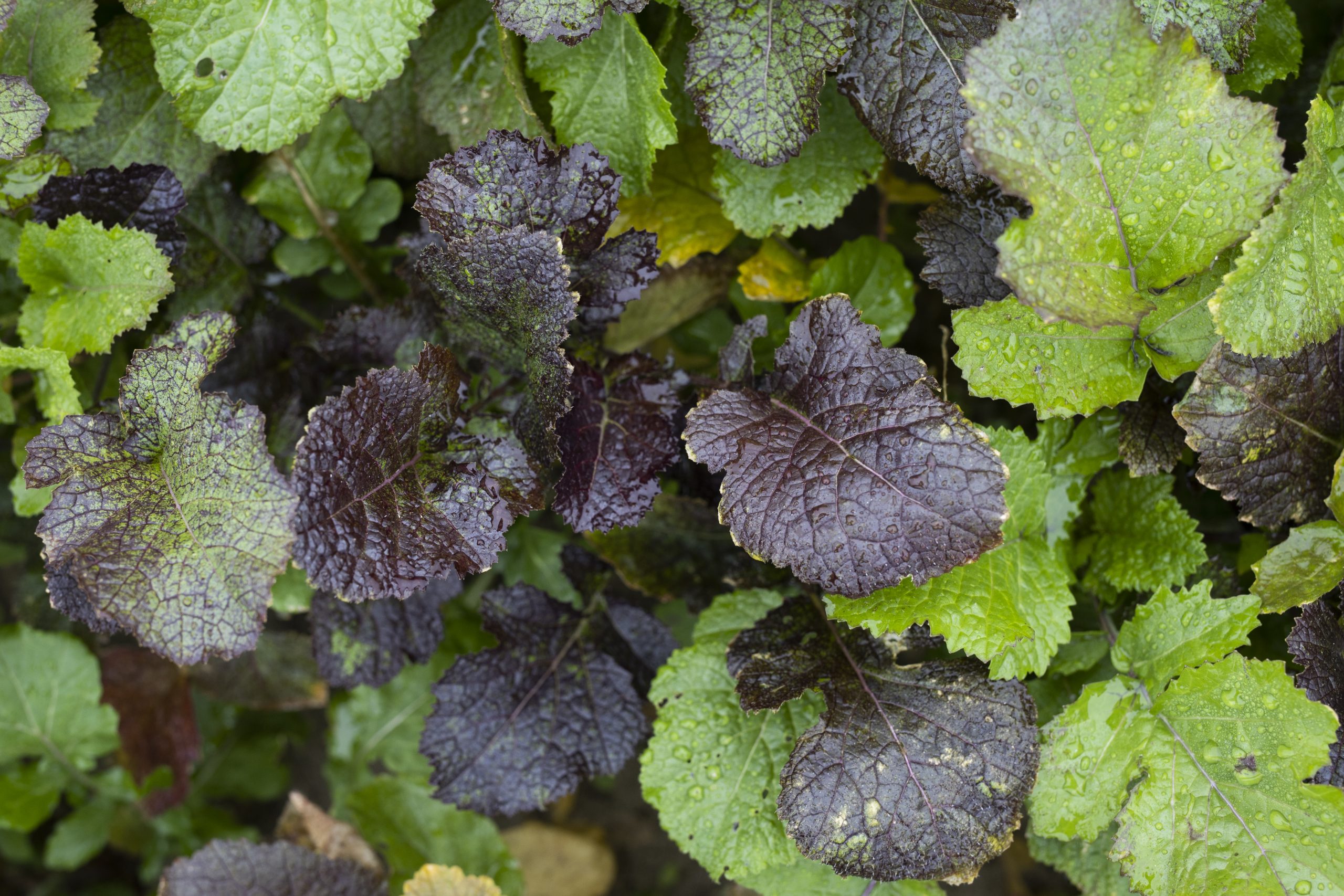
In the States, mustard usually indicates the condiment derived from seeds, rather than the plant itself. The leaves of this plant have a peppery taste that is often compared to arugula but may be more powerful like horseradish or wasabi. The strength of that taste can be managed by eating younger leaves or by cooking down mature ones. This is another plant whose leaves hold up well to cooking, and is prominently featured in Chinese traditional medicine, and in Chinese and Southern US cuisine.
Mustard is somewhat more heat tolerant than other greens. Seeds will germinate and plants will grow up to 85° F, making them a good choice for planting in North Florida from August to February, and the rest of the state September to January. Like kale, mustard will grow well in a range of soils but prefers well-drained and close to pH neutral. They require full sunlight and regular watering.
Carrots, Radishes, and Turnips
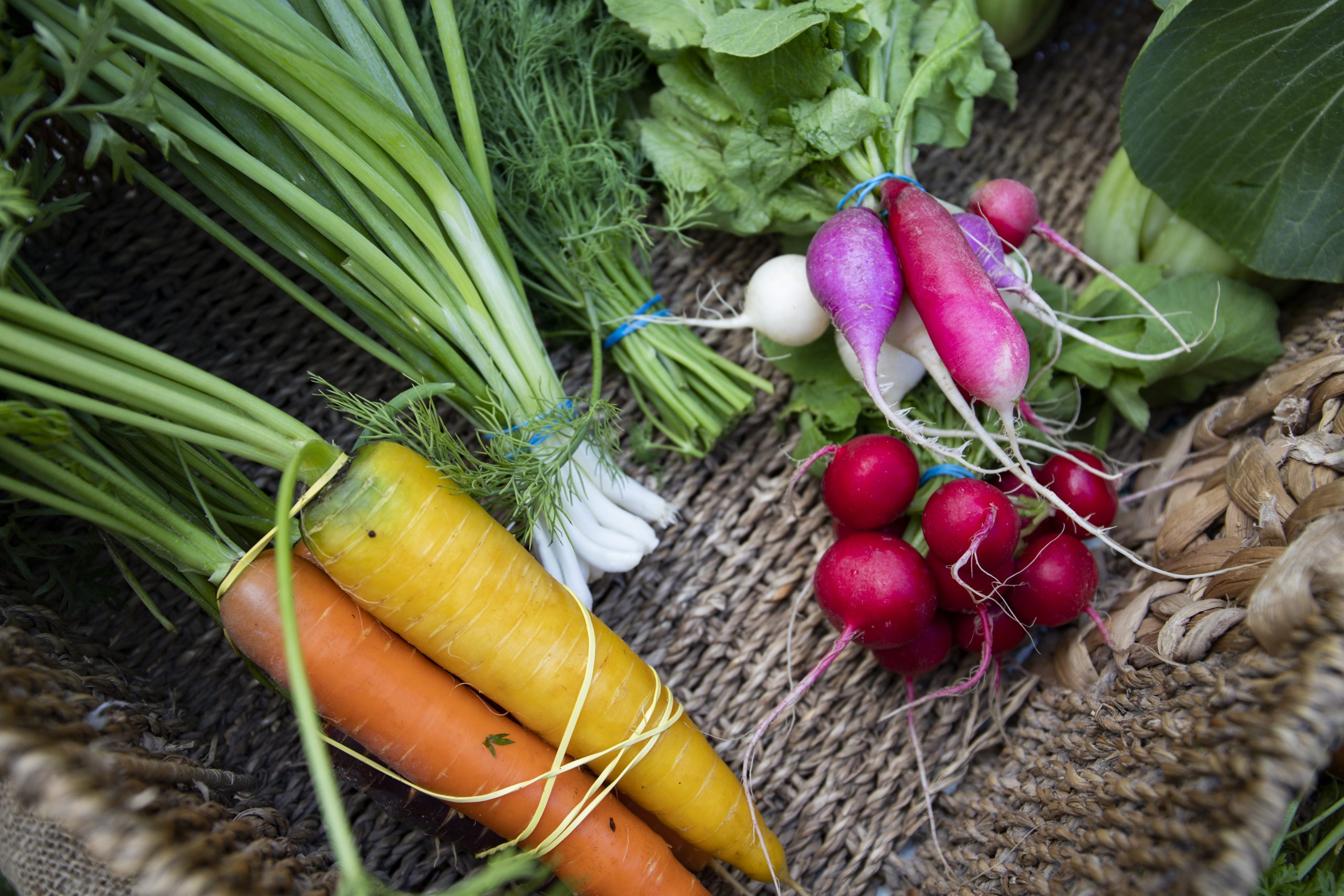
Root vegetables are often cool weather crops, several of which have edible tops or greens. Carrots grow well in Florida, from August to March in the north (and September to March in the rest of the state). There is a scientifically unsupported urban legend that carrot tops are toxic, an interesting contrast to the idea that carrots are healthy and good for night vision. Modern considerations for reducing food waste have helped to dispel the rumor and increase their usage. People say the taste is similar to parsley and makes for a good salad addition, garnish, or pesto base.
In the same family as kale and mustard (Brassicaceae), radish and turnip greens have long established traditions in cooking. The planting season for both is a little more forgiving than with plants only cultivated for their leaves (August to February in North Florida, September to February in Central Florida, and September to January in South Florida). They share similar characteristics as the leafy greens of Brassicaceae, with bitterness and earthy flavors that weaken with cooking, and leaves that hold up well when cooked. Like the others, they have a growing season that spans fall, winter, and early spring. They are also both cultivated as microgreens, demonstrating the desirable flavors and nutritional content of the younger leaves.
Conclusion
For me, autumn is the best season to live in Florida. The falling temperatures make the outdoors much more pleasant. New activities happen all over campus and the city as we invite new students. We get the benefits of autumnal cultural traditions without the worries of fallen leaves or frequent snowstorms. Instead, we get a second growing season for plants that cannot survive the hotter months. Leafy greens like endive, kale, and mustard are great choices for this time, due to their easy cultivation and excellent nutrition.
 1
1