Are you considering replacing your traditional turfgrass for reasons beyond just foot traffic, such as water conservation, low maintenance, or simply seeking a more environmentally friendly option? If so, you’re not alone! In this article, we’ll explore alternatives to traditional turfgrass that cater to a variety of needs and preferences, offering both beauty and functionality for your landscape.
Florida-Friendly Landscaping™ Principles
Before delving into specific plant recommendations, it’s important to highlight the foundational principle of Florida-Friendly Landscaping™: selecting the right plant for the right place. This principle emphasizes the importance of choosing native and non-native adaptive plants that are well-suited to your environment, ensuring better success and reducing the need for excessive maintenance in the long run.
Groundcovers
Groundcovers provide an excellent alternative to traditional turfgrass, offering durability, aesthetic appeal, and a host of other benefits. Here are a few native options to consider:
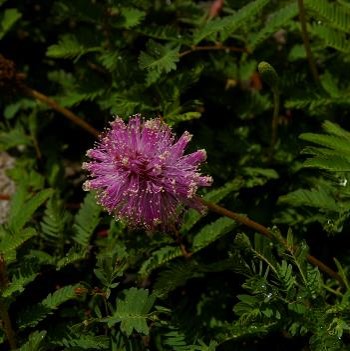
Sunshine Mimosa (Mimosa strigillosa): Known for its resilience and charm, sunshine mimosa is a tough groundcover that can withstand various environmental conditions. With its small pink flowers and fern-like foliage, it adds a delightful touch to any landscape.
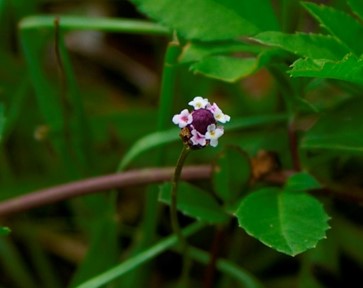
Frogfruit/Matchweed (Phyla nodiflora): This native groundcover forms a dense mat and is capable of thriving in diverse settings. In addition to its durability, frogfruit produces small white flowers that attract pollinators, contributing to the ecological diversity of your backyard.
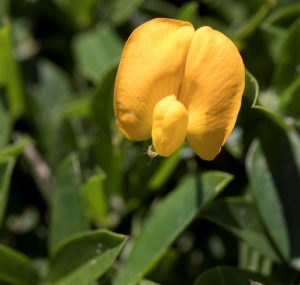
Perennial Peanut (Arachis glabrata): If you’re seeking a low-maintenance option that flourishes in partial sun conditions, perennial peanut is an excellent choice. This groundcover forms a dense, weed-suppressing mat and produces vibrant yellow flowers, enhancing the visual appeal of your outdoor space. In my area, I’ve observed this groundcover being sold as sod by the pallet, typically covering an area of 400 square feet. It can also be purchased by individual plants.
Site Preparation and Maintenance
Regardless of the specific reasons for replacing your turfgrass, proper site preparation and ongoing maintenance are essential for success. This includes soil amendment, watering as needed, and periodic pruning to ensure the health and vitality of your chosen groundcover. By prioritizing these foundational steps, you’ll create a landscape that not only meets your unique needs but also contributes to the beauty and sustainability of your local ecosystem.
In conclusion, alternatives to traditional grass offers a versatile and environmentally friendly solution for homeowners seeking to enhance their landscape. By incorporating native and/or non-native adapted groundcovers into your outdoor space and following best practices for site preparation and maintenance, you can create a beautiful and functional environment that aligns with your plant preferences and lifestyle.
Discover Groundcovers at The Bette S. Walker Discovery Garden
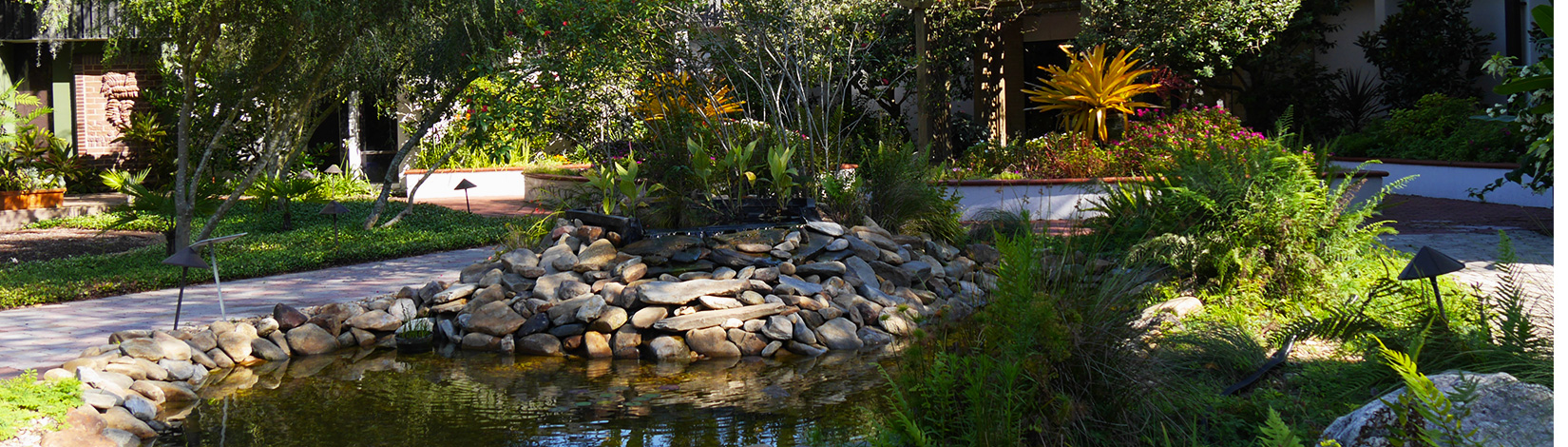
The Bette S. Walker Discovery Garden serves as a living example to the beauty and versatility of groundcovers. Nestled within its serene surroundings are vibrant displays showcasing various groundcover species suitable for Florida’s unique climate. As you wander through the garden, you’ll encounter a tapestry of textures, colors, and fragrances, each contributing to a thriving ecosystem that attracts and sustains local wildlife.
Schedule your Bette S. Walker Discovery Garden Tour!
For those eager to delve deeper into the wonders of the Bette S. Walker Discovery Garden and its diverse array of groundcovers, group tours are available by reservation. Please note that tours require a minimum of 10 participants to ensure an enriching experience for all. To schedule your guided tour and reserve your spot, please contact Michael Masucci at Masuccim@ufl.edu.
Additionally, the Discovery Garden is open Monday to Friday, from 8:00 am to 5:00 pm for individual visits.
 1
1