When it comes to raising sheep in the warm, humid climate of Putnam County, Florida, Katahdin sheep stand out as an excellent option. These hardy animals are known for their adaptability, low-maintenance care, and high-quality meat production. Let’s dive into why they’re such a good fit for our region and explore some key aspects of sheep management. Good Earth Farms located at 134 Pierce Street near Federal Point in Eastern Putnam County offers a view of a purebred herd of Katahdin sheep. 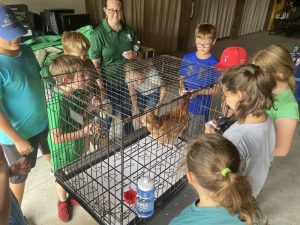 They have been a long-standing partner with Putnam County 4-H hosting summer day camps and educating youth about farm life. They host a monthly agritourism Chicken Pickin’event offering live music in a big red farm on a 60-acre sod and sheep farm every fourth Sunday of the month. The next event will be held on Sunday, December 28, 2025 from 1:00 til 5:00PM. This is a free event where the whole family is welcome. If you want to spend an entire weekend at the farm, check them out on HipCamp and make a reservation (https://www.hipcamp.com/en-US/land/florida-good-earth-farm-nelhloqd?adults=1&children=0&srid=8ee16675-646e-4336-b434-cb477ec22255
Why Katahdin Sheep Thrive in Putnam County
- No shearing required: Unlike fleece sheep, Katahdins don’t need annual shearing, saving time and labor.
- Better heat tolerance: Their hair coat helps them stay cooler in hot, humid conditions.
- Parasite resistance: Katahdins are known for strong resistance to internal parasites, which is critical in our warm environment where parasites thrive. Parasite control is the most challenging aspect of managing small ruminant herds such as sheep and goats. One of the most common ways of detecting and managing parasite loads in sheep is known as FAMACHA. It is a selection method that uses a color chart and numerical score identified by observing the pale to red color of the underside of the eyelid. FAMACHA certification is offered by University of Florida Livestock Agents on an annual basis.
Hair Sheep vs. Fleece Sheep
- Hair Sheep: Breeds like Katahdin grow a coat of hair rather than wool. They shed naturally, making them ideal for meat production and low-maintenance farming.

- Fleece Sheep: Breeds such as Merino or Suffolk produce wool that requires shearing. These sheep are often raised for fiber and sometimes meat, but they need more care in hot climates.
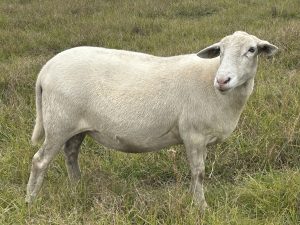
Primary Function: Meat Production
- Excellent carcass yield.
- Mild flavor that appeals to a wide range of consumers.
- Efficient feed conversion, making them cost-effective for small and large operations.
Guardians: Protecting Your Flock
- Livestock Guardian Dogs (LGDs): Breeds like Great Pyrenees or Anatolian Shepherds are highly effective.
- Donkeys: Known for their natural dislike of canines, donkeys can deter predators.
- Llamas: Social and protective, llamas often bond with sheep and keep watch.

Ruminant vs. Monogastric Animals
- Utilize pasture efficiently.
- Convert forage into high-quality protein.
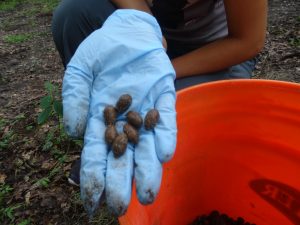
Sheep Pellets: A Garden Goldmine
-
- Nutrient-rich: Provides nitrogen, phosphorus, and potassium for plant growth.
- Low odor and easy to handle: The pellets are easy to collect and have much less odor compared to other manures
- Compost-friendly: Breaks down quickly, improving soil structure and fertility and has a more diverse composition of beneficial microbes compared to manures from monogastic animals. At Good Earth Farms in Putnam County we will be planting a small brussels sprout crop during the winter season and using the composted sheep manure as fertilizer. Adding composted sheep pellets to your garden can boost yields and promote healthy soil biology.
 0
0