From coast to sandhill, pasture to homestead, dozens of mosquito species breed around Florida homes and neighborhoods. Mosquitoes ease through life in one of four forms – egg, larvae, pupae, or adult. As bloodsucking adults, some are pests, while others can transmit pathogens that cause disease in humans, companion animals, and livestock. Unlocking the mosquito life cycle mystery is key to mosquito prevention and protection.
Life Cycle.
Mosquito species requiring permanent water, lay their eggs directly on water surface. Florida’s St. Louis encephalitis mosquito is one example. The female prefers to lay her eggs in permanent water.
Floodwater type mosquitoes lay eggs in moist substrate such as leaf litter. They also lay eggs at high tide or where flooding has occurred. Floodwater eggs require a drying out period to become viable and hatch the next time they are covered with water. Most mosquito eggs are smaller than a grain of ground pepper.
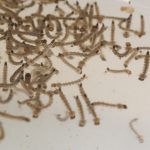
Larvae, also called ‘wrigglers’ or ‘wigglers’ are the easiest life stage to control. The greatest impacts on mosquito populations occur at this life stage. They are susceptible to cultural, chemical, and biological controls. Frogs, native fish species and dragonfly nymph eat wigglers. Both floodwater and permanent water larvae live in water.
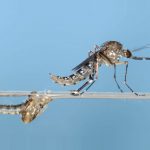
Life gets interesting at the pupae stage. They are aquatic and live in water. Pupae lack functioning mouth parts and do not eat or poop. They survive on stored energy reserve and as the flying adult emerges, the pupal skin is shed.
As adults, male and female mosquito feed on plant nectar, plant carbohydrates, and honeydew. The male is essential for reproduction but the female draws the blood. Carbon dioxide, exhaled by human and animals, lures the female. Her tube-like mouthpart, the proboscis, pierces host skin and extracts blood. At the same time she’s drawing blood, she releases a little pain killer and blood thinner to prevent clotting. Disease pathogens may be transmitted as she draws the blood meal.
No Water, No Larvae.
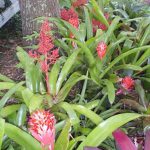
Routinely drain saucers under potted plants. Cupped plants such as, bromeliad (Weaver et al, 2021), pitcher plants and water lettuce could support egg, larvae and pupa stage. Clear out thick brush to increase air-flow around the house.
Empty and scrub outdoor pet bowls and wading pools 2-3 times per week during summer. Dump bird bath water once a week. Keep floating debris out of ponds and vegetation short surrounding ponds. Maintain free-flowing ditches and culverts.
“Government has utilized modern pesticides, after weighing cost and benefit in the interest of public safety and human health.” D.A. Drew, Commercial Agriculture Agent (ret.), UF/IFAS Extension Levy County
Chemical control.
Household chemicals such as “dunks” contain bacteria, Bacillus thuringiensis israelensis (Bti). Bti specifically targets larvae and may be one method of larvae control. BVA oil controls larvae and pupa. Granules and household premises spray are effective, following label directions.
Levy County Mosquito Control works to reduce adult mosquito populations with aerosol chemicals. PERMXUL 4-4 sticks to their wings and prevents flying. If you experience mosquito populations, contact Levy County Mosquito Control online or by phone, 352-486-5127.
Beekeepers desiring to be placed on no-spray list may contact Levy County Mosquito Control 352-486-5127. More information about beekeeper registration is available online with Florida Department of Agriculture and Consumer Services.
Around the Home.

Repair cracks, open vents, and screens on windows and doors. Protect skin with long sleeve shirt and pants. Registered repellents are approved for human use, following label instructions.
More tips on personal repellants (Rutledge and Day, 2019) and mosquito proofing the home may be found online FloridaHealth.gov. Florida Department of Health (DOH) lists Eastern equine encephalitis (EEEV) disease, Chikungunya, dengue, and West Nile fever as mosquito transmitted viruses.
“ Mosquito-borne viruses rarely cause illness in dogs and cats, but mosquitoes can transmit heartworms to dogs and cats, which can cause a fatal disease. It is recommended for dogs and outside cats to be on a heartworm preventative that can be given on its own or in a flea, tick, and heartworm combo prevention medication. “ Eva Buckner, Ph.D., Assistant Professor & State Extension Specialist, UF/IFAS Florida Medical Entomology Laboratory
An organ at the wing base strums against the wings creating the signature buzzing. The buzz is a mosquito mating call and prompts me to stow garden tools and head inside. Until next time – Happy Gardening!
Resources.
University of Florida’s Medical Entomology Laboratory web site.
A color, 3”x4” mosquito ID deck is available at the IFAS bookstore , search mosquito.
C. Roxanne Connelly, 2019, UF publication, Hurricanes and Mosquitoes
C. Roxanne Rutledge and Jonathan F. Day, 2019, Mosquito Repellents
Ana L. Romero-Weaver, L. Philip Lounibos, and Eva A. Buckner, 2021, Mosquitoes and Bromeliads
 0
0