One area of increasing importance in Florida is the intersection of urban forestry and invasive species. As our cities, towns, and suburbs continue to expand, the line between “urban” and “forest” blurs even further. Our gardens, parks, and planted areas are edging closer and closer to more natural forests and woodlands. These edges face greater pressure from invasive vegetation. We can make choices that prevent the next invasive species outbreak. The Brazilian peppertree (Schinus terebinthifolia), Chinese tallow tree (Triadica sebifera), and the Mimosa tree (Albizia julibrissin) began as ornamental trees that escaped cultivation. These trees are now invasive species in Florida. Invasive species are characterized by three things: (1) they are not native to a specific area, (2) they have been introduced on purpose or accidentally, and (3) they can cause harm to the environment, the economy, or people.
Nearly one in seven introduced species has become invasive in the United States. Florida is especially vulnerable to the introduction, establishment, and spread of invasive species because of our geographic location and our favorable climate.
Meet the Experts
We spoke with Deb Stone, the University of Florida’s Invasive Species Extension Coordinator for the UF/IFAS Invasive Species Council, and Christian Wanamaker, the Volunteer Coordinator for the UF Invasive Species Survey Group, to learn about the connection between invasive species and urban forests in Florida and how communities and professionals can engage with this topic.
Deb Stone (UF/IFAS Invasive Species Council)

Deb has a long history of working with invasive species and vegetation management in Florida. Her past work includes working with the Florida Park Service, St. Johns River Water Management District, and the Nature Conservancy. She is also a Doctoral Candidate in Forest Resources and Conservation at the University of Florida. A primary goal for Deb is supporting activities through UF/IFAS Extension and university partnerships. Deb tells us, “Invasive species know no boundaries, so communication and coordination are essential to successful management.” She helps land managers, landowners, and Extension agents stay up to date on invasion science and leverage limited resources to achieve innovative, cost-effective solutions and increase outreach and communication with the public. A major project in the works involves training invasive plant managers with a specialized curriculum to improve consistency and professionalism in the field.
Christian Wanamaker (UF Invasive Species Survey Group)
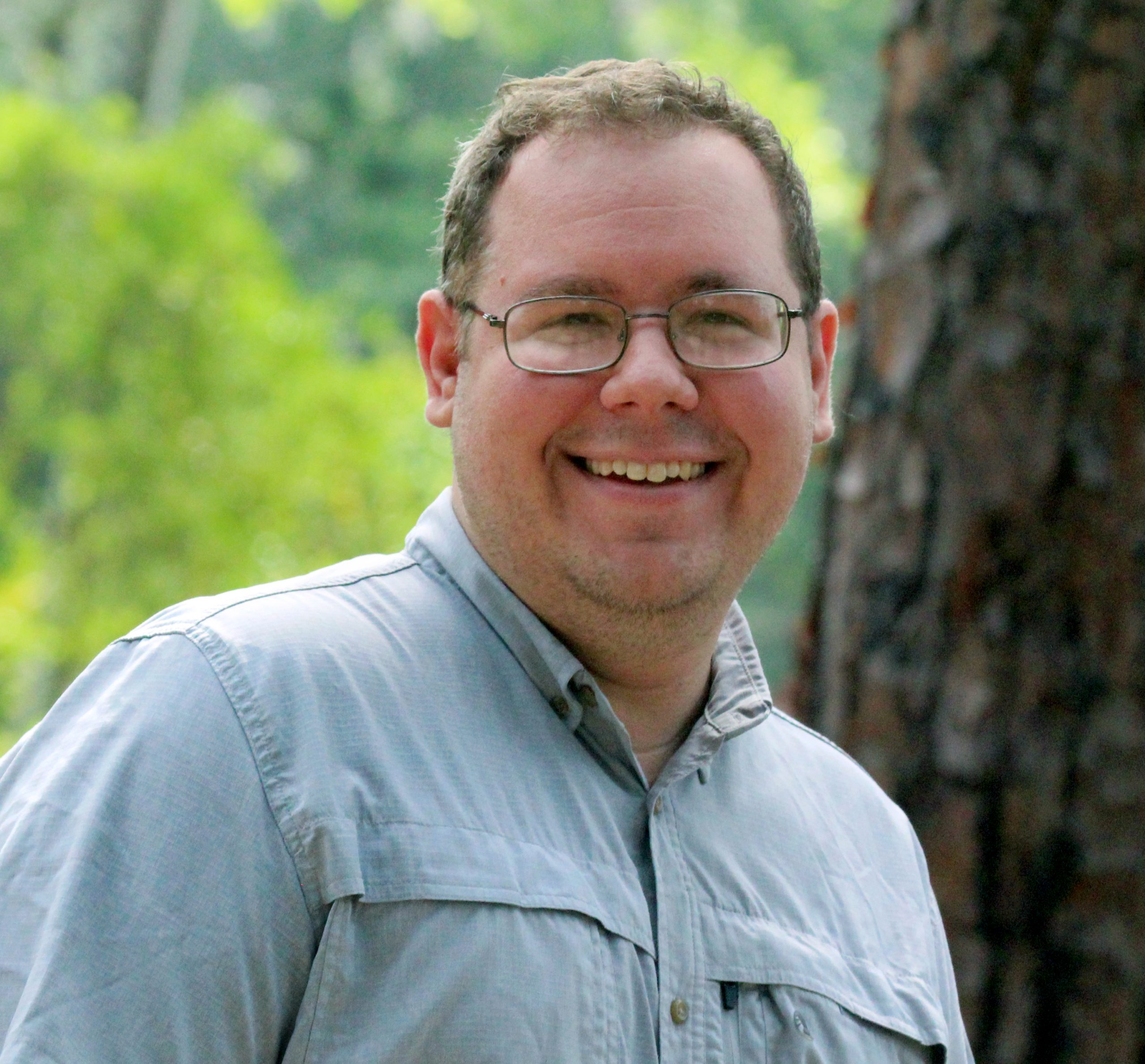
Christian is also a Master’s student at the University of Florida, studying invasive species ecology. Previously, he worked for the Nonnative Fish and Wildlife program at the Florida Fish and Wildlife Conservation Commission. Christian’s volunteer program seeks to improve invasive plant management in North Florida. He recruits and trains volunteers to work with land managers and increase reporting of invasive species on these managed lands. “I’m always trying to develop individual relationships with volunteers, too, which makes it more fun when we’re out surveying together but also helps to connect volunteers to all the cool work we do in Extension and with our partners in other agencies and organizations.”
Navigating Florida’s nature: insights for new residents
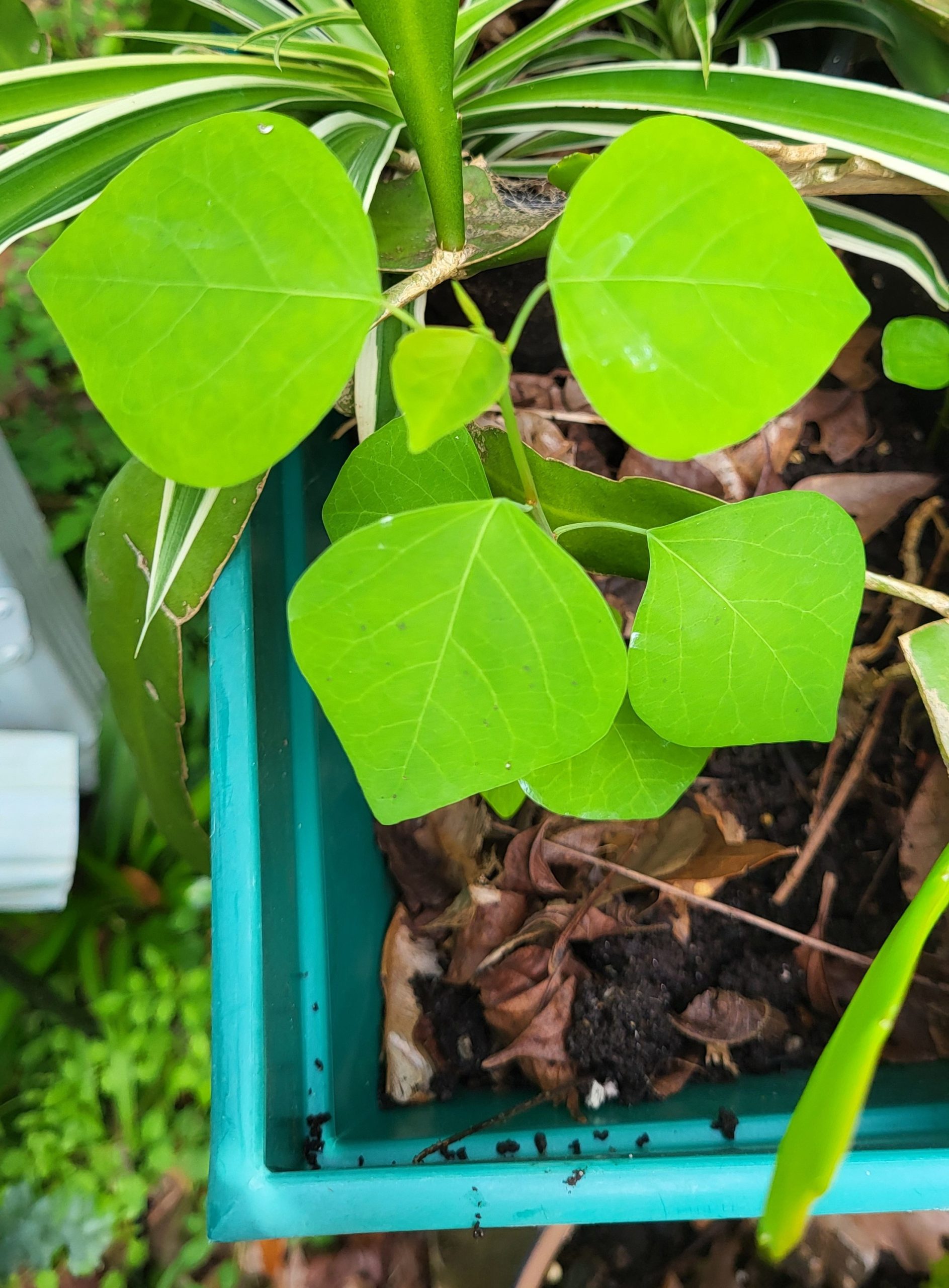
We asked Deb and Christian what they’d like new Florida residents to know about invasive species. Christian says, “My advice is really to get to know what you’re looking at when you go out in your yard or visit your local park. Learn to recognize the unique landscapes and species in Florida and get to know some of their names! And if something new pops up in your garden, where you didn’t plant it, and it grows really well without you doing anything to it, there’s a good chance it’s invasive and you should confirm that with your local county Extension office.” Deb reminds us that Florida can be very different from other parts of the country. And, different parts of Florida can even be very different from each other. When in doubt, she recommends using resources like local Cooperative Invasive Species Management Areas (CISMAS) and Florida Native Plant Society chapters to help guide your actions.
Invasive species management challenges
When it comes to managing invasive vegetation, Deb tells us, “There is no such thing as ‘one and done’”. Most invasive species will need multiple treatments for the infestation to be eradicated. Repopulation can come from other untreated populations nearby, for example, and regular check-ins in a treated area are important. When managing our urban landscapes, even within our yards and gardens, Christian reminds us that when we are removing old, poorly placed, or diseased trees, we create an opportunity for invasive species to move in and take their place. He says, “Committing to replacing trees, when appropriate, with native species is a great step.”
Embracing native species
“When it comes to value to wildlife, the native plants here in Florida are the best at providing the food, habitat, and resources for our native wildlife.” Finally, Deb shares that native plants are best suited to the conditions in our communities because they are equipped to tolerate our environment. Depending on where you live in Florida, this can mean tolerance to coastal conditions, weather patterns, and different soils. “There are lots of ecological benefits to using native plants in our landscaping, but one thing that really sells me is that they are typically easier and cheaper to maintain once they are established”, says Deb. There are a variety of native trees well suited to our urban spaces, from spring bloomers like fringe trees (Chionanthus virginicus) and redbuds (Cercis canadensis), to larger species like live oaks (Quercus virginiana). But remember, Florida is not a one-size-fits-all state. Trees suitable for Miami, for instance, may not appreciate cooler temperatures in Jacksonville. One way to find the right tree for your space is to use the Florida Trees Tree Recommendation Tool.
Special thanks to Deb Stone and Christian Wanamaker for their insight on invasive species in Florida.
Resources to learn more about Invasive Species Management:
Check out the UF/IFAS Invasive Species Council, visit: https://invasivespecies.ifas.ufl.edu/
Engage or volunteer with the UF/IFAS Invasive Species Survey group, visit: https://invasivespecies.ifas.ufl.edu/plants/invasive-species-survey-group/
For blogs from the UF/IFAS Center of Aquatic and Invasive Plants, visit: https://blogs.ifas.ufl.edu/caip/
To learn more about the Florida Invasive Species Council, visit: https://www.floridainvasives.org/about/
For monthly webinars from the Florida Invasive Species Partnership: https://www.youtube.com/channel/UCX9DmdcCYIb47wX7DUnkaWg/videos
To learn more about native plant species in Florida, visit the Florida Native Plant Society: https://www.fnps.org/plants
To learn more about the Cooperative Invasive Species Management Areas in Florida, visit: https://www.floridainvasives.org/cismas/
 6
6