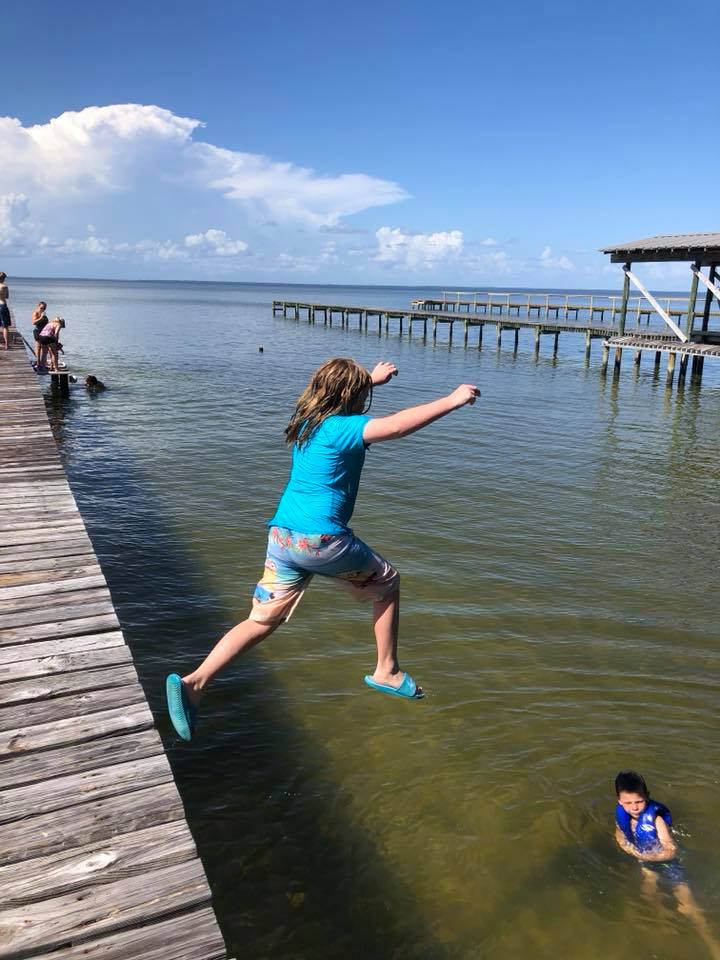
I got my foot in the door for my first environmental job by volunteering at the Florida Department of Environmental Protection (FDEP) while still in college. The Submerged Lands and Environmental Resource Program (aka “SLERP”, now ERP) had way more projects than bodies to do field work, so they recruited a cadre of willing college kids. They would pair us up, hand us a stack of files and the keys to a state vehicle, then send us off for field inspections. Our primary task was to check for compliance with permits for dock and seawall installation.
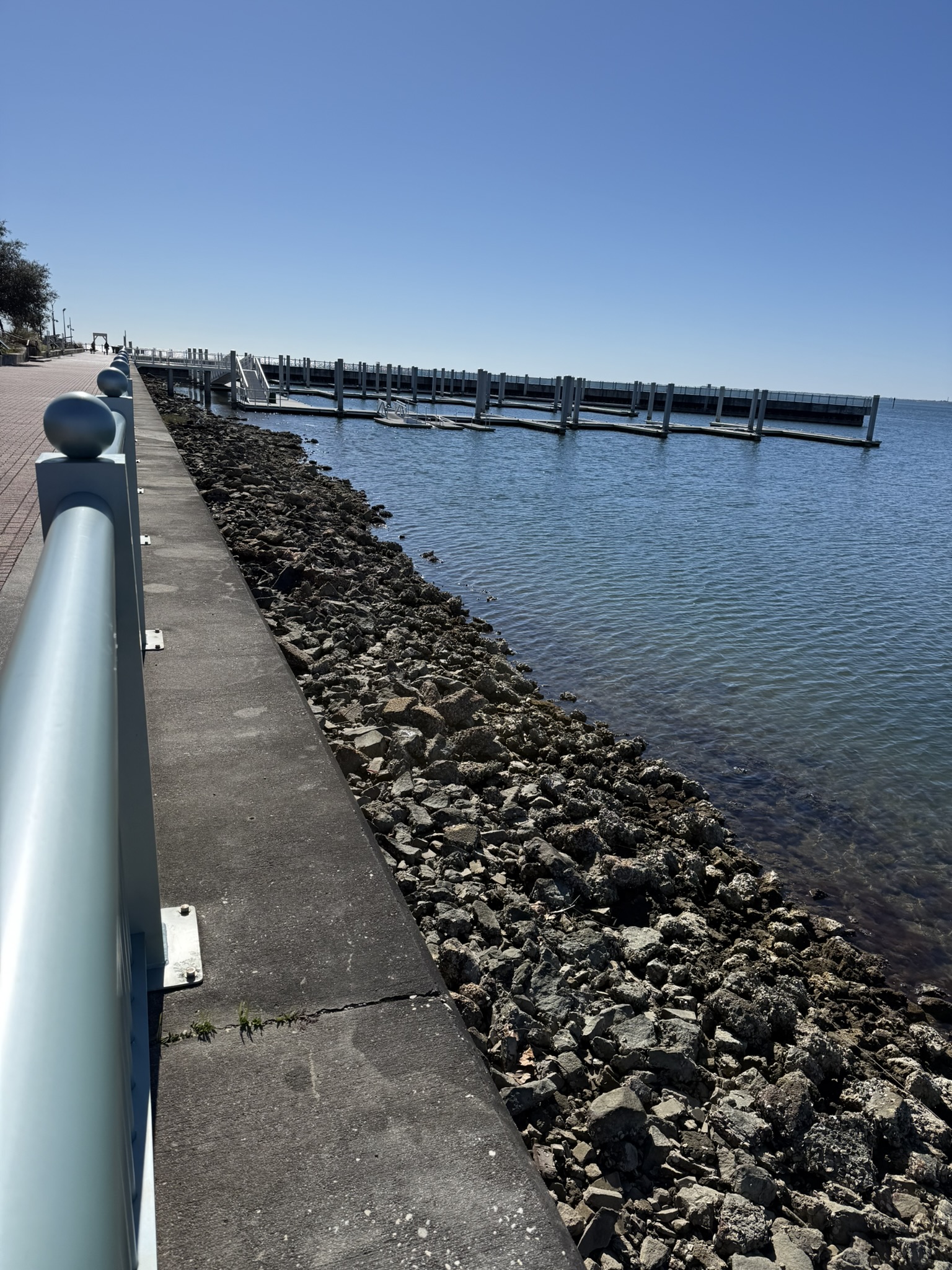
I still remember coming across the word “riprap” after going over the checklist for the first time. I had no idea what that was. “Are they misspelling riffraff? Why are we looking for hooligans?” I thought to myself. I finally asked, and someone explained to me that riprap was the term for rocks placed at the base of a seawall, put there to absorb wave energy and protect the seawall. Apparently the term comes from the “ripple” of water moving and the “rap” as it bumps into the rocks. In the UK, they call it the decidedly less silly and self-explanatory “rock armor.” I didn’t grow up on the coast, so while I’d seen rocks along the walls like this before, I definitely didn’t realize they had a specific name. So began my journey to appreciating riprap and all of its uses.
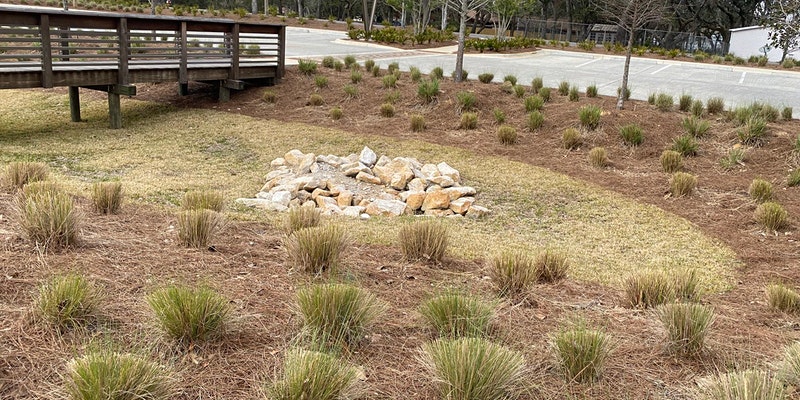
Several years later, when I’d procured a full time position with FDEP, I would find myself looking for riprap placement again. I spent a couple years as a stormwater compliance inspector, going on site visits to large commercial and residential developments across five northwest Florida counties. My job was to interpret the engineering drawings and confirm that the stormwater treatment design had been installed correctly on the ground. Often at the inlets, outlets, or overflows of these ponds, riprap was required to prevent exiting stormwater from scouring out the surrounding land and creating erosion gullies.
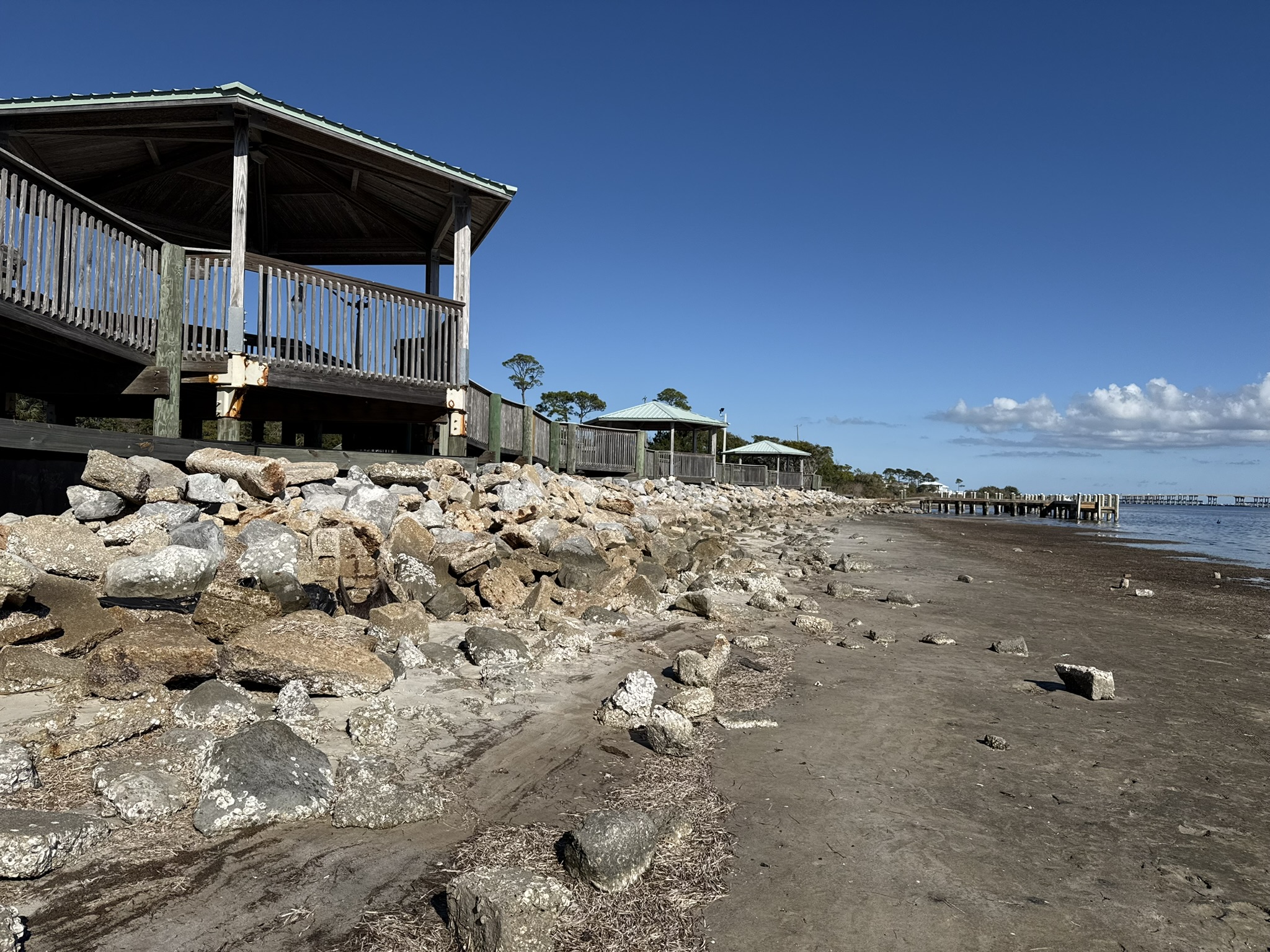
Locally, a lot of the riprap on shorelines (and even some of our converted mainland) is built of old ballast rock from the shipping heyday in Pensacola. When ships came into the port empty to load up local products, they had to get rid of ballast rock that had been placed in the hold to keep the ship afloat properly. If you look along the banks of Pensacola Bay, especially near the port and Bayfront Parkway, you can see lots of historic brick, along with barnacle-covered rock and boulders. Some of this material is of more recent vintage, too—chunks of old parking lots and old asphalt roadways.
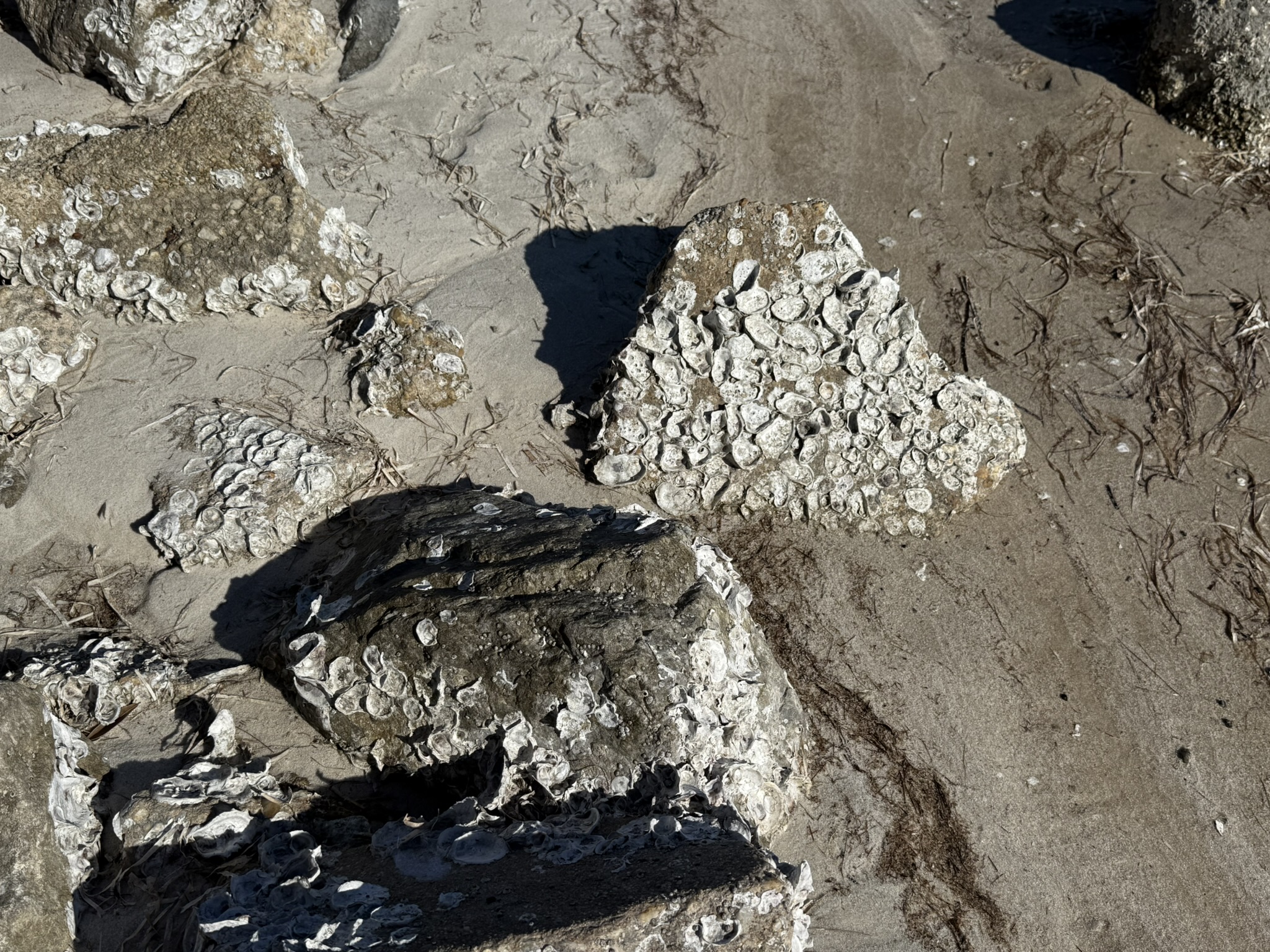
While not as full of life as a living—vegetated—shoreline, riprap can serve as a habitat and feeding ground for a number of marine creatures. As mentioned earlier, it’s a prime spot for barnacles and other encrusting invertebrates like oysters and mussels. Crabs are common, along with slow-moving cryptic fish like blennies and gobies that like to hide in crevices.
There’s a whole science around choosing and placing riprap based on the surroundings and intensity of the incoming waves, or in stormwater ponds depending on the slope of the pond.
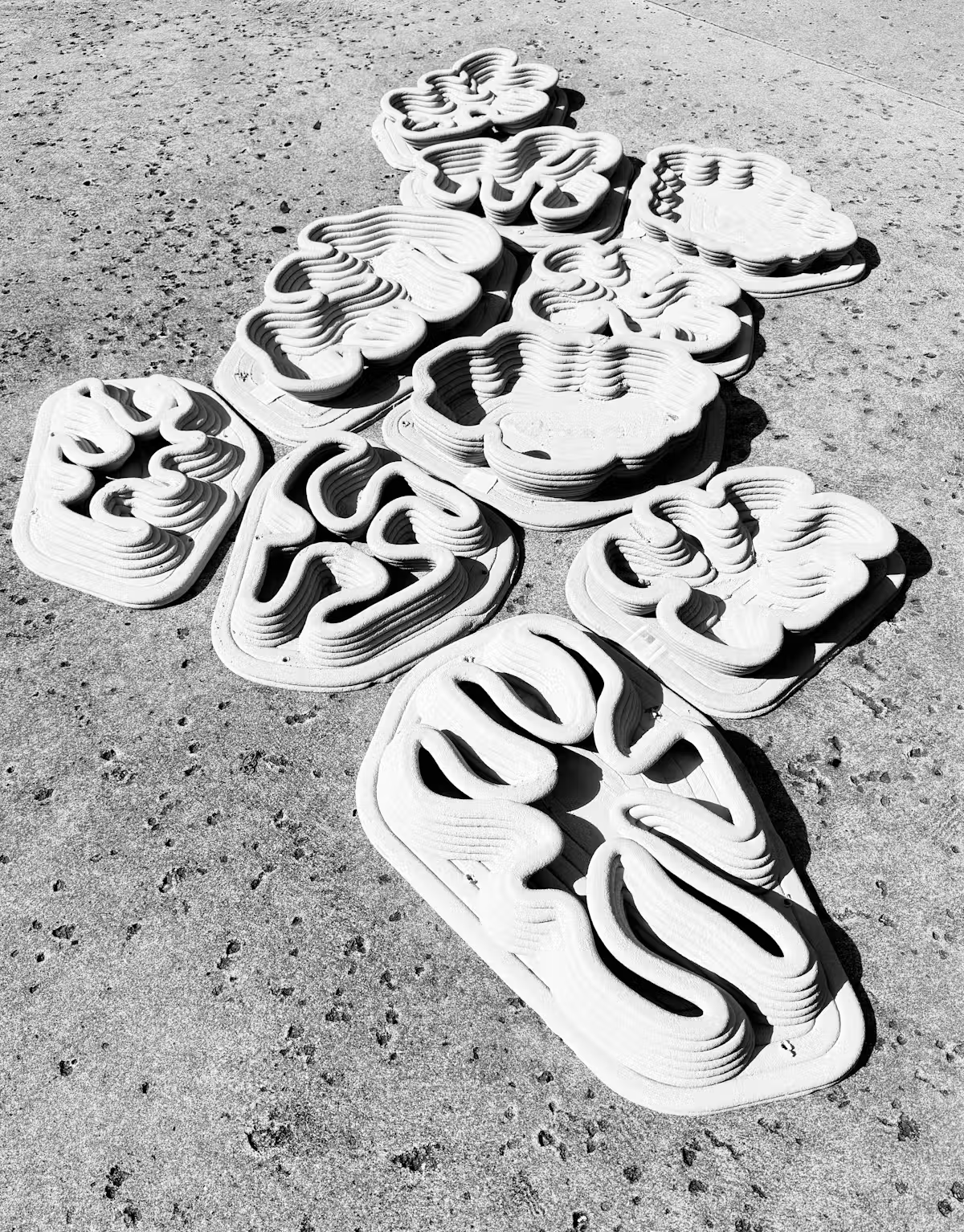
Recently, I’ve been hearing about the application of 3-D printing to create a product similar to riprap. Instead of piling rocks at the base of a seawall, researchers and students at Florida International University and University of South Florida are creating textured structures that can be attached to the whole face of a seawall. These can absorb energy and create habitat just like riprap, but are secured in place and cover a much larger surface area. The textured shape of the concrete tiles–co-designed by biologists and architects–provide plenty of hiding places for small organisms, along with some shade. The experiment led by FIU entailed attaching these concrete “Biodiversity Improvement by Optimizing Coastal Adaptation and Performance” (aka BIOCAP) tiles onto an existing seawall along Biscayne Bay. The project at USF also incorporates a multidisciplinary team of honors students taking an Art + Environment class that challenges them to use creative design to tackle practical environmental problems.
 0
0