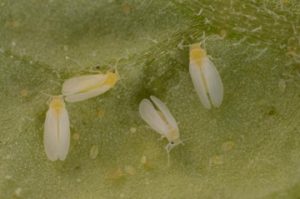
Whiteflies may be tiny, but they can cause major headaches for farmers in the Suwannee Valley and across North Florida—especially in the late summer and fall. If you’ve grown vegetables during this season, you’ve probably noticed the clouds of tiny, white insects that rise up when you brush past your plants. These pests aren’t just a nuisance; they can cause direct feeding damage, transmit plant viruses, and reduce the market quality of your produce right before harvest.
Why Whiteflies Are Worse in the Fall?
Whiteflies, especially Bemisia tabaci, flourish in North Florida’s warm fall temperatures. Their populations surge as temperatures remain high, which accelerates their reproduction and increases the risk of virus transmission to crops like tomatoes, cucurbits, and peppers. Rainfall has less impact on their numbers than temperature, making late summer and early fall particularly risky periods. Additionally, large commercial farms can contribute to high pest population levels as whiteflies develop in many hosts and they can migrate between them (from cotton to vegetable, for instance, from cucurbits to tomato etc) then dispersing to smaller farms after harvest, compounding the problem for smaller scale producers.
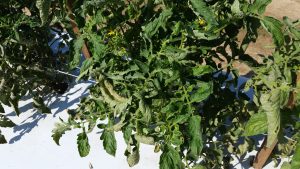
Whiteflies damage crops in two main ways: by sucking sap, which weakens plants and reduces yields, and by transmitting viruses such as Tomato Yellow Leaf Curl Virus (TYLCV) and various cucurbit viruses, which can cause catastrophic losses. The risk is especially high in the fall, when virus incidence peaks and whitefly populations are at their highest.
How Small Farmers Can Protect Their Crops
Fortunately, small farmers have several strategies to reduce the impact of whiteflies before harvest.
Cultural Practices
- TYLCV resistant varieties if you are cultivating tomatoes.
- Start Clean by using transplants free of whiteflies and viruses—inspect plants carefully before setting them in the field. Prior to planting, remove old crop residues and weeds that can harbor pests.
- Reflective Mulches: UV-reflective mulches deter whiteflies and reduce virus transmission, leading to higher marketable yields.
- Physical Barriers: Use insect exclusion netting and row covers to reduce whitefly access to crops, especially during seedling and early growth stages
- Edge Management: Using phytosanitary techniques along field edges can slow the spread of whiteflies and viruses
- Regular Scouting: Monitor whitefly populations and virus symptoms closely, especially during late summer and fall, to time interventions effectively
- Area-Wide Coordination: Collaborate with neighboring farms to synchronize control efforts, as whiteflies disperse across landscapes and can quickly reinfest treated fields
Chemical and Organic Repellents
- Targeted Insecticides: Use insecticides judiciously, rotating modes of action on a 6 week schedule to prevent resistance. Fast-acting products are most effective, but overuse can harm beneficial insects and lead to resistance. An extremely important chemical application is the utilization of systemic insecticides at the beginning of the season (the famous neonicotinoid drench): disrupt whitefly feeding and circulate in the whole plant making them more effective.
- Organic Repellents: As of the time of writing, M-Pede is one of the only organic labelled insecticide efficient for whiteflies. Limonene-scented kaolin sprays have shown strong whitefly repellency and virus reduction in dry fall conditions in North Florida, though effectiveness may decrease with heavy rainfall.
Biological and Biopesticide Approaches
- Natural Enemies: Encourage or introduce generalist predators (like Delphastus catalinae beetles) and entomopathogenic fungi (such as Cordyceps fumosorosea and Beauveria bassiana) for sustainable control. However, natural enemies have had limited success outside of greenhouse conditions.
- Microbial Biopesticides: Products containing beneficial fungi can be rotated with synthetic insecticides to manage resistance and maintain control
Whiteflies are a fact of life for North Florida growers, but they don’t have to spell disaster for your fall crops. By combining cultural practices, conservation of beneficials, and careful use of insecticides, small farmers can keep whitefly populations under control and protect their harvest. A proactive, integrated approach is the best defense against this tiny—but mighty—pest.
Research-Backed Protection Strategies for Fall Crops
| Strategy | Effectiveness in Fall | Notes/Best Practices |
| Reflective mulch/row covers | High | Reduces whiteflies and virus incidence |
| Limonene-scented kaolin sprays | High (dry years) | Best in low rainfall; reduces virus, increases yield |
| Biological control (predators, fungi) | Moderate-High | Works best as part of IPM; preserves beneficials |
| Synthetic insecticides | High (short-term) | Rotate products; avoid overuse to prevent resistance |
| Area-wide/landscape management | High | Coordinate with neighbors to reduce reinfestation |
Figure 2. Summary of fall whitefly management strategies for small North Florida farms
Authors
Dr. Derrick R. Conover, UF/IFAS Extension, Columbia County
Dr. Xavier Martini, UF Assistant Professor, Entomology
 1
1