Broad Mite (Polyphagotarsonemus latus)
First described in 1904 from mango buds in a D.C. greenhouse, the broad mite is a globally distributed pest with a wide host range. It goes by various names, such as yellow tea mite (India), yellow jute mite (Bangladesh), and tropical mite (South America).
Identification
Adult females are about 0.2 mm long, oval, and yellow to green with a faint stripe. Males are smaller (0.11 mm), lack the stripe, and use their enlarged hind legs to carry quiescent female nymphs for mating. Eggs are translucent with tufted surfaces. Larvae are whitish with three pairs of legs. Nymphs are clear, immobile, and often transported by males.
Biology
Broad mites have four life stages: egg, larva, nymph, and adult. Females lay 30–76 eggs over 8–13 days. Eggs hatch in 2–3 days, and the larvae feed briefly before becoming nymphs. Males disperse the population by carrying female nymphs to new growth. Whiteflies may also aid in mite movement.
Host Plants
This pest infests many crops and ornamentals, including mango, citrus, tomato, pepper, papaya, eggplant, watermelon, and ornamental plants like begonia, snapdragon, and lantana. In Florida, it is a serious pest of Pittosporum species.
Damage
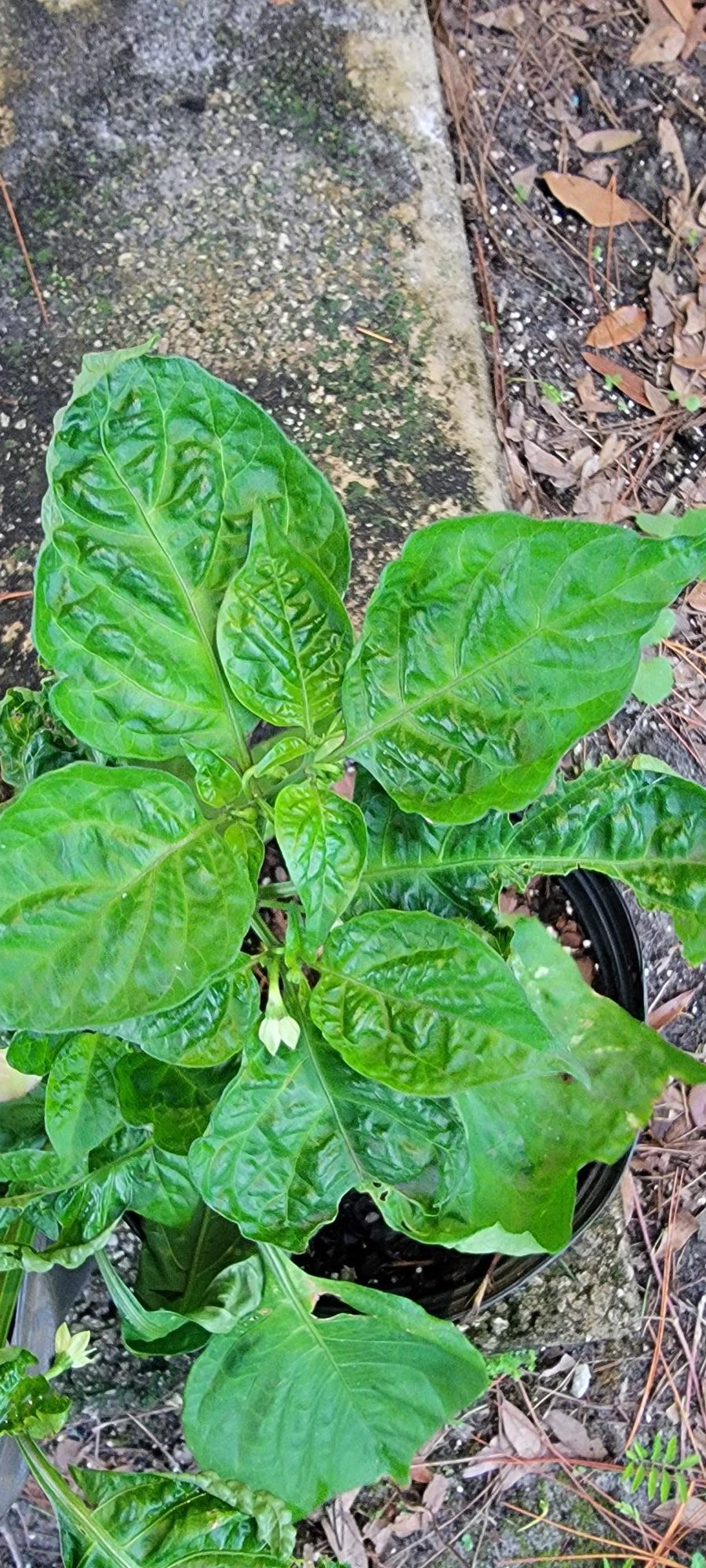
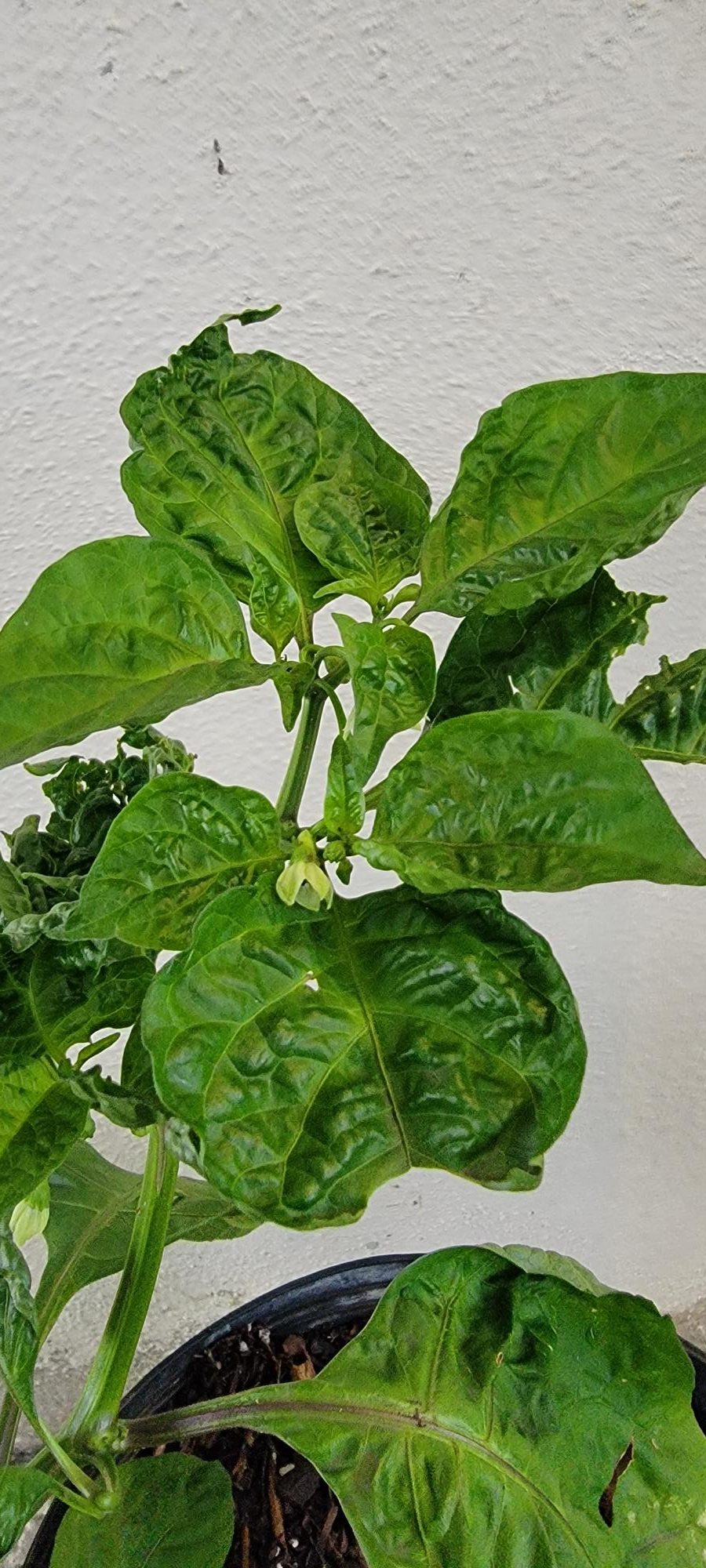
Broad mite feeding distorts young leaves and buds, stunts growth, and discolors or drops fruit. Damage includes downward leaf curling, bronzing, and malformed terminals. Fruit may be unsellable for fresh markets.
Management
Control methods include miticides, insecticidal soaps, oils, predatory mites, and hot water treatment (43–49°C for 15 minutes). Biological control and less toxic options are preferred in many settings.
Predatory mites like Amblyseius and Neoseiulus, along with six-spotted thrips, can help control broad mites, especially when ants (e.g., Argentine ants) are managed. These predators are sometimes released in greenhouses. To support natural enemies, reduce dust, avoid broad-spectrum insecticides, and control ants.
Use clean planting stock and avoid placing healthy plants near infested ones. Remove or treat damaged plants.
Broad and cyclamen mites are hard to control with pesticides due to their hidden feeding habits. Damage may appear after mites are gone. Home gardeners can use horticultural oil, insecticidal soap, neem oil, or sulfur. Professionals may use abamectin or fenpyroximate. Delay spraying until new growth appears for best results.
For more information, contact UF/IFAS Extension–St. Lucie County
(772) 462-1660
https://sfyl.ifas.ufl.edu/stlucie
 4
4