Banana trees thrive in warm regions, producing plenty of fruit, while in cooler climates, they serve as attractive ornamental plants, even if they don’t fruit. In both cases, thoughtful pruning is key to maintaining their health and appearance. This guide explains when, why, and how to prune your banana plants effectively.

How to Prune a Banana Plant
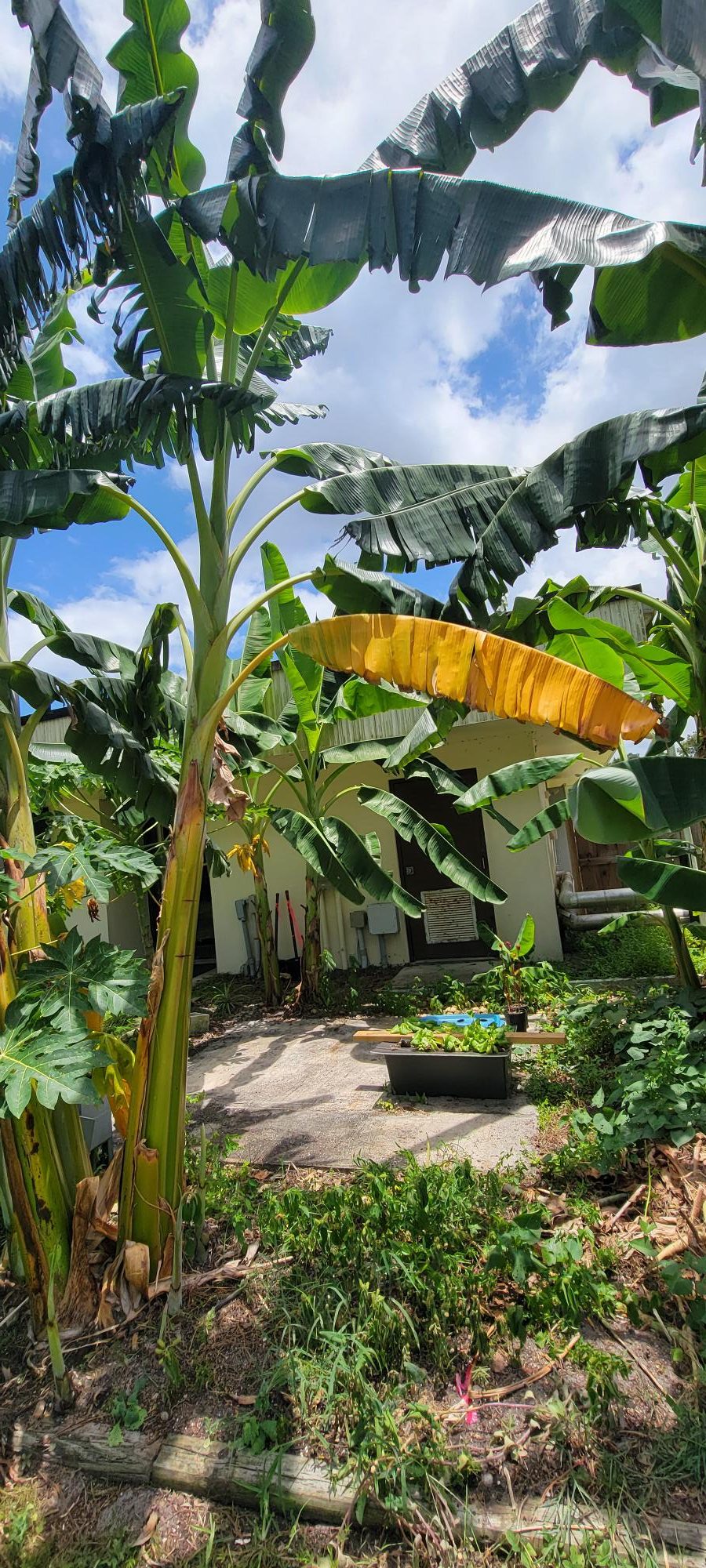
- Trim dead leaves: Use a clean, sharp blade to remove any brown, dried leaves.
- Remove dead plants: Cut back any banana plant that has finished fruiting or died due to cold, removing all above-ground parts.
- Manage suckers: Cut off all suckers at ground level, except for the largest and healthiest one. This sucker will become next season’s main plant.
Best Times to Prune
- Spring: This is ideal for encouraging vigorous new growth. While leaf pruning isn’t crucial, removing new suckers helps focus the plant’s energy on vertical growth.
- Winter: After the banana plant completes its life cycle or if it succumbs to frost, remove the entire above-ground portion to clear space for fresh shoots.
- Year-round: Prune any brown or dying leaves whenever they appear to maintain plant health and aesthetics.
Additional Pruning Tips
- Leaves with holes: If leaves are riddled with small holes, likely due to insect damage, trim them off and consider further treatment.
- Tool hygiene: Always use sharp, sanitized tools like garden shears or machetes to prevent disease and make cleaner cuts.
- Leaf base trimming: Remove dead leaves at the stalk base using a sloped upward cut, but leave the base intact to support the plant’s structure.
- Limit removal of healthy stalks: If desired, keep only 4 central leaf stalks for a cleaner look or stronger growth, but never remove more than one-third of the plant at once to avoid shock.
- Control sucker growth: Dig out excess suckers close to the ground to prevent overcrowding, keeping only one for future growth. The removed parts can be composted or used as mulch.
- Post-frost care: If frost kills the plant, wait a week, assess the damage, and if necessary, cut down the stalk completely. You can overwinter by insulating the rhizome or potting it indoors.
Benefits of Pruning
- Encourages better growth: By reducing crowding and focusing the plant’s energy, pruning supports stronger, healthier banana plants with potentially larger fruit.
- Enhances appearance: Especially for ornamental plants, pruning keeps them looking neat, lush, and upright.
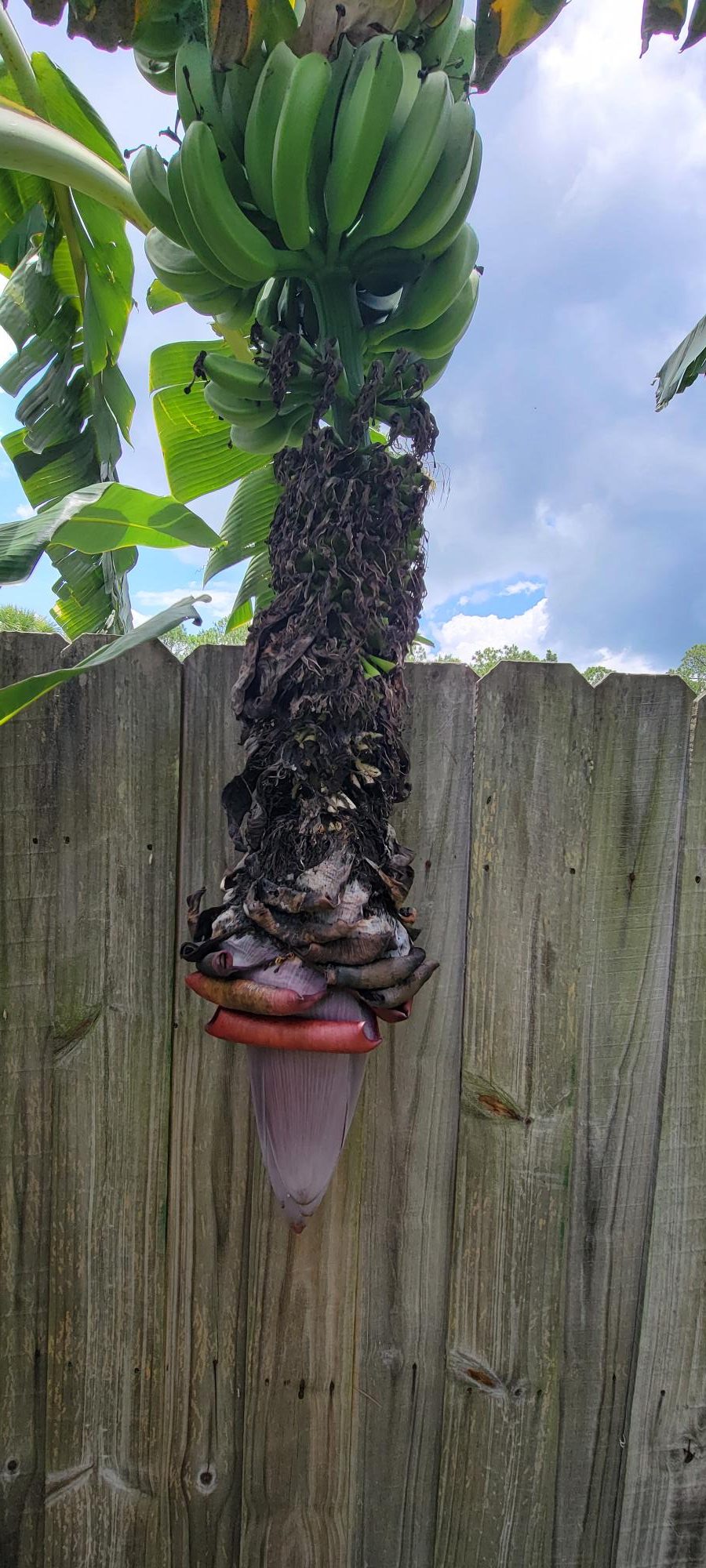
- In some cases, the removal of the male flower can accelerate the maturation of the fruit.
 1
1